Ortomi Is a Tiny Robot Pet That Does Not Talk
Ortomi is a small companion robot from Australia.
It is not a pet-care robot for feeding or monitoring a real dog or cat. It is closer to a tiny digital pet you keep on your desk or in your hand, with facial expressions, ear movement, beeps, moods, and small physical reactions.
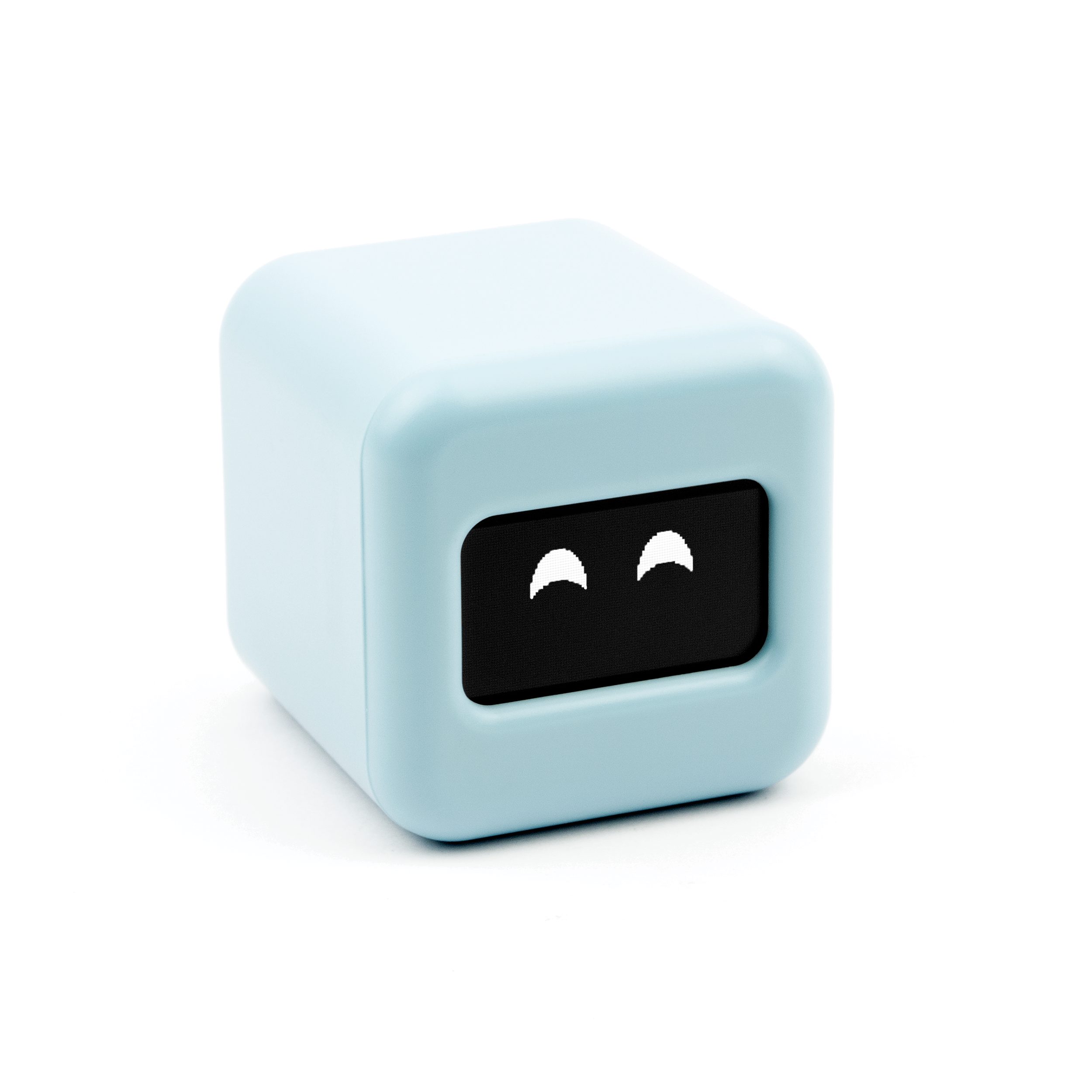
The official site currently introduces two main lines: Umi, the newer ear-equipped model, and Gen 4, the classic cube-shaped Ortomi.
Umi focuses on moving ears, a high-resolution face, more than 100 expressions, and reactions to touch, poking, lifting, and handling. Gen 4 focuses on the simple cube form, custom expressions, and a "Friendship" feature that lets multiple Ortomis interact with each other.
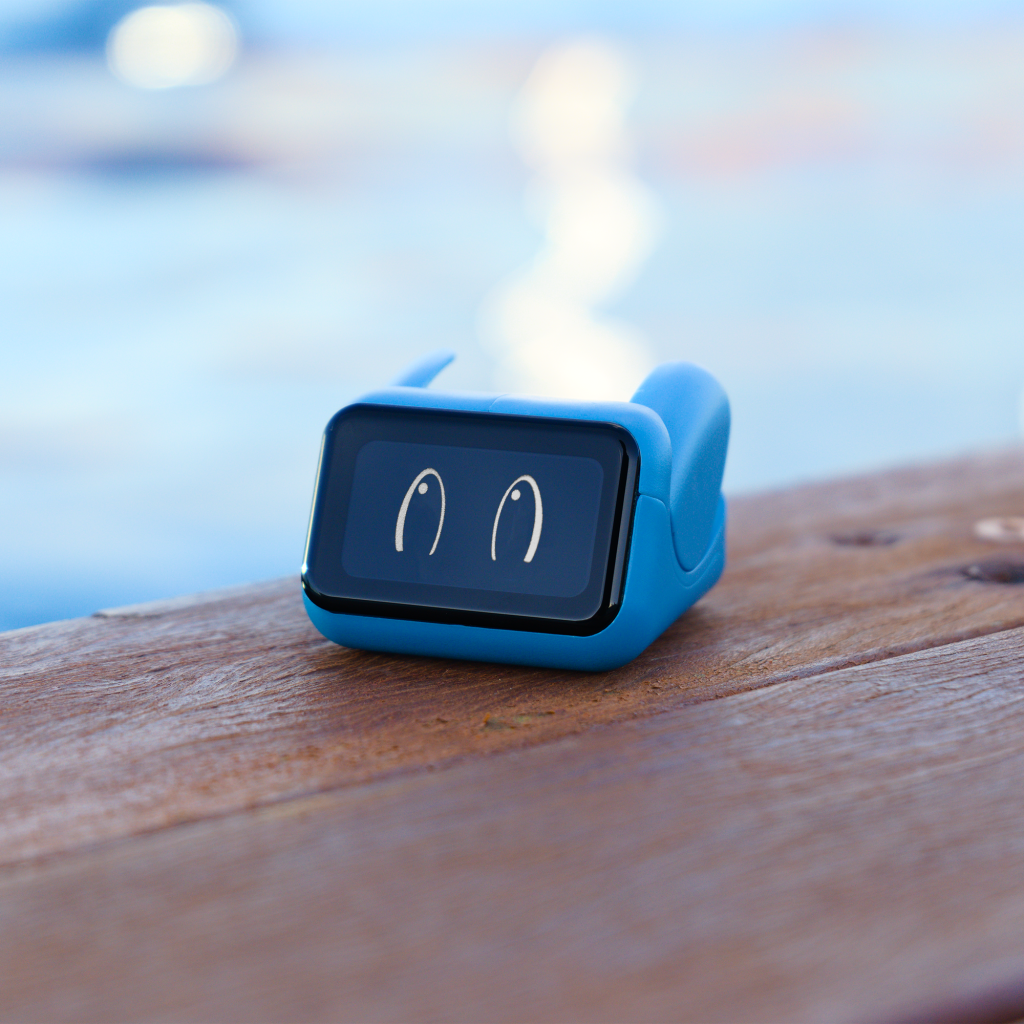
Image source: Ortomi official product page
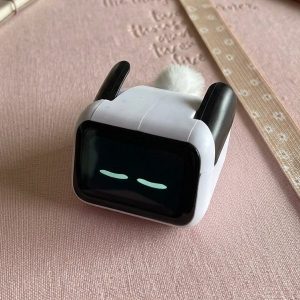
This review looks at Ortomi as a small emotional companion, not as an AI speaker or a full conversation robot. It also compares the idea with small speaker-like robot gadgets and with Mia, the AI cat companion robot.
Key Takeaways
What Ortomi Is
- A palm-sized companion robot that reacts through expressions, motion, and beeps
- Umi has moving ears, more than 100 expressions, six moods, treasures, and activities
- Gen 4 is a cube-shaped model with more than 40 expressions, seven moods, custom expressions, and multi-Ortomi interaction
- Official shop pricing: Umi is AU$185.00; Gen 4 is AU$85.00
- It does not talk or listen like a voice assistant
- Small enough for a desk, bedside table, shelf, or bag
What Is Good
- Tiny and easy to place without dominating a room
- Quiet companionship rather than constant voice interaction
- Umi has expressive ears; Gen 4 has strong custom-expression appeal
- Builds attachment through looks and small reactions rather than speech
- Good fit for people who cannot keep a real pet but still want a small presence nearby
What to Watch For
- It is not a Japanese-speaking conversation robot
- It does not replace an AI speaker for questions, music, smart-home control, or reminders
- If importing, check shipping, warranty, returns, and support
- Umi and Gen 4 differ in battery life, customization, and interaction style
- It is not a medical device, so do not buy it expecting a guaranteed effect on loneliness, anxiety, or grief
Bottom Line
Ortomi is best understood as "a tiny robot pet to keep near you," not as an AI robot that becomes a full conversation partner.
Umi adds moving ears and richer facial expression. Gen 4 keeps the simpler cube body and adds custom expressions and multi-unit interaction. Neither model is built around long voice conversations. That limitation is also part of the appeal.
An AI speaker is a tool: you ask it questions, play music, set timers, and control devices. Ortomi is different. It sits nearby, changes expression, reacts when touched, and gives a small sense that "something is there" without demanding a conversation.
If you want utility, choose an AI speaker. If you want Japanese voice conversation, daily prompts, and reminders, Mia is closer. If you want a quiet tiny robot pet with expressions, Ortomi makes sense.
Umi vs. Gen 4
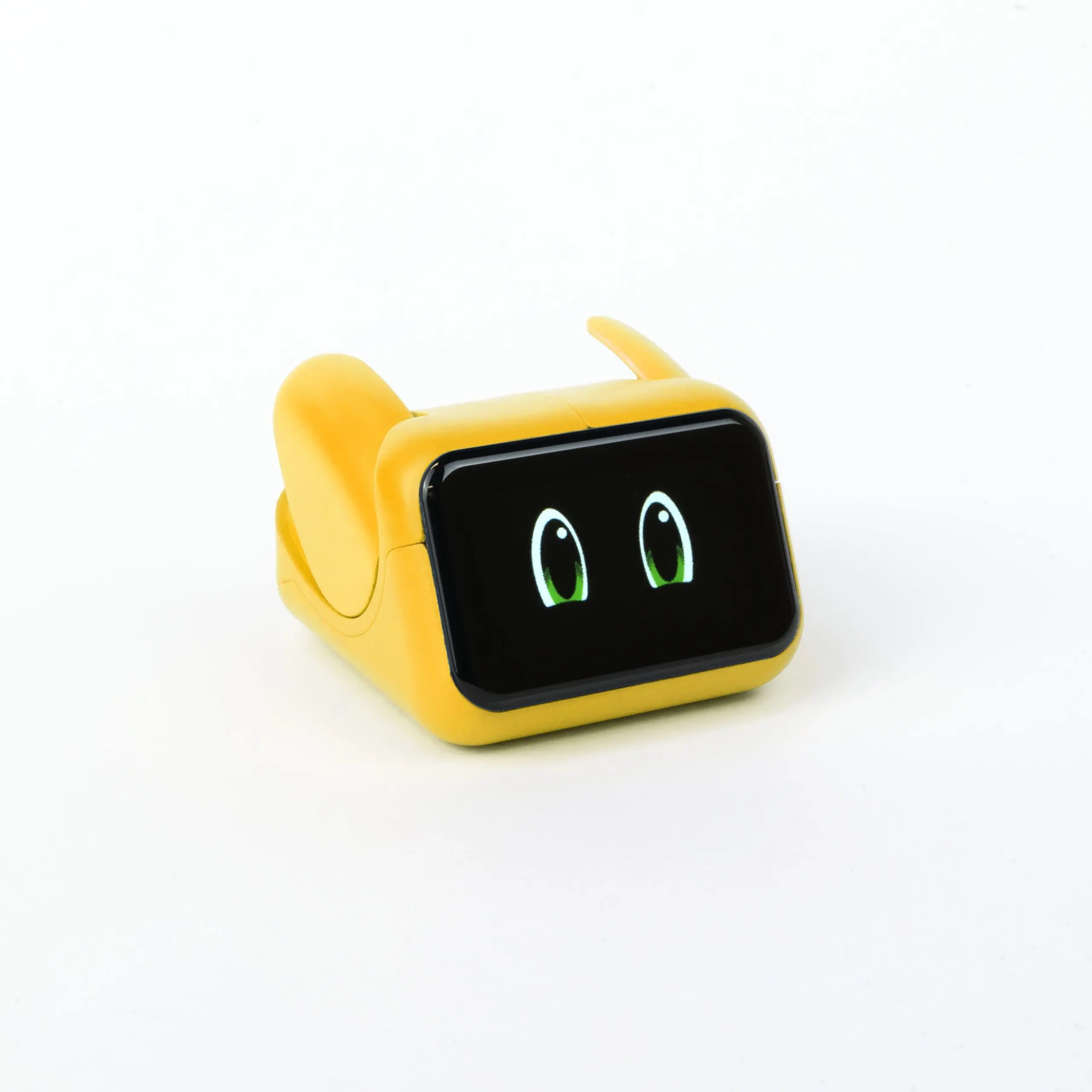
Umi: The Newer Model With Ears and Richer Expressions
Umi is the newer Ortomi model.
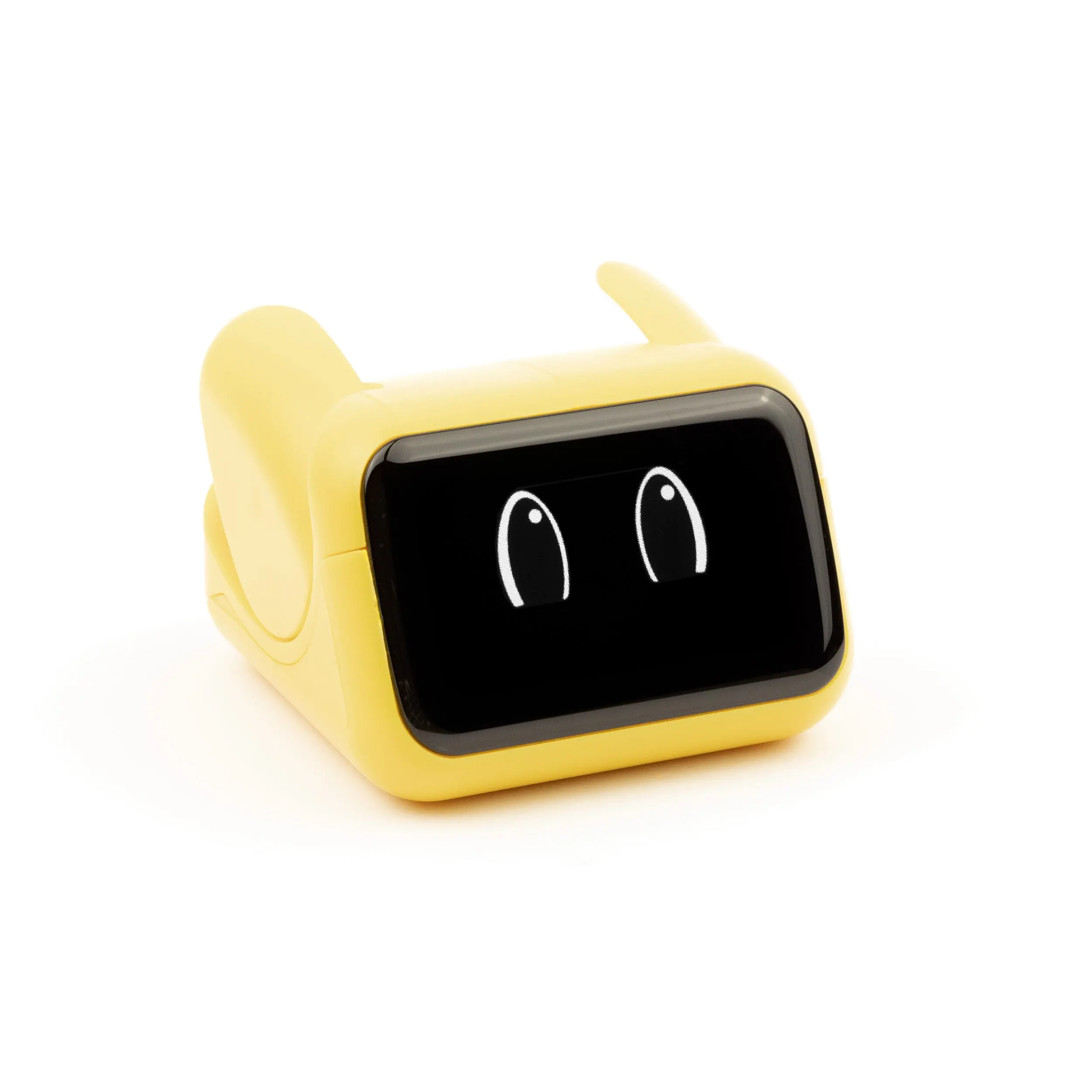
The official page describes more than 100 expressions and emotions, six moods, responses to petting, poking, lifting, and handling, plus ears that move with its expressions. Touching the ears can also trigger reactions.
The important point is that Umi does not speak or listen. Ortomi explains that Umi communicates with small sounds and expressions rather than language.
That makes Umi closer to an emotional digital pet than to an AI assistant.
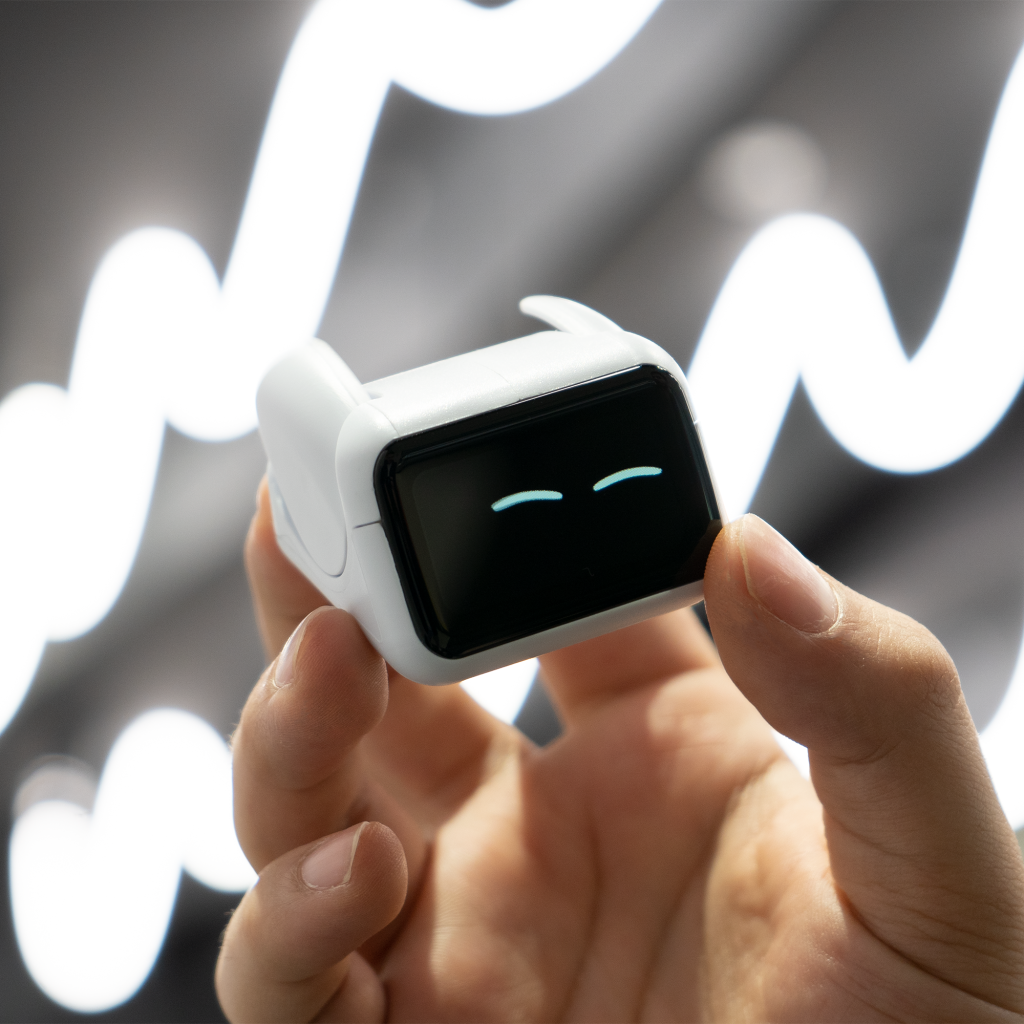
Image source: Ortomi official product page
Gen 4: The Cube Model With Custom Expressions
Gen 4 is the cube-shaped Ortomi.
The official product page describes reactions to petting, poking, shaking, lifting, and being turned upside down. It has seven moods and more than 40 expressions. A major feature is support for custom expressions through Ortomi Workshop.
Gen 4 also supports a Friendship feature. When multiple Gen 4 units are awake together, they can connect and take part in activities together.
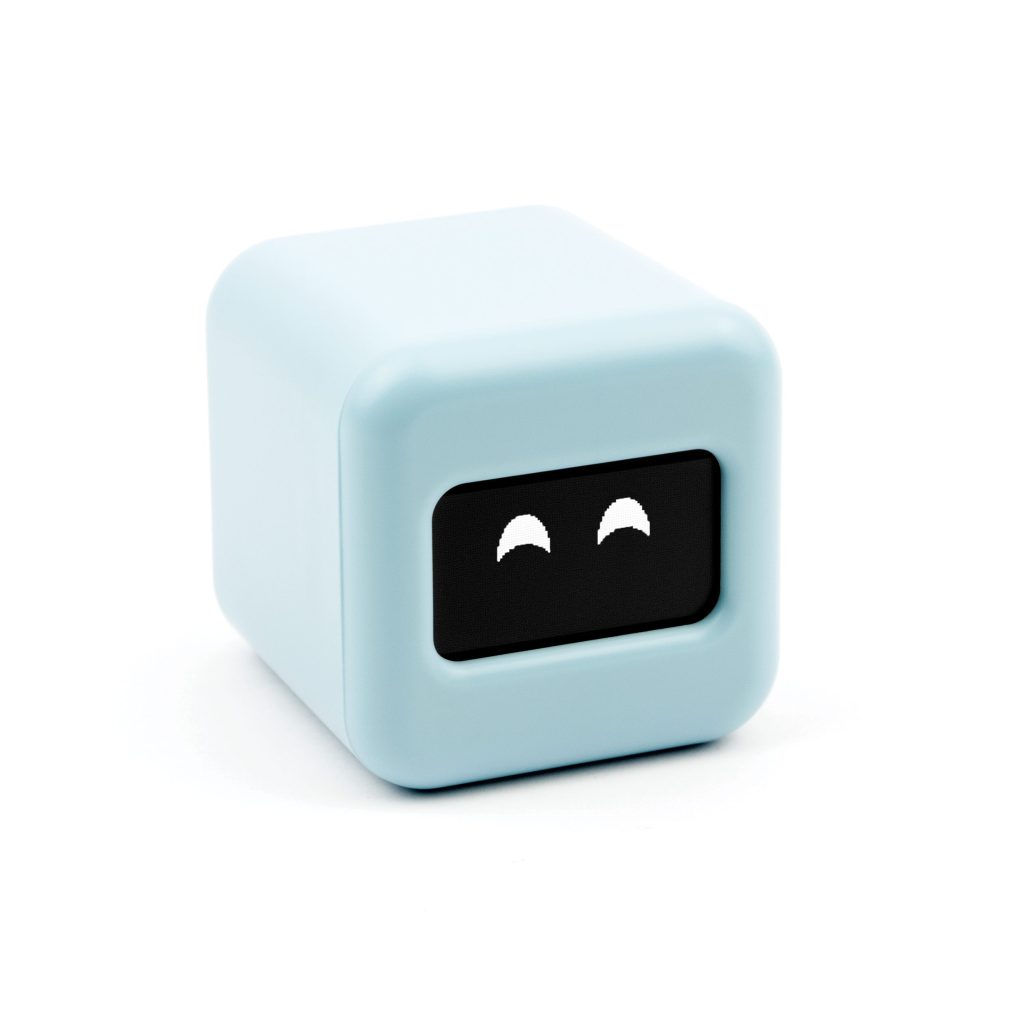
Image source: Ortomi official product page
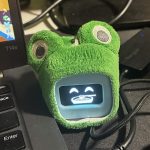
How Ortomi Relates to Speaker-Like Robot Gadgets
At first glance, Ortomi may remind you of small speaker-like robots or cute desk gadgets.
The shape is similar in one broad sense: it is a small device you can place on a desk. But the experience is different.
A speaker-style gadget is usually useful first. It plays audio, handles calls, responds to voice commands, or acts as a compact everyday device. The cute design adds attachment to a functional object.
Ortomi is almost the opposite. Its purpose is the presence itself. You do not use it to play music or take calls. You watch it change expression, sleep, get bored, react to touch, and behave like a small digital creature.
That distinction is similar to the difference between a cute cat-themed earbud case and a cat-like robot. A cute utility product starts with function. A companion robot starts with presence.
How Is Ortomi Different From an AI Speaker?
Ortomi is not in the same category as an AI speaker or smart speaker.
An AI speaker is made for voice interaction: weather, music, timers, questions, smart-home control, reminders, and information. Utility is the core value.
Ortomi is built around expression. Umi does not talk or listen, so it cannot replace a smart speaker.
Still, for someone who wants a small emotional object on a desk or bedside table, Ortomi may feel more companion-like than a speaker. It has less function, but more visible personality.
| Comparison | Ortomi | AI Speaker / Smart Speaker |
|---|---|---|
| Main role | Tiny companion with expressions and reactions | Voice control, information, music, smart-home control |
| Conversation | Basically none | Voice assistant responses |
| Sound | Beeps and reaction sounds | Music, spoken answers, alerts |
| How attachment forms | Expressions, moods, touch reactions, names, customization | Everyday usefulness and voice convenience |
| Best for | Quiet digital-pet companionship | Practical voice control |
Price and Buying Notes
As of August 17, 2026, the official Ortomi shop lists Umi Companion Pet at AU$185.00 and Ortomi Gen 4 Companion Pet at AU$85.00.
When accessed from Japan, Ortomi product pages may show local converted pricing. During research, Umi appeared at 20,839 yen, while Gen 4 appeared around 9,574 yen. These displayed yen prices can vary with exchange rates, location, tax handling, shipping, and currency settings, so check the official shop before buying.
If you are buying from Japan or another country outside Australia, check:
- Whether shipping to your country is available
- Shipping cost and estimated delivery time
- Return policy
- Warranty period and coverage
- Support process if the robot breaks
- Charging cable and USB-C requirements
- Whether instructions or support are available in your language
- App or firmware update requirements
The Umi page mentions a 30-day return policy and a two-year warranty, but international warranty handling should be confirmed before purchase.
What Ortomi Can Do
React to Touch, Lifting, and Movement
Ortomi's core experience is physical reaction.
It responds to petting, poking, lifting, turning, shaking, and being placed down. Unlike a smartphone app character, the robot is a physical object you can pick up and handle.
Change Moods
Umi has six moods, while Gen 4 has seven.
The point is not to show the exact same reaction every time. Ortomi can become sleepy, bored, happy, or responsive in slightly different ways, which makes it feel more like a digital pet.
Build Attachment Through Customization
Gen 4 supports custom GIF expressions through Ortomi Workshop. Umi can be personalized with name, eye color, stickers, and other small identity details.
This customization is a big part of Ortomi's appeal. It is not just a product you turn on once. It is something you can make feel more like your own desk companion over time.
Play With Multiple Ortomis
Gen 4 supports interaction between multiple Ortomi units through the Friendship feature.
That opens a different kind of play: not just one robot on your desk, but a tiny group of cube companions. Ortomi notes that this feature uses more battery, so charging frequency matters if you plan to use multiple units.
Specs
| Spec | Umi | Gen 4 |
|---|---|---|
| Category | Tiny companion robot | Tiny companion robot |
| Shape | Ear-equipped palm-sized robot | Cube-shaped robot |
| Main features | Moving ears, 100+ expressions, six moods, treasures, activities | 40+ expressions, seven moods, custom expressions, Friendship feature |
| Conversation | No speech conversation; small sounds and expressions | Expression and reaction based |
| Official shop price | AU$185.00 | AU$85.00 |
| Weight | 65 g | 40 g |
| Size | 4.7 x 4.9 x 4 cm | 4.2 x 4.2 x 4.5 cm |
| Battery | About 10 hours typical use; up to about one week resting | About 15 to 20 hours |
| Charging | USB-C | USB-C |
| Processor | ESP32 | ESP8266 |
| Subscription | Not confirmed in official information | Not confirmed in official information |
What Reviews Suggest
Ortomi's product pages include customer reviews for Umi and Gen 4.
For Umi, reviews emphasize portability, cuteness, expressions, ear movement, and beeps. Some reviewers describe keeping it on a desk during work, carrying it around, or using it as a small emotional presence.
For Gen 4, reviews highlight cuteness, reactions, custom expressions, desk companionship, and the feeling of having a tiny character nearby.
However, the reviews shown on product pages are mostly positive, so it is worth staying realistic. If you buy Ortomi expecting an AI conversation robot, you may be disappointed. If you buy it for small reactions and expression-based companionship, the fit is much clearer.
Buying Checks From the Reviews
- It is likely satisfying if you enjoy small expressive reactions
- It is not for people expecting AI assistant features or voice conversation
- Choose Umi if you care about ears and richer expression
- Choose Gen 4 if you care about custom expressions and the cube form
- Check shipping, warranty, and support before importing
- If sound matters, check whether its beeps fit your work or bedroom environment
FAQ
Can Ortomi Speak Japanese?
No. Umi is described as not speaking or listening. It reacts through small sounds and expressions.
If you want a robot that can speak Japanese or act as a daily voice companion, you should compare it with a conversation robot such as Mia.
Can Ortomi Replace an AI Speaker?
No.
Ortomi is not for asking questions, playing music, controlling smart devices, checking weather, or setting reminders. It is a tiny robot pet built around expression and touch reactions.
Should I Choose Umi or Gen 4?
Choose Umi if you want moving ears, richer expression, and a newer pocket-sized companion.
Choose Gen 4 if you prefer the cube shape, custom expressions, and the idea of multiple Ortomis interacting.
Is Ortomi a Toy for Children?
The official manual notes that Ortomi is not designed as a toy for children. It contains a lithium polymer battery, so parents should check age suitability, choking risk, breakage, water exposure, and charging safety before giving it to a child.
Can Ortomi Help With Loneliness or Pet Loss?
Ortomi is designed around companionship, but it is not a medical device.
Some reviews mention emotional comfort, but it is safer to think of Ortomi as a small companion that may brighten your day, not as a treatment for loneliness, anxiety, or grief.
How Ortomi Compares With Mia
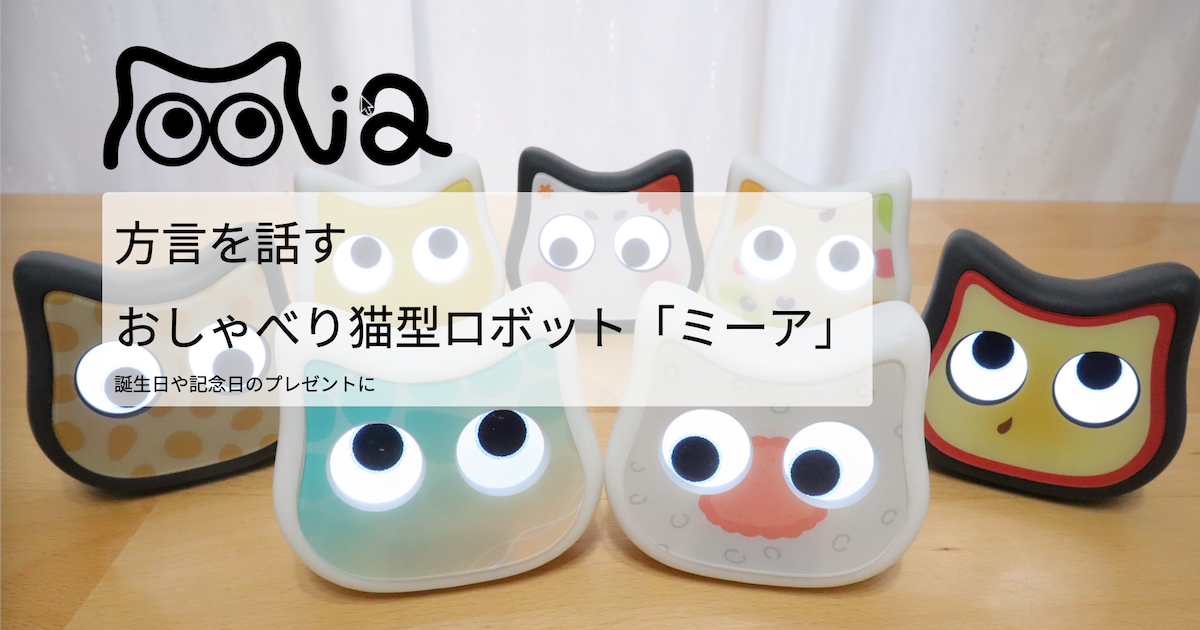
Ortomi and Mia are both small, friendly companion robots, but the center of the experience is different.
Ortomi builds attachment without language. It uses faces, moods, small sounds, and touch reactions. Mia is built for voice interaction, daily prompts, Japanese conversation, dialects, weather, schedules, and family communication.
| Comparison | Ortomi | Mia |
|---|---|---|
| Form | Umi has ears; Gen 4 is cube-shaped | Compact AI cat companion robot |
| Main features | Expressions, moods, touch reactions, beeps, customization | Japanese conversation, 47 dialects, expressions, Google Calendar, weather updates, 15 English characters |
| Conversation | Basically none | Voice conversation and daily prompts |
| Main purpose | Watch, touch, carry, and enjoy expressions | Companionship, daily voice prompts, family connection |
| Interaction | Touch, lifting, orientation, buttons | Voice recognition, head touch, blinking expressions |
| Long-term attachment | Moods, expressions, custom faces, multi-unit interaction | Daily conversation habits and dialect-based familiarity |
| Price | Umi AU$185.00; Gen 4 AU$85.00 | From 9,800 yen including tax |
| Best for | Quiet digital-pet companionship | Japanese-speaking cat-like voice companion |
Ortomi is appealing precisely because it does not talk. It can sit near you without interrupting your work or demanding a response.
Mia is the better fit if you want daily conversation, Japanese voice prompts, weather and schedule notifications, or a robot that can become a communication trigger for older parents or family members.
Overall Evaluation
Ortomi is a robot for presence, not productivity.
It is not a smart speaker, and it is not a full conversation robot. Its value is in tiny behaviors: sleeping, reacting, changing expression, and making your desk feel a little less empty.
Umi is especially easy to understand visually because of the ears and expressive face. Gen 4 is better for people who like the simple cube design, custom expressions, and multi-unit play.
Before buying, check price, shipping, warranty, returns, support, and language assumptions. Cute tiny robots can raise expectations quickly, so the safest framing is this: Ortomi is a small expressive companion, not a general-purpose AI assistant.
Summary
Ortomi is a strong topic for a small companion robot review.
Like speaker-style mini robots and cute desk gadgets, it has an obvious visual appeal. But Ortomi is less about utility and more about emotional presence.
Choose a smart speaker for music and voice control. Choose Mia for Japanese conversation, daily prompts, family communication, and a cat-like voice companion. Choose Ortomi if you want a quiet tiny robot pet that sits nearby and reacts with expressions.
👀 You may also like:
👉 2026 Guide: AI Pet Robots for Elderly Loneliness – A Comparison of 10 Companion Robots
👉 2026 Edition: 9 Recommended Pet Robots Under $150 – Cheap, Cute, and Healing Models
👉 Monthly and Maintenance Costs of Pet Robots: Moflin, LOVOT, Mia, and More
👉 Mia – Your Chatty AI Cat Companion Robot with 100+ Expressions