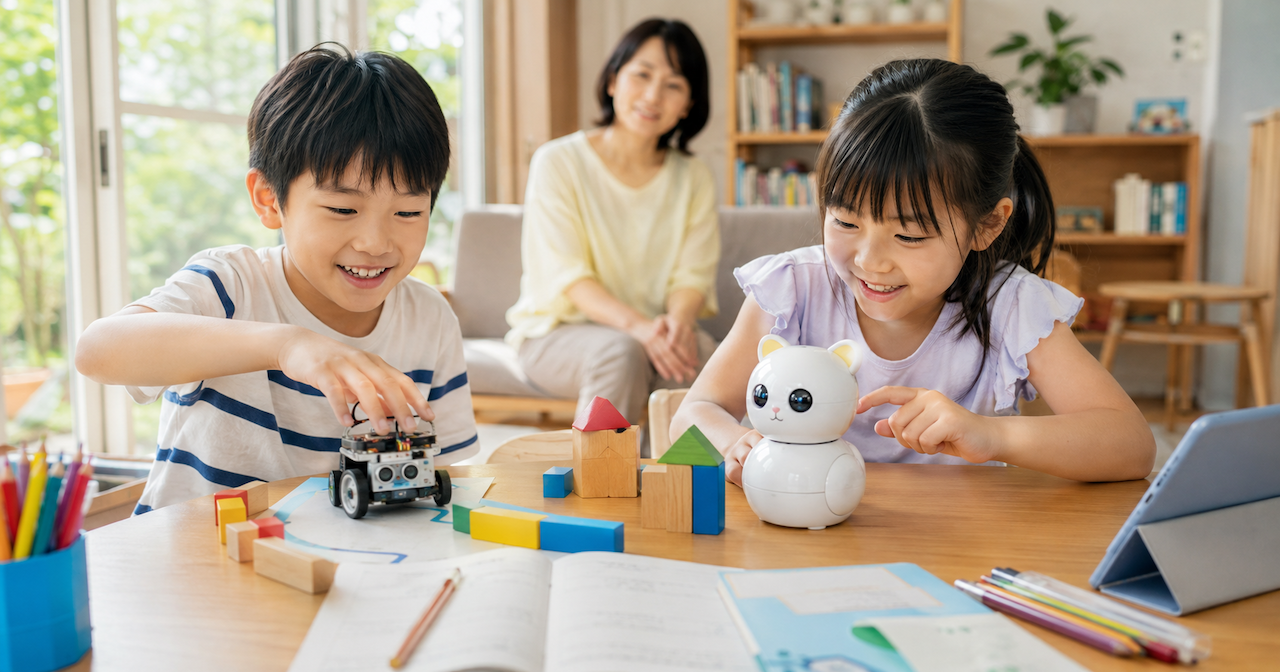
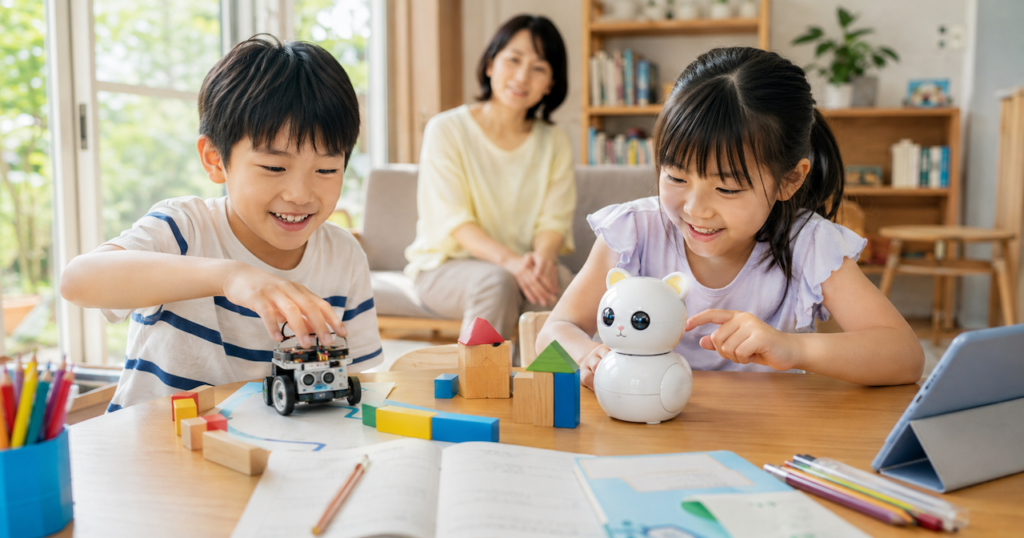
When summer vacation begins, many parents start looking for something children can enjoy indoors.
Outdoor play can be difficult on very hot days. At the same time, children need activities that feel more active than watching videos or playing games all day. This is where home robots can be useful. Some robots are good for building and programming. Others are better for conversation, English play, or simply making the room feel more lively.
This guide compares robots for kids by purpose, age, budget, and ease of use. It is written for families who want a practical summer activity, a school research project idea, or a gift that can still be used after the holiday ends.
- Key Points
- Quick Answer
- Why Robots Work Well as Summer Indoor Activities
- How to Choose a Summer Robot for Kids
- Building and Programming Robots for School Research
- AI Conversation Robots for English Play
- Conversation and Comfort Robots
- Age-Based Recommendations
- Budget Guide
- Common Mistakes
- Pre-Purchase Checklist
- FAQ
- Conclusion
Key Points
What to Check When Choosing a Robot for Summer Vacation
- Purpose: building and STEM / programming / English play / conversation and comfort
- Age range: preschool, early elementary school, upper elementary school and older
- Budget: affordable entry models, gift-friendly models, and more serious learning robots
- Ongoing cost: whether a subscription or paid app is required
- Safety: small parts, tools, app setup, Wi-Fi setup, and parent supervision
Quick Recommendation by Purpose
| Purpose | Best Type | Example Products |
|---|---|---|
| Building and school research | Robot kits | Folo, Apitor, mBot2 |
| Programming practice | Programming robots | alilo, Codey Rocky |
| English play and conversation | AI conversation robots | Mia with English character voices |
| Simple play for younger siblings | Small pet-style robots | Mia, Qoobo |
What Parents Are Usually Looking For
People searching for “robots for kids,” “summer vacation indoor activities,” “robot science project,” “programming robot for children,” or “English robot toy” usually need more than a product list.
They want to know:
- whether the robot will keep a child interested at home
- whether it can be used for a school research project
- whether it is too difficult for a younger child
- whether it supports learning without feeling like homework
- whether it requires an app, Wi-Fi, or a subscription
- whether it is a reasonable gift from parents or grandparents
This article answers those questions from the angles of play, learning, cost, and safety.
Quick Answer
If you want both learning and play, a good summer setup is a robot kit plus an AI conversation robot.
A building or programming robot gives children something hands-on to make, test, and observe. A conversation robot gives them something they can use every day without a complicated setup. If you want a child to hear English naturally at home, Mia’s English character voices can be a friendly entry point because the experience feels more like play than formal study.
Why Robots Work Well as Summer Indoor Activities
Robots fit summer vacation for three practical reasons.
- Indoor entertainment during hot weather: On days when outdoor play is limited, a robot can become an activity that still involves movement, speech, problem-solving, or hands-on work.
- School research project ideas: Building and programming robots are easy to turn into research topics because children can observe how movement changes.
- A natural entry point for English: A robot that speaks English can help children hear sounds and rhythms without treating the activity like a lesson.
A robot can be more than a toy. Building it becomes craft work. Programming it becomes logic practice. Watching how it moves becomes observation. Talking with it becomes language and communication play.
How to Choose a Summer Robot for Kids
1. Decide Whether It Is for a Research Project or Everyday Play
The right robot depends on how it will be used.
For a school research project, choose a robot that makes it easy to explain how something works. A robot with sensors, wheels, obstacle avoidance, or programmable actions gives children something to test and record.
For everyday indoor play, choose something that is easy to start. Conversation robots and small pet-style robots are easier for children to use repeatedly because they do not require a long setup every time.
2. Think About Parent Support, Not Only the Age Label
The recommended age on the box is useful, but it is not the whole story.
Some robots require app registration, Wi-Fi setup, tiny parts, or adult help with tools. For younger elementary school children, a robot that creates quick success can be better than a serious programming robot. For older children who like to research and experiment, a robot with Scratch or Python support may be worth choosing.
3. Check the Total Cost
Do not only look at the purchase price. Check whether the robot needs a subscription, replacement batteries, a dedicated app, expansion parts, or paid content.
| Item | What to Check |
|---|---|
| Purchase price | Entry level, gift level, or serious learning model |
| Monthly fee | Whether AI or conversation features require a subscription |
| Battery or charging | Dry batteries or USB charging |
| App setup | Whether a parent needs to set it up on a phone |
| Extra parts | Whether expansion kits or special cards are needed |
Mia is positioned as an approachable conversation robot, and its basic functions are available without a monthly fee. That makes it easier to consider as a summer gift.
Building and Programming Robots for School Research
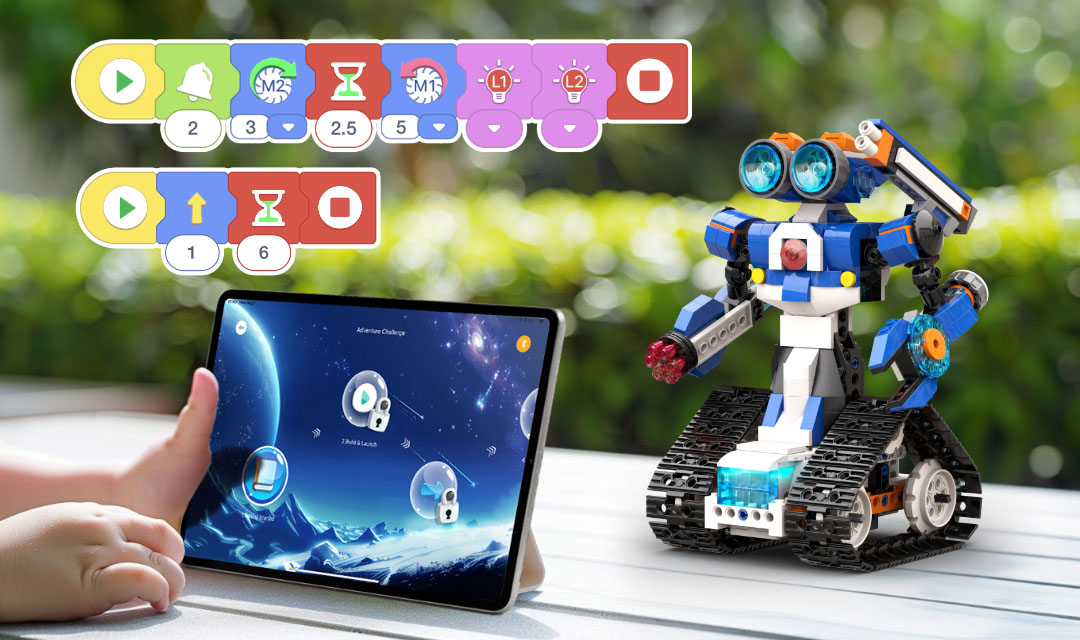
If you want children to make something with their hands, robot kits are a strong choice. The appeal is not only the finished robot. The process of assembling, testing, failing, and trying again is the real learning experience.
| Product | Age Guide | Price Guide | Main Feature | Difficulty |
|---|---|---|---|---|
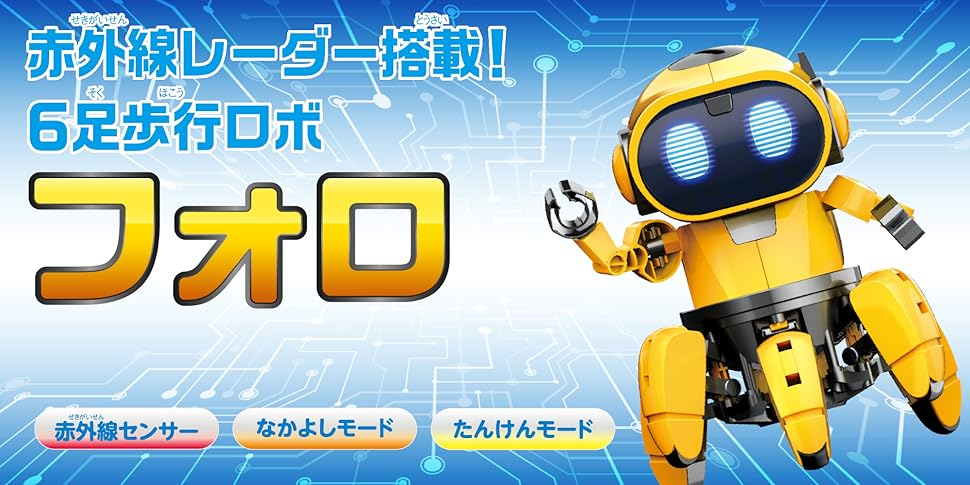
| Folo MR-9107R | 10+ | Around ¥6,000+ | Six-legged robot with infrared obstacle avoidance | High |
| Apitor Robot X | 8+ | Around ¥11,000+ | Can transform into multiple builds and supports programming | Medium |
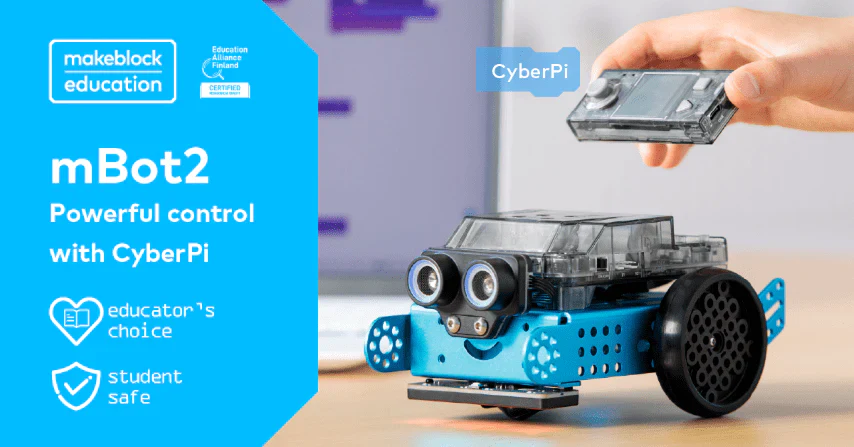
| mBot2 | 10+ | Around ¥20,000+ | Can grow into more serious programming, including Python | High |
| Codey Rocky | 6+ | Around ¥8,000+ | Block-based programming with AI and IoT concepts | Medium |
| alilo | 4+ | Around ¥8,000+ | Card-based play that supports early programming thinking | Easy |
Good Research Project Themes
For a school project, avoid stopping at “I built a robot.” It is better to create a theme where the child can observe a change.
| Research Theme | Best Robot Type | How to Record It |
|---|---|---|
| How does a robot avoid obstacles? | Folo, mBot2 | Change the distance to a wall and record the movement |
| How does movement change when the program changes? | mBot2, Codey Rocky | Compare the command order and the result |
| Which floor surface is easiest for the robot? | Wheeled robots | Test wood flooring, carpet, and tatami |
| What happens when you speak English to a robot? | Mia | Record common phrases and responses |
| How often does the family talk to the robot? | Conversation robots | Compare morning, afternoon, and evening |
For younger children, photos, simple notes, and a short reflection are enough. Older children can compare conditions and write a more structured report.
AI Conversation Robots for English Play
If building robots feels too difficult, and the main goal is to give children something they want to talk to, an AI conversation robot may be a better fit.
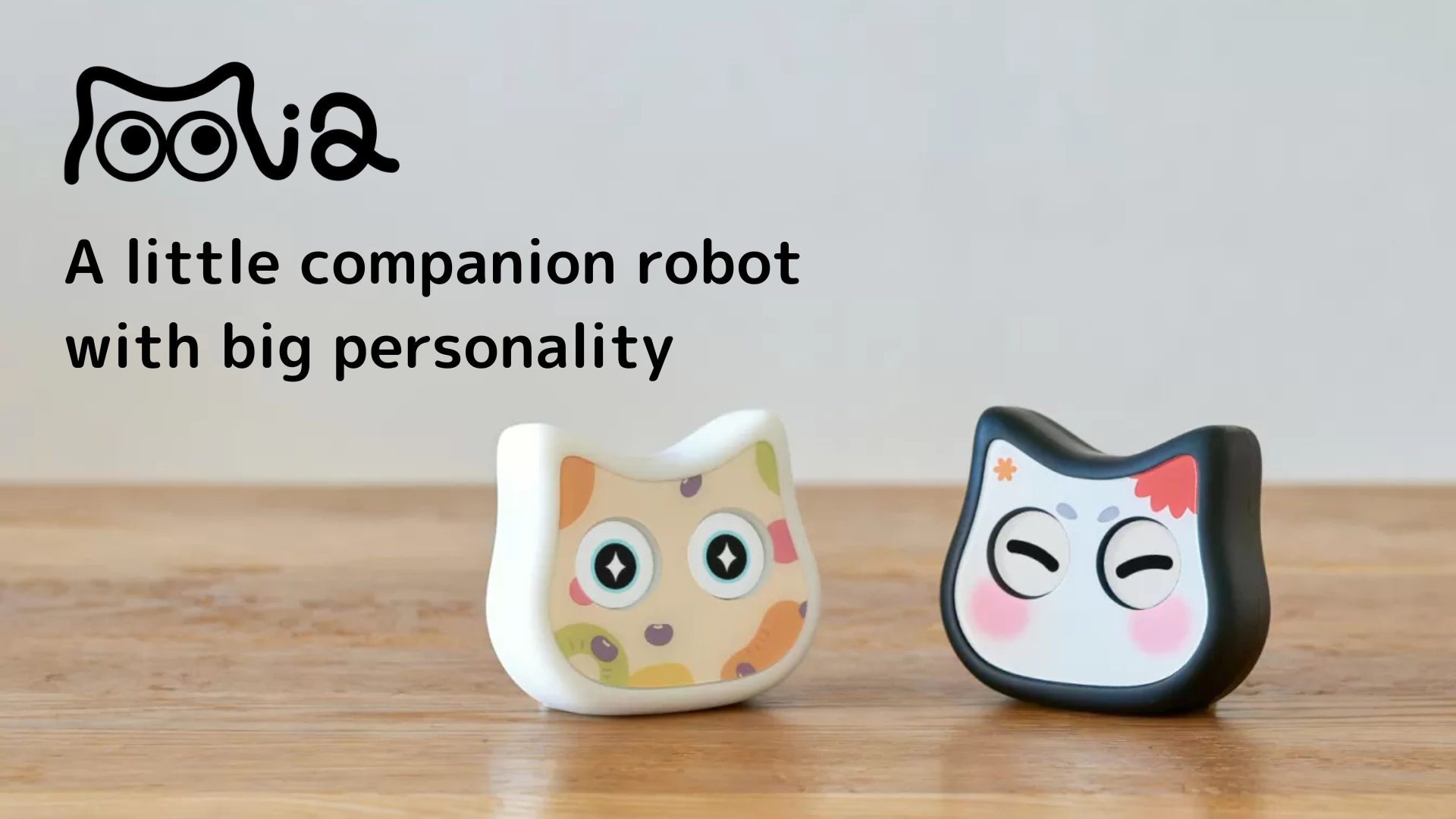
Mia includes English character voices. This is useful because children can hear English through a character instead of through a formal lesson.
What Mia’s English Character Voices Are For
Mia includes Japanese dialect voices and English character-style voices. The point is not to replace an English class. The point is to make English sound familiar, playful, and part of the daily environment.
Mia can help by:
- giving children chances to hear English sounds at home
- making English feel like play instead of homework
- giving parents an easy way to add a small English routine even if they are not confident speakers

A Simple 5-Minute Summer Routine
For English play, short and consistent is better than long and forced.
| Timing | Simple Activity |
|---|---|
| Morning | Choose one English character and say hello |
| Afternoon | Repeat one short word or phrase |
| Evening | Talk about the day in Japanese, then use English mode briefly |
The important point is not perfect pronunciation. At first, simply hearing and copying the rhythm of English is enough.
Conversation and Comfort Robots
For families with younger siblings, or for children who want something lively in the room, conversation and pet-style robots can be easier to enjoy than serious STEM kits.
Mia
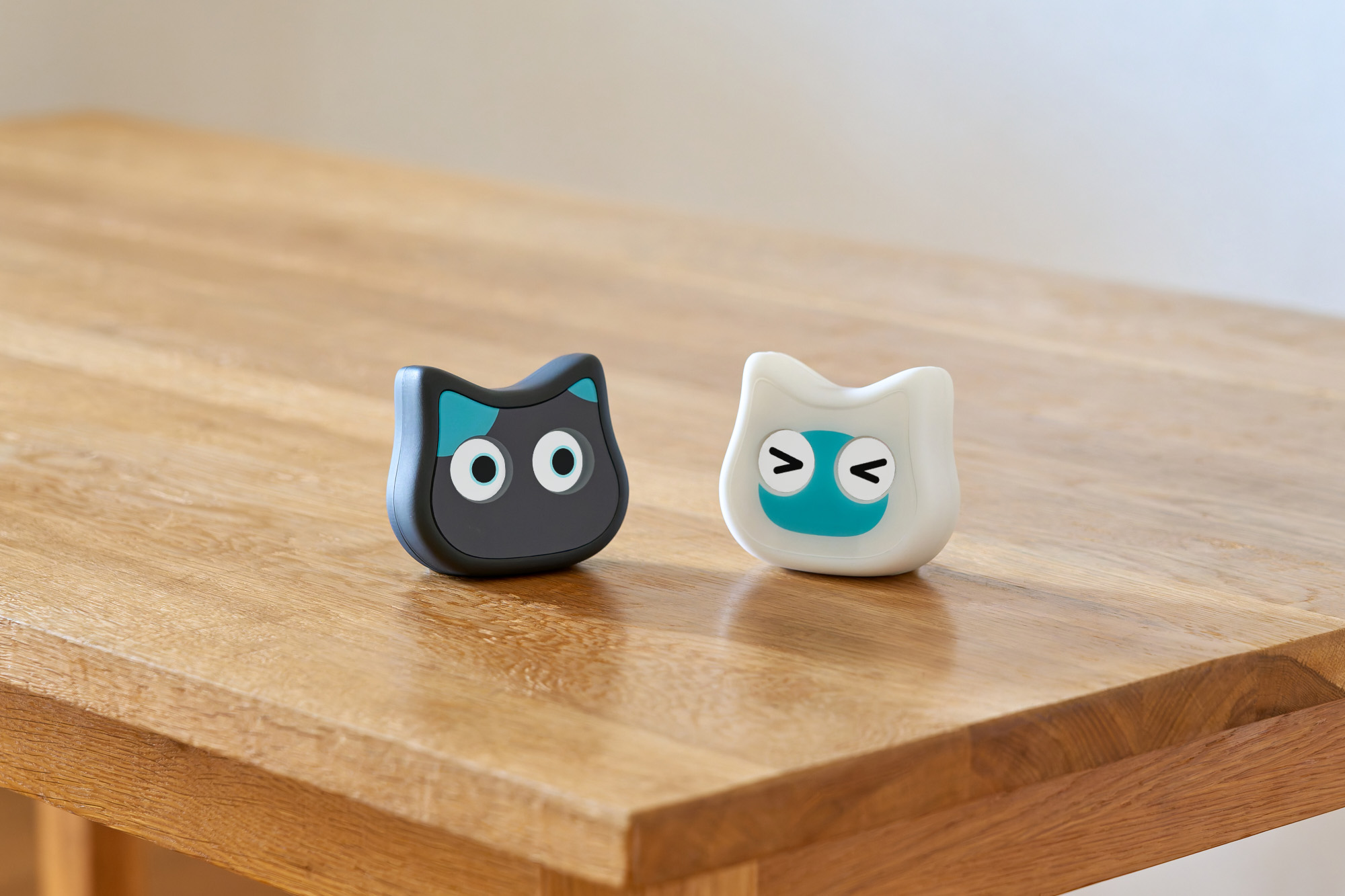
Mia is an AI cat-style pet robot that can speak, show expressions, give weather prompts, and support daily reminders.
- Price: from ¥9,800 in Japan
- Monthly fee: basic functions are free
- Features: 47 Japanese dialects, English character voices, Google Calendar reminders, weather prompts
For summer vacation, Mia can also be fun when children visit grandparents. Hearing a robot speak in a local dialect can become a family conversation starter.
Qoobo
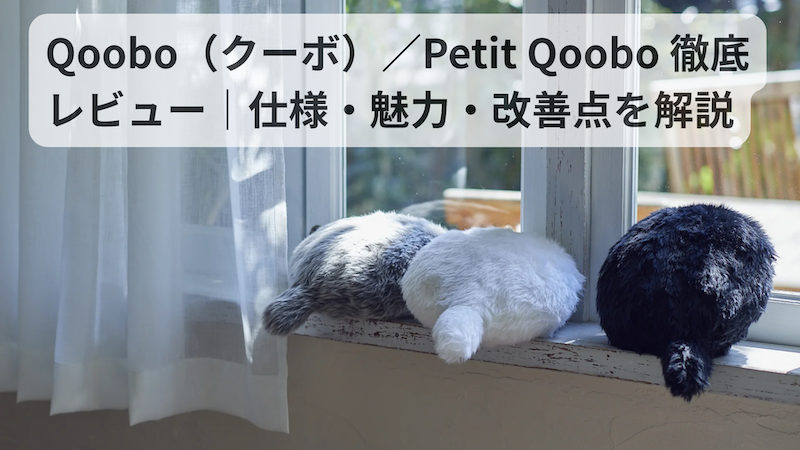
Qoobo is a cushion-style robot with a moving tail. It does not have language conversation, but it can be comforting for younger children who enjoy touching and watching simple reactions.
- Price guide: around ¥17,600 in Japan
- Monthly fee: none
Age-Based Recommendations
Ages 3-5: Keep It Simple
For preschool children, choose something that responds when touched or spoken to. A simple conversation robot or pet-style robot is usually better than a complicated kit.
Ages 6-9: Learn Through Play
This is a good age for card-based programming, simple robot kits, and conversation-based English play. Children in this age range often enjoy choosing characters, testing movement, and repeating simple actions.
Some children prefer cool transforming robots. Others prefer cute or comforting robots. Choose based on the child’s actual interest, not only age.


Ages 10 and Up: Step Into Serious Learning
Older children can handle more serious programming robots such as mBot2 or Codey Rocky. These are better choices if the child wants to use Scratch, Python, or a structured research project.
Budget Guide
Around ¥5,000: Start With Building
An affordable robot kit can be a good first step. It gives children the satisfaction of making something that actually moves.
Around ¥10,000: Good for Gifts
At this range, conversation robots and beginner programming robots become realistic options. Mia is easy to consider as a summer gift because it can be used for conversation, English play, weather, reminders, and daily family routines.
¥20,000 and Up: Better for Long-Term Learning
More serious programming robots cost more, but they can continue to be useful after summer vacation if the child is genuinely interested in coding or engineering.
Common Mistakes
Choosing something too difficult
Start slightly easier than you think. Early success matters.
Forgetting about monthly fees
Check whether conversation, AI, or app features require a paid plan.
Underestimating setup
Some robots need Wi-Fi, app registration, or parent setup. If that sounds difficult, start with a simpler model.
Not recording the research process
If the robot is for a school project, take photos and notes while building and testing it.
Losing small parts
Use small bags or a parts case. This is especially important in homes with younger siblings.
Pre-Purchase Checklist
| Checkpoint | Why It Matters |
|---|---|
| Age fit | A robot that is too hard may be abandoned quickly |
| Small parts | Helps prevent loss and safety issues |
| Tools required | Shows how much adult support is needed |
| App or Wi-Fi setup | Prevents setup frustration |
| Monthly fee | Avoids unexpected costs |
| Research potential | Makes school project writing easier |
| Use after summer | Prevents it from becoming a one-time toy |
FAQ
What age can children start enjoying robots at home?
With parent supervision, simple touch-response or conversation robots can be enjoyable from around ages 3-5. Building and programming robots are usually better from elementary school age and up.
Can a robot be used for a summer research project?
Yes. Good topics include obstacle avoidance, movement changes after programming changes, differences between floor surfaces, and how a conversation robot responds to different phrases.
Which robot is best for children with no programming experience?
For younger children, card-based or block-based programming is easier. Older children who are already interested may enjoy robots that can grow into Scratch or Python.
Is a robot useful for English learning?
It can be useful as an entry point. A robot should not be treated as a full English course, but it can help children hear English sounds and phrases in a playful setting.
Are there robots without monthly fees?
Yes, but it depends on the product. Mia’s basic functions are available without a monthly fee. Always check the latest product details before purchasing.
Conclusion
The best robot for summer vacation depends on what you want the child to do.
- For building and programming: Folo, Apitor, mBot2
- For natural English exposure: Mia with English character voices
- For conversation and comfort: Mia, Qoobo
If the robot is for a research project, choose a theme that can be observed and recorded. If the robot is for everyday indoor play, choose something easy to start and enjoyable enough to use repeatedly.
Mia is a gift-friendly option because it combines conversation, English character voices, dialects, weather prompts, and reminders without requiring a monthly fee for basic use. Pairing a robot kit for “making” with Mia for “talking” can turn summer indoor time into both play and learning.
👀 You may also like:
👉 2026 Guide: AI Pet Robots for Elderly Loneliness – A Comparison of 10 Companion Robots
👉 2026 Edition: 9 Recommended Pet Robots Under $150 – Cheap, Cute, and Healing Models
👉 Monthly and Maintenance Costs of Pet Robots: Moflin, LOVOT, Mia, and More
👉 Mia – Your Chatty AI Cat Companion Robot with 100+ Expressions