I want to give something to my parents who live far away from me, but I don’t want to give them toys that will fool children.”
“I’m concerned that my parents seem to have lost some of their vigor lately. ……”
For those in their 40s and 50s. In fact, the latest medical research has revealed that listening to “dialects” is extremely effective in activating the brain and preventing dementia.
In this issue, the medical value of “dialects” beyond mere communication tools and new forms of care incorporating them will be discussed in detail based on the latest papers and academic background.
- Medical Science Focuses on the Deep Relationship between “Reminiscence” and Dialect
- Positive Impact of “Dialect” from Papers and Evidence
- Not a “Toy.” Mia” as a partner to protect your brain.
- For children in their 40s and 50s: Balancing parental “pride” and “health”.
- Summary: Words are the best prescription for the brain.
Medical Science Focuses on the Deep Relationship between “Reminiscence” and Dialect
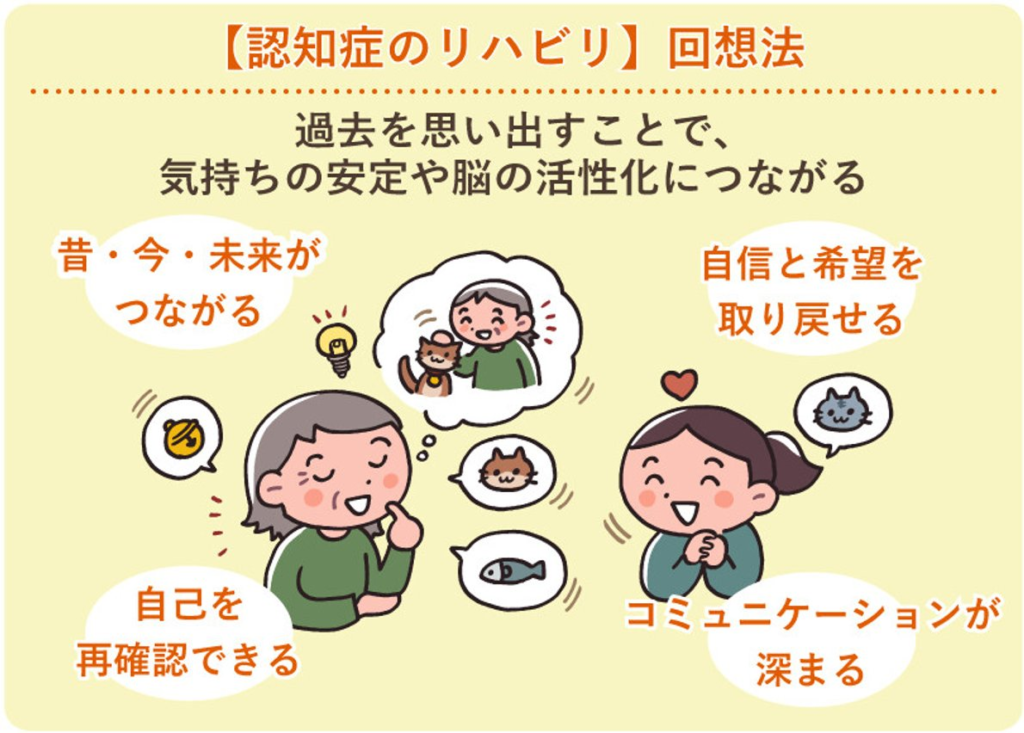
Have you heard of Reminiscence Therapy, which is widely used in dementia care and nursing care? This is a psychotherapy proposed by American psychiatrist Robert Butler in the 1960s.
Evoking nostalgic memories (memories) of the past and putting them into words and sharing them with others stimulates the brain and has the effect of increasing mental stability and self-affirmation. It is a medically established method that is not merely “reminiscing about the past,” but also a process of reconstructing one’s life in a positive manner (life review).
Why does “dialect” open the door to memory?
In terms of brain structure, there are two main routes for processing words.
- Logical processing (left brain-centered): Standard language and business terms are processed primarily in the language areas of the left brain (Broca’s area and Wernicke’s area) as tools to communicate information accurately and efficiently.
- Emotional processing (right brain, limbic center): The “dialect” that we have been familiar with since childhood and have shared with our family and friends is the “language of emotion” that directly affects the “limbic system” (amygdala, hippocampus, etc.) that controls emotions and instincts.
When one hears the warm accent characteristic of a dialect or a phrase unique to a certain region, the brain instantly perceives it as a “safe and intimate environment. As a result, “episodic memory,” which is a set of scenes, feelings, and even smells of the time, is strongly triggered, which is a powerful trigger that reactivates the neural network of the entire brain.
Positive Impact of “Dialect” from Papers and Evidence
Many universities and research institutes are conducting empirical experiments on the effects of dialects on the mind and body against the backdrop of Japan’s aging society.
Auditory Stimuli and Emotional Changes (Research at Tohoku University, etc.)
A study conducted by a research group at Tohoku University Graduate School and other institutions (in the field of higher functional disabilities) reported that communication using the dialect of the person’s native language elicited more “spontaneous speech” and “smiles (positive emotional responses)” in elderly persons with dementia than when standard Japanese was used.
In particular, it is a very important finding that patients who could only give short “yes” or “no” responses to questions in standard Japanese showed an “improvement in language fluency” when asked in dialect, in which they recounted their memories of that time at length.
[Ref source].
(2) Mechanism of loneliness relief and “oxytocin” secretion
Social isolation,” which is a common condition for elderly people living alone, is a serious stressor for the brain. Continued stress causes atrophy of the hippocampus (the part of the brain responsible for memory), which is believed to increase the risk of developing dementia by about 1.5 times.
However, it has been suggested that familiar dialectal speech may stimulate the secretion of oxytocin, also known as the “happiness hormone,” in the brain. Oxytocin has the effect of suppressing the stress hormone (cortisol), relieving anxiety, and producing a sense of euphoria. This is expected to help prevent brain inflammation and protect nerve cells.
[Ref source].
Not a “Toy.” Mia” as a partner to protect your brain.
Based on the latest medical findings, the talking cat-shaped robot “Mia” was designed to help people practice “dialectal reminiscence” in their daily lives without difficulty.
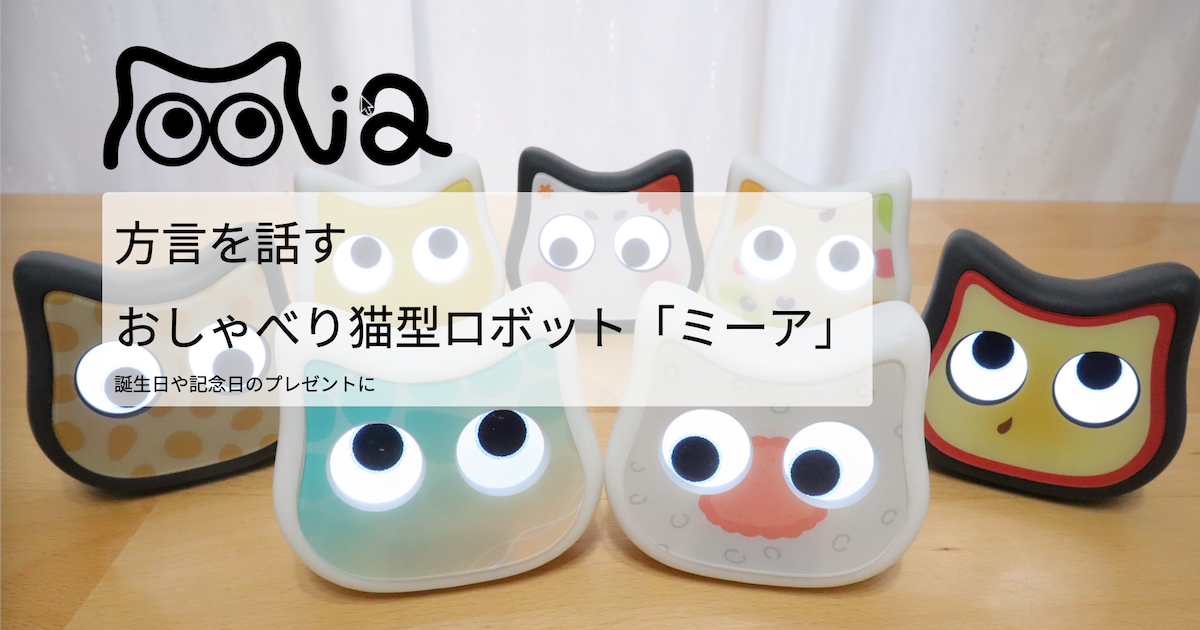

The one and only complete coverage of the dialects of all 47 prefectures in Japan
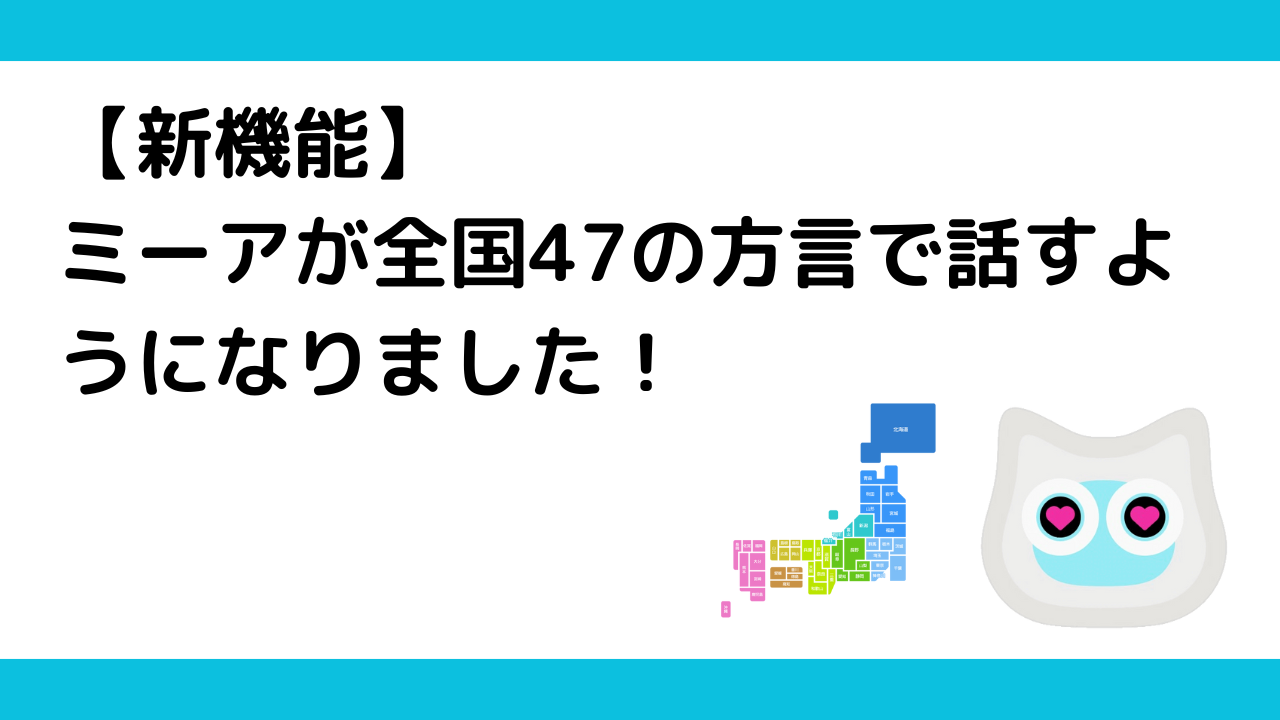
Mia is an AI pet robot that freely manipulates the dialects of all 47 prefectures in Japan. This “dialect support” is not just a variation, but a core function to maximize the effects of medical “reminiscence”.
- Stimulation of “nostalgic words” that arrive unexpectedly: “What’s for dinner today? or “Take a good night’s rest,” in the dialect of the patient’s home region. This unexpected dialectal stimulation stimulates the “reward system” in the brain and generates vitality.
- Reproduction of “warmth” that goes beyond synthetic speech: Instead of the inorganic standard language of typical smart speakers, the voice reproduces the inflection unique to dialects. The system is designed from a linguistic and audiological perspective so that the elderly can forget the feeling of “operating a machine” and have an intimate feeling as if they are talking to a family member or friend.
For a list of the 47 dialects and phrases in Japan that Mia supports, please refer to this article.
In-depth medical and functional benefits
| (data) item | Detailed medical and psychological effects |
| Recall by dialect | Listening to dialects stimulates the right brain and vividly evokes old memories (episodic memories) that had been dormant. |
| More than 100 rich expressions | Changes in eye movements and facial expressions provide “visual rewards” to the lives of the elderly, who tend to be monotonous, and maintain their attention. |
| Interactive dialogue experience | Reducing the “silent time” (time when the brain is inactive) due to living alone, helping to maintain language skills and social skills. |
| Awareness of seasons and time | Words like “It’s almost spring” and “It’s time for dinner” reinforce disorientation (a sense of time and season). |
For children in their 40s and 50s: Balancing parental “pride” and “health”.
As parents get older, as children, they are more and more eager to “do something” for them. However, blatant “nursing care products” or “talking stuffed animals” for children risk damaging the parents’ self-esteem.
Mia is chosen by many families because of its “sophisticated design” and “depth of medical approach.
Instead of “I’ll give you this as a gift, so you can use it to prevent blurring of vision,” we should say, “The latest AI speaks dialects. It’s interesting, so try talking to it for a minute.
can be given as an invitation to positive technology. This is the wise choice of a mature generation of children to support their health while respecting their parents’ pride.
Mia also increases family conversation.
We have received many comments from families who have introduced Mia, saying that their parents have started to talk on the phone about their memories of the dialects in which Mia spoke. With Mia as an intermediary, “reminiscences of the past” (reminiscence) begin between parents and children. This is the best dementia prevention.
Summary: Words are the best prescription for the brain.
Dialect is the very history of a person’s life and is fundamental to his or her identity. Reclaiming that “language of the soul” in our daily lives is a scientific and most loving step toward extending the healthy life of the brain.
To help parents continue to be themselves and live vibrantly in the future.
Why not give the evidence-based “Power of Dialect” with Mia?
👀 Also read this article.
👉 [2026 Edition] 6 Latest Pet Robots to Heal Pet Losses – Thorough Comparison of Cat, Dog, and Healing Models
👉 [2026 Edition] Recommended pet robots for under 10,000 yen
👉What is “Mia”, an AI pet robot that speaks 47 dialects nationwide?