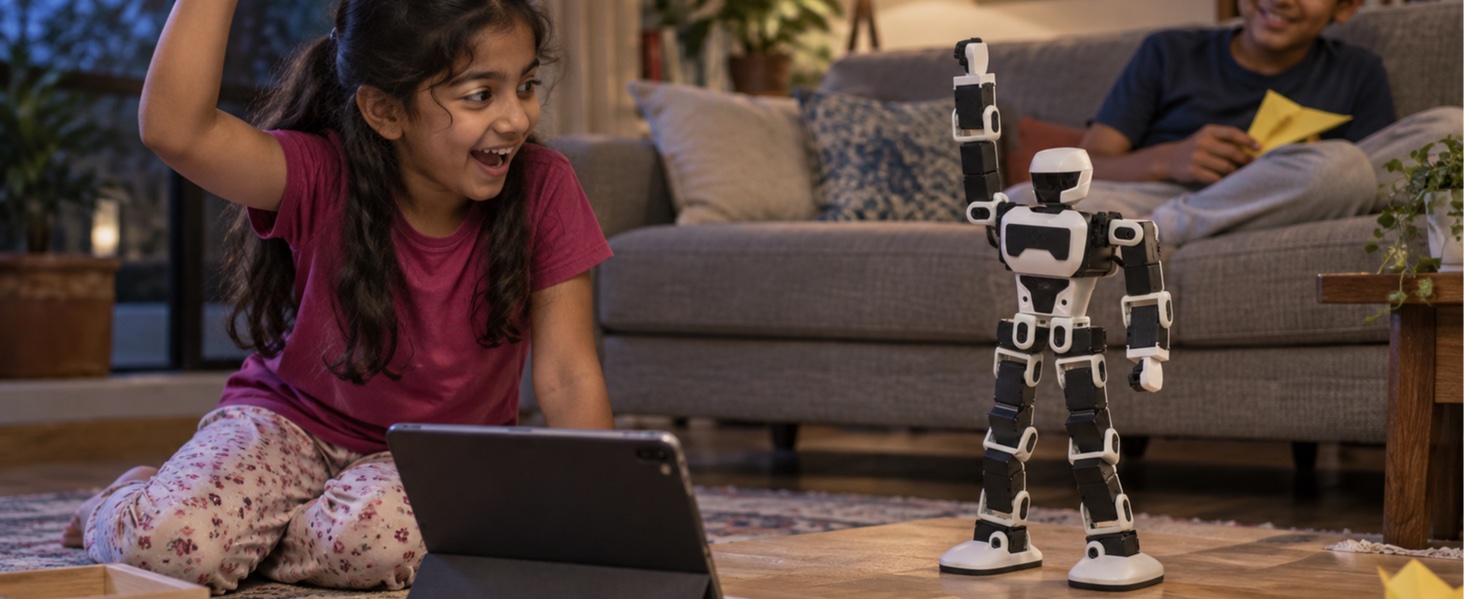
What Is FF Nova Mini?
FF Nova Mini is a small bipedal humanoid robot for children, announced in October 2026 by Faraday Future (FF) and its affiliate FF EAI Robotics Ecosystem (FFR).
It costs $299. It walks on two legs, turns, gets back up on its own after a fall, and can do a forward roll or a dance. CNET Japan covered it under the headline "A bipedal robot that lets kids learn Physical AI goes on sale in the U.S. for about 50,000 yen."
Physical AI refers to AI that perceives the real world and acts through a physical body such as a robot. FF Nova Mini is positioned as an entry-level teaching tool: instead of learning about AI on a screen, kids learn by watching a robot move in front of them.
Faraday Future is a Los Angeles-based company best known for its FF 91 luxury EV. In 2026 it has been pushing into embodied AI (EAI) robotics, and FF Nova Mini launched alongside the $2,490 developer-focused FF Nova humanoid as the first products of that effort.
Key Points
At a glance
- Bipedal humanoid robot for ages 8 and up from Faraday Future and FFR
- Price: $299 (about 47,840 yen at 160 yen per dollar)
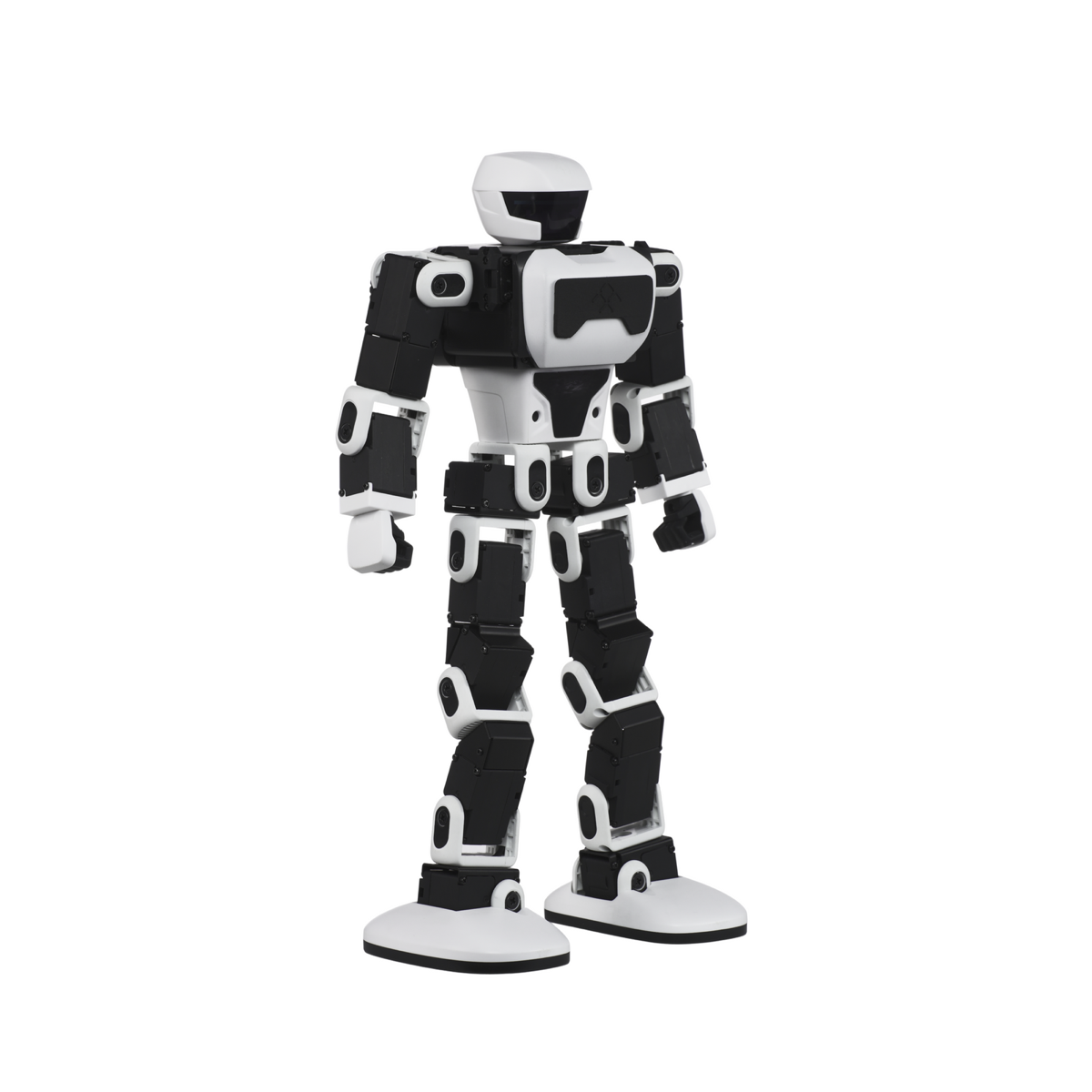
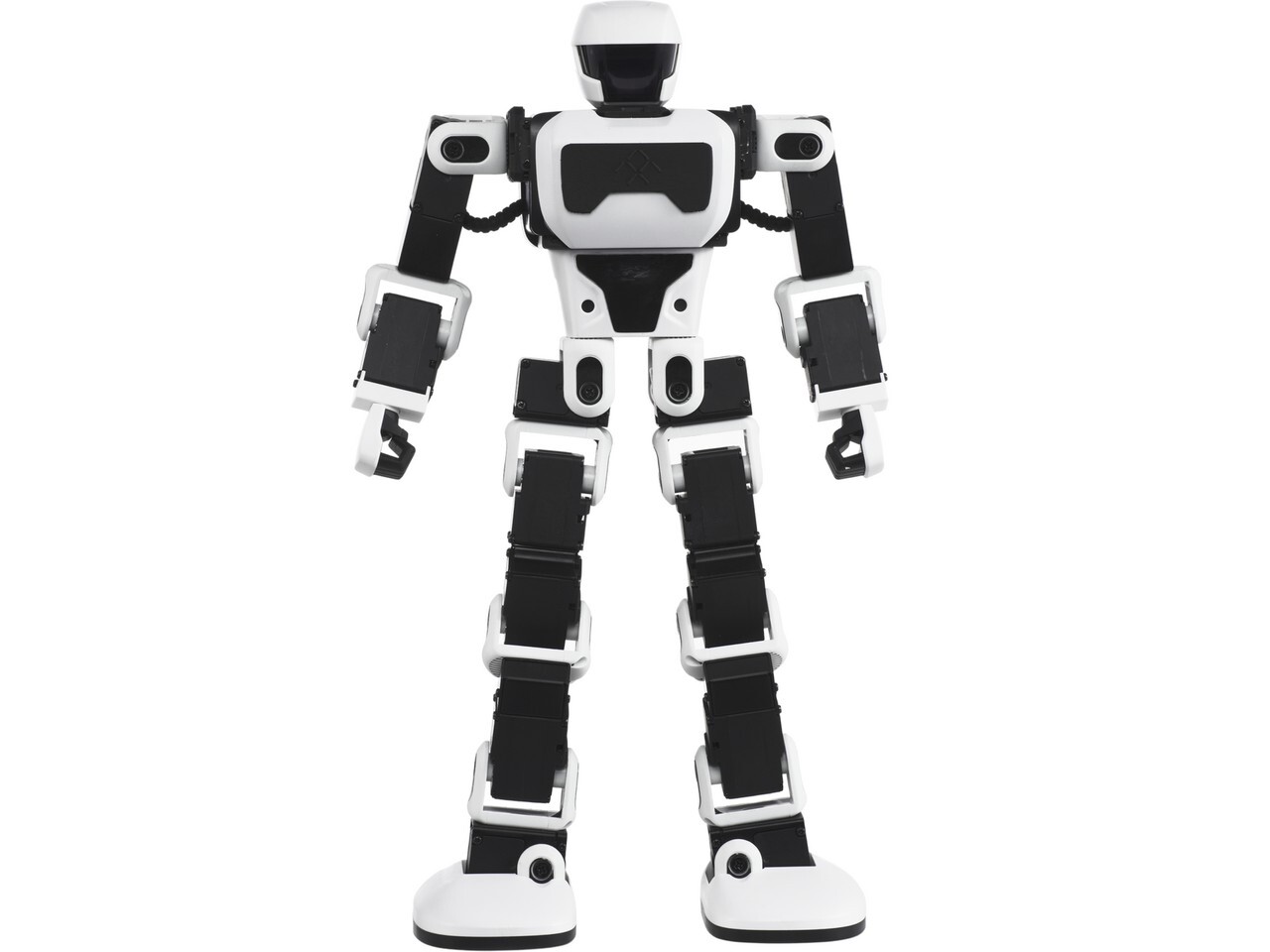
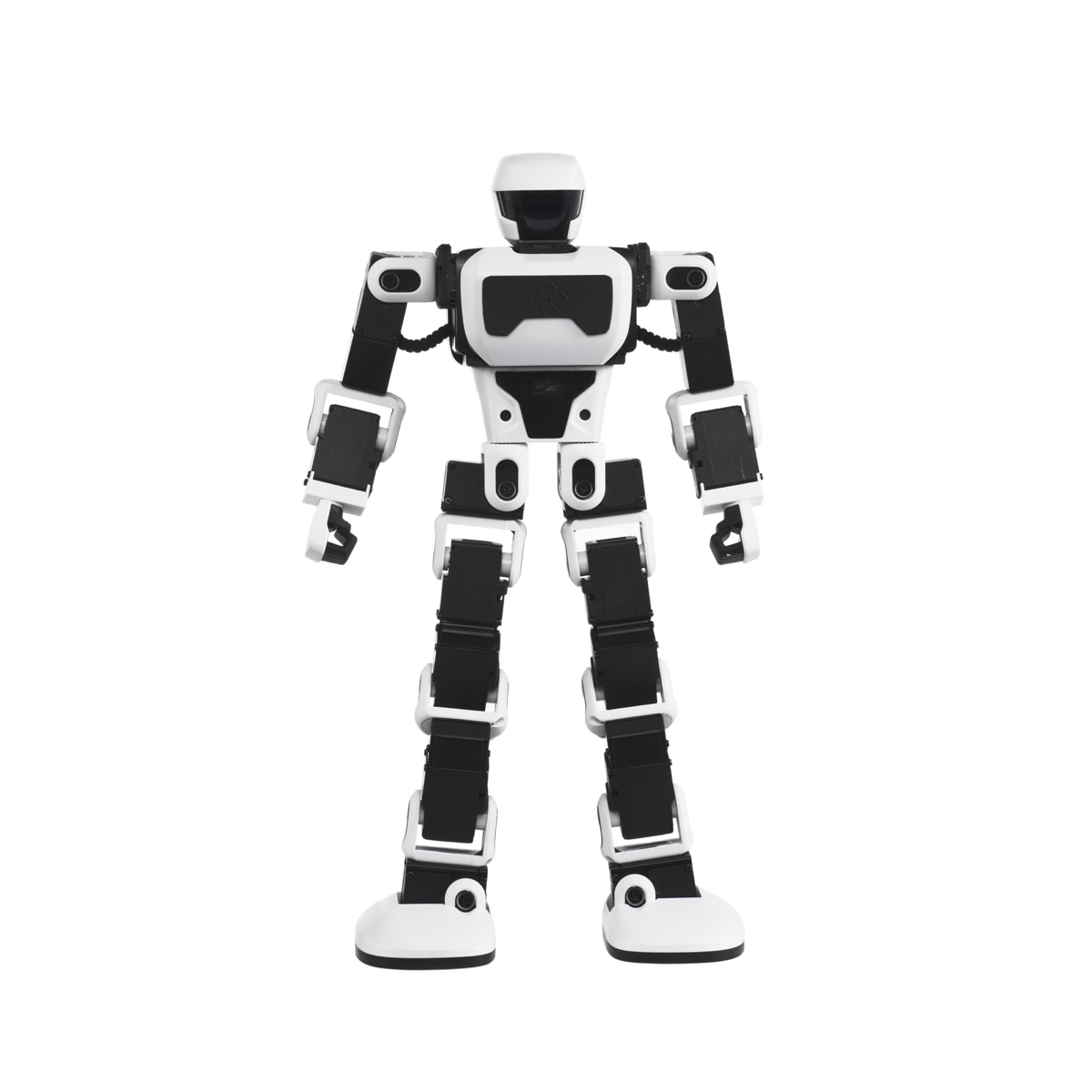
- 34.9 cm tall, 0.94 kg, aluminum-alloy frame
- 17 servos across the head, arms, and legs
- Walks, turns, stands up on its own, keeps dynamic balance, and does a forward roll
- More than 50 preloaded moves and dances
- Voice commands, block-based programming in an app, and teach-by-hand motion recording and playback
- Optional "Physical AI Spark Program" course: $499 for 16 live classes over two months
- On sale in the U.S.; no Japan launch or Japanese-language support has been announced
Strengths
- Real bipedal walking for under $300
- A designed learning path: voice commands, then teaching moves by hand, then block programming, then AI and motion-control concepts
- Ships as a finished robot that can demo right out of the box, with no assembly
- An instructor-led online course is available
Concerns
- No announced sales, radio certification (Giteki), or Japanese support for Japan
- The course is in English over Zoom and costs $499 on top of the robot
- Runtime is about 50 minutes per charge
- No full developer SDK, so it is not built for deep hacking
- Amazon.com does not ship it to Japan (checked October 20, 2026)
- No owner reviews yet on Amazon or the official store
- The robotics business is mid-way through an inter-company acquisition, so long-term support is still to be seen
Who it may suit
- Families in the U.S., or those comfortable importing from the U.S.
- Parents who want an approachable first step into programming and robotics for their kids
- Anyone curious about bipedal robot motion itself
Quick Verdict
FF Nova Mini is a well-thought-out "first biped robot" for kids.
For $299, a 17-servo humanoid walks, recovers from falls, and dances. Kids can give it voice commands, teach it moves by hand, and build behaviors from blocks. That step-by-step design makes it an appealing educational robot.
As of October 2026, though, there is no Japan sales information and the course is English-only. For families in Japan it is less an immediate buy and more a sign that Physical AI education has reached consumer price points.
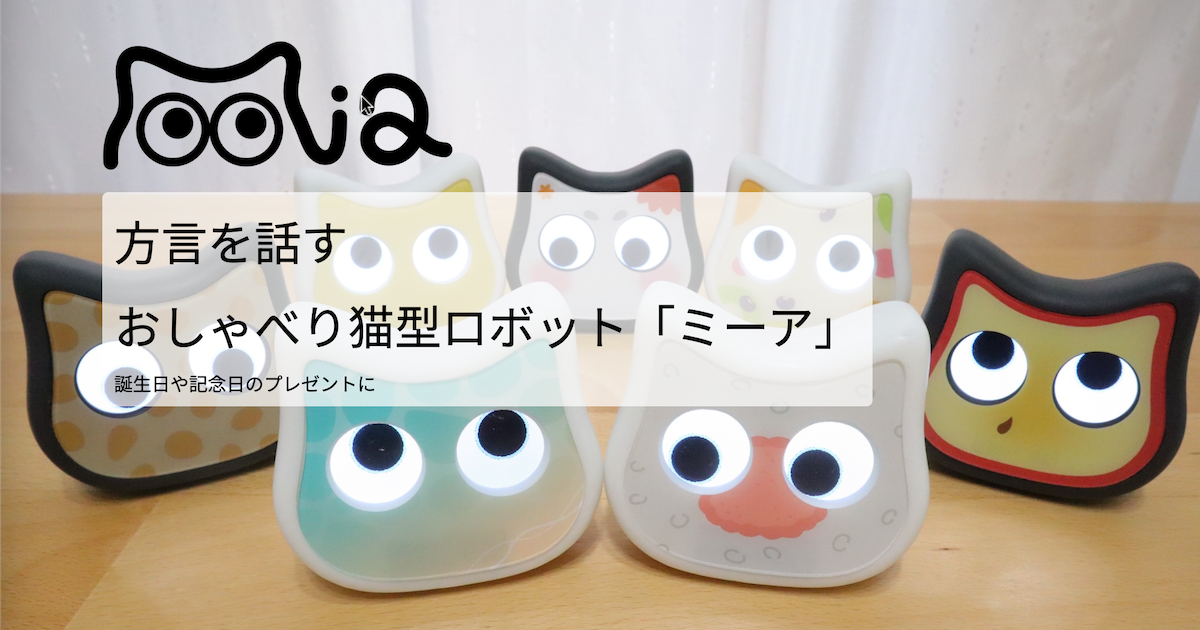
If what you want is a conversation partner for a child or daily check-ins for family, a talking robot is a better fit than a walking one. Mia, a talking cat robot that speaks all 47 Japanese prefectural dialects, starts at 9,800 yen including tax and is available in Japan.
Price and Where to Buy
Price
| Item | Price | Yen estimate (160 yen/USD) |
|---|---|---|
| FF Nova Mini robot | $299 | about 47,840 yen |
| Physical AI Spark Program (course) | $499 | about 79,840 yen |
| Robot + course | $798 | about 127,680 yen |
| Reference: FF Nova (developer model) | $2,490 | about 398,400 yen |
The "about 50,000 yen" in CNET Japan's headline is a conversion of the $299 robot price. The course is not included.
According to the official press release, course buyers receive a cash voucher toward the robot, but the amount and terms follow FF's official sales policy and have not been published.
Where to buy
The press release lists these channels:
- FF.com
- FF Mall (shop.ff.com)
- FF's official Amazon store (U.S.)
- FF's direct sales team and partners for schools, universities, and businesses

Amazon.com has two listings: the robot alone ("FF Nova Mini") and a course bundle ("FF Nova Mini Programmable Humanoid Robot for Kids, Educational Coding Robot with Live Online Robotics Course").
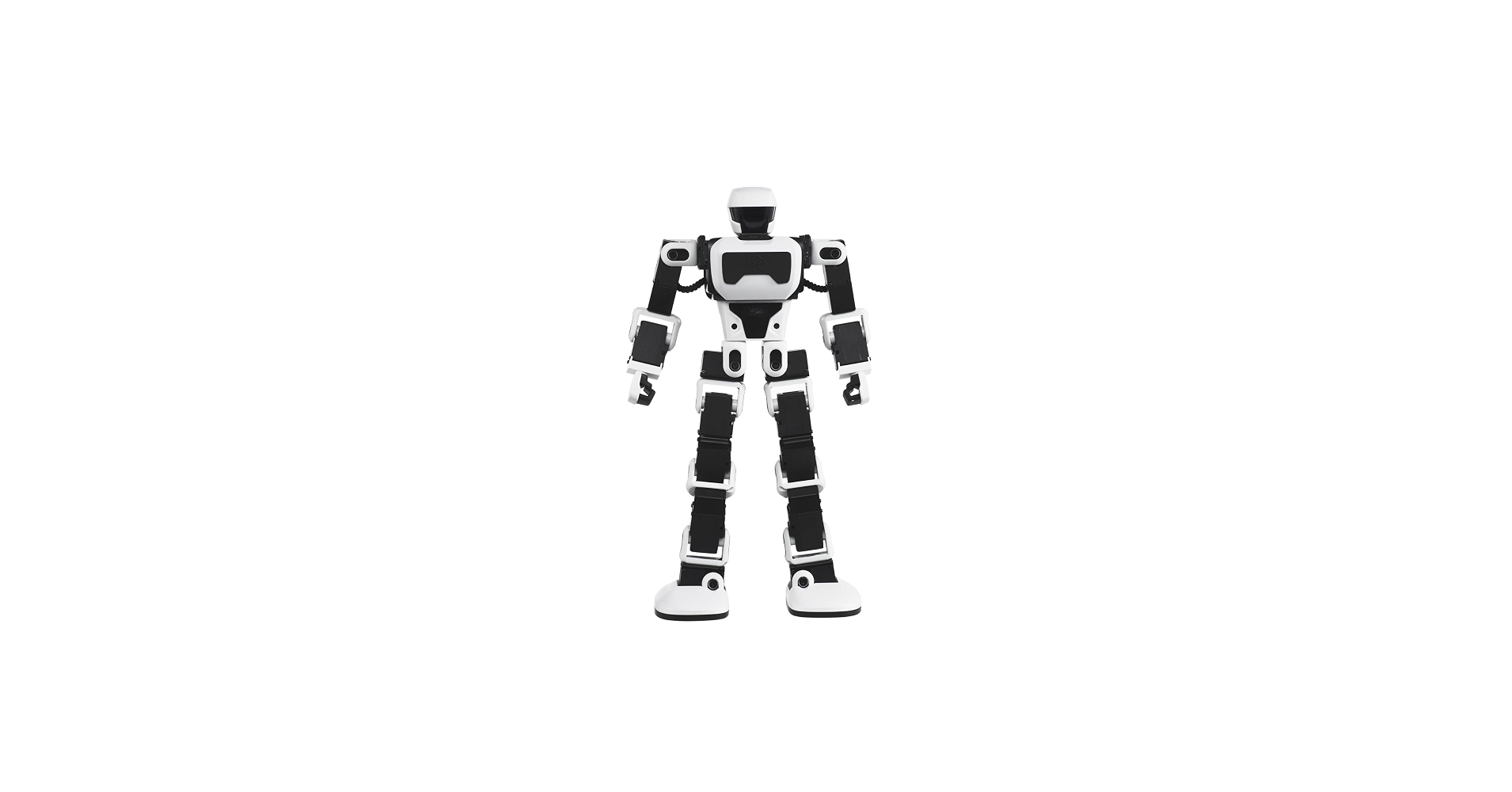


When we checked on October 20, 2026 with a Japanese delivery address, both listings said "This item cannot be shipped to your selected delivery location." The official store's shipping policy also mentions nothing about Japan. Buyers in Japan would likely need a package-forwarding service.
Specifications
| Item | Details |
|---|---|
| Form | Bipedal humanoid |
| Size (H × W × D) | 349 × 176 × 99 mm |
| Weight | 0.94 kg |
| Frame | Aluminum alloy |
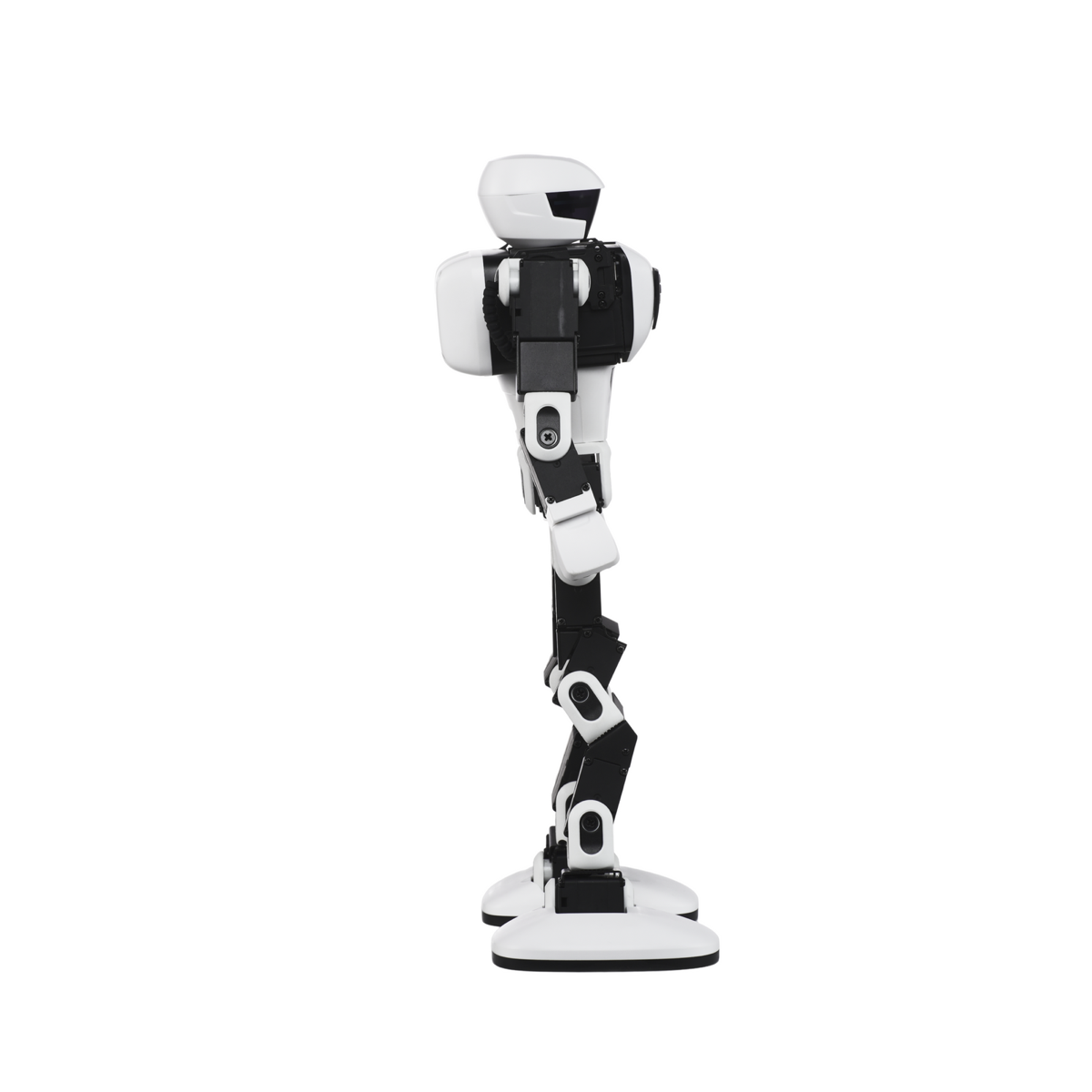
| Servos | 17 (1 head, 3 per arm, 5 per leg) |
| Core movement | Walking, turning, self-righting, dynamic balance, forward roll |
| Preloaded moves | 50+ including dances |
| Voice control | 40+ preset commands (reported), plus custom commands |
| Programming | Visual blocks in the app, teach-by-hand pose recording, AI coding tutor |
| Battery | 2000 mAh lithium pack, about 50 minutes of continuous use |
| Charging | DC charging (adapter output DC 8.4V 2A) |
| Connectivity | Bluetooth BLE 4.2 |
| Ports | DC charging port, USB data port |
| In the box | 1 robot, 1 power adapter |
| Age | 8+ |
| Intended use | Home, K-12 classrooms, after-school programs, robotics clubs and competitions |
| Developer SDK | No full SDK published |
| Warranty | Optional extended warranty (terms not listed) |
Size, connectivity, and box contents come from the FF official store product page, which also lists the servo layout as head 1, arms 3×2, legs 5×2. Five servos per leg is what lets the robot keep its balance while walking on two feet.
The robot-only Amazon listing says "approx. 1 h of use," while the official store says about 50 minutes. This article uses the official store figure.
The official FAQ says children should use Nova Mini with an adult present.
What FF Nova Mini Can Do
Walk on two legs and get back up
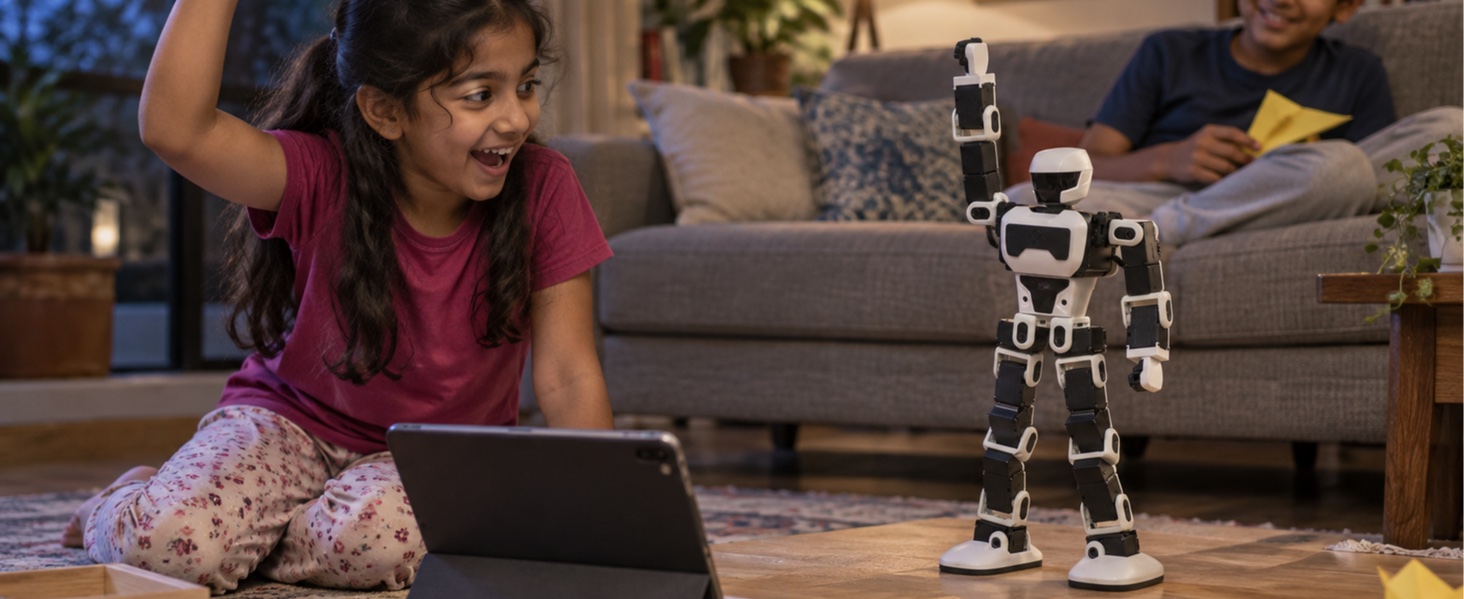
Bipedal walking is the headline feature.
Unlike four-legged robot dogs or wheeled robots, a biped has to balance constantly or it falls over. Weight shifting, foot placement, and posture correction, the hard parts of "AI that moves a body," show up directly in how the robot walks.
Self-righting matters for a kids' robot too. If an adult does not have to pick it up after every fall, kids can keep experimenting on their own.
Respond to voice commands
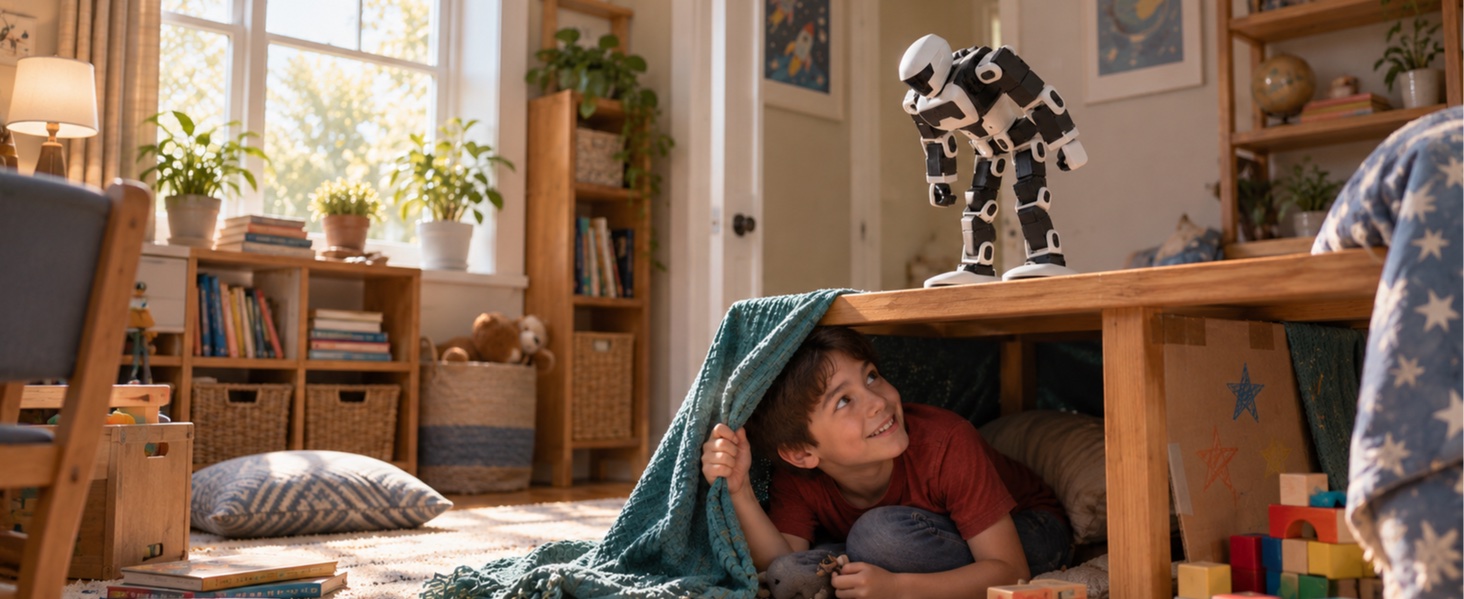
FF Nova Mini responds to preset voice commands, and users can define their own.
The course also starts with voice commands, so kids experience "I say something and the robot moves" before any programming.
This is command-style control such as "walk" or "dance," not open-ended conversation. It is a different kind of product from a chatty companion robot.
Teach moves by hand
You can pose the robot's arms and legs by hand, record the motion, and play it back.
Without writing code, kids learn that motion can be stored as data and that a robot can be taught. It works much like Petoi Quaddle's Learn & Replay as a pre-coding entry point.
Build behaviors with blocks
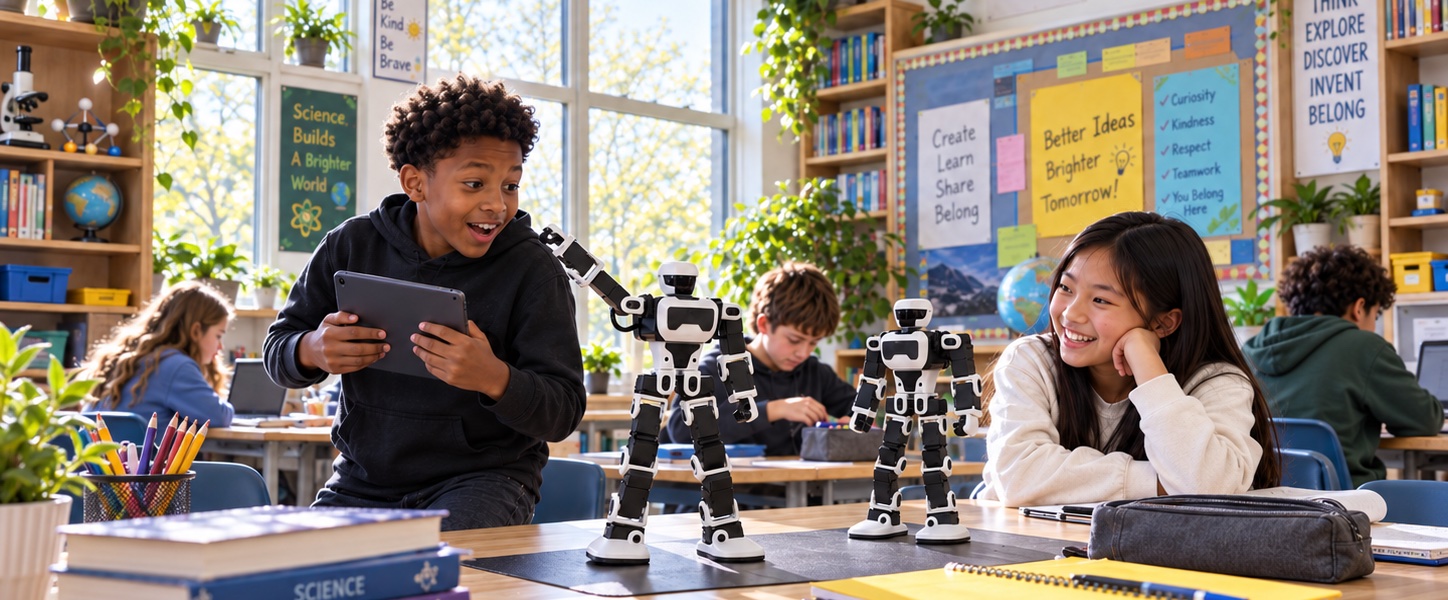
In the app, kids snap command blocks together to program movements. From there they can choreograph original dances or work through obstacle-course challenges.
The press release describes the learning path as voice commands, then teaching movements, then block-based programming, then AI and motion-control concepts.
The Physical AI Spark Program
FF sells a separate course, the Physical AI Spark Program (officially the Nova Mini Physical AI Foundations Curriculum and Skills).
| Item | Details |
|---|---|
| Price | $499 (robot not included) |
| Length | Two months (eight weeks) |
| Classes | 16 live sessions on Zoom |
| Group size | 6 to 10 kids |
| Prerequisites | No coding experience needed |
| Final project | Performing an original robot dance |
Each class teaches the robot one new skill, and each assignment adds to the child's own Physical AI portfolio. The course ends with kids presenting a dance they created for the robot.
The Amazon course-bundle listing says classes total two hours per week, each child works with their own Nova Mini, and kids progress from powering on the robot to programming a complete gymnastics routine. Classes open with 6 students and cap at 10.
For schools, FF says it also provides lesson plans, experiment manuals, classroom kits, and teacher training.
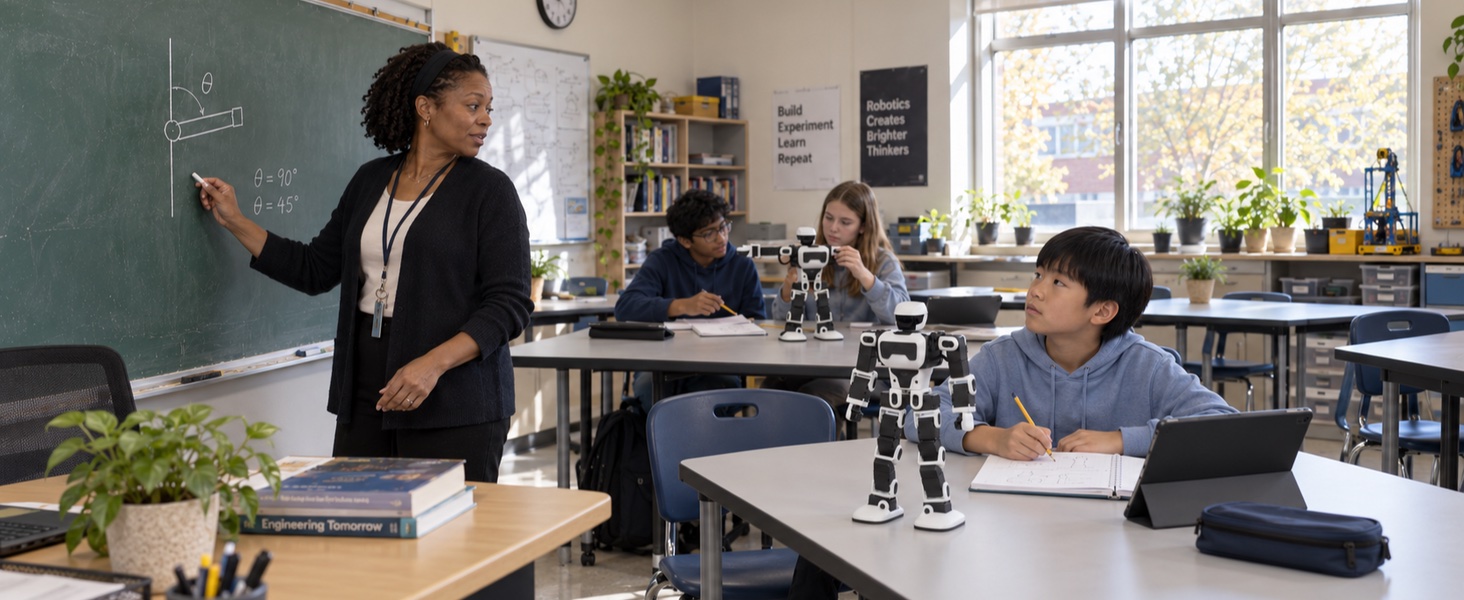
For families in Japan, the hurdles are that classes are in English and will likely be scheduled for U.S. time zones. For a child who can treat it as English practice too, it could be a fun opportunity. Otherwise, buying only the robot means learning from the app and official materials.
Reviews and Reputation
As of October 20, 2026, we could not find any owner reviews of FF Nova Mini.
- Amazon.com: The course-bundle listing shows "There are 0 customer reviews," with no star rating. The robot-only listing has no ratings either.
- FF official store: The product page has no review section or rating.
- Media: Coverage from TechRepublic, The Next Web, Unite.AI, and others summarizes the announcement. We found no hands-on testing.
- Reddit and YouTube: We found no posts or unboxing videos about FF Nova Mini.
The robot has only been on sale for a few days, so real-world walking stability, durability after falls, voice-command accuracy, and app usability are still unknown. Waiting for Amazon reviews or unboxing videos is a reasonable option.
We will update this article once owner reviews appear.
How It Differs from FF Nova
FF Nova, announced at the same time, is a humanoid robot for developers and research institutions.
| Item | FF Nova Mini | FF Nova |
|---|---|---|
| Price | $299 | $2,490 (plus $390 Developer Skills Package) |
| Audience | Kids 8+, homes and schools | Developers, educators, researchers |
| Actuation | 17 servos | 20 degrees of freedom |
| Sensors | Limited public detail | LiDAR, wide-angle vision, depth sensing, circular mic array |
| AI | Voice commands, block programming | Large voice AI model, voiceprint recognition, AI agent integration |
| Dev tools | No full SDK | Open SDK, ROS 2, Sim2Real reinforcement learning |
| Availability | On sale | Phase one limited to 100 invitation-only units |
FF Nova is a serious development platform for reinforcement-learning motion work and AI agent integration. FF Nova Mini strips that down to a robot focused on kids learning by moving it.
Compared with Other Biped and Learning Robots
| Product | Form | Price guide | Best for |
|---|---|---|---|
| FF Nova Mini | Bipedal humanoid | $299 | Kids' Physical AI intro, ready-to-use |
| Microduck | Biped (duck-shaped) | $399 | Developer-leaning: RL and sim-to-real |
| Petoi Quaddle | Quadruped robot dog | From $99 (Kickstarter) | Building, modding, Python/ROS learning |
| Otto DIY | Biped (3D-printed) | Depends on kit | Learning from DIY electronics |
| RoBoHoN | Biped robot phone | Sold in Japan | Japanese conversation and phone features |
| Mia | Cat-shaped (does not move around) | From 9,800 yen incl. tax | Japanese and dialect conversation, daily check-ins |
FF Nova Mini's niche is "a finished biped that moves right away and comes with a course." It is less demanding than developer-oriented Microduck and does not require building from scratch like Otto DIY.
The trade-off is the missing SDK. Teens and makers who want to dig deep may find it limiting.
Before You Buy
Check Japan availability and radio certification
As of October 2026, no Japan launch has been announced. Products that use wireless connections must carry Japan's Giteki certification to be used legally in Japan. Check certification status before importing.
Japanese support is unlikely for now
There is no information on Japanese-language voice commands, app, or course. Consider whether your child can use English voice commands, and whether a parent can read English documentation.
About 50 minutes per charge
The official store lists a 2000 mAh battery and roughly 50 minutes of continuous use. Bipedal walking is power-hungry, so plan around play-and-charge cycles. Classrooms will need to think about unit counts and spare batteries.
Company and long-term support
The press release says FFR is in the process of acquiring Faraday Future's robotics business. Faraday Future has also faced well-reported struggles with production and funding on the EV side. How long app updates, spare parts, and warranty support will last is worth watching after launch.
Not a pet or a conversation partner
FF Nova Mini is not an attachment-building pet robot or a robot that chats with you. Its core purpose is learning by making it move.
FF Nova Mini vs. Mia
Both are robots that kids and families interact with, but their goals are completely different.
| Item | FF Nova Mini | Mia |
|---|---|---|
| Form | Bipedal humanoid | Compact cat shape |
| Main purpose | Learning Physical AI and robotics | Conversation, dialects, daily check-ins |
| Key features | 17 servos, biped walking, block programming | All 47 Japanese dialects, facial expressions, voice conversation, Google Calendar integration, weather info, 15 English characters |
| Conversation | Mainly voice commands | Voice conversation in Japanese and dialects |
| Movement | Walks, stands up, dances | Expressions and blinking (does not move around) |
| Buying in Japan | Not announced (U.S. sales) | Available |
| Price | $299 (about 47,840 yen) + $499 course | From 9,800 yen incl. tax |
| Best for | Kids who want to learn how robots work | Families and older adults who want everyday conversation |
Choose FF Nova Mini to build, move, and learn. Choose Mia to talk every day and enjoy dialects or chats with its English characters.
Mia's 15 English characters can also give kids a playful way to get used to hearing English, a different route into life with a robot than a programming kit like FF Nova Mini.
👇 Mia, the talking cat robot that speaks all 47 Japanese dialects
Summary
FF Nova Mini packages a $299 humanoid that walks, self-rights, and dances into a teaching tool for kids.
Its learning path, from voice commands to hand-taught moves to block programming, plus a 16-class instructor-led course, makes it a carefully designed educational robot.
On the other hand, Japan sales, certification, and Japanese support are unannounced, and Amazon.com does not ship it to Japan. The course is in English, runtime is about 50 minutes, there are no owner reviews yet, and the company's robotics business is being restructured. Buyers in Japan can reasonably wait for a domestic launch or hands-on reviews.
It is a robot worth watching as a sign that Physical AI is moving from research labs into kids' rooms.
👀 You may also like:
👉 2026 Guide: AI Pet Robots for Elderly Loneliness – A Comparison of 10 Companion Robots
👉 2026 Edition: 9 Recommended Pet Robots Under $150 – Cheap, Cute, and Healing Models
👉 Monthly and Maintenance Costs of Pet Robots: Moflin, LOVOT, Mia, and More
👉 Mia – Your Chatty AI Cat Companion Robot with 100+ Expressions