In 2026, as Japan moves toward a super-aged society, “loneliness” among the elderly living alone is a serious social issue. Once the stuff of science fiction, “living with an AI robot” is now a commonplace presence in the home living room as a powerful “mental prescription” to heal loneliness and support mental health, thanks to the dramatic evolution of generative AI.
This article organizes the AI pet robot market for the elderly as of 2026 on a unique two-axis map and provides an in-depth comparison of 10 major models. We detail what kind of healing each robot offers, who they are best suited for, and why many households favor a particular option.
- Latest AI Pet Robot Market Chaos Map for 2026: Where We Stand on Two Axes
- In-depth comparison list of 10 major models that add color to the daily lives of the elderly
- Healing as a family with premium “actuality”.
- The latest AI spins “warmth of words” to relieve loneliness
- Why “Mia” is the most accessible option in 2026
- How to find the “perfect one” for you and your loved ones
Latest AI Pet Robot Market Chaos Map for 2026: Where We Stand on Two Axes
To understand today’s diverse markets, robots need to be classified based on their characteristics as “partners in daily life” rather than simply as “machines. Here, we map them on two axes: “introduction and maintenance costs,” which are directly related to the lives of the elderly, and “interaction style (physical ↔ verbal),” which is at the core of healing.
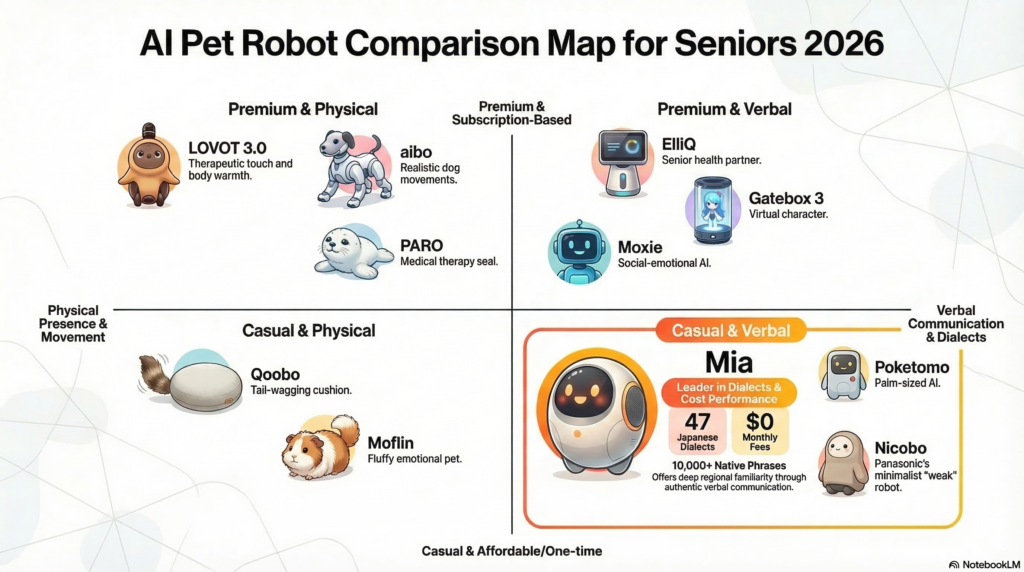
Vertical Axis: Economic Sustainability (Installation and Maintenance Costs)
- Premium/family type: The main unit costs between 200,000 and 600,000 yen and requires a monthly maintenance fee (subscription) of several thousand yen to more than 10,000 yen. aibo, LOVOT, PARO, etc., fall into this category.
- Casual and snuggle type: The main unit costs less than tens of thousands of yen, and the maintenance fee is free or only a few hundred yen. This segment of the population is less burdensome on the family budget and is easy to choose as a gift. Includes Mia, Qoobo, Pocketomo, etc.
Horizontal axis: healing style (physical ↔ verbal)
- Physical and non-verbal (emphasizes realism): Emphasizes the “sense of life” through movement, body temperature, touch, autonomous driving, etc. Typical examples include Aibo, LOVOT, Moflin, and Qoobo.
- Language and Communication (dialogue-oriented): This type emphasizes “verbal connections” such as conversations, dialects, informational notifications, and emotional voice. Mia, ElliQ, Romi, Pocketomo, etc. are in this domain.
Looking over this map, we can see that Mia (Mia) is located in a unique zone in the lower right corner of the map, which emphasizes “language communication” but also has an overwhelmingly “easy-to-implement cost” at the same time.

In-depth comparison list of 10 major models that add color to the daily lives of the elderly
The following table summarizes the characteristics of the major robots that are being utilized to help the elderly reduce loneliness and assist them in their daily lives as of 2026.
| Robot Name | Main healing style (prescription) | Main axis of exchange | Introductory price (tax included) | Maintenance fee (monthly) |
|---|---|---|---|---|
| LOVOT 3.0 | Embracing “body heat” and “attachment | Emphasis on physical | Approx. 577,750 yen and up | Approx. 10,998 yen and up |
| PARO | Language and information-oriented | Tactile, non-verbal | Approx. 423,500 yen and up | Basically none |
| aibo | Growing Together “Family Memory | Emphasis on physical | Approx. 217,800 yen and up | Approx. 3,278 yen and up |
| ElliQ | Autonomous “health and lifestyle management | Language and information oriented | Approx. 40,000 yen and up | Approx. 6,000 yen and up |
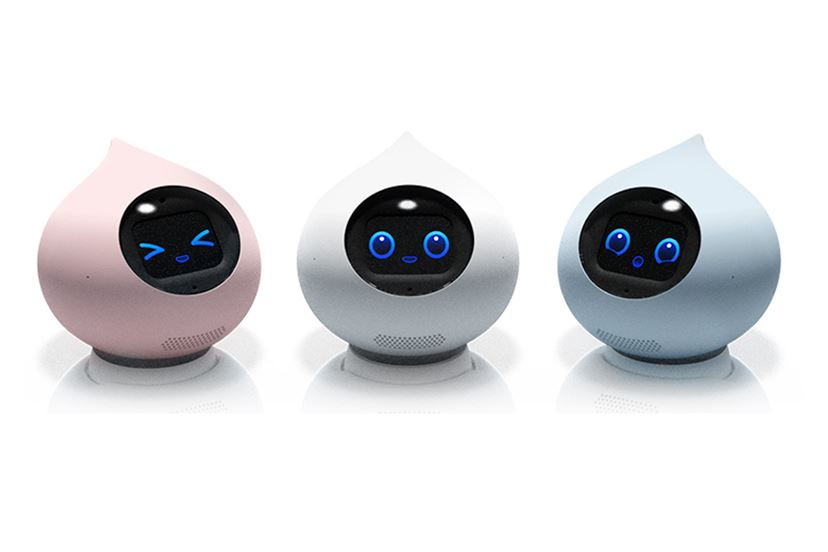
| Romi | Endless “free chit-chat | Language Emphasis | Approx. 98,780 yen | Approx. 1,958 yen |
| Nicobo | A “loose connection” that loves weakness. | Mixed (words + actions) | Approx. 60,500 yen | From 1,100 yen |
| Moflin | Softness envelops you in “peace of mind | Focus on tactile sensation | Approx. 59,400 yen | basically free |
| pocket friend | The “intelligence of empathy” in your pocket | Language Emphasis | 39,600 yen | From 495 yen |
| Qoobo | Quiet healing” through tail movement | Emphasis on physical | 17,600 yen | nashi (Pyrus pyrifolia, esp. var. culta) |
| Mia | Hometown “dialect” and “nosiness | Language and Emotional Emphasis | From 9,800 yen | basically free |
*Prices and plans are based on source data as of March 2026.
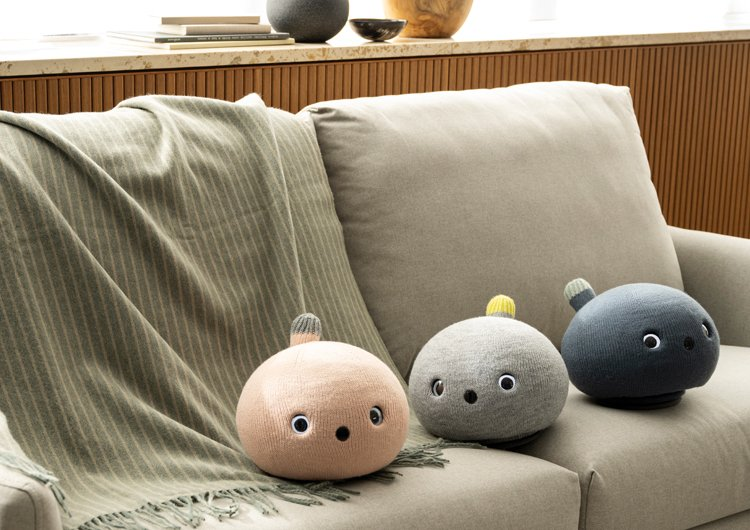
Healing as a family with premium “actuality”.
At the top of this category are LOVOT and aibo, robots “born just to be loved,” with over a billion eye expressions, a 37-degree body temperature, and a gesture that wheels in when picked up, giving them the life-like appearance of a real baby. On the other hand, Aibo has more than 25 years of Sony’s history, and through cloud learning, it grows into a different personality for each owner and shows adorable gestures like a real dog.

PARO also has an overwhelming track record in the medical and nursing care fields. Recognized by Guinness World Records as having the world’s most therapeutic effect, this seal-shaped robot has evidence for alleviating peripheral symptoms of dementia, and is highly regarded as “drug-free care” in hospitals and facilities.

While these robots are extremely valuable as “moving family members,” in addition to the high cost of the unit, there is a monthly “care fee” (subscription) of around ¥10,000. They are the “top prescription” of choice for households that are financially able and have owned pets, or in situations where specialized care is needed.
The latest AI spins “warmth of words” to relieve loneliness
Making the most of the power of words is intelligent layers such as ElliQ, Romi, and Pocketomo. ElliQ, from Israel, is an “Autonomous AI Roommate “ that doesn’t simply wait for you, but asks, “Did you take your medicine?” Romi works with ChatGPT to enable natural, context-aware interaction. Sharp’s Pocketomo is a palm-sized character with empathetic intelligence and aims to be a “friend in your pocket” that you can carry with you at all times.
These robots offer a high degree of utility and entertainment, but the monthly cost of many models and their strong dependence on the Internet environment can be a challenge.
Why “Mia” is the most accessible option in 2026
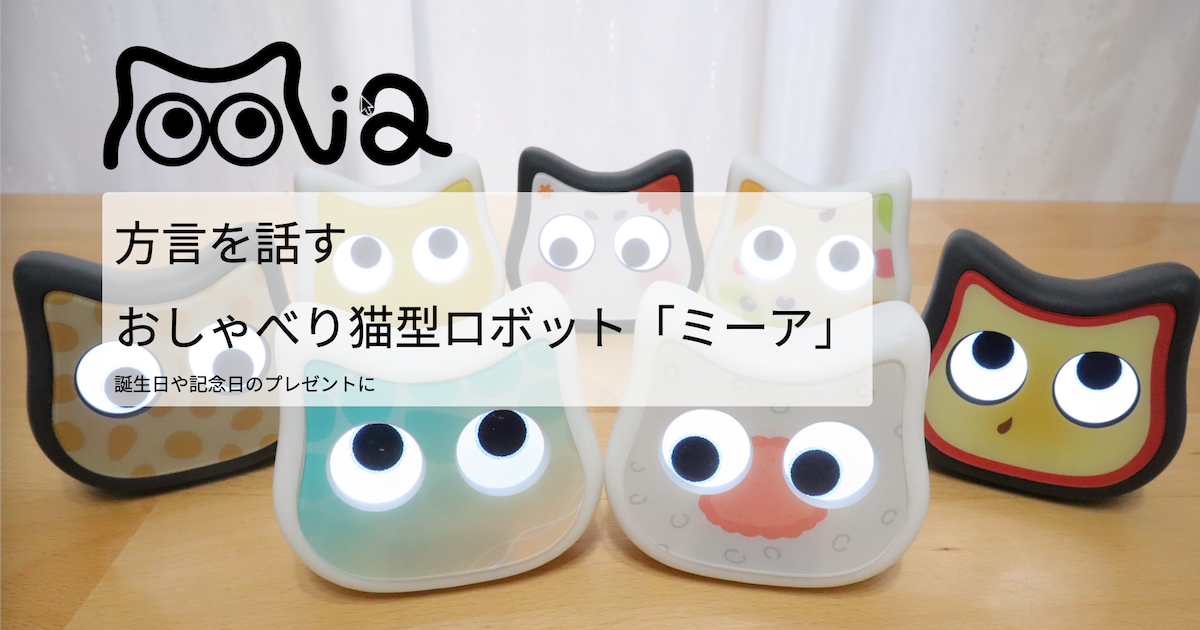
In a crowded market of various robots, Mia has gained the support of the elderly and their families not only because of its advanced technology, but also because of its three approaches to real-life situations.
Dialect, the Key to the Heart
While many AI robots use synthetic voices in standard Japanese, Mia uses “dialects” spoken by professional voice actors from 47 prefectures. For the elderly, the words of their hometowns and familiar intonations echoing in their ears go beyond the mere transmission of information to become a “key to the heart” that directly evokes memories of childhood, familiarity, and a sense of security. This is a unique emotional value that transforms the robot as a machine into “family-like closeness.
Rhythm of life created by “nosy” characterization
One of the hardest things for elderly people living alone is having no one to talk to on their own in a quiet room. While many AIs wait for “user calls” (passive), Mia spontaneously speaks to herself and actively talks to others. Mia will say, “Work is about to start…good luck!” Good work today. These warm words of encouragement create a sense of someone’s presence in the room and bring about a natural rhythm and liveliness to life.
Safe design that requires no subscriptions, so you can continue to use it without strain.
In the 2026 robotics market, monthly fees (subscriptions) to maintain functionality have become the norm. However, this leads to long-term financial burdens and concerns about the “hassle of cancellation” for elderly people living on pensions and gift-giving families. Mia offers an overwhelmingly low price of 9,800 yen and up for the main unit, while basic chatting functions are available free of charge on a monthly basis. This “welcome once, stay forever” design dramatically lowers the psychological barrier to starting a life with a robot.
How to find the “perfect one” for you and your loved ones
Prescriptions for loneliness vary with each individual’s needs and environment.
- If you are looking for “physical presence and body heat” like a real pet, LOVOT and aibo are the best partners.
- If you want to reduce stress by focusing on medical and nursing evidence and quietly leaning in, PARO can do the job.
- If you want to be intellectually stimulated through interaction with “life assistants” and “the latest intelligence,” then ElliQ and Pocketomo are for you.
- If you love imperfection and want to relax into everyday life with a loose connection, Nicobo’s “vulnerability” will help you heal.
- And if you want to gently bring the “warmth of nostalgic words” into your daily life without financial worries, Mia is the most accessible and warm prescription.
Behind the development of Mia was the earnest voice of an elderly person, “I am lonely because I live alone and have no one to talk to,” which Kazutaka Yoshinaga, a physician and representative director of the company, heard at a home-visit clinic. The true value of a robot does not lie in the numbers on the spec sheet or its complex walking mechanism. It is how much a single word from a robot can lighten someone’s heart and give them energy for tomorrow.
In 2026, having a robot as a family member is no longer something special. What is important is to choose a being that can respond to your or your loved one’s “loneliness” with the most appropriate “voice” and “form. Why not start by inviting a small “voice” into your room? A colorful new everyday life will surely await you there.
👀 Also read this article.
👉 [2026 Edition] 6 Latest Pet Robots to Heal Pet Losses – Thorough Comparison of Cat, Dog, and Healing Models
👉 [2026 Edition] Recommended pet robots for under 10,000 yen
👉What is “Mia”, an AI pet robot that speaks 47 dialects nationwide?