The Robot Uncanny Valley Explained: Phases, Examples, and Design Lessons | Mia

The Robot Uncanny Valley Explained: Phases, Examples, and Design Lessons

This article is the English version of the Japanese Mia article originally published on 2024-12-21. It keeps the same practical angle while localizing the explanation for English readers.

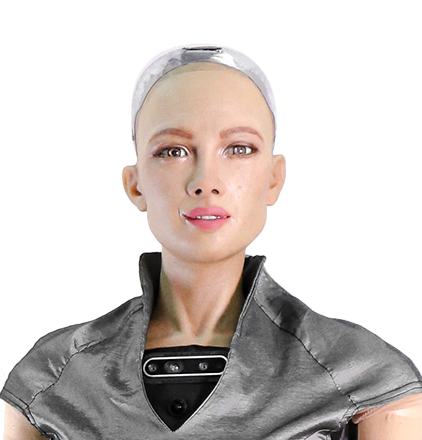
The uncanny valley describes the uncomfortable feeling people may experience when a robot looks almost human but not quite. Understanding it helps explain why many companion robots choose cute, animal-like, or simplified designs.

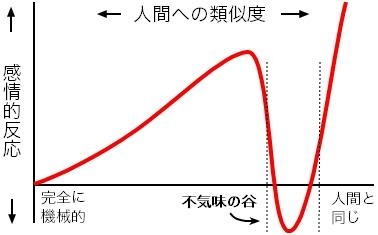
ロボット不気味の谷現象と各フェーズのロボットの具体例

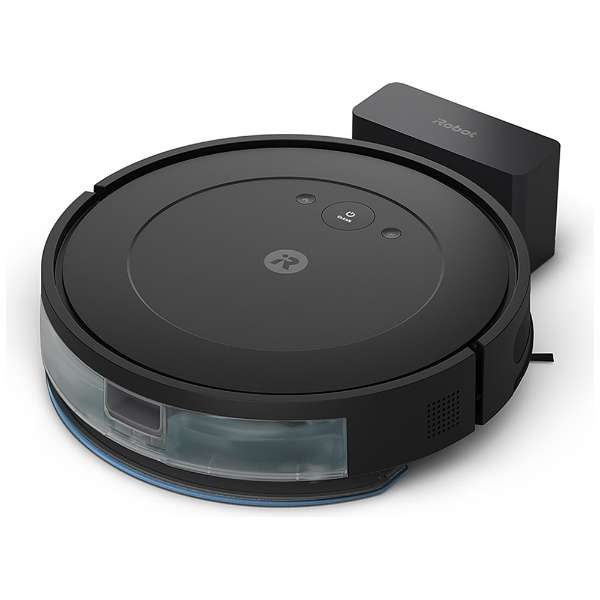
ルンバ

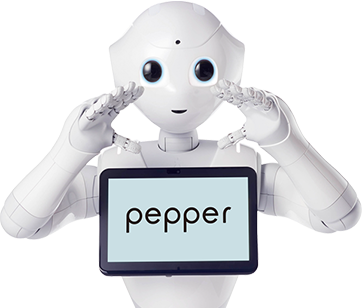
pepper

Key Takeaways

  • Choose a robot or gadget based on the real daily problem it solves, not only on novelty.

  • Check total cost, monthly fees, setup burden, privacy, language support, and maintenance.

  • For families, robots work best when they create small communication moments instead of replacing human contact.

  • Mia is most relevant when you want a compact cat-shaped voice companion with approachable daily interaction.

What the Uncanny Valley Means

As a robot becomes more human-like, people may initially feel more comfortable. But if it becomes almost human while still slightly unnatural, comfort can drop sharply.

Why It Happens

Unnatural eyes, stiff facial movement, delayed responses, or mismatched voice and expression can make people feel uneasy.

How Designers Avoid It

Many robots use simplified faces, animal forms, soft shapes, or clearly toy-like designs. This makes expectations easier to manage.

Why Mia Uses a Cat-Like Design

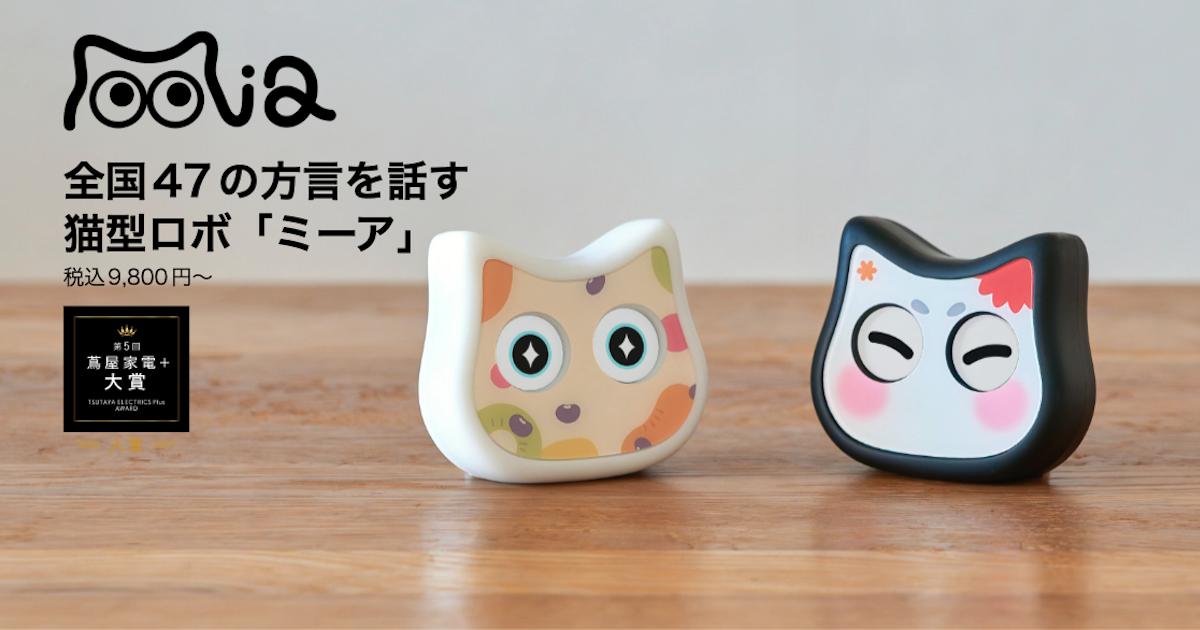
A cat-shaped robot does not need to pass as human. That makes it easier to feel friendly without triggering human-like discomfort.

How Mia Connects to This Topic

Mia is a cat-shaped AI companion robot designed for everyday voice interaction. It can support short voice prompts, family-style messages, weather and schedule routines, and a friendly sense of presence at home. Because it is compact and approachable, it can fit into situations where a large robot, a real pet, or a complicated smart-home device would feel difficult.

Mia should not be treated as medical equipment, emergency support, or a replacement for people. Its value is in small daily moments: a greeting, a reminder, a familiar voice, or a topic that makes family conversation easier.

Source Article Context

The Japanese source article focuses on: はじめに ロボット技術が進化する中で、人間に似せたデザインが注目されています。しかし、ロボットが人間に近づくにつれ、心理的な違和感や不快感を覚える「不気味の谷現象」が発生することがあります。この現象は1970年に日本のロ […]

Before You Choose

Before buying any robot or related device, confirm the latest official price, supported language, app requirements, Wi-Fi needs, subscription fees, warranty, and whether the product is available in your region. For gifts to older adults or children, setup support from family members is often just as important as the product itself.

Related Articles

【公式】ミーア | 全国47の方言を話すおしゃべり猫型ロボット
Mia Price and Features: An AI Cat Companion Robot for US$149
Mia is an AI cat companion robot sold for US$149 in the English market. This guide explains what you get for the price, including voice prompts, 100+ expressions, 47 Japanese dialects, weather updates, Google Calendar reminders, English character voices, family messages, and key points to check before buying.
What Is Mia's "Family Voice Message" Feature? How to Use It
Mia, the cat-shaped AI robot, now has a Family Voice Message feature that lets you send your own or your child's recorded voice directly to your parents' Mia, even from far away. Your parents just touch Mia's head to play it — no smartphone or app needed. This article covers how to use it, what to keep in mind, and how it differs from existing features.

👀 You may also like:

👉 2026 Guide: AI Pet Robots for Elderly Loneliness – A Comparison of 10 Companion Robots

👉 2026 Edition: 9 Recommended Pet Robots Under $150 – Cheap, Cute, and Healing Models

👉 Monthly and Maintenance Costs of Pet Robots: Moflin, LOVOT, Mia, and More

👉 Mia – Your Chatty AI Cat Companion Robot with 100+ Expressions

Copied title and URL