- What Is Buddyo Pod?
- Quick Verdict
- What Buddyo Can Do
- Why Buddyo Got Attention at CES 2026
- Buddyo Is More About Character Experience Than Perfect Figure Recognition
- Buddyo vs HeyMates, LampGenie, LOOI, Gatebox, and Mia
- Practical Use Cases
- Key Cautions Before Kickstarter
- Kickstarter Checklist
- Reviews Are Still Early
- How Is Buddyo Different From Mia?
- If You’re Buying for a Child
- Who Should Skip Buddyo?
- Related Articles
- Summary
What Is Buddyo Pod?
Buddyo Pod is a smart AI pod designed to bring existing collectibles to life.
The idea is simple: place a Funko Pop, Amiibo, POP MART figure, action figure, or another collectible on the pod, then give that character a voice, memory, personality, lights, and emoji-like expressions.
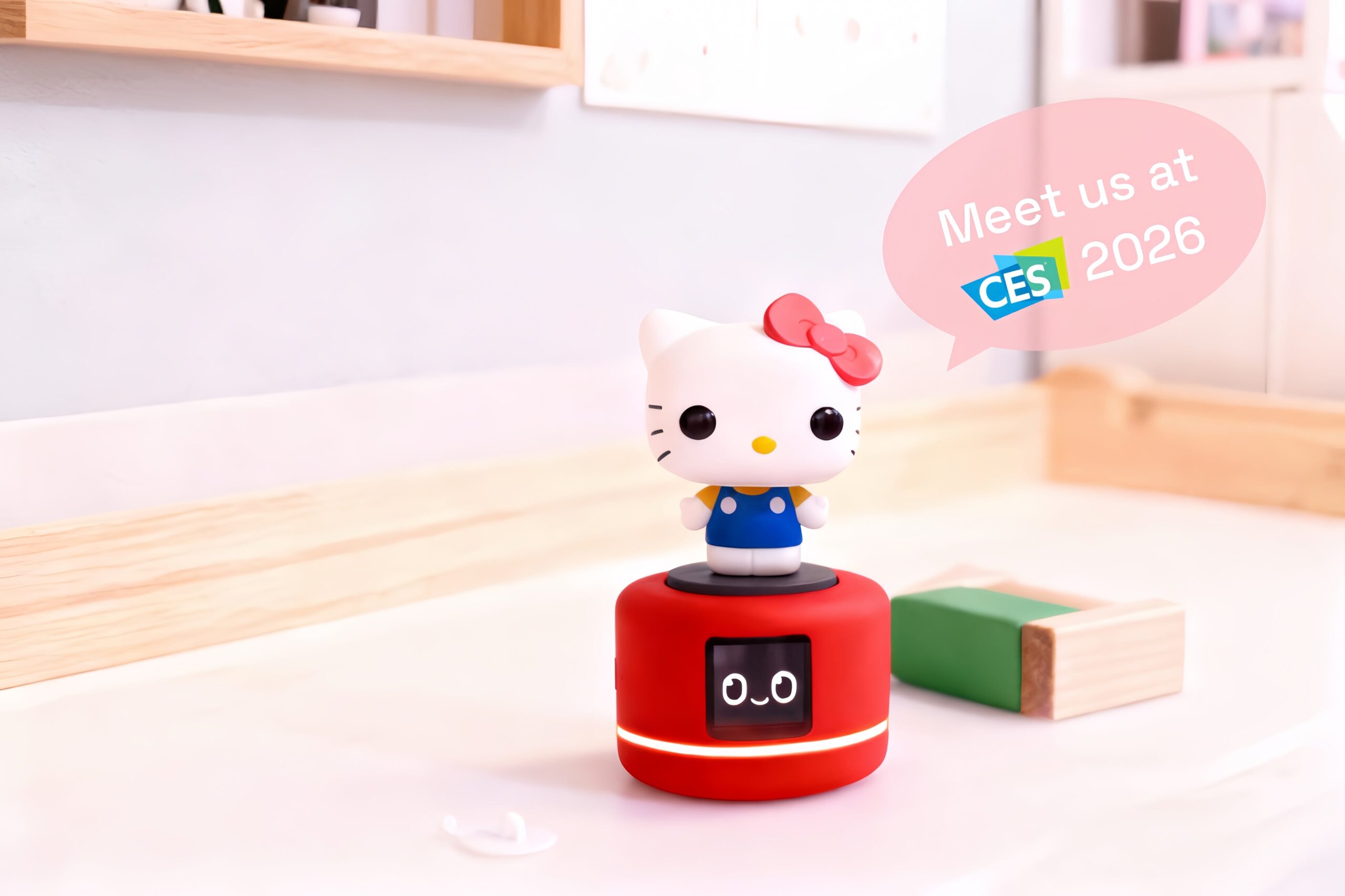
The official site says Buddyo is launching on Kickstarter in Q1 2026. Pricing, delivery timing, supported languages, subscription costs, and warranty terms should be judged once the Kickstarter page goes live.
Quick Verdict
Buddyo is not a pet robot in the usual sense. It is closer to an AI companion layer for collectors.
It makes sense if you:
- Display Funko Pops, Amiibo, POP MART figures, Labubu, or similar collectibles
- Want to talk to characters you already own
- Like the idea of AI-generated character personalities
- Want a conversation starter on a desk or shelf
- See it as a collector gadget rather than a practical home robot
If you want daily reminders, family prompts, older-adult companionship, weather notifications, dialect conversation, or a ready-to-use conversational robot, a product like Mia is easier to evaluate.
What Buddyo Can Do
1. AI conversation and memory
Buddyo’s official site emphasizes conversation and memory.
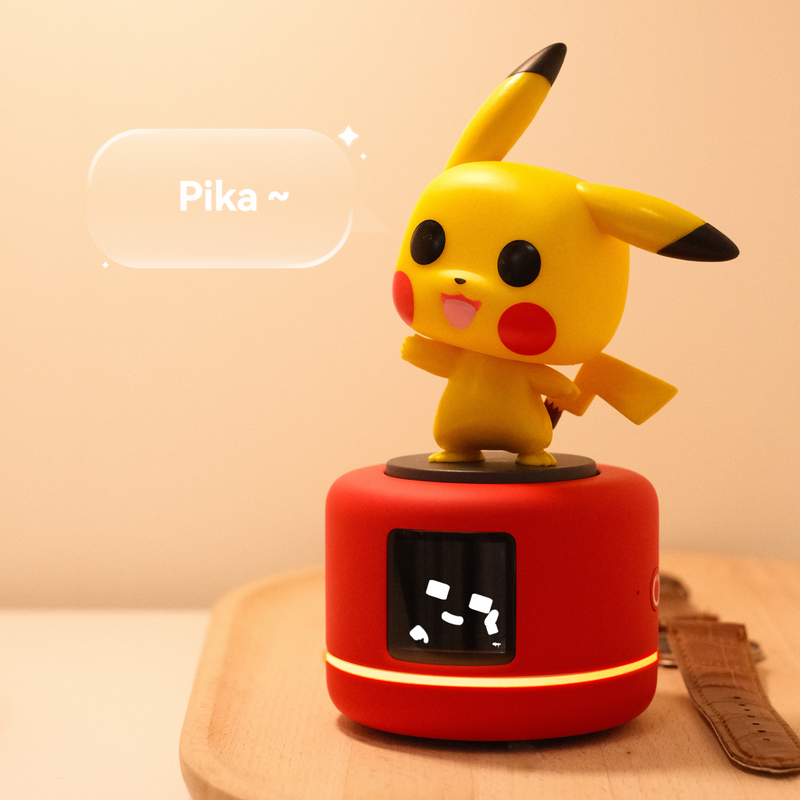
The product is designed so characters can remember your stories, jokes, and daily life. The appeal is not just “an AI speaker.” It is the feeling that your own collection is speaking back.
2. LED lights and emoji-style expression
Buddyo adds personality through dynamic LED lights and playful emoji expressions.
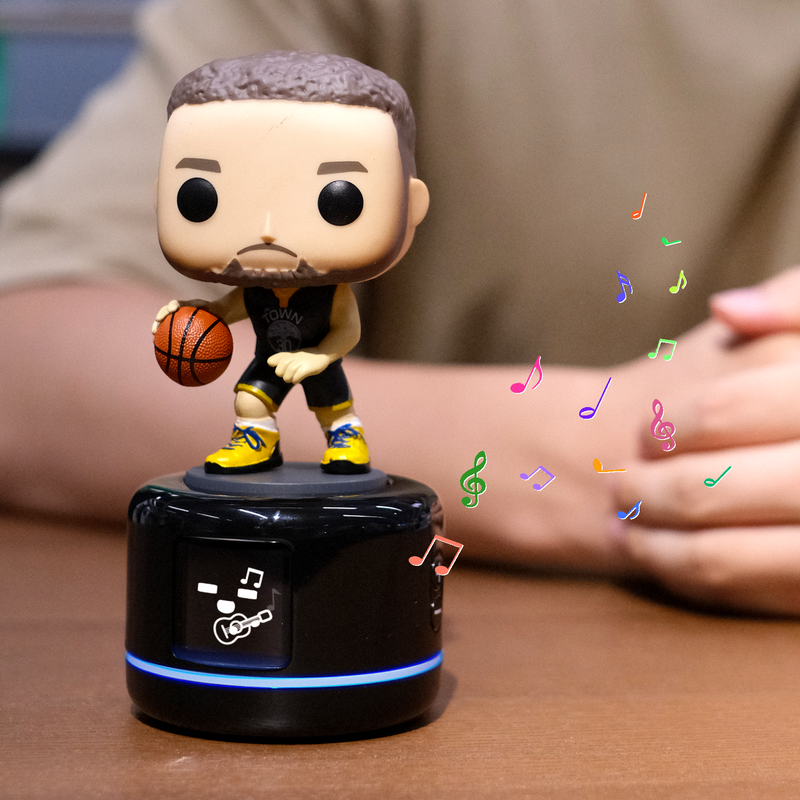
This matters because the collectible itself may not move or change. The pod becomes the expressive layer.
3. Touch, rotation, and nodding
The official site mentions touch-sensitive interaction with rotation and nodding.

The figure itself does not become a robot. The pod creates the interactive effect around an existing object.
4. Schedule reminders
Buddyo also shows a reminder use case, such as a favorite character telling you about a meeting.
Before buying, check the Kickstarter page for calendar integration, app behavior, language support, notification settings, and whether these features need a subscription.
5. Multi-Pod conversations
Buddyo promotes the idea of connecting multiple Pods so figures can talk to each other.
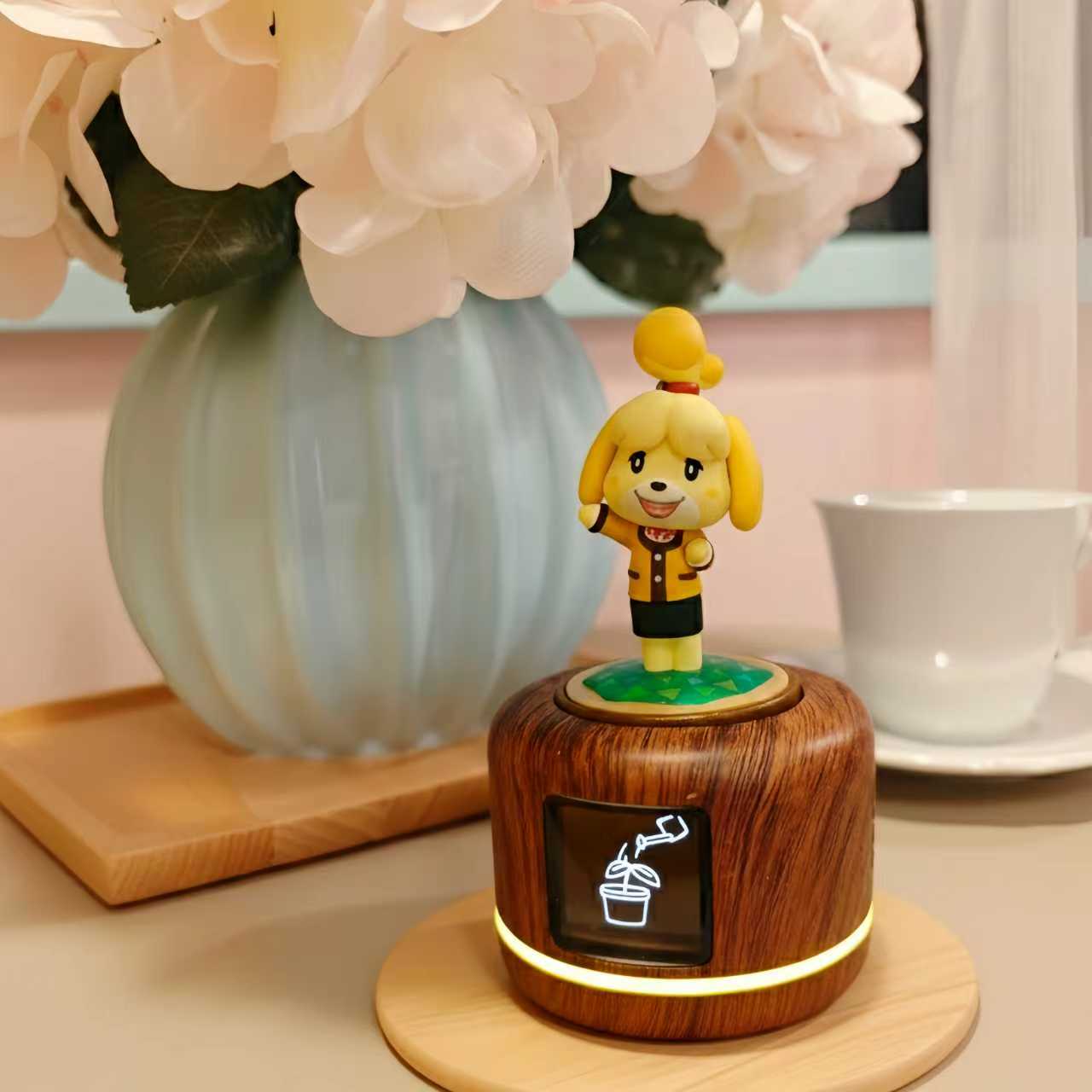
For collectors, this could be the most fun part: turning a shelf into a small interactive scene.
Why Buddyo Got Attention at CES 2026
Buddyo appeared in the broader AI collectibles trend around CES 2026.


On LinkedIn, Buddyo describes Buddyo Pod as an AI pod for collectibles that gives Funko Pops, Amiibo, POP MART figures, and Labubu-style collectibles a voice, memory, and personality.
UBOS covered Buddyo alongside HeyMates as part of the CES 2026 AI collectibles wave. The important distinction is that Buddyo is not trying to replace your collection with new figures. It tries to upgrade existing collectibles with a smart pod.
Buddyo Is More About Character Experience Than Perfect Figure Recognition
The key is to avoid expecting a magical base that automatically understands every figure you place on it.
Amiibo is easier to imagine because it already uses NFC. Many Funko Pops, POP MART figures, Labubu figures, and general action figures do not include NFC chips.
So Buddyo’s real value depends on three things:
| Question | Why It Matters |
|---|---|
| How are characters registered? | Photo setup, manual setup, or tags will change the user experience |
| How good are the AI personas? | This decides whether it feels like a character or a generic chatbot |
| How good are voice and latency? | Conversation quality depends on fast, natural responses |
In other words, Buddyo is best understood as a character-experience pod for your collection, not as a perfect automatic figure scanner.
Buddyo vs HeyMates, LampGenie, LOOI, Gatebox, and Mia
AI character devices are becoming a category. Buddyo is easier to understand when compared with nearby products.
| Product | What It Animates | Difference From Buddyo |
|---|---|---|
| Buddyo Pod | Existing figures and collectibles | Uses what you already own; the pod is the interactive layer |
| HeyMates | Dedicated smart figures and base | More like a complete AI figurine product |
| LampGenie | Anime figures and toys on a lit stage | More stage-like and display-focused |
| LOOI | Your smartphone | Turns a phone into a small robot, not a collectible |
| Gatebox / ROLA One | Screen-based or display-style AI characters | Focuses on dedicated AI characters rather than your own figures |
| Mia | Cat-shaped AI robot | Ready-to-use conversation, expressions, and daily prompts |
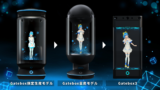

Buddyo’s strength is that it can build on a collection you already love. Its risk is that the experience depends heavily on app setup, character creation, voice quality, and privacy controls.
Practical Use Cases
Buddyo makes more sense as a desk and shelf experience than as a practical home appliance.
Collector Shelf
Place a favorite character on the pod and use it for short conversations, greetings, or playful reactions.
For this use case, the most important factor is character feel. If the voice, tone, and memory feel generic, the novelty may fade quickly.
Desk Companion
Buddyo could sit on a work desk or study desk and provide light reminders, small talk, or break prompts.
For work use, check volume controls, microphone behavior, calendar integration, and whether it can stay quiet during calls.
Child Play
Giving a child’s favorite figure a voice can make play more imaginative.
For children, the key questions are content filtering, parent controls, conversation history, nighttime behavior, and subscription settings.
Retail and Event Display
Buddyo may also work well in stores, exhibitions, pop-up shops, and fan events. A talking figure can make people stop, smile, and interact.
This may be one of the product’s strongest use cases because the value is immediate: attention, surprise, and conversation.
Key Cautions Before Kickstarter
Buddyo is still a Kickstarter-stage product. The purchase decision should wait for details such as:
- Hardware price
- Shipping cost
- Delivery schedule
- International shipping
- Supported languages
- Japanese conversation quality
- Subscription fees
- Voice and conversation data handling
- Which collectibles are supported
- How non-Amiibo figures are identified
- Mobile app requirements
- Multi-Pod costs
The biggest technical question is recognition. Amiibo uses NFC, but many Funko Pops and POP MART figures do not include NFC chips. Buyers should check whether Buddyo uses tags, photo registration, manual character setup, or another method.
Kickstarter Checklist
When the Kickstarter page goes live, check these items before backing.
| Item | What to Check |
|---|---|
| Price | Whether one Pod is enough or the best experience needs multiple Pods |
| Shipping | International shipping, taxes, and delivery partners |
| Delivery date | Whether the schedule looks realistic for hardware production |
| Figure support | How it works with non-Amiibo figures |
| Character setup | Photo setup, manual setup, IP handling, and editing tools |
| Voice | Supported languages, voice quality, voice options |
| Memory | What it remembers, whether memories can be deleted, family profiles |
| Privacy | Microphone behavior, cloud storage, child use, and data controls |
| Subscription | Whether AI chat, memory, voice, or Multi-Pod features cost extra |
| App | iOS/Android support, account settings, parent controls |
Subscription costs matter. A low hardware price can become expensive if conversation, memory, voice generation, or multi-character features are mostly paid features.
Reviews Are Still Early
Buddyo Pod is not a mature Amazon product with many long-term buyer reviews.
It is better to treat it as an upcoming AI gadget with an interesting concept. The actual experience will depend on voice quality, character setup, memory, response speed, privacy controls, and app design.
How Is Buddyo Different From Mia?
Mia is a cat-shaped conversational AI robot.
Mia starts at 9,800 yen including tax. It supports 47 Japanese dialects, expressive reactions, voice conversation, Google Calendar integration, weather notifications, and 15 English characters.
Buddyo and Mia can both sit on a desk or shelf, but they solve different problems.
| Category | Buddyo Pod | Mia |
|---|---|---|
| Main purpose | Turn existing collectibles into AI characters | Talk with a cat-shaped AI robot |
| Best for | Collectors and character fans | Families, older adults, children, solo living |
| Expression | Pod audio, LED, emoji, motion | Mia’s face, voice, and daily prompts |
| Utility | Reminder use case shown; details pending | Google Calendar and weather notifications |
| Price | Not announced | From 9,800 yen including tax |
| Japanese support | To be checked after Kickstarter launch | Designed for Japanese users |
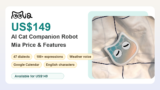
Buddyo is for people who want their own figures to feel alive. Mia is for people who want a ready-to-use companion robot that already has a personality, voice, and daily functions.
If You’re Buying for a Child
Buddyo may appeal to adults and children, but child use needs extra care.
Check:
- Content filtering
- Parent controls
- Whether the microphone is always listening
- Voice data storage
- Character rights and recognition accuracy
- How much app setup is required
- Volume and nighttime behavior
AI toys can be fun, but privacy and content controls matter.
Who Should Skip Buddyo?
Buddyo is an interesting concept, but it is not for everyone.
Skip or wait if you:
- Do not collect figures or character goods
- Want a product you can buy and use immediately
- Need proven Japanese conversation quality
- Want to avoid subscriptions
- Need a mature child-safe AI toy
- Mainly want calendar, weather, and family prompts
If those points matter more, an existing conversational robot or AI pet may be easier to choose.
Related Articles
Summary
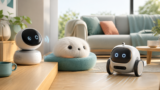
Buddyo Pod is an interesting idea: add AI conversation to the collectibles people already own.
For Funko Pop, Amiibo, POP MART, Labubu, and action-figure collectors, the appeal is easy to understand. A static shelf becomes a small conversational scene.
The main cautions are price, delivery timing, language support, subscription costs, character recognition, and voice data handling.
Choose Buddyo if you want to animate your collection. Choose Mia if you want a ready-to-use conversational robot for daily prompts, family use, older-adult companionship, or children’s English character play.