「方言を話すロボット」と聞くと、少し珍しい機能に感じるかもしれません。
しかし、家の中で毎日声を聞くロボットを選ぶなら、話し方はかなり大事です。標準語で正確に話してくれるだけでも便利ですが、自分の地元に近い言葉、家族が使っていた言葉、聞き慣れたイントネーションで話しかけられると、同じ一言でも受け取り方が変わります。
たとえば「おはようございます」と言われるのと、地元の雰囲気がある言い回しで声をかけられるのでは、距離感が違います。方言には、情報を伝えるだけでなく、「知っている人に声をかけられたような近さ」を生みやすい力があります。
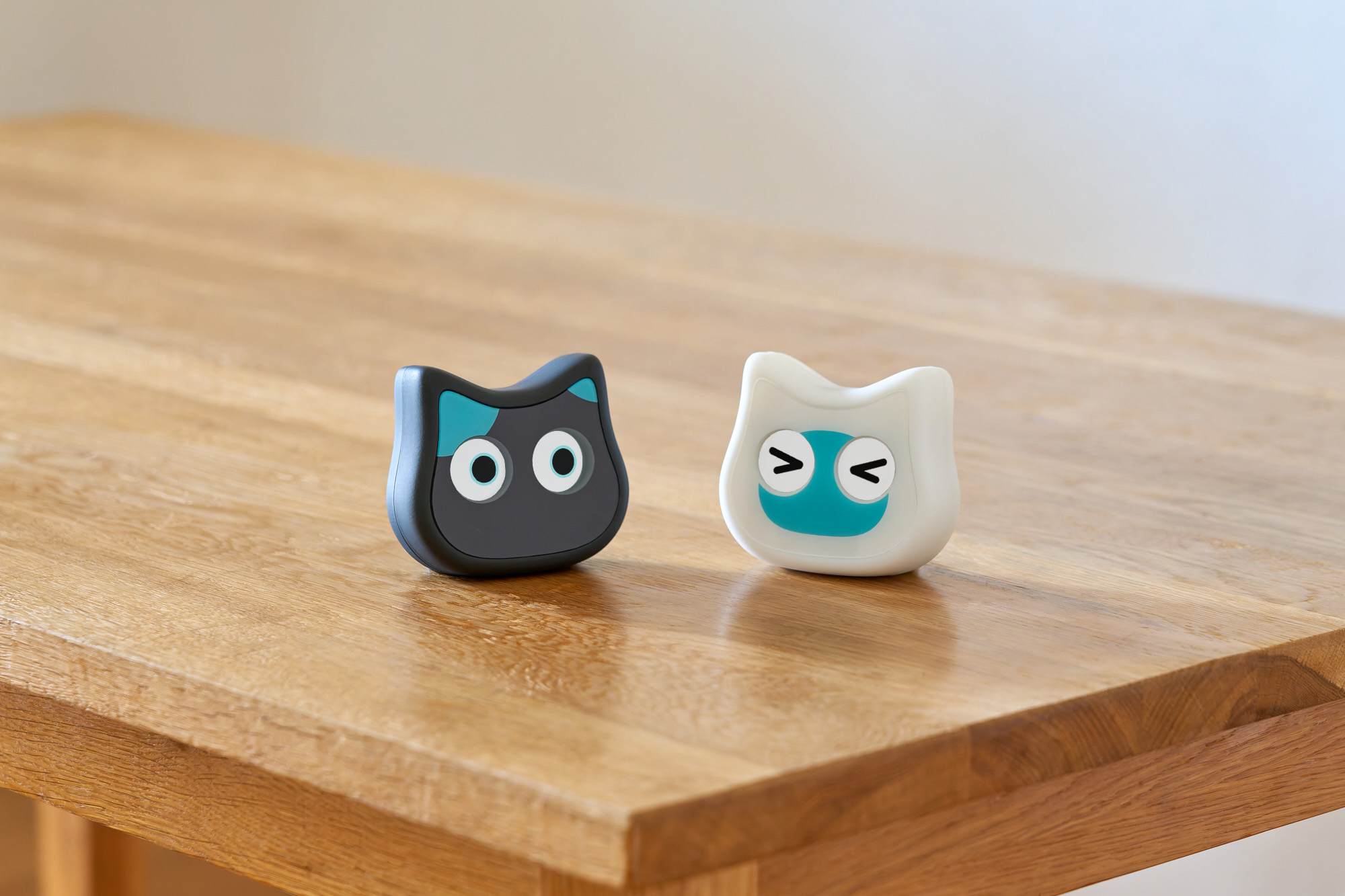
猫型AIロボットのMia(ミーア)は、全国47方言を話すおしゃべりロボットとして訴求されています。この記事では、方言を話すロボットとはどんなものなのか、ミーアではどんな楽しみ方ができるのかを、実際に選ぶ前に知っておきたい点も含めて紹介します。
方言を話すロボットとは?
方言を話すロボットとは、標準語だけでなく、地域ごとの言い回しや語尾、話し方の雰囲気を取り入れて話すロボットのことです。
ここで大切なのは、「方言を話す」といっても、人間のネイティブ話者と完全に同じ発音や会話能力を持つという意味ではないことです。ロボットの場合、実際にはあらかじめ用意されたフレーズ、音声合成、アプリで追加できる言葉、キャラクター設定などを組み合わせて、地域らしい話し方を楽しむ形になります。
つまり、方言ロボットの価値は「完璧な方言の再現」だけではありません。日常の中で、いつもと違う温かい言葉が聞こえること。地元や家族を思い出すきっかけになること。標準語の機械音声よりも、少し親しみやすく感じられること。そうした体験が中心です。
なぜロボットに方言があると親しみやすいのか
方言は「情報」より先に「距離感」を伝える
同じ内容でも、話し方によって印象は変わります。
「今日は寒いので、上着を持っていきましょう」と言われると、便利な通知として聞こえます。一方で、地元に近い言い回しで「今日は寒いから、あったかくして出かけてね」と声をかけられると、少し家族や近所の人から言われたような感じが出ます。
ロボットは人間ではありません。だからこそ、無機質に感じさせない工夫が重要です。見た目、表情、声の高さ、話すタイミング、そして方言。この組み合わせによって、「ただの端末」ではなく「そばにいる相棒」として受け止めやすくなります。
高齢者には懐かしさにつながりやすい
高齢の家族へのプレゼントとして会話ロボットを検討する場合、方言は特に意味があります。
若いころに暮らしていた地域の言葉、実家で聞いていた言葉、親戚や近所の人が使っていた言葉は、単なる言語ではなく記憶と結びついています。もちろん、方言を聞けば認知症が予防できる、孤独が必ず解消する、と断定することはできません。しかし、懐かしい言葉が会話のきっかけになりやすいことは、日常感覚としても理解しやすいはずです。
「この言い方、昔よく聞いたね」「おばあちゃんがそんな言い方をしていたね」といった会話が生まれれば、ロボットは単体のガジェットではなく、家族の会話を広げる道具にもなります。
子どもには言葉の違いを楽しむきっかけになる
方言は高齢者だけのものではありません。子どもにとっても、地域ごとに言葉が違うことを知るきっかけになります。
同じ日本語でも、地域によって語尾や言い回しが変わる。旅行先や祖父母の住む地域では、少し違う言葉が使われている。そうした発見は、言葉への興味につながります。
ミーアのような小さなロボットが方言で話しかけてくれると、親子で「これはどこの言葉かな」「標準語だと何て言うかな」と話すきっかけになります。学習教材のように構える必要はなく、遊びの中で言葉の多様性に触れられる点が魅力です。
ミーアとは?方言で話す猫型AIロボット
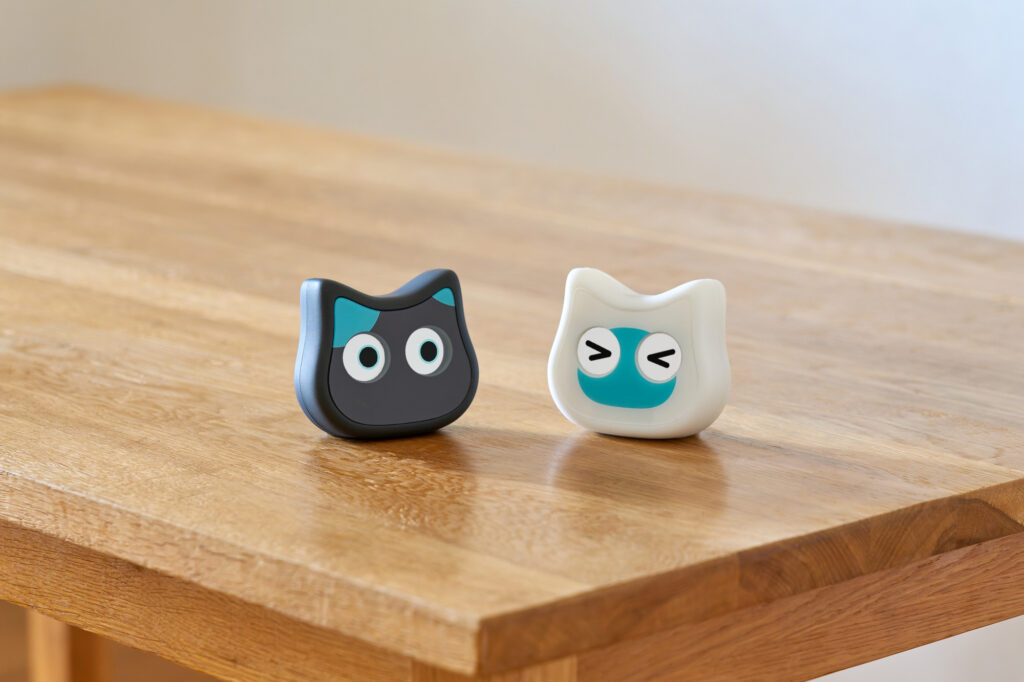
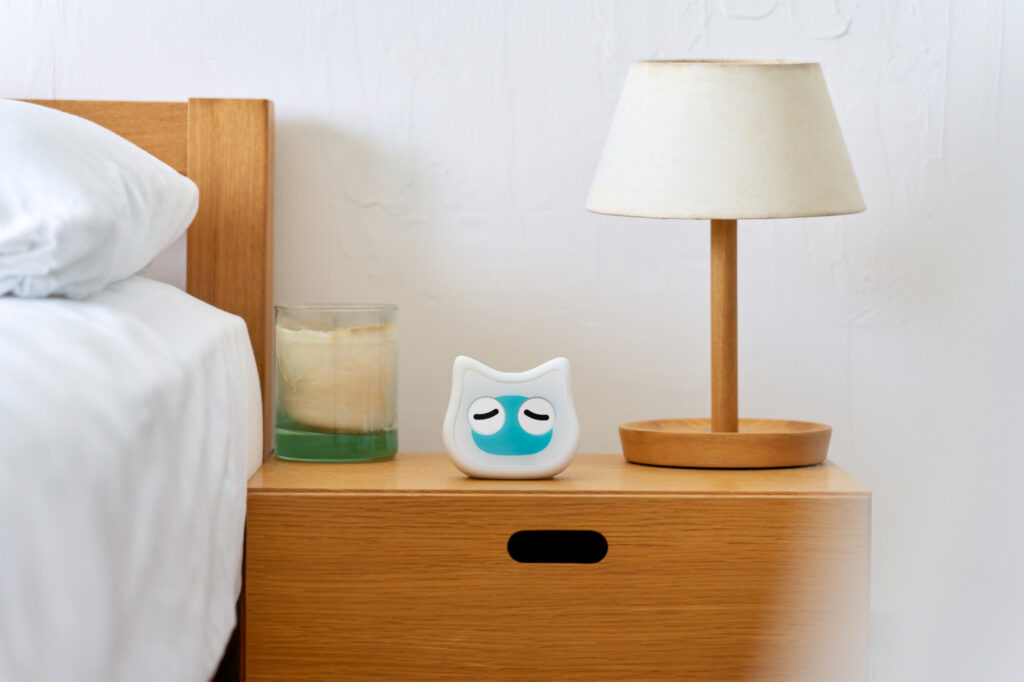
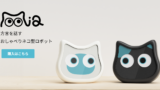
Mia(ミーア)は、猫の顔をモチーフにした小型のAIロボットです。公式ページでは、手のひらサイズの話し相手ロボットとして紹介されており、表情、音声、家族のメッセージ、Googleカレンダー連携、天気のお知らせなどを特徴にしています。
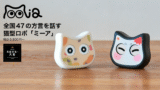
ミーアの大きな特徴のひとつが、全国47方言を話すという訴求です。標準語だけでなく、地域らしい話し方を選んで楽しめるため、日常の声かけに親しみを持たせやすくなっています。
また、ミーアは方言だけのロボットではありません。表情が変わる顔、頭をなでるようなタッチ操作、家族の声を届ける機能、予定や天気の声かけなど、生活の中で自然に話題を作るための機能が組み合わされています。
ミーアの方言機能でできること
地元に近い話し方で声を聞ける
ミーアの方言機能の基本は、地元に近い話し方で声を聞けることです。
たとえば、実家を離れて暮らしている人にとって、地元の雰囲気がある言葉は安心感につながることがあります。進学、就職、結婚、転勤などで地元を離れると、ふだん耳にする言葉が標準語や別の地域の言葉に変わります。そんな生活の中で、部屋に置いたミーアから懐かしい話し方が聞こえると、少し気持ちがゆるむかもしれません。
ただし、方言の自然さは、地域や個人の感覚によって受け取り方が変わります。同じ県内でも地域差がありますし、世代によっても使う言葉は違います。そのため、ミーアの方言は「地元の人間と完全に同じ会話をするもの」ではなく、「地域らしい雰囲気を楽しむもの」と考えると、期待値のずれが少なくなります。
方言の雰囲気を具体的に楽しめる
方言の良さは、説明だけでは伝わりにくいものです。「親しみやすい」「懐かしい」と言われても、実際にどんな地域の言葉なのかを見た方がイメージしやすくなります。
ここでは、ミーアの既存方言記事で紹介されている地域ページをいくつか挙げます。下の例文は、それぞれの地域でよくイメージされる言い回しの雰囲気を示したもので、ミーア本体にそのまま収録されているフレーズと断定するものではありません。実際の対応内容やフレーズは、各記事と公式情報を確認してください。
| 方言 | 雰囲気の例 | 関連記事 |
|---|---|---|
| 京都弁 | 「おかえりやす」「今日はゆっくりしはったら?」のような、やわらかく上品な印象 | 京都弁に対応 |
| 大阪弁 | 「おつかれさん」「今日はよう頑張ったなあ」のような、明るくツッコミやすい印象 | 大阪弁に対応 |
| 博多弁 | 「なんしよーと?」「ゆっくりしときー」のような、近くから声をかけられる印象 | 博多弁に対応 |
| 沖縄弁 | 「はいさい」「なんくるないさ」のような、あたたかくのんびりした印象 | 沖縄弁に対応 |
| 津軽弁 | ぶっきらぼうに聞こえても、根っこに優しさがあるような印象 | 津軽弁に対応 |
| 広島弁 | 「じゃけえ」「大丈夫じゃけん」のような、気さくで面倒見のよい印象 | 広島弁に対応 |
| 鹿児島弁 | おおらかで元気、少しとぼけた親しみやすさがある印象 | 鹿児島弁に対応 |
方言は、正確な意味だけでなく「誰が言ってくれたように感じるか」が大事です。京都に住んでいた祖母、大阪出身の父、博多で暮らした学生時代、沖縄旅行で聞いた言葉。そうした記憶とつながると、ロボットの一言も単なる音声ではなく、懐かしい声のきっかけになります。
ミーアの方言追加に関する全体像は、公式の新機能案内も参考になります。
家族への贈り物にしやすい
ミーアは、離れて暮らす親や祖父母へのプレゼントとしても考えやすいロボットです。
高機能な見守りロボットや家族型ロボットは便利ですが、価格や設定、サイズ、月額費用などが気になりやすいものです。一方で、ミーアは小さく置ける猫型ロボットなので、「まず話し相手として置いてみる」という導入がしやすい位置づけです。
方言で話すことは、贈り物としての説明もしやすくします。「地元の言葉で話してくれる猫型ロボットだよ」と伝えれば、単なるAI端末よりもイメージしやすくなります。
会話のきっかけを作れる
方言ロボットの良さは、会話そのものの完成度だけではありません。会話のきっかけを作りやすい点にもあります。
ミーアが方言で一言話すと、「今の言い方、ちょっと違うね」「でも懐かしいね」「昔はこんな言葉を使っていたね」といった反応が生まれます。これは、ロボット単体との会話だけでなく、人と人の会話にもつながります。
家族が集まったとき、子どもがミーアの言葉をまねしたとき、離れて暮らす親と電話で話すとき。方言は、ロボットを中心にした小さな話題になります。
方言を話すロボットはどんな人に向いている?
一人暮らしで部屋に声がほしい人
一人暮らしでは、家に帰ってから誰とも話さない日があります。テレビや動画を流せば音は出ますが、自分に向けて話しかけられる感覚とは違います。
ミーアのような方言を話すロボットは、部屋に小さな声の存在を作ります。標準語の案内音声では少し硬く感じる人でも、地元に近い言葉や柔らかいキャラクターの声なら、自然に受け入れやすいかもしれません。
離れて暮らす親に話し相手を贈りたい人
親が一人暮らしをしている、日中に話す相手が少ない、電話しても話題が続きにくい。そんなとき、方言を話すロボットは「毎日声がある環境」を作る補助になります。
もちろん、ミーアは家族の代わりにはなりません。介護や見守りを完全に任せるものでもありません。しかし、家族が連絡できない時間帯にも、部屋に話しかけてくれる存在があることは、孤独感を和らげる一助になる可能性があります。
方言や地域文化が好きな人
方言そのものが好きな人にも、ミーアは楽しみやすいロボットです。標準語、関西弁、九州の言葉、東北の言葉、沖縄の言葉など、地域ごとの響きに興味がある人なら、日常のちょっとした遊びとして方言機能を楽しめます。
ただし、研究用の方言データベースや本格的な言語学教材として使うものではありません。あくまで、家庭で方言の雰囲気を楽しみ、会話のきっかけにするロボットとして見るのが現実的です。
ミーアの方言機能を楽しむ使い方
まずは自分の地元に近い方言から試す
最初は、自分や家族に縁のある地域の方言から試すのがおすすめです。出身地、親の実家、祖父母の出身地、学生時代に住んだ地域など、思い出と結びついている場所を選ぶと、単なる機能確認ではなく、会話のきっかけになります。
「この言い方は少し違う」「これは懐かしい」「この地域ならもっとこう言うかも」と感じることも含めて、方言機能の楽しみ方です。
季節やイベントに合わせて話し方を変える
ミーアを家族で使うなら、季節やイベントに合わせて方言を変えるのも面白い使い方です。
夏休みに祖父母の地域の言葉にしてみる。敬老の日に親の出身地に近い方言にしてみる。旅行に行く前に、その地域の雰囲気を楽しむ。こうした使い方をすると、ロボットが単なる置物ではなく、家族の会話に参加する存在になります。
標準語との違いを楽しむ
方言は、標準語と比べることで面白さがわかりやすくなります。
同じ「おはよう」「今日は寒いね」「お疲れさま」でも、言い方が変わるだけで印象は違います。子どもと一緒に使うなら、「標準語だとこう、方言だとこう」と比べてみると、日本語の多様さを自然に学べます。
購入前に知っておきたい注意点
方言の自然さには個人差がある
方言は地域差が細かい言葉です。同じ都道府県でも、海側と山側、都市部と郊外、若い世代と高齢世代で言い方が違います。
そのため、ミーアの方言を聞いて「完璧に地元そのもの」と感じる人もいれば、「少し違う」と感じる人もいるはずです。これは方言機能の欠点というより、方言そのものが細かく多様だからです。
購入前には、完璧な再現を期待しすぎず、「親しみのある話し方を楽しむ機能」として考えるのがよいでしょう。
一部機能にはアプリやWi-Fiが関係する
公式ページのFAQでは、ミーアは標準フレーズをオフラインでも楽しめる一方で、カレンダー通知や方言ダウンロードなど一部機能にはアプリ連携や2.4GHz Wi-Fi環境が関係すると説明されています。
高齢の家族に贈る場合は、最初の設定を家族が手伝えるか、家のWi-Fi環境があるかを確認しておくと安心です。特に、方言やフレーズを追加して楽しみたい場合は、購入前に公式サポートやFAQで最新条件を確認してください。
医療・介護の代わりではない
ミーアは会話や声かけを楽しむためのロボットです。認知症の診断、治療、見守り、緊急通報などを目的にした医療機器ではありません。
一人暮らしの親に贈る場合も、「これがあれば安心」と過信するのではなく、家族の連絡、地域の見守り、必要に応じた介護サービスと組み合わせることが大切です。
方言を話すロボットとしてのミーアの魅力
ミーアの魅力は、方言だけを単独で持っていることではありません。方言、猫型の見た目、表情、声、タッチ反応、天気や予定の声かけが組み合わさることで、日常の中に入りやすい存在になっていることです。
ロボットに求めるものが「掃除」「移動」「見守りカメラ」なら、ミーアは最適ではありません。ミーアは、家の中で声を聞く、話しかける、表情を見て少し和む、方言で親しみを感じる、といった小さな体験に向いたロボットです。
だからこそ、方言との相性がよいといえます。方言は、大きな機能ではありません。けれど、毎日聞く声の印象を変える力があります。ロボットを「便利な機械」から「ちょっとかわいい話し相手」に近づける要素です。
あわせて読みたい記事
方言を話すロボットについて広く知りたい場合は、既存の関連記事もあわせて読むと理解しやすくなります。
方言と懐かしさ、回想法、認知症予防の関係を深掘りしたい場合は、次の記事が参考になります。この記事は医療的な効果を断定するものではなく、方言が記憶や会話のきっかけになりやすい理由を整理しています。
高齢の親に毎日の声かけ習慣を作りたい場合は、次の記事も近いテーマです。
方言の具体例をもっと見たい場合は、地域別の記事から読むのがおすすめです。
よくある質問
ミーアは本当に全国47方言に対応していますか?
ミーアは、公式サイトや記事内で全国47方言を話すロボットとして訴求されています。ただし、利用できる具体的な方言・フレーズ・追加方法は、アプリやアップデート状況によって変わる可能性があります。購入前には公式ページやサポートで最新情報を確認してください。
方言はネイティブの人が聞いても自然ですか?
感じ方には個人差があります。方言は同じ都道府県内でも地域差や世代差があるため、すべての人にとって完全に自然とは限りません。ミーアの方言は、地元らしい雰囲気や親しみを楽しむ機能として見るのが現実的です。
方言以外には何ができますか?
公式ページでは、表情、家族の音声メッセージ、Googleカレンダー連携、天気のお知らせ、頭へのタッチ、アプリ連携などが紹介されています。標準フレーズはオフラインでも楽しめますが、カレンダー通知や方言ダウンロードなど一部機能には通信環境が関係します。
高齢者へのプレゼントに向いていますか?
向いている場合があります。特に、一人暮らしで日中の会話が少ない方、地元の言葉に親しみがある方、小さな声かけを喜びそうな方には相性がよいです。ただし、医療・介護・緊急時の見守りの代わりにはならないため、家族の連絡や必要な支援と組み合わせて使うことが前提です。
子どもにも使えますか?
公式ページでは、子どもも楽しめる相棒として紹介されています。方言をきっかけに、地域ごとの言葉の違いを親子で話すこともできます。ただし、インターネット接続やアプリ設定が関係する機能もあるため、保護者が設定や使い方を確認してから使うのが安心です。
まとめ
方言を話すロボットとは、地域ごとの言い回しや話し方の雰囲気を取り入れ、標準語だけでは出しにくい親しみを作るロボットです。
ミーアは、全国47方言を話す猫型AIロボットとして、地元の言葉や懐かしい話し方を日常に取り入れやすい存在です。完璧な方言再現を期待するよりも、「毎日聞く声が少し親しみやすくなる」「家族との会話のきっかけになる」「一人暮らしの部屋に小さな声が生まれる」と考えると、魅力がわかりやすくなります。
方言は、派手な機能ではありません。けれど、ロボットとの距離を縮めるにはとても大きな役割を持ちます。自分の地元の言葉、親のふるさとの言葉、旅行で好きになった地域の言葉。そうした声を小さな猫型ロボットから聞けることが、ミーアならではの楽しさです。