- Product Overview: What Are Joy for All Companion Pets?
- Key Takeaways
- Quick Conclusion
- Types of Joy for All Companion Pets
- Price and Purchase Information
- Main Features and How They Work
- Is There Research Around Dementia Care and Loneliness?
- Reviews
- Specs
- FAQ
- Overall Assessment
- Joy for All Companion Pets vs. Mia
- Summary
Product Overview: What Are Joy for All Companion Pets?
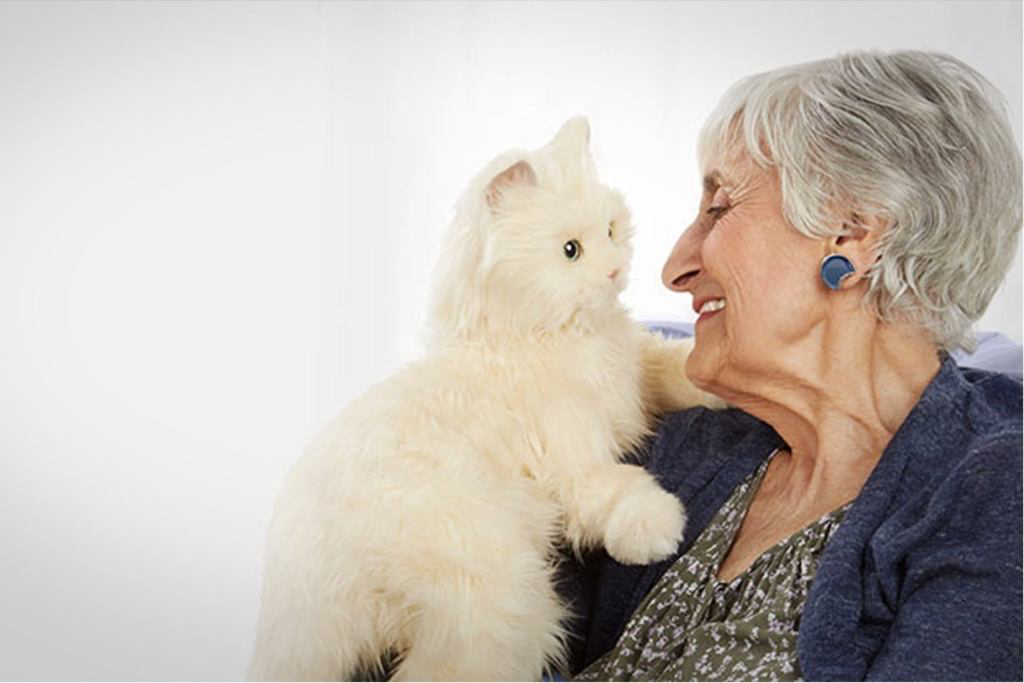
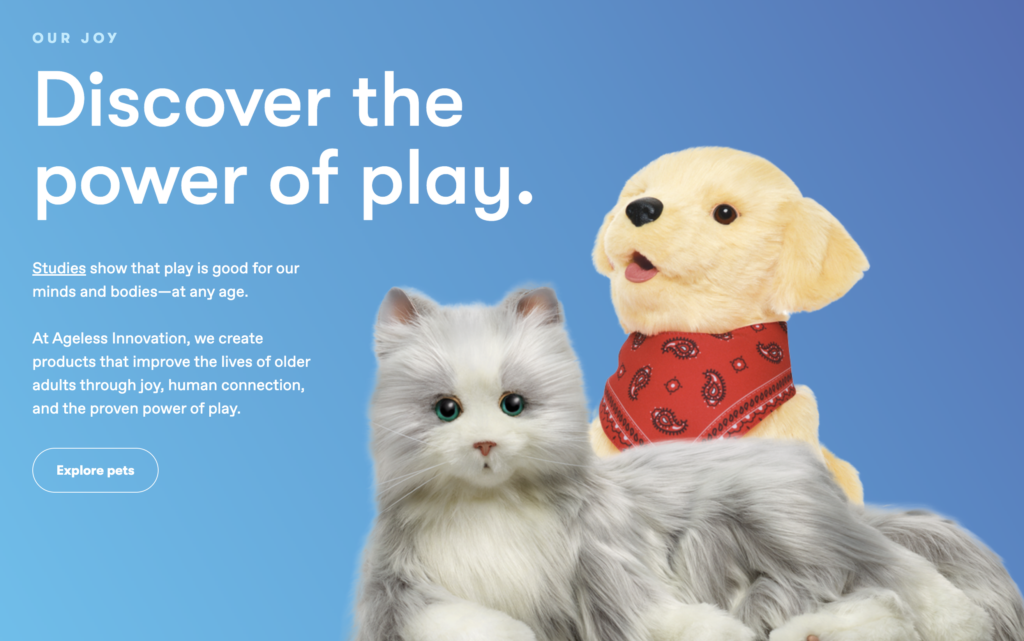
Joy for All Companion Pets are lifelike robotic pets from Ageless Innovation, a U.S. company focused on play, connection, and quality of life for older adults.
The lineup includes Companion Pets – Cat, Companion Pets – Pup, and Walker Squawkers, a small bird companion designed for walkers. The common idea is simple: give people some of the comfort of a pet without feeding, walking, litter boxes, vet visits, or the responsibility of caring for a live animal.
According to Joy for All's official FAQ, these pets are interactive, low-maintenance companions designed to bring joy and companionship to older adults and their families.
Their strength is not advanced AI conversation. It is touch, sound, fur texture, movement, and the feeling of having a small animal-like presence nearby. The cat can meow and purr, while the pup can bark, wag, and provide a soothing heartbeat sensation.
In other words, Joy for All Companion Pets are best understood as therapy-oriented robotic pets rather than talking AI robots.
Key Takeaways
What Are Joy for All Companion Pets?
- A U.S. robotic pet series designed with older adults in mind
- Available as cats, pups, and Walker Squawkers birds
- Responds to voice and touch with animal-like sounds and movement
- No feeding, walking, litter box, or vet bills
- Frequently discussed in the context of loneliness, dementia care, and care-home engagement
Strengths
- Easy to understand: stroke, hold, talk, and listen
- Cat and pup options make it easier to match the user's preference
- Useful where live pets are not possible
- Battery-powered and simpler than many subscription-based AI robots
- Supported by several public research and care-setting references
Concerns
- Not a natural-language conversation robot
- Reactions are predesigned animal-like responses
- U.S. dollar pricing requires a yen estimate, plus shipping and warranty checks
- Model names, sellers, warranties, and review targets can vary by store
- Walker Squawkers are closer to walker-reminder companions than lap pets
Who May Like Them?
- Older adults who miss having a cat or dog but cannot care for one
- Families looking for a gentle gift for a parent living alone
- People looking for non-drug comfort options in dementia care
- Users who value touch, holding, purring, and animal sounds more than conversation
- People grieving a pet but not ready or able to adopt a live animal
Quick Conclusion
Joy for All Companion Pets are not high-end AI robots. They are low-maintenance robotic pets that focus on emotional comfort through touch, sound, and familiar animal-like behavior.
The cats and pups respond to simple interactions such as petting, holding, and talking. That makes them easier to introduce than robots that require apps, accounts, or advanced setup.
However, they do not chat in Japanese or English, deliver calendar reminders, give weather updates, or pass family messages. If the goal is a daily "talking companion," it is worth comparing them with conversation-focused robots as well.
Types of Joy for All Companion Pets
Cat: A Quiet Lap Companion
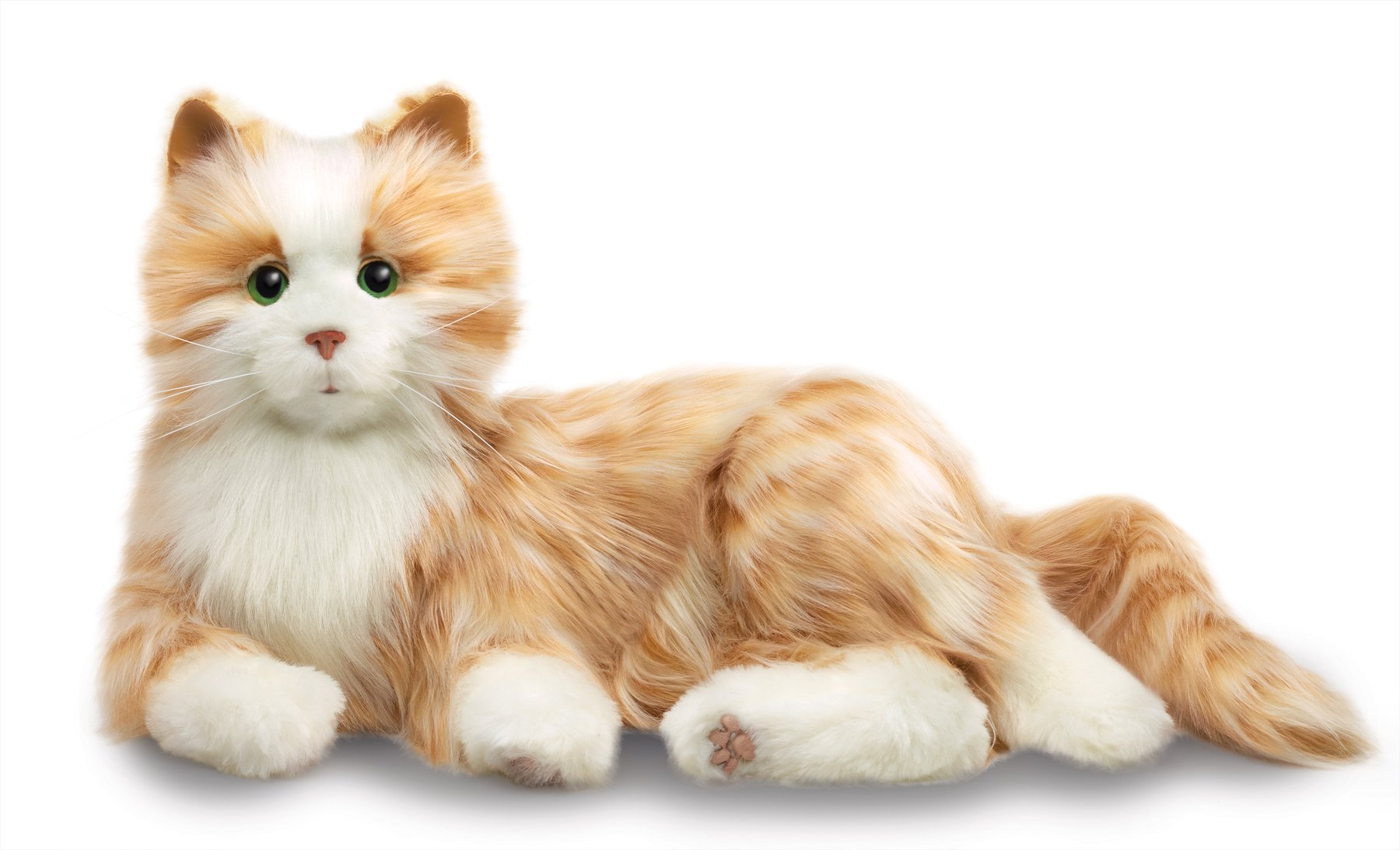
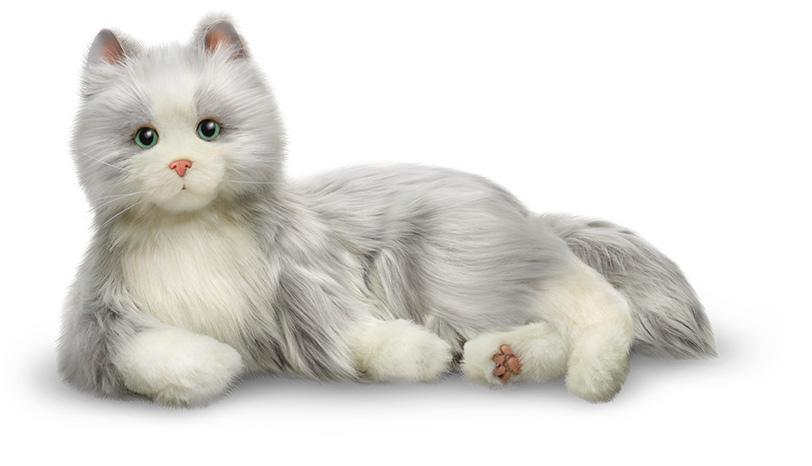
Companion Pets – Cat is the best-known Joy for All model.
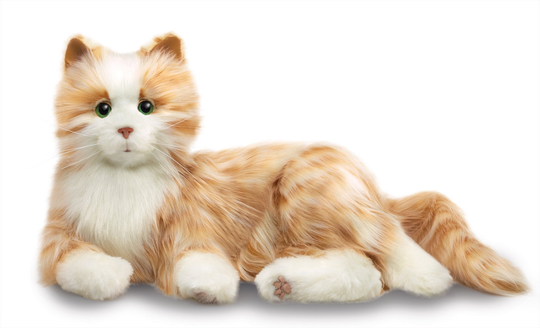
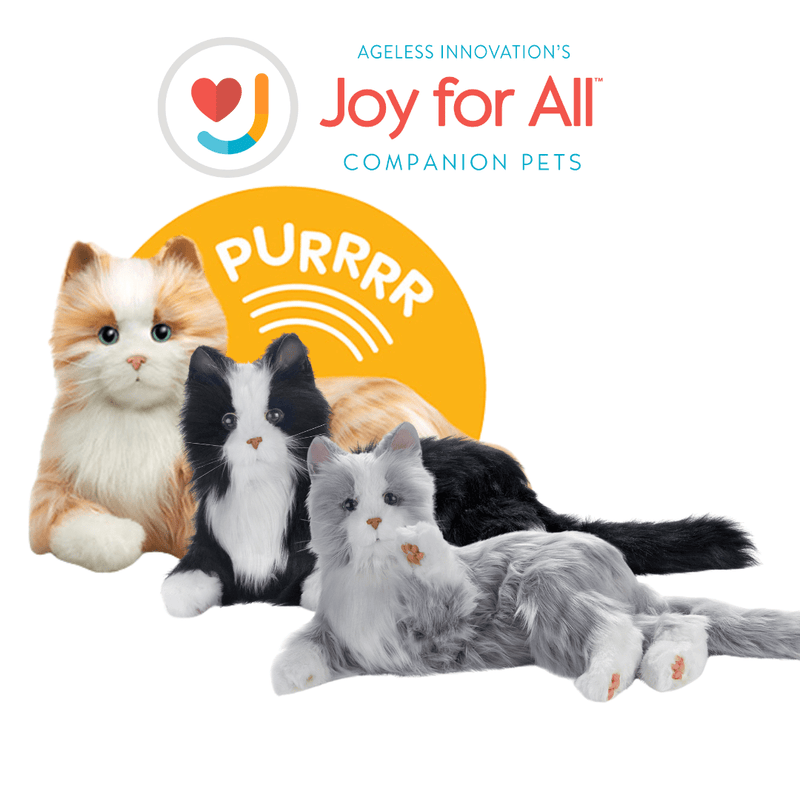
The official page describes realistic fur, meows, purring, and touch-responsive movements. Color options include Silver with White Mitts, Tuxedo, and Orange Tabby.
The cat model may suit people who:
- Prefer quiet pets
- Want something to place on their lap and stroke
- Find cat sounds calmer than barking
- Previously lived with cats
- Want a soft presence in a home or care facility
The official price is $159.99. At $1 = ¥160, that is about ¥25,600. The official dimensions are 15.24 x 9.02 x 10.12 inches, weight is 3.9 pounds, and power comes from four C batteries.
Pup: A More Obvious, Responsive Companion
Companion Pets – Pup focuses on wagging, barking, snuggling, and a heartbeat sensation.
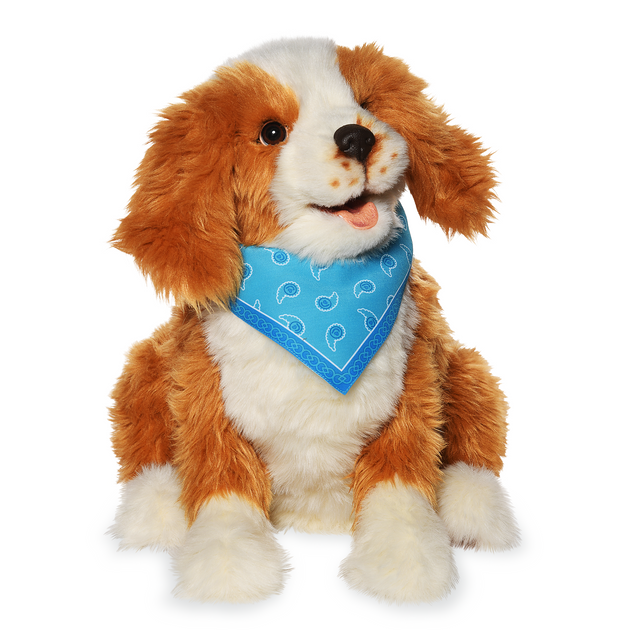
The official page describes BarkBack technology, which gives the pup a more conversational-feeling bark response. Compared with the cat, the pup may feel more visibly responsive.
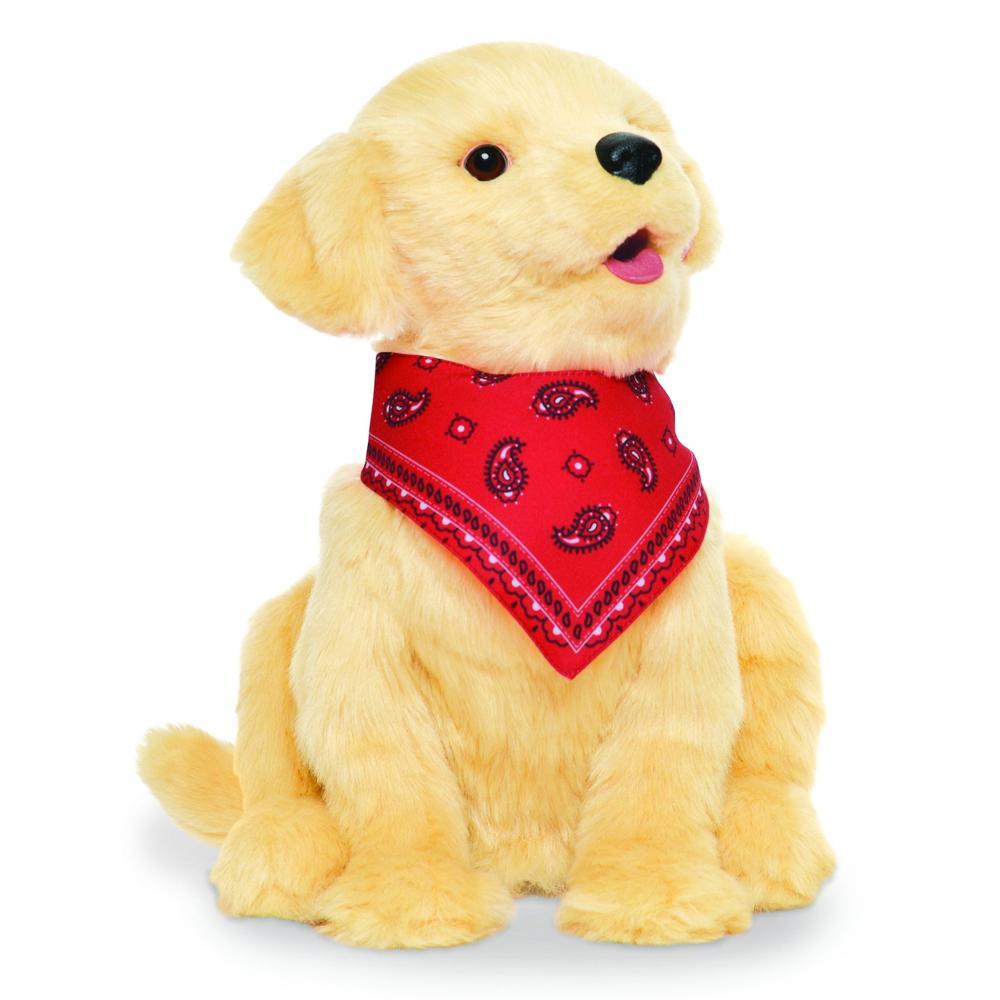
The pup model may suit people who:
- Previously lived with dogs
- Prefer obvious reactions such as barking and tail movement
- May find a heartbeat sensation soothing
- Like dogs more than cats
- Need an easy conversation starter with family or care staff
The official price is $179.99. At $1 = ¥160, that is about ¥28,800. The official dimensions and weight are the same as the cat: 15.24 x 9.02 x 10.12 inches and 3.9 pounds. It also uses four C batteries.
Walker Squawkers: More Practical Than Cuddly
Joy for All also offers Walker Squawkers, small bird companions for walkers.
Unlike the cat and pup, Walker Squawkers are not primarily lap pets. They attach to a walker and can chirp when the walker is left behind, helping remind the user to bring it along.
Walker Squawkers may suit people who:
- Use a walker
- Sometimes walk away without the walker
- Want a practical reminder with a friendly character
- Do not have room for a larger robotic pet
- May engage more with a walker if it feels more personal
If the cat and pup are "comfort pets," Walker Squawkers are closer to small mobility-support companions.
Price and Purchase Information
Official Price
As of July 2026, official pricing is shown as follows:
| Type | Official Price | At $1 = ¥160 | Main Appeal |
|---|---|---|---|
| Companion Pets – Cat | $159.99 | About ¥25,600 | Meows, purring, touch response, cat-like movement |
| Companion Pets – Pup | $179.99 | About ¥28,800 | Barking, tail wagging, heartbeat, BarkBack technology |
| Walker Squawkers | Check retailer | Check retailer | Bird companion for walker reminders |
These are U.S. prices. If buying from Japan or another country, check shipping, duties, exchange rates, seller support, and warranty terms.
How to Buy
Joy for All sells through its official site and, depending on inventory, may direct shoppers to Amazon.com.
Before buying, check:
- Whether the seller is authorized
- Whether international shipping is available
- Shipping, duties, and return terms
- Who handles defects or warranty claims
- Whether a family member or caregiver can help with batteries and cleaning
Main Features and How They Work
Main Cat and Pup Features
- Voice response
- Touch response
- Realistic fur
- Meows or barks
- Cat purring
- Pup tail movement
- Pup heartbeat sensation
- Sleep mode
- On / Mute / Off switch
- Battery operation
According to the official FAQ, the cats and pups have On, Mute, and Off modes. When left unused, they enter sleep mode and can be reactivated with gentle petting.
What the Review Video Shows
The video shows a black-and-white tuxedo cat model and walks through batteries, switches, touch sensors, movement, fur texture, and how it compares with another robotic cat.
Useful buying notes from the video include:
- Batteries are changed by opening the hook-and-loop panel on the back and removing a screw
- The screw is captive, but a small screwdriver is still needed
- Older adults or people with limited hand mobility may need help changing batteries
- The switch has Off, Mute, and On settings
- Mute mainly keeps purring, while On also plays meows
- The head, cheeks, back, and belly have touch sensors
- The cat sleeps after a few minutes and wakes when touched again
- The ears move, and the mouth opens when it meows
- Movements include rolling over and bringing a paw toward the mouth like grooming
- The fur is soft and comes with a brush, but some shedding can happen at first
- The body is somewhat firm, so it is not the same as a fully soft plush toy
- After purchase, test the sensors, sounds, switches, battery area, and movement during the return window
Cleaning and Hygiene
Joy for All Companion Pets are plush-style products with electronics inside, so they should not be soaked or washed under running water.
The official FAQ recommends cleaning with a non-toxic toy cleaner, dry towel, disinfecting wipe, and brush. In shared settings, hand hygiene before and after use is also important.
This is still much less care than a live pet, but it is not completely maintenance-free. If the user cannot clean or maintain it alone, a family member or caregiver should be ready to help.
Is There Research Around Dementia Care and Loneliness?
Joy for All Companion Pets are also discussed in care, loneliness, and dementia-related contexts.
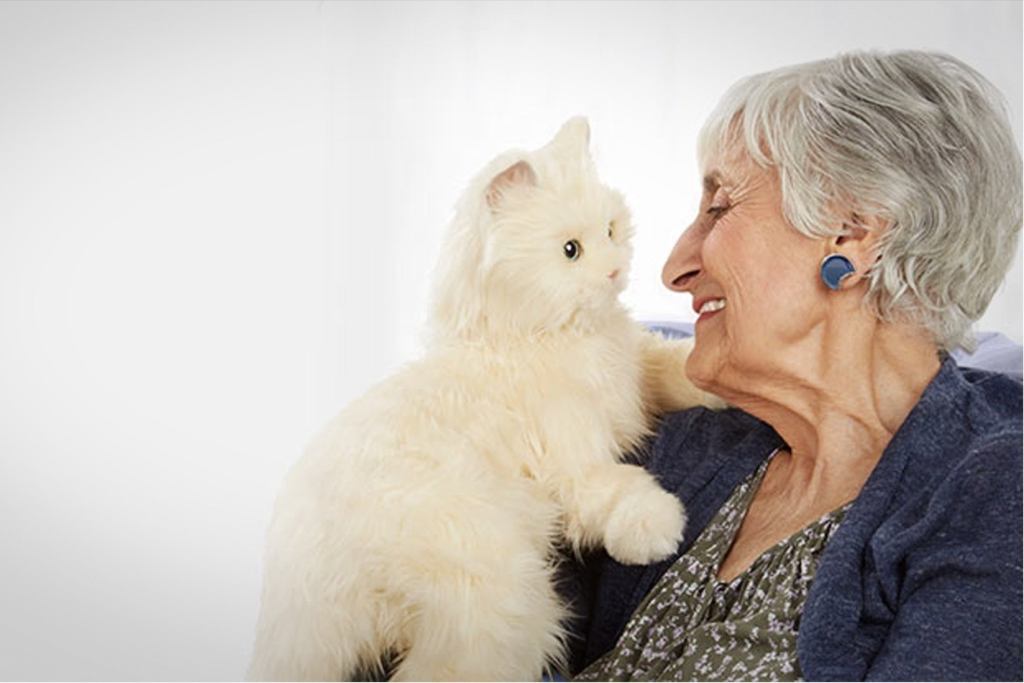
Ageless Innovation's research page lists multiple studies and references involving robotic cats, robotic dogs, care homes, and older adults with dementia during COVID-19 restrictions.
One long-term care facility study involving 11 residents with dementia reported reduced agitation scores after interaction with a robotic cat, while also noting that the sample size was small.
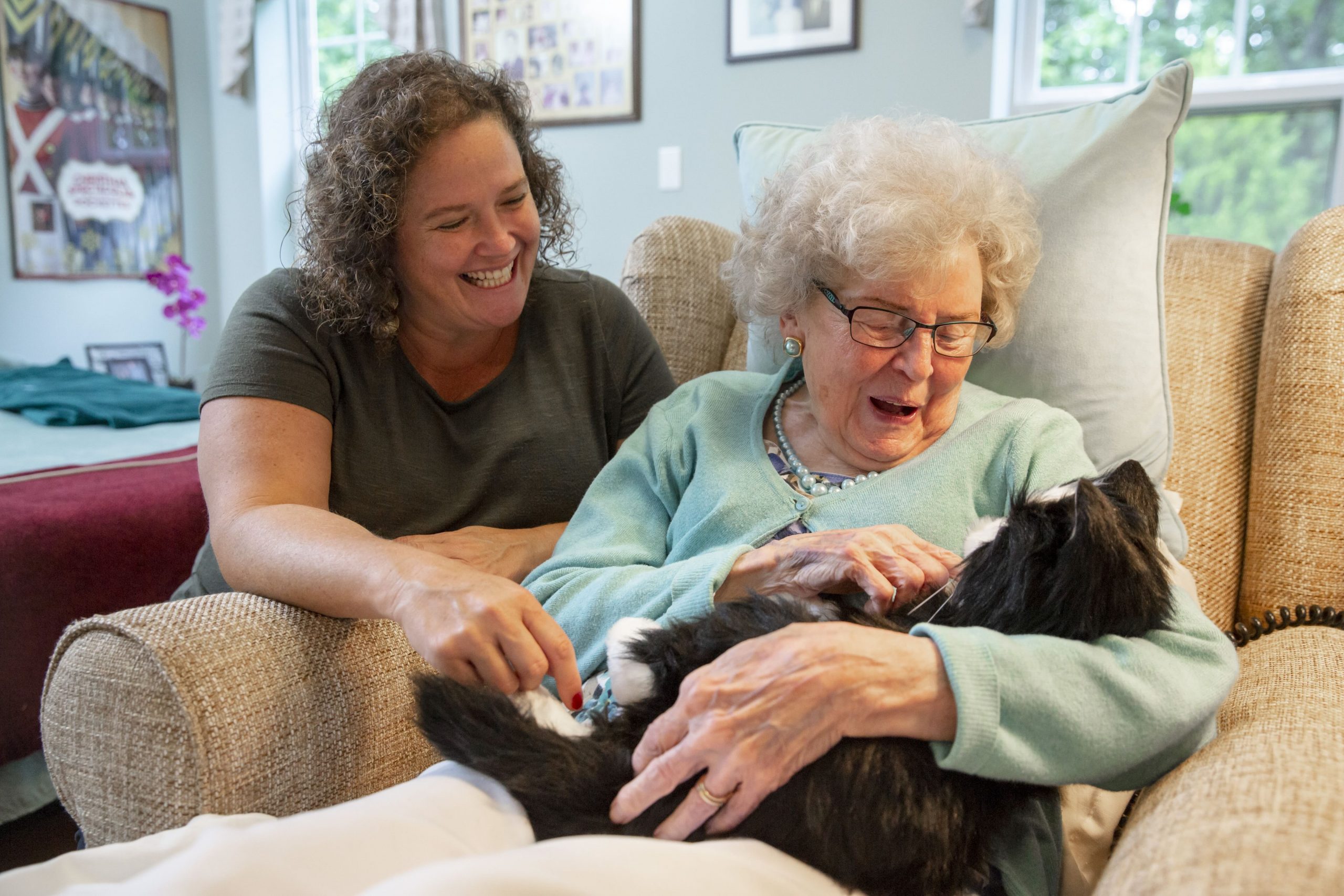
Another study during COVID-19 found improvements in depression and loneliness among older adults with mild to moderate dementia after interacting with robotic companion dogs or cats.

A care-home study in Cornwall, United Kingdom, also reported potential benefits for neuropsychiatric symptoms and caregiver burden after using Joy for All cats and dogs.

These findings do not mean the pets work for everyone. Response depends on the person's preferences, dementia stage, past pet experience, sensitivity to sound, and how family or care staff introduce the robot.
Reviews
Positive Reviews
For pet loss
Our cat passed away, and since we can no longer keep a pet, we welcomed this highly rated Joy for All cat.
The manual is in English and three other languages, not Japanese, but it is simple enough to understand.
The meow sounds a little artificial, but once you get used to it, it is very cute. It is inconvenient that the volume cannot be adjusted.
It needs four C batteries. Batteries were included, but they ran out quickly.
It cannot be compared with a real cat, but as a robot it feels realistic. It is pleasant to touch and has become popular in our home. The weight feels very real, it is cute on the lap, and even when left alone it sometimes meows, which makes you want to care for it.
I deducted one star because the motor sound is loud, but I am glad I bought it.
Source: Amazon.co.jp customer review
What a wonderful invention!
I love cats. It looks like a real cat and sounds like a real cat. After petting it for a few days, it even began to feel like a real presence. The meow is well done and sounds natural. If you stop petting it for a while and place your hand on its head, it reacts almost like a sigh. Sometimes it wakes up even when you are not touching it.
The only drawbacks are the clicking sound when the ears move and the slight mechanical noise when the limbs move. But this is a robotic cat. I think it is the next best thing to a real cat, especially for someone living in an apartment where pets are not allowed. You do not need to feed it, clean up after it, or take it to the vet. There is also a mute button when you do not want it to meow.
It is good for any age. Just holding and petting it can ease anxiety. It is worth the price.
P.S. About a year after purchase, I bought two replacements directly from Hasbro. The more you pet it, the more the internal mechanism seems to wear out, and it does not seem to be a battery issue. It is inconvenient because I love the pet, but perhaps it is like real life: eventually you say goodbye and welcome another one. It cannot be repaired.
Source: Amazon customer review
The first review shows how the cat can help someone who misses a real pet but cannot keep one. The reviewer especially values the touch, lap weight, occasional meows, and the feeling of wanting to care for it.
The second review also praises the look, sound, touch response, and anxiety-relieving effect. It also highlights practical benefits: no feeding, no cleaning, no vet visits, and a mute option.
At the same time, both reviews mention buying cautions: no Japanese manual, artificial sound, no volume control, battery use, motor noise, and possible internal wear over time.
Critical Reviews
Cute, but…
Even though I did not handle it roughly, it broke in less than two months.
Amazon and the seller both said they could not do anything because more than one month had passed.
I was told to contact the overseas manufacturer directly and was left on my own.
I would strongly advise against buying from such an irresponsible seller.Source: Amazon.co.jp customer review
The movement felt awkward and scary
I bought it because I thought my elderly mother seemed lonely in her facility, but she rejected it after one try.
She said the movement was strange and scary, and she could not easily understand how to turn it on and off. It was over after one day. Some secondhand shops refused it for hygiene reasons, and when I finally found one that would buy it, I got only 300 yen. It is expensive, so please buy carefully.Source: Amazon.co.jp customer review
Not for everyone
I bought this because I missed my cat who had passed away. Because of illness, I cannot care for another cat. At first it was a novelty, but it quickly became quite bothersome. The sound is fairly loud, which may be good for people with hearing loss, but it is not suitable for people who are sensitive to sound. There is no volume control. The other option is to put it in silent mode so it only purrs occasionally.
It is also firm rather than cuddly. It is meant to sit on your lap and be petted, not to be squeezed like a soft plush toy. The mechanism that moves it also sounds like a groan. I know it is popular with people with dementia, but for me the novelty wore off quickly and it was put away.
Source: Amazon customer review
The critical reviews point to three practical risks: warranty and seller support, whether the user finds the movement pleasant or unsettling, and whether the sound and firmness match expectations.
For gifts to older adults, especially in care facilities, it is worth checking whether the user is comfortable with robotic movement, whether someone can help with the switch, and whether the return window is long enough to test the product properly.
Patterns Seen in Reviews and Care Use
Joy for All Companion Pets tend to be valued less for advanced technology and more for immediate, intuitive interaction.
Common positives include:
- No live-pet care burden
- Simple touch response
- Easy for older adults to understand
- Can start conversations in care settings
- May work through touch even when verbal interaction is difficult
Common cautions include:
- Not a conversational AI pet
- Limited reaction patterns
- Battery replacement is required
- Fur and hygiene care still matter
- Seller, model, warranty, and review target can vary
Specs
| Item | Companion Pets – Cat | Companion Pets – Pup | Walker Squawkers |
|---|---|---|---|
| Type | Robotic cat | Robotic dog | Bird companion |
| Main use | Comfort, loneliness support, dementia-care support | Comfort, loneliness support, dementia-care support | Walker reminder and mobility support |
| Main responses | Meows, purring, touch response | Barks, tail wagging, heartbeat, voice response | Chirps in response to movement |
| Official price | $159.99 (about ¥25,600) | $179.99 (about ¥28,800) | Check retailer |
| Size | 15.24 x 9.02 x 10.12 inches | 15.24 x 9.02 x 10.12 inches | 3.93 x 1.96 x 3.14 inches |
| Weight | 3.9 pounds | 3.9 pounds | 7.8 ounces |
| Power | Four C batteries | Four C batteries | Three AAA batteries |
| Conversation | No natural-language conversation | No natural-language conversation | No natural-language conversation |
| App | Not app-based | Not app-based | Not app-based |
| Monthly fee | One-time product purchase | One-time product purchase | One-time product purchase |
FAQ
Can Joy for All Companion Pets talk naturally?
They are not natural-language conversation robots. The cats and pups focus on animal-like responses such as meows, purring, barking, touch reactions, and movement.
Are they easy for older adults to use?
In many cases, yes. The basic interaction is simple: pet, hold, and talk to the animal. That said, battery replacement and switches may require help.
Can they help someone with dementia?
They may help some people. Several research summaries and care-use examples discuss robotic pets for dementia-related comfort, agitation, loneliness, and engagement. The response varies by person.
Should I choose the cat or the pup?
Start with the person's past pet preference. Cat lovers may prefer the cat. Dog lovers may prefer the pup. The cat may feel calmer, while the pup offers more obvious barking and tail movement.
Is Walker Squawkers also a robotic pet?
It is a bird-shaped companion, but its role is different. It is designed around walker use and reminders rather than lap comfort.
Do the batteries need to be changed?
Yes. Cats and pups use four C batteries. Walker Squawkers use three AAA batteries. If the user has limited hand mobility, someone should be available to help.
How should they be cleaned?
Do not soak them or wash them under running water. Use a non-toxic toy cleaner, dry towel, disinfecting wipe, and brush as recommended by the official FAQ.
Overall Assessment
Joy for All Companion Pets are easy to understand and emotionally direct. They are not the best choice for people who want AI conversation, app integration, reminders, or advanced smart features.
Their value is different: they give a pet-like presence that can be stroked, held, heard, and noticed in the room.
They may be especially suitable for older adults who used to live with cats or dogs, people who cannot keep live pets, and care settings where a robotic pet can become a gentle conversation starter.
Before buying, check availability, seller reliability, warranty, shipping, return terms, batteries, cleaning, and whether the recipient is comfortable with robotic movement and sound.
Joy for All Companion Pets vs. Mia
Joy for All Companion Pets and Mia both aim to ease loneliness, but they do it in different ways.
| Comparison | Joy for All Companion Pets | Mia |
|---|---|---|
| Form | Plush-style cats, pups, and birds | Compact cat-shaped robot |
| Main appeal | Meows, purring, tail movement, heartbeat, touch response | 47 Japanese dialects, expressions, voice conversation, Google Calendar integration, weather updates, 15 English characters |
| Interaction style | Petting, holding, animal-like responses | Talking companion, daily voice prompts, reminders, weather |
| Conversation | No natural-language conversation | Voice conversation |
| Best for | People who want pet-like touch | People who want Japanese and English voice interaction |
| Price range | $159.99-$179.99 (about ¥25,600-¥28,800) | From ¥9,800 including tax |
Joy for All Companion Pets are better for people who want to stroke, hold, and hear a pet-like companion. They work through touch and atmosphere more than words.
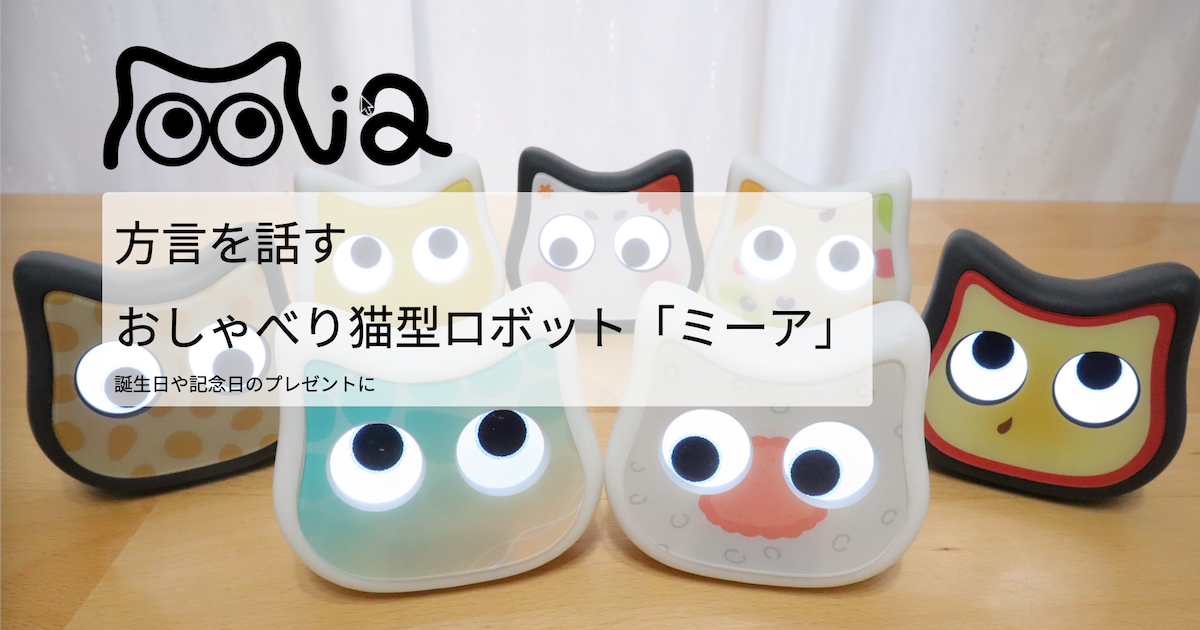
Mia is closer to a talking companion. It supports 47 Japanese dialects, facial expressions, voice conversation, Google Calendar integration, weather updates, and 15 English characters. It is suitable for people who want not only Japanese but also English voice interaction.
The choice is easier if you separate the goals:
- Want petting, holding, and animal sounds: Joy for All Companion Pets
- Want Japanese and English voice interaction: Mia
- Want to reconnect with memories of living with cats or dogs: Joy for All Companion Pets
- Want dialects, reminders, weather, and daily voice prompts: Mia
- Want a plush, pet-like body: Joy for All Companion Pets
- Want a compact, lower-priced talking robot: Mia
👇 Mia, the chatty cat robot with 47 Japanese dialects
Summary
Joy for All Companion Pets are strong because they are easy to understand. The cat offers quiet comfort, the pup offers more obvious reactions, and Walker Squawkers serve a more practical walker-reminder role.
The series has research and care-use references around loneliness and dementia, but it is not suitable for everyone. Some users love the pet-like presence; others are bothered by sound, mechanical movement, firmness, battery handling, or seller support.
If you are buying one for an older parent, start with three questions: Are they a cat person or a dog person? Do they want touch or conversation? Who will help with batteries and cleaning?
👀 You may also like:
👉 2026 Guide: AI Pet Robots for Elderly Loneliness – A Comparison of 10 Companion Robots
👉 2026 Edition: 9 Recommended Pet Robots Under $150 – Cheap, Cute, and Healing Models
👉 Monthly and Maintenance Costs of Pet Robots: Moflin, LOVOT, Mia, and More
👉 Mia – Your Chatty AI Cat Companion Robot with 100+ Expressions