- Why Do Soft AI Pet Robots Feel Comforting?
- Key Takeaway: For Touch-Based AI Pets, "Do I Want to Touch It?" Matters More Than Specs
- Comparison Table: AI Pet Robots by Touch and Warmth
- 1. Softness: Wanting to Touch It Is the First Step
- 2. Warmth: Temperature Can Make a Robot Feel More Alive
- 3. Holding Comfort: Weight and Size Create Presence
- 4. Response to Stroking: Touch Needs a Reply
- Are Non-Touch Robots Worse?
- Research Lens: Touch Can Become Emotional Interaction
- What to Check Before Buying
- Conclusion: Choose Touch-Based AI Pets by What Happens After You Touch Them
Why Do Soft AI Pet Robots Feel Comforting?
When people compare AI pet robots, they often focus on conversation, cameras, mobility, apps, and price.
But if the question is attachment, one of the most important factors is much more physical:
Touch.
Holding a robot. Stroking soft fur. Feeling weight in your hands. Sensing gentle warmth. Getting a small sound or movement in response. These experiences can make a robot feel less like a device and more like something you are interacting with.
Real pets create attachment through touch all the time. A cat sits on your lap. A dog leans against you. You feel warmth, weight, breathing, fur, and small reactions. Those bodily cues help people read comfort, trust, and relationship.
AI pet robots are not living animals. But touch and warmth can still make them feel more present.
This article focuses on one specific question: how soft touch, warmth, and holding comfort create attachment in AI pet robots.

Key Takeaway: For Touch-Based AI Pets, "Do I Want to Touch It?" Matters More Than Specs
Touch-based AI pet robots are easier to understand if you break them down into several physical cues.
| Touch cue | What users may feel | Similar pet experience | Examples |
|---|---|---|---|
| Softness | I want to stroke or hold it | Fur, plush toys, blankets | Moflin, Qoobo, Cupboo |
| Warmth | It feels more alive and close | Body warmth, lap sitting | LOVOT |
| Holding comfort | It feels calming or care-worthy | Holding a small dog or cat | Moflin, LOVOT, PARO, Tombot Jennie |
| Response to stroking | My action reached it | Purring, tail movement, small sounds | Moflin, Qoobo, PARO |
| Weight | It feels physically present | The weight of a pet on your lap | LOVOT, PARO, Tombot Jennie |
| Hygiene and safety | It can be used long term | Grooming, cleaning, heat safety | Moflin, LOVOT, Qoobo |
For this category, the best robot is not always the smartest one.
A robot may have advanced conversation but still fail as a touch-based companion if people do not want to hold it. On the other hand, a robot with no speech can still create attachment if softness, weight, response, and warmth feel right.
Comparison Table: AI Pet Robots by Touch and Warmth
| Product | Main touch design | Softness | Warmth | Holding comfort | Response | How it creates attachment | Main cautions |
|---|---|---|---|---|---|---|---|
| Moflin | Soft fur, holding, stroking, sounds | Strong | Weak | Strong | Strong | Emotion and personality develop through interaction | No mobility or conversation |
| LOVOT | Warm body, softness, full-body touch | Medium | Strong | Strong | Strong | Warmth, touch sensors, movement, and care routines | Price, subscription, heat safety |
| PARO | Holding, stroking, calm reactions | Strong | Limited | Strong | Medium | Comfort and engagement in care settings | Different price and use context from consumer AI pets |
| Qoobo | Fur, cushion body, tail response | Strong | No | Medium | Medium | Ambiguous nonverbal comfort through tail movement | No face, speech, or mobility |
| Cupboo | Plush-like AI companion experience | Strong | Check specs | Medium | Medium | Familiar plush form with AI-like responses | Specs and reviews need checking |
| Tombot Jennie | Realistic dog-like holding and stroking | Medium | Limited | Strong | Medium | Care robot designed to feel closer to a real dog | Availability, price, and Japan support |
These robots do not use touch in the same way.
Moflin is a soft, holdable AI pet. LOVOT uses warmth and whole-body interaction. PARO is a therapeutic robot designed for calm touch in care contexts. Qoobo uses only a cushion body and tail movement to invite emotional interpretation.
1. Softness: Wanting to Touch It Is the First Step
For a touch-based AI pet, the first question is simple:
Does the robot make you want to touch it?
Soft objects, fur-like textures, rounded shapes, and plush materials can lower the barrier to interaction. A voice robot asks the user to start a conversation. A mobile robot asks the user to understand movement and settings. A soft robot can begin with a much simpler action: touching it.
Moflin: Attachment Through Holding, Not Conversation
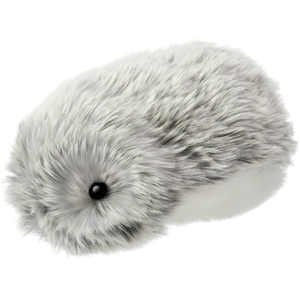
Moflin is a soft AI pet from Casio. Its official materials describe an AI pet whose emotion and personality develop through daily interaction such as stroking, holding, and talking to it.
Moflin is important because it does not center on human-like conversation.
It uses sounds, small body movements, holding comfort, and emotional change. The user pays attention less to "What did it say?" and more to "How did it react when I held it?" or "Does it seem different today?"
That makes Moflin a strong example for explaining why a non-speaking robot can still create attachment.
2. Warmth: Temperature Can Make a Robot Feel More Alive
Warmth is a special kind of touch cue.
Cold plastic and a gently warm body create very different impressions. Warmth can make a robot feel closer to a living body, especially when the user holds it.
But warmth also creates safety considerations. If a robot is held for a long time, users should understand heat management, manufacturer guidance, and low-temperature burn cautions.
LOVOT: Warmth and Softness Make the Robot Holdable
LOVOT is one of the clearest consumer examples of warmth as attachment design. Its technology page describes full-body touch sensing and a body designed to feel soft and warm enough to hold.
LOVOT's touch design works together with movement.
It approaches. It looks up. A person picks it up. It can be held. The warm body then turns mobility into physical closeness.
That is why LOVOT is hard to judge by price and features alone. The question is whether the household will naturally want to hold it, touch it, and include it in daily routines.
At the same time, warmth should be treated as a safety feature, not just a comfort feature. Users should read official safety guidance, especially around long contact.

3. Holding Comfort: Weight and Size Create Presence
Holding comfort is not only softness.
If a robot is too light, it may feel like a toy. If it is too heavy, it may be hard to handle. A robot's size and weight matter when it sits on a lap, rests in arms, or stays on a sofa.
Real pets create presence partly through weight. A cat on your lap or a small dog in your arms is not just visible. It is physically there.
AI pets can use the same channel.
PARO: Calm, Holdable Interaction in Care Settings
PARO is a therapeutic seal robot. Its official information describes tactile, light, sound, temperature, and posture sensors, along with responses to stroking, holding, and voice.
PARO is not a modern conversational AI robot.
Its value is that people can hold it, stroke it, and receive calm, readable reactions. In medical and care settings, that simplicity matters.
Research on PARO includes randomized trials involving older adults with dementia and chronic pain, as well as studies comparing PARO with plush toys. These studies are useful because they show that touch and interaction can become part of care, engagement, and emotional response.
For AI pet comparison articles, PARO is not just an old robot. It is one of the most important examples of touch as therapeutic interaction.




Tombot Jennie: Realistic Dog-Like Comfort
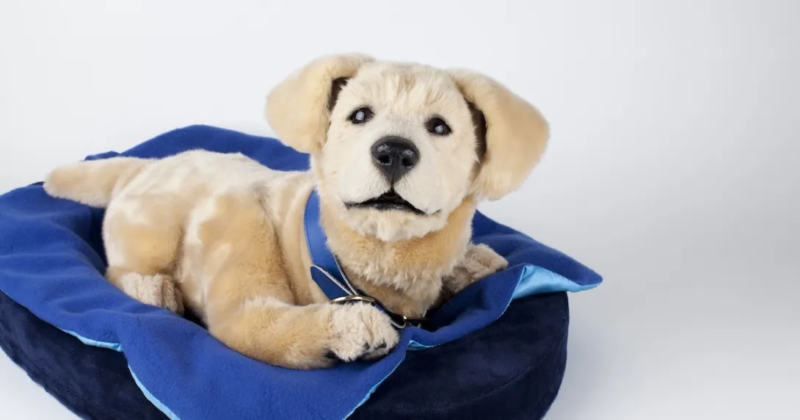
Tombot Jennie is a realistic dog-like care robot.
Unlike a walking robot dog such as aibo, Jennie is easier to understand as a robot designed around holding, stroking, and dog-like emotional support.
For people who cannot keep a real dog because of dementia, grief, allergies, housing limits, or care needs, a realistic dog-like form can have real emotional meaning.
The caution is expectation. The closer a robot looks to a real dog, the more people may compare it with a real dog. Availability, pricing, shipping, repairs, and support should be checked carefully.
4. Response to Stroking: Touch Needs a Reply
A soft robot can be comforting even without a response.
But for attachment, response matters.
If a tail moves when you stroke it, if a robot makes a sound when held, or if its reaction changes depending on touch, the user feels that their action reached the robot.
That loop is important. The user touches, the robot responds, the user touches again. Over time, the robot can feel less like an object and more like a partner in a small interaction.
Qoobo: Tail Movement as Minimal Touch Communication
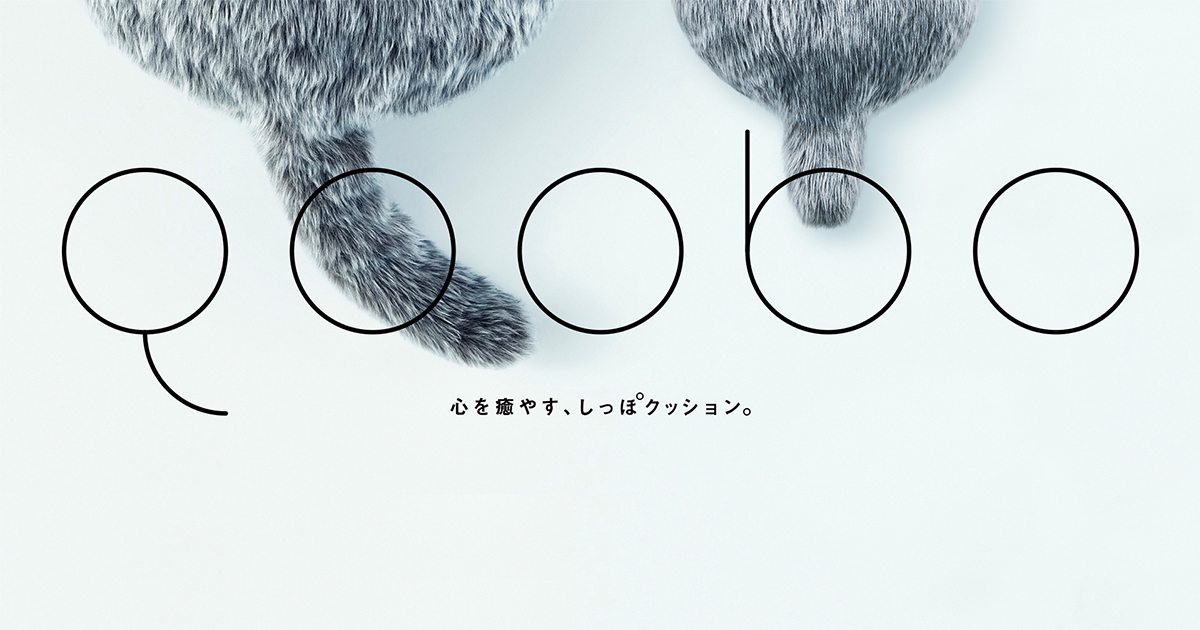
Qoobo is a cushion-style therapy robot with a tail. Its official site explains that the tail reacts differently depending on how the user strokes it.
Qoobo has no face, no speech, and no advanced conversational AI.
That is part of the design. Because expression is reduced to tail movement, users can project emotion into it more freely. A small tail reaction can feel like mood, attention, or comfort.
Qoobo is a useful example of how very minimal touch feedback can still create attachment.

Cupboo: Plush AI Companions Sit Between Touch and Conversation
Cupboo fits into the broader category of AI plush companions and soft interactive toys.
This type sits between Moflin/Qoobo-style tactile comfort and voice-based AI companions.
For readers, the main questions are practical: Is it pleasant to hold? Does it feel calming? Are the reactions natural? Is it suitable for children or older adults? Can it be cleaned? Does it record audio or connect to an app?
AI plush products vary widely, so specs, age guidance, materials, privacy, and real-world reviews matter.


Are Non-Touch Robots Worse?
No.
Touch and warmth are powerful, but they are not the only way to create attachment.
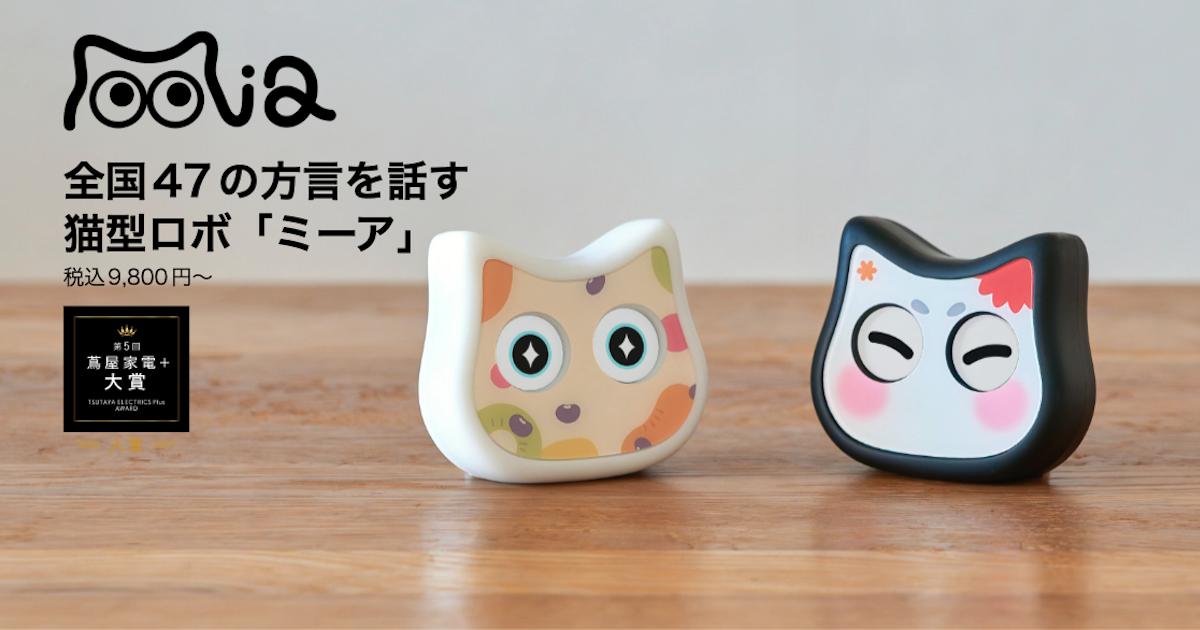
Mia (ミーア), for example, is a fixed cat-shaped AI pet robot. It does not create attachment through holding comfort or a warm body. It creates presence through voice, expressions, Japanese dialects, and family messages.
That is a different design path.
If you want to be soothed by touch, Moflin, LOVOT, PARO, or Qoobo may fit better. If you want daily voice prompts, family messages, dialects, reminders, or weather updates, voice design may matter more than touch.
When choosing an AI pet, separate two needs:
- Do you want something to touch and hold?
- Or do you want something that talks and prompts daily interaction?

Research Lens: Touch Can Become Emotional Interaction
Research is useful here because it explains why touch can matter even when a robot is not alive.
The point is not to claim that every soft robot is therapeutic. The point is to understand why texture, warmth, weight, and response can support attachment.
1. Designing Robots That Invite Touch
The paper "Inviting Robot Touch (By Design)" frames robot touch not only as input, but as social and emotional interaction.
For AI pet robots, the question is not simply whether a robot has touch sensors.
The better question is whether the robot's shape, material, reaction, and distance invite people to touch it naturally. Moflin's softness, LOVOT's warmth, Qoobo's tail, and PARO's holdable body are all good examples of touch being designed as an interaction channel.

2. Affective Touch: Touch Supports Emotion, Not Just Information
Research on affective touch treats touch as a way to support emotional experience in human-human, human-robot, and human-virtual interactions.
Touch is not only data transmission. It can support comfort, closeness, care, and perceived presence.
In AI pets, stroking, holding, tail movement, vibration, softness, and warmth can all work as affective touch cues.

3. Combining Conversation and Touch Is Still Developing
A 2026 scoping review discusses robots that combine verbal empathy with tactile interaction such as holding, stroking, warmth, and vibration.
This lens helps clarify the current market.
Many AI companions are strong in conversation. Others are strong in touch.
Mia (ミーア), Romi, ElliQ, and Moxie create relationships mostly through voice and dialogue. Moflin, Qoobo, PARO, and LOVOT create relationships through touch, body, and physical interaction. Future companion robots may need to combine both more naturally.

What to Check Before Buying
Can it be kept clean?
Soft robots need care.
Check whether the cover can be cleaned, wiped, brushed, or replaced. This matters especially for children, older adults, and shared care environments.
Is warmth safe for long contact?
Warmth can be comforting, but it should be used safely.
For robots such as LOVOT that emphasize warmth, read official safety guidance and understand how long contact, sleeping, and holding should be handled.
Are the materials comfortable for the user?
AI pets can be useful for people who cannot keep real animals.
But fabric, fur-like materials, and plastics can still irritate sensitive skin. Check materials and care instructions when the user is a child, an older adult, or someone with skin sensitivity.
Is touch enough?
Touch-based AI pets may be weak in conversation, reminders, mobility, or monitoring.
That is fine if you want quiet comfort. But if you expect conversation, family messages, schedules, or remote monitoring, a touch-first robot may feel limited.
Conclusion: Choose Touch-Based AI Pets by What Happens After You Touch Them
Soft AI pet robots are hard to evaluate by specs alone.
The important question is what happens when you touch them.
- Do you naturally want to stroke it?
- Does holding it feel calming?
- Is warmth pleasant and safe?
- Does it respond when touched?
- Do size and weight fit your home and body?
- Can it be kept clean?
- Do you prefer touch over conversation or mobility?
Moflin, LOVOT, PARO, Qoobo, Cupboo, and Tombot Jennie all use touch in different ways.
Softness alone is not enough. Warmth alone is not enough. Holding alone is not enough.
A touch-based AI pet becomes compelling when it invites touch and then gives a response that feels meaningful.
👀 You may also like:
👉 2026 Guide: AI Pet Robots for Elderly Loneliness – A Comparison of 10 Companion Robots
👉 2026 Edition: 9 Recommended Pet Robots Under $150 – Cheap, Cute, and Healing Models
👉 Monthly and Maintenance Costs of Pet Robots: Moflin, LOVOT, Mia, and More
👉 Mia – Your Chatty AI Cat Companion Robot with 100+ Expressions