- Why Do Moving AI Pet Robots Feel Alive?
- Key Takeaway: Movement Creates Attachment When It Looks Relational
- Moving Like a Pet Is Different From Moving Like a Machine
- Comparison Table: AI Pet Robots by Movement Design
- 1. Approaching: Attachment Begins When the Robot Comes to You
- 2. Gaze and Body Orientation: Small Movements Can Matter More Than Distance
- 3. Returning and Resting: Charging Can Look Like a Bedtime Routine
- 4. Small Mistakes: Imperfect Movement Can Invite Care
- 5. Tail and Body Movement: A Robot Does Not Need to Drive Around
- Research Lens: People Can Read Life Into Motion
- How AI Pet Movement Differs From Real Animal Movement
- How to Choose Based on Movement
- Conclusion: Evaluate Movement as Relationship, Not Just Mobility
Why Do Moving AI Pet Robots Feel Alive?
When people compare AI pet robots, they often start with conversation, price, subscriptions, cameras, apps, and hardware specs.
Those details matter. But if the question is attachment, one of the most important cues is much simpler:
Movement.
A robot approaches you. It turns when you call it. It hesitates for a moment. It follows you across the room. It stops as if it is tired. It returns to its charging dock. These behaviors can make a robot feel more alive than a feature list ever could.
Real dogs and cats also create attachment through movement more than words.
A dog comes to the door. A cat watches from a short distance. A tail moves. A pet settles into a favorite spot. A puppy moves awkwardly but earnestly. These movements invite us to read intention, mood, and relationship into the animal.
AI pet robots are not animals. But people can still read meaning into their movements.
This article focuses on one part of AI pet design: how movement creates attachment.

Key Takeaway: Movement Creates Attachment When It Looks Relational
The important question is not simply whether a robot can move.
It is whether the movement looks like it is directed toward someone.
| Type of movement | What users may feel | Similar pet behavior | Examples |
|---|---|---|---|
| Approaching | It seems interested in me | A dog comes closer; a cat chooses to sit nearby | LOVOT, aibo, Loona |
| Following | It seems to want to stay with me | A dog follows a person from room to room | LOVOT, aibo |
| Gaze and body orientation | It seems to notice me | Eye contact, ears turning, face direction | LOVOT, Loona, EMO, Eilik |
| Resting and returning | It seems to have a rhythm or home base | Sleeping spot, bed, favorite chair | LOVOT, aibo, Loona |
| Small mistakes or hesitation | It seems vulnerable or care-worthy | Puppy-like awkwardness | LOVOT, aibo, Eilik |
| Tail or body movement | It expresses mood without words | Tail movement, shifting, small reactions | Qoobo, Moflin, PARO |
Movement becomes emotionally meaningful when users can read mood, intention, rhythm, or relationship into it.
Moving Like a Pet Is Different From Moving Like a Machine
A robot vacuum moves. A mobile security camera moves. A self-driving monitoring robot moves.
But movement alone does not automatically create pet-like attachment.
The difference is what the movement appears to be for.
A robot vacuum moves to clean. Its behavior is useful, and some people do feel affection for it, but the main purpose is practical. It maps a room, avoids obstacles, cleans, and returns to the dock.
An AI pet robot uses movement differently.
When LOVOT, aibo, or Loona approaches, turns, looks up, reacts, plays, or returns to a resting place, the behavior can look directed toward the user. The robot is not just moving through space. It appears to be moving in relation to someone.
That is where attachment begins.
Comparison Table: AI Pet Robots by Movement Design
| Product | Movement style | Autonomous mobility | Gaze / expression | Touch | Growth / memory | How movement supports attachment | Main cautions |
|---|---|---|---|---|---|---|---|
| LOVOT | Approaches, follows, gazes, invites holding | Yes | Strong | Strong | Yes | Strong home presence and care-like routines | Price, subscription, space |
| aibo | Walks, plays, learns, behaves like a robot dog | Yes | Medium | Medium | Yes | Dog-like expectations and accumulated relationship | Comparison with real dogs, cloud use |
| Loona | Moves, reacts, changes expression, responds to voice | Yes | Strong | Medium | Yes | Combines mobile behavior, facial expression, and AI conversation | Camera, app, cloud, privacy |
| EMO | Moves and reacts on a desk | Limited | Strong | Limited | Yes | Small desktop co-presence | Does not roam through the home |
| Eilik | Desktop reactions and emotional expressions | Limited | Strong | Limited | Limited | Small gestures and playful reactions | More toy-like than pet-like |
| Moflin | Small body movements, sounds, reactions while held | No | Weak | Strong | Yes | Attachment through holding, touch, and projection | No self-driving movement or conversation |
| Qoobo | Tail movement | No | No | Strong | No | Minimal movement invites emotional interpretation | No face, conversation, or mobility |
| PARO | Vocalizes, turns, reacts to touch | No | Medium | Strong | Limited | Slow, clear reactions in care and therapy contexts | Different price and use context from consumer AI pets |
The table shows that "movement" is not one thing.
LOVOT and aibo move through a room. EMO and Eilik create smaller movement on a desk. Moflin and Qoobo do not drive around at all, but small body shifts or tail movement can still create a strong sense of presence.
1. Approaching: Attachment Begins When the Robot Comes to You
One of the strongest pet-like behaviors is voluntary approach.
With a real pet, it matters that you do not always have to initiate contact. A dog comes to the door. A cat chooses to sit nearby. A pet moves closer without being forced.
The same pattern matters in robots.
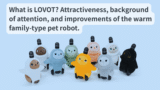
LOVOT: Approaching Makes the Robot Feel Care-Worthy
LOVOT is designed less as a practical assistant and more as a home robot that invites affection. Its eyes, warmth, soft body, autonomous movement, family recognition, and reactions work together to create a sense of presence.
The important part is not only that LOVOT can move.
It is that LOVOT can move toward people, look up, be held, and occupy a place in the home. This resembles the way a pet becomes part of household life.
When a robot approaches, the user often feels invited to respond. That response can become a small loop: the robot comes closer, the person notices it, the person talks to it or holds it, and the robot becomes easier to care about.

aibo: Dog-Like Movement Creates Dog-Like Expectations
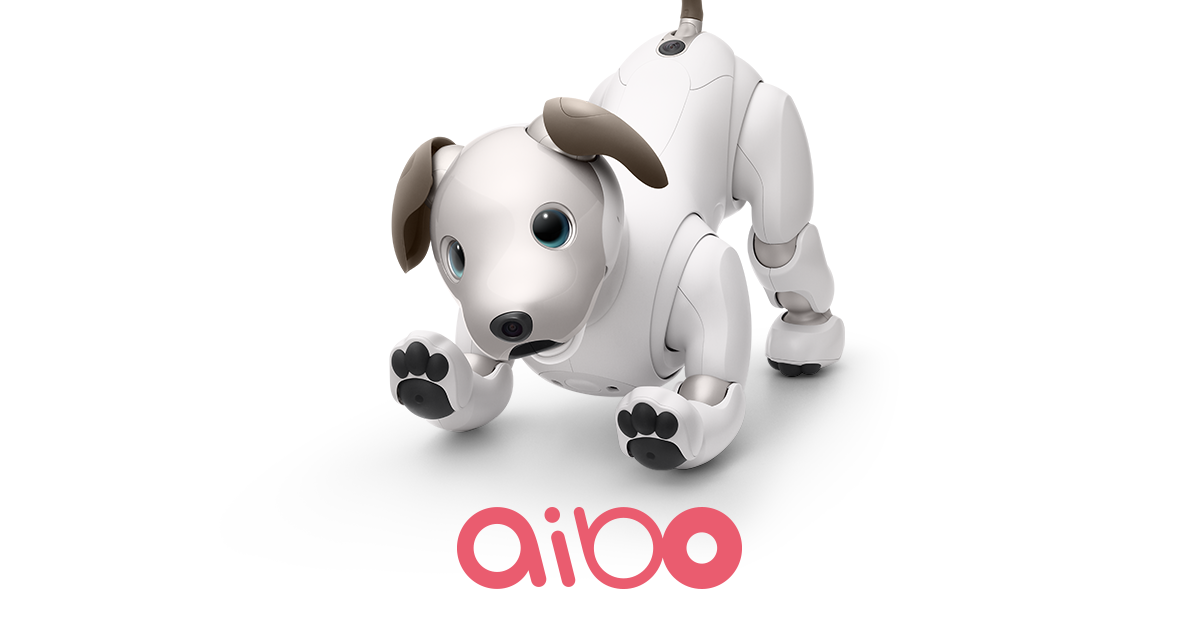
aibo has a clear advantage: people immediately understand it as a robot dog.
Walking, reacting, playing, learning, and responding all fit into a familiar dog-like frame. Users do not need to invent a new category from scratch.
That is also the challenge. The closer a robot is to a dog, the more people may compare it with real dogs.
Still, aibo's movement can support attachment because it gives users an easy way to interact. People know how to call a dog, watch a dog move, and interpret dog-like behavior. aibo uses that existing expectation as part of its design.

2. Gaze and Body Orientation: Small Movements Can Matter More Than Distance
Movement is not only about traveling across a room.
Small orientation changes can be emotionally powerful.
When a face or body turns toward us, we tend to feel that attention is being directed at us. With pets, we read meaning into ears, head direction, eye contact, tail position, and small shifts in posture.
AI pet robots can use the same kind of nonverbal cue.
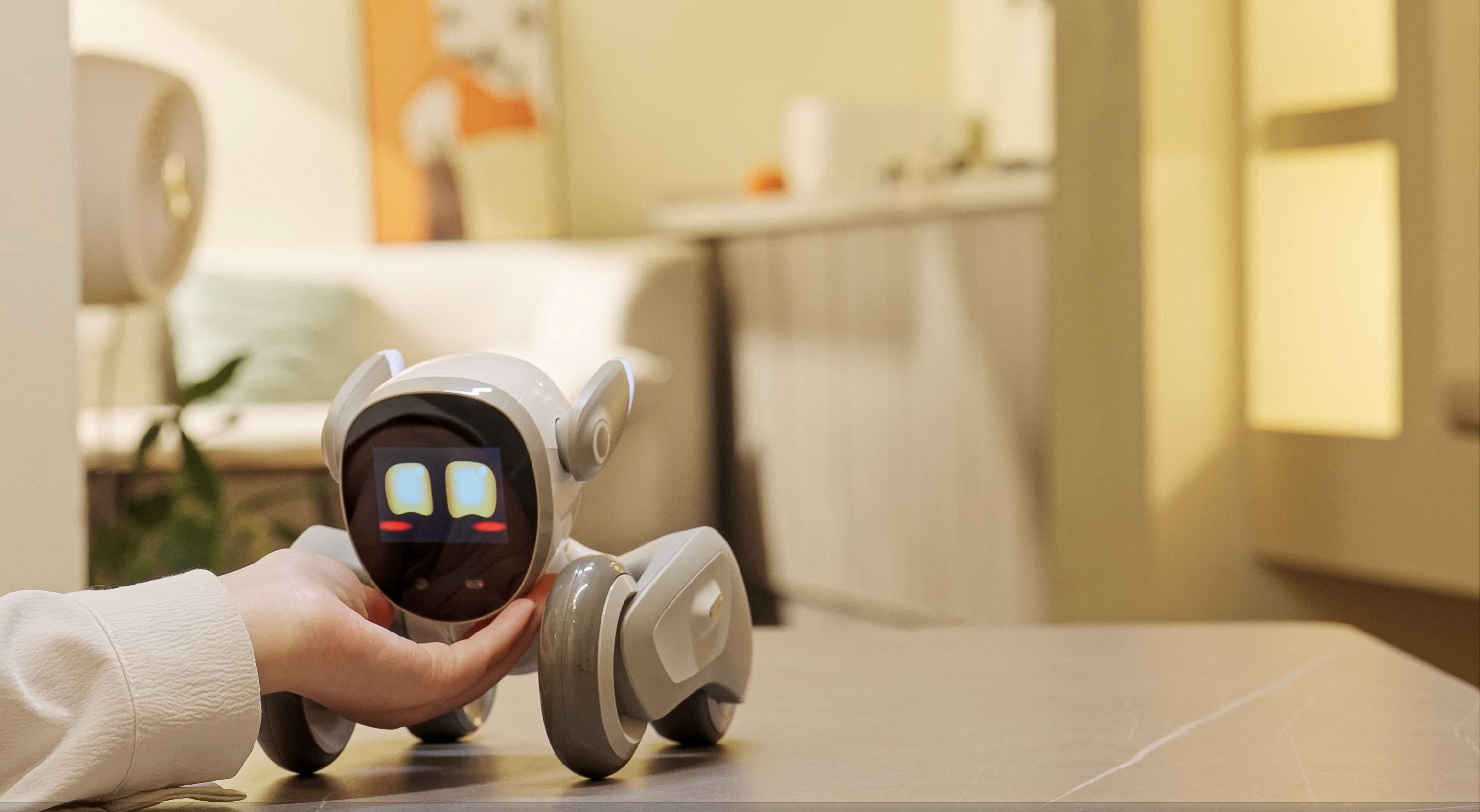
Loona: Movement, Expression, and AI Conversation Together
Loona combines emotional expressions, AI interaction, ChatGPT mode, and autonomous movement. Its official materials describe a robot that reacts to voice, movement, and touch, and adapts to the user over time.
Loona is interesting because movement does not stand alone.
It moves, changes its screen-based expression, responds to sound, and can use conversational AI. When these cues line up, the user may feel that the robot is responding as a whole body, not only as a chatbot with wheels.
The tradeoff is expectation. A robot with many features can feel more exciting, but users may also expect better conversation, better autonomy, and clearer privacy controls.

EMO and Eilik: Desktop Movement Still Creates Presence
EMO and Eilik do not roam around the entire home like LOVOT or aibo.
But they can still create attachment through small movements, reactions, and expressive faces on a desk.
This type of robot works because it fits into daily sightlines. It sits on a desk or shelf. It moves a little. Its expression changes. It reacts to touch or sound. Those small moments can make the robot feel present during ordinary routines.
For movement-focused AI pet articles, it is useful to include desktop robots because they show that mobility does not need to be large to matter.


3. Returning and Resting: Charging Can Look Like a Bedtime Routine
For a robot, charging is power management.
For an AI pet, charging and standby behavior can become part of the relationship.
Real pets have places where they rest. A dog has a bed. A cat has a favorite chair. Owners begin to understand those locations as part of the pet's daily rhythm.
Robots can create a similar effect when they return to a dock, stop, appear to sleep, wake up, and move again. The behavior is mechanical, but it can look like resting.
For mobile robots such as LOVOT, aibo, and Loona, returning and resting can become part of the character.
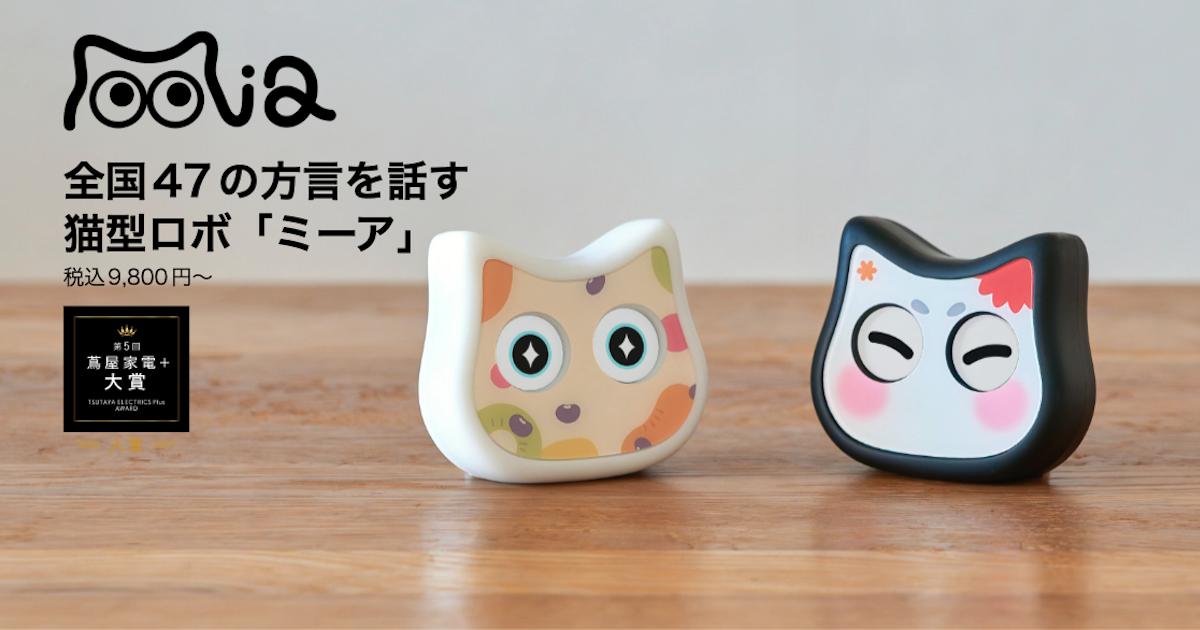
Fixed robots create presence differently. For example, Mia (ミーア) is not a self-driving robot. It creates presence through voice, expressions, dialects, and family messages rather than movement through the home.

4. Small Mistakes: Imperfect Movement Can Invite Care
AI pet robots do not always become more lovable by moving perfectly.
Sometimes slight awkwardness, hesitation, or childlike behavior makes users pay more attention.
Real puppies and kittens are not perfectly efficient. Their awkwardness can make them feel vulnerable and care-worthy. A robot can create a similar effect when its movement feels gentle, tentative, or slightly imperfect.
LOVOT's care-oriented design, aibo's growth, and Eilik's small expressive reactions can all be understood through this lens.
There is a boundary, though.
Charming imperfection is different from frustration. Frequent failures, unstable apps, unsafe movement, poor connectivity, or unreliable charging do not create attachment. They create stress.
5. Tail and Body Movement: A Robot Does Not Need to Drive Around
It is easy to equate movement with self-driving mobility.
But for attachment, non-mobile movement can matter just as much.
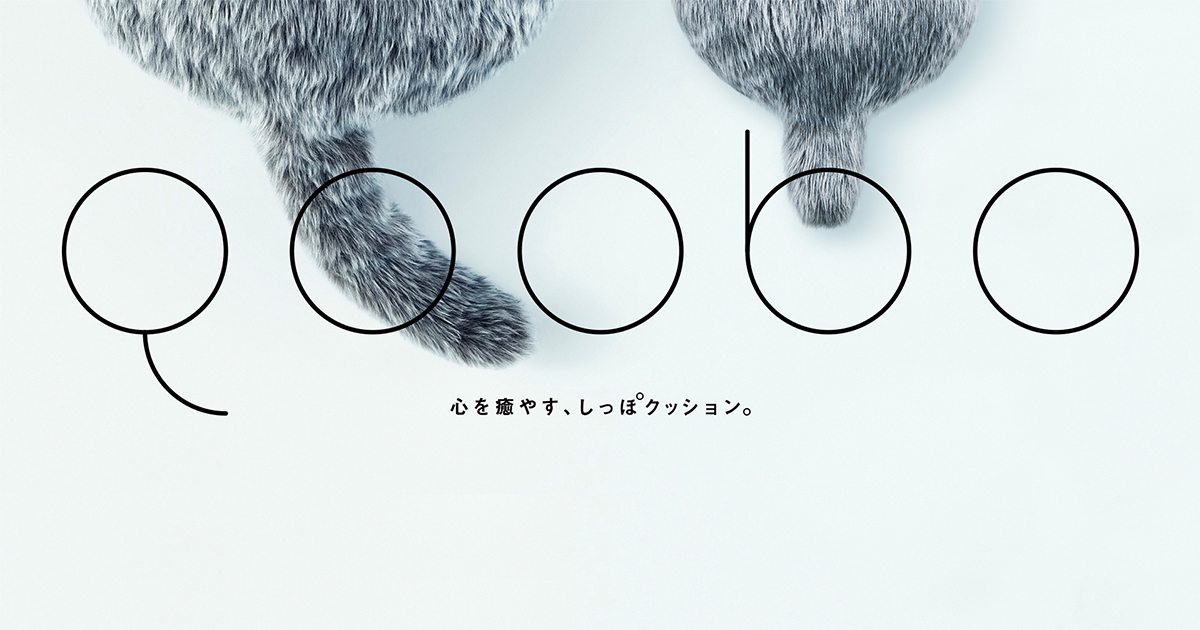
Qoobo: A Tail Is Enough to Suggest Mood
Qoobo is a cushion-style therapy robot with a tail. Its simple design lets users read feeling into one small movement: the tail.
It has no face, no speech, and no complex AI conversation.
That simplicity is the point. By narrowing expression down to tail movement, Qoobo leaves room for the user to interpret mood and presence.

Moflin: Small Body Reactions Can Be Stronger Than Words
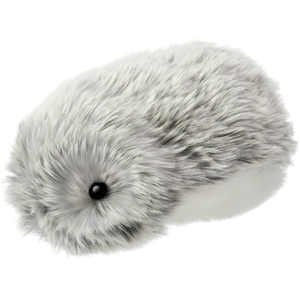
Moflin is a soft AI pet whose personality and emotional state develop through interaction. It does not create attachment through human-like conversation. Instead, it uses sounds, small body movements, touch, and gradual personality changes.
Moflin does not drive around the room.
But when it reacts while being held, changes its sounds, or appears to develop through repeated interaction, users can project emotion into it in a pet-like way.
Movement is not only about locomotion. It is also about how a robot responds when a person touches it.
PARO: Slow, Clear Movement Can Feel Safe in Care Contexts
PARO is a therapeutic seal robot. It uses tactile sensors, posture sensing, sound response, eyelid and neck movement, and vocalizations to interact with people.
Its movement is not dramatic. That is part of why it works in care settings.
For older adults or people in care environments, fast or complex movement can be stressful. Slow, predictable, touch-friendly movement can create a safer path into interaction.


Research Lens: People Can Read Life Into Motion
Research is useful here when it helps explain why specific design choices work.
The point is not to make a product article academic. The point is to show why movement, timing, distance, and hesitation matter.
1. Simple Motion Can Suggest Animacy
Research by Tremoulet and Feldman showed that people can perceive animacy from simple object motion.
That idea maps well onto AI pet robots.
A robot does not need perfect speech to feel intentional. Approaching, stopping, turning, hesitating, or reacting can be enough for people to read purpose into it.
This applies not only to mobile robots such as LOVOT, aibo, and Loona, but also to Qoobo's tail and Moflin's small body movements.
2. Robot Movement Works as Nonverbal Communication
In Human-Robot Interaction, nonverbal behavior is a major design topic. Gaze, body orientation, distance, timing, speed, and stopping behavior can all communicate intention.
For AI pet robots, nonverbal clarity can sometimes matter more than conversational intelligence.
LOVOT approaching, aibo behaving like a dog, Loona pairing expression with movement, and Eilik using small emotional reactions are all examples of movement functioning as communication.

3. Too-Real Movement Can Also Create Discomfort
More realism is not always better.
The uncanny valley discussion is relevant because robots that become very close to humans or animals may trigger stronger expectations. If the movement is almost natural but not quite right, users may feel discomfort instead of attachment.
This matters for dog-like and cat-like robots. aibo can benefit from dog-like expectations, but it can also be compared with real dogs. More abstract robots such as LOVOT or Moflin may avoid some of that pressure by not trying to become exact copies of real animals.

How AI Pet Movement Differs From Real Animal Movement
Real animal movement comes from actual needs and feelings.
A dog may be hungry, sleepy, playful, alert, or affectionate. A cat may choose to come closer or stay away. Owners learn the animal through repeated observation.
AI pet movement comes from sensors, motors, algorithms, cloud services, and app design.
That does not make attachment impossible.
It means the attachment is built through cues. Distance, timing, gaze, movement, and response become the material from which users build a sense of relationship.
When a dog approaches, a person feels noticed. When a robot approaches, a person may still feel that it is responding to them. When a cat's tail moves, people read mood into it. Qoobo uses that same channel in a minimal way. When Moflin shifts or makes a small sound, users may imagine a state or feeling.
AI pets are not animals. But movement can still make them feel like something more than a tool.
How to Choose Based on Movement
Choose LOVOT or aibo if you want a robot that moves through the home
If you want a robot that comes closer, occupies shared space, and feels present in the home, LOVOT and aibo are natural comparison points.
Check price, subscription fees, floor conditions, maintenance, repairs, and whether everyone in the home is comfortable with the robot.
Choose Loona if you want both movement and AI conversation
Loona is a better fit if you want movement, expression, and conversational AI in one product.
Because it combines several functions, you should also check camera use, app requirements, cloud features, child use, and privacy settings.
Choose EMO or Eilik if you want small desktop presence
If you do not need a robot that moves through the whole home, desktop robots such as EMO and Eilik may be easier to live with.
They are closer to small characters than full pet replacements, but daily visibility can still create attachment over time.
Choose Moflin, Qoobo, or PARO if touch matters more than locomotion
If holding, stroking, softness, tail movement, or small body reactions matter more than self-driving movement, compare Moflin, Qoobo, and PARO.
These robots move less, but their movement happens close to the body. That can make the attachment feel more intimate.
A non-moving robot may be the better fit
Moving robots are compelling, but not every home needs one.
If your room is small, the floor is cluttered, you dislike camera-equipped robots, or you do not want extra charging routines, a fixed conversational robot or non-mobile touch robot may fit better.
Mia (ミーア), for example, is a fixed cat-shaped AI pet robot. It creates presence through voice, expressions, Japanese dialects, and family messages rather than movement.

Conclusion: Evaluate Movement as Relationship, Not Just Mobility
When comparing moving AI pet robots, do not stop at "Can it drive around?"
For attachment, better questions are:
- Does it approach the user?
- Does its gaze or body direction make reactions easy to read?
- Does it rest, return, or wait in a way that creates rhythm?
- Are small mistakes charming rather than frustrating?
- Can minimal movements, such as a tail or body shift, express mood?
- Does the design avoid raising unrealistic expectations of real dogs or cats?
LOVOT, aibo, Loona, EMO, Eilik, Moflin, Qoobo, and PARO all use movement differently.
Bigger movement does not always mean deeper attachment. A robot that does not drive around can still feel present through a tail movement, a small body reaction, or a gentle response to touch.
The real question is not how far the robot can move. It is what kind of relationship the movement makes visible.
👀 You may also like:
👉 2026 Guide: AI Pet Robots for Elderly Loneliness – A Comparison of 10 Companion Robots
👉 2026 Edition: 9 Recommended Pet Robots Under $150 – Cheap, Cute, and Healing Models
👉 Monthly and Maintenance Costs of Pet Robots: Moflin, LOVOT, Mia, and More
👉 Mia – Your Chatty AI Cat Companion Robot with 100+ Expressions