- What Is ChiCaRo?
- Quick Summary
- Bottom Line
- Pricing, Release Date, and How to Buy
- What ChiCaRo Can Do
- The Relationship With the AI Chatbot "Kuku-chan"
- Specs at a Glance
- Things to Check Before Considering a Purchase
- Who ChiCaRo Might Suit
- Who Should Think Twice
- Comparing With Mia, the Talking Cat Robot
- FAQ
- Summary
What Is ChiCaRo?
ChiCaRo is a "remote co-parenting robot" planned, manufactured, and sold by ChiCaRo Inc., a company based in Chofu, Tokyo, founded in April 2017.
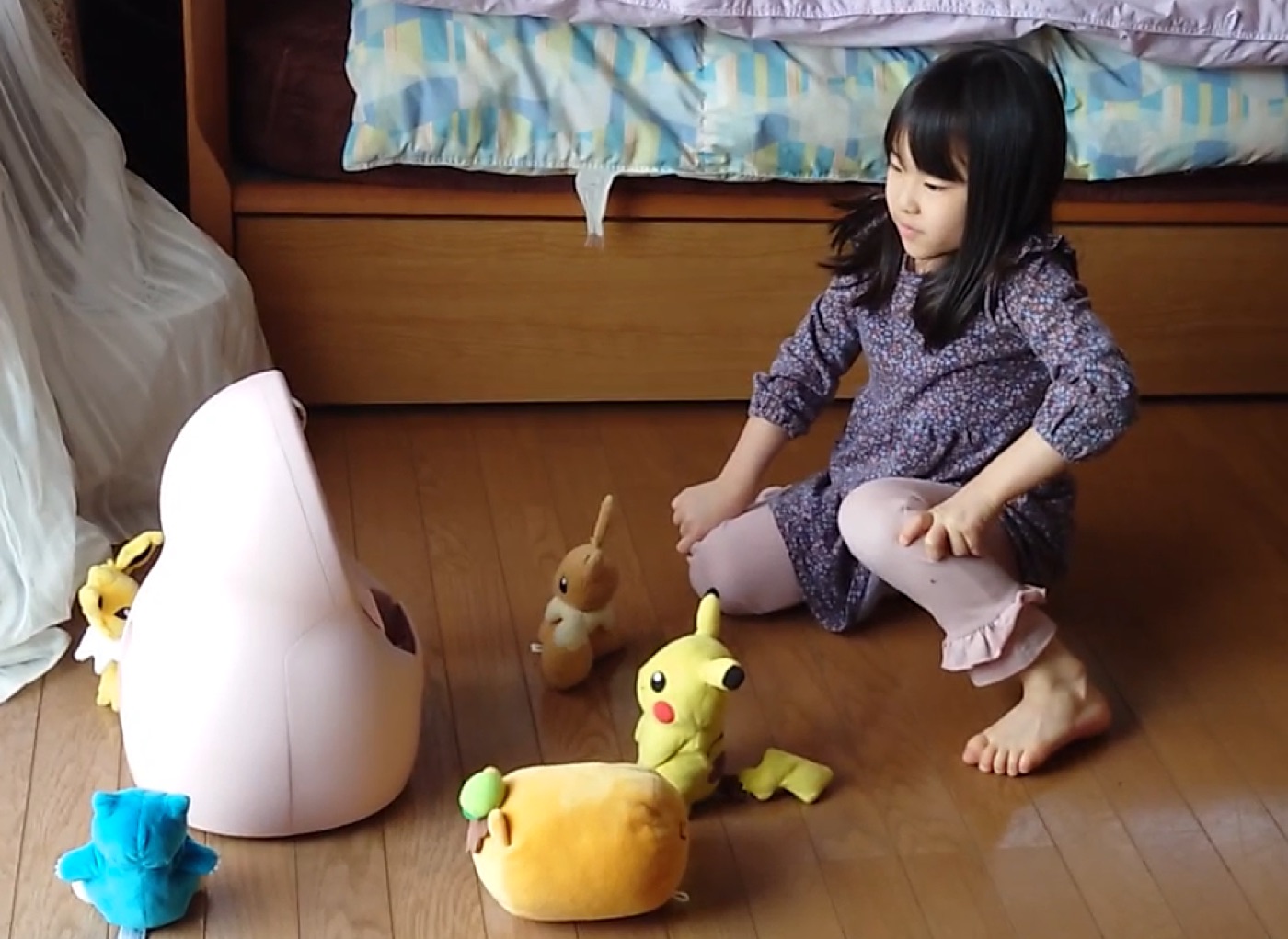
Image source: ChiCaRo official website
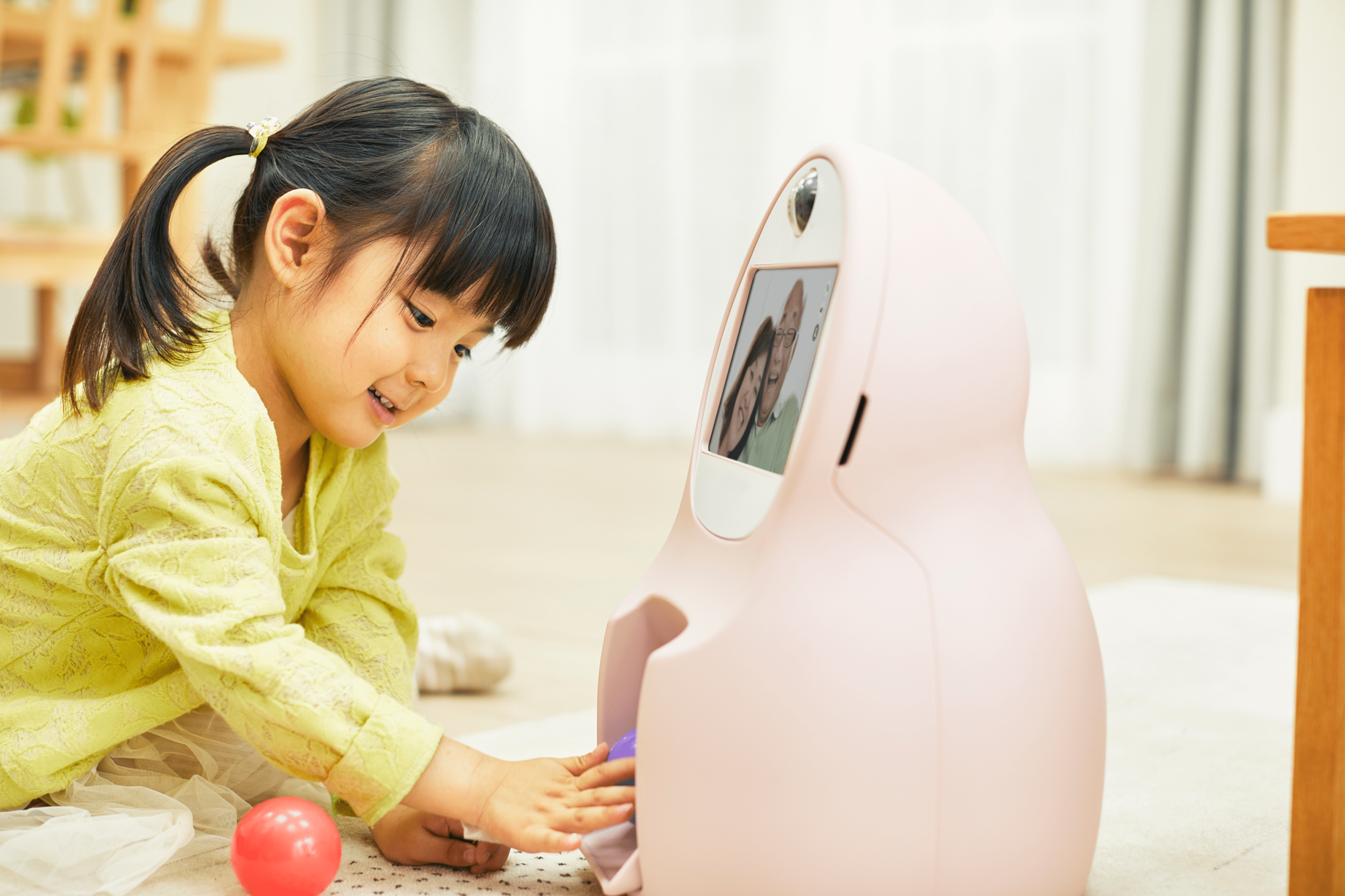
Unlike typical pet robots or conversational companion robots, ChiCaRo is a physical communication device built for a very specific purpose: letting grandparents or parents who live far away remote-control a robot body to play with a toddler aged 0-3.
It has a rounded, humanoid shape designed to withstand rough, enthusiastic handling from small children without tipping over. Using a high-precision camera for video, the remote operator can play tag, house, and hide-and-seek with the child through the robot's body.
The company also develops an AI chatbot called "Kuku-chan" alongside ChiCaRo. Its stated vision is "updating the family, and making the world happier through the power of connection."
One important thing to flag up front: the official site does not list a price, release date, or purchase method. At this stage, it reads more like a research and demonstration-phase product than something ready for general retail, and anyone interested needs to contact the company directly.
Quick Summary
What is ChiCaRo?
- A "remote co-parenting robot" developed by ChiCaRo Inc.
- Designed for toddlers aged 0-3
- Grandparents or parents living apart from the child remote-control the robot's body to play with them
- Supports physical play like tag, house, and hide-and-seek
- Equipped with a high-precision camera for live video
- The company states a University of Electro-Communications study confirmed reduced parenting stress
- Collaboration features with nursery teachers and pediatricians are still in development
- Patent pending (Japanese application no. 2021-166202); design registered (no. 1714384)
What's good
- A genuinely different idea: distant grandparents and grandchildren can "play together" through a body, not just watch each other on a screen
- A tip-resistant, durable design built to handle a toddler's full-force affection
- Backed by an academic verification process through a university study
- Aimed at easing the burden on nuclear-family parents who feel stretched by childcare
- Collaboration with nursery teachers and pediatricians is being explored, which could connect families to childcare experts down the line
What to watch out for
- Price and release date are not listed, so it's unclear whether general consumers can currently buy one
- The company page offers little detail on history or deployment track record
- Nursery/pediatric collaboration features are still in development
- The remote operator (grandparent or parent) needs a suitable device and network environment, and possibly some tech comfort
- Since this is used by very young children, it's worth confirming safety design, data handling, and how footage/records are managed before committing
Who it might suit
- Families who live far from grandparents and want to give them a real "playing together" experience
- Parents in nuclear families who feel the weight of childcare responsibilities
- Grandparents who want more than a video call — who want to physically play tag or hide-and-seek with a grandchild
- Anyone curious about a new category of communication device built for toddlers
Bottom Line
ChiCaRo isn't an extension of video calling — it's a childcare-support robot built around the idea of "playing physically through remote control." A grandparent playing tag or hide-and-seek with a grandchild from far away is an angle you don't really see in existing pet robots or conversational companions.
That said, price, release date, and purchase method are not published on the official site, so it's fairest to treat ChiCaRo as a research/demonstration-stage product for now. Whether it can actually be brought into a household is something to confirm directly with the company.
It's also worth being clear that ChiCaRo is not a pet-type robot. It's a childcare-support robot connecting a remote operator with a toddler aged 0-3. Since the target age and use case are so different from Mia, a cat-shaped conversational robot, this isn't really an apples-to-apples comparison — it's more a matter of fit: ChiCaRo for remote, physical play; Mia for a companion you place at home and talk to every day.
Pricing, Release Date, and How to Buy
Price and release date are undisclosed
ChiCaRo's official website does not list a unit price, release date, or purchase method. Only a contact form is provided.
Because of this, it isn't possible to say definitively "how much" or "when" right now. If you're interested, contacting the company directly through the official site is the most reliable route.
What to check before buying
Given that ChiCaRo is a remote-controlled robot built for toddlers, there are things worth checking beyond price.
| What to check | What to look for |
|---|---|
| Availability | Whether it's sold to general households, or limited to research trials/corporate use |
| Price | Unit price, any monthly fee, and whether data/network costs are included |
| Remote-control setup | What device, network, and app the operator (grandparent/parent) needs |
| Video and audio handling | How long footage and conversation data are stored, and how to view or delete them |
| Safety | Durability and safety standards for a toddler's direct handling |
| Support | Repair process, warranty, and contact channels |
What ChiCaRo Can Do
Remote-controlled physical play
ChiCaRo's core feature is letting a grandparent or parent in another location remote-control the robot's body to play with the child.
According to the official site, it supports physical play like tag, house, and hide-and-seek. Rather than just talking through a screen, the robot's "body" is the point of contact with the child — that's the key difference from an ordinary video call or a watch-only monitoring camera.
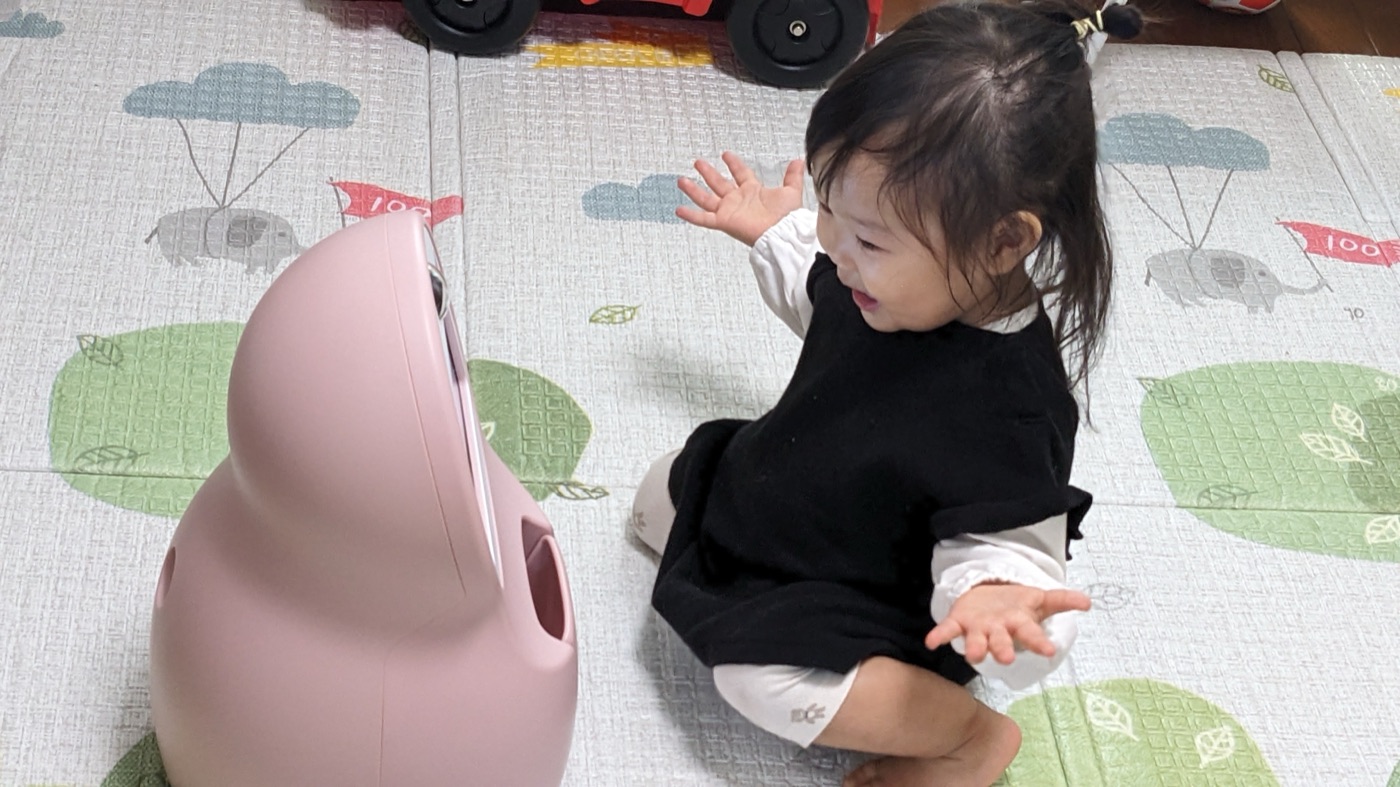
Image source: ChiCaRo official website
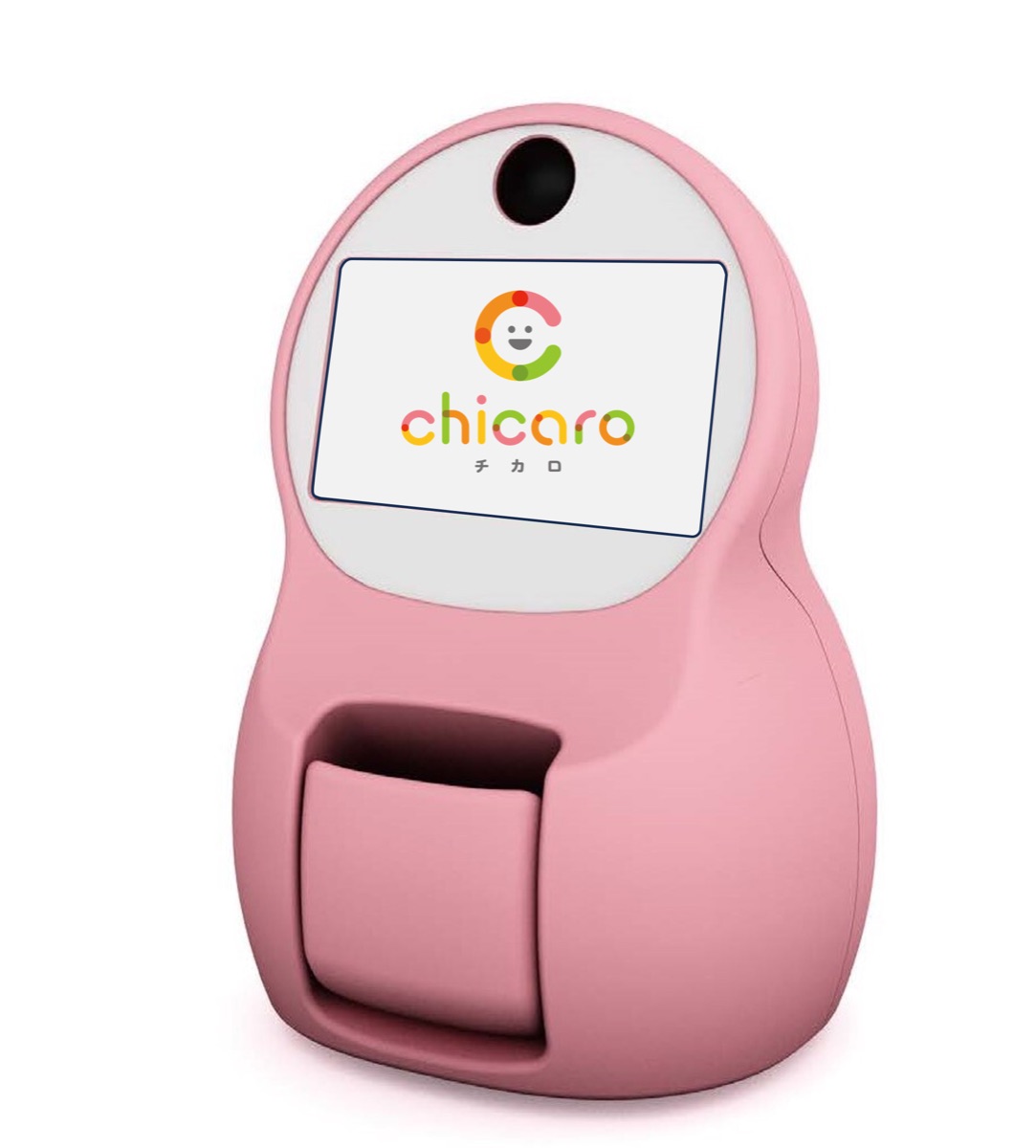
Image source: ChiCaRo official website
High-precision camera for live video
ChiCaRo is equipped with a high-precision camera, and the remote operator watches the live feed while controlling the robot. It's designed so the operator can see the child's expressions and movements in real time while playing.
Toddler-focused AI and interaction technology
According to the company profile page, ChiCaRo is built on "toddler interaction technology" and "AI designed for infants and toddlers" — technology meant to match the developmental stage of children aged 0-3.
A diagram published on the official site outlines a development-support system: play is used to encourage areas like language comprehension, language expression, visual cognition, drawing, and motor skills, with the results made visible to parents through an app.
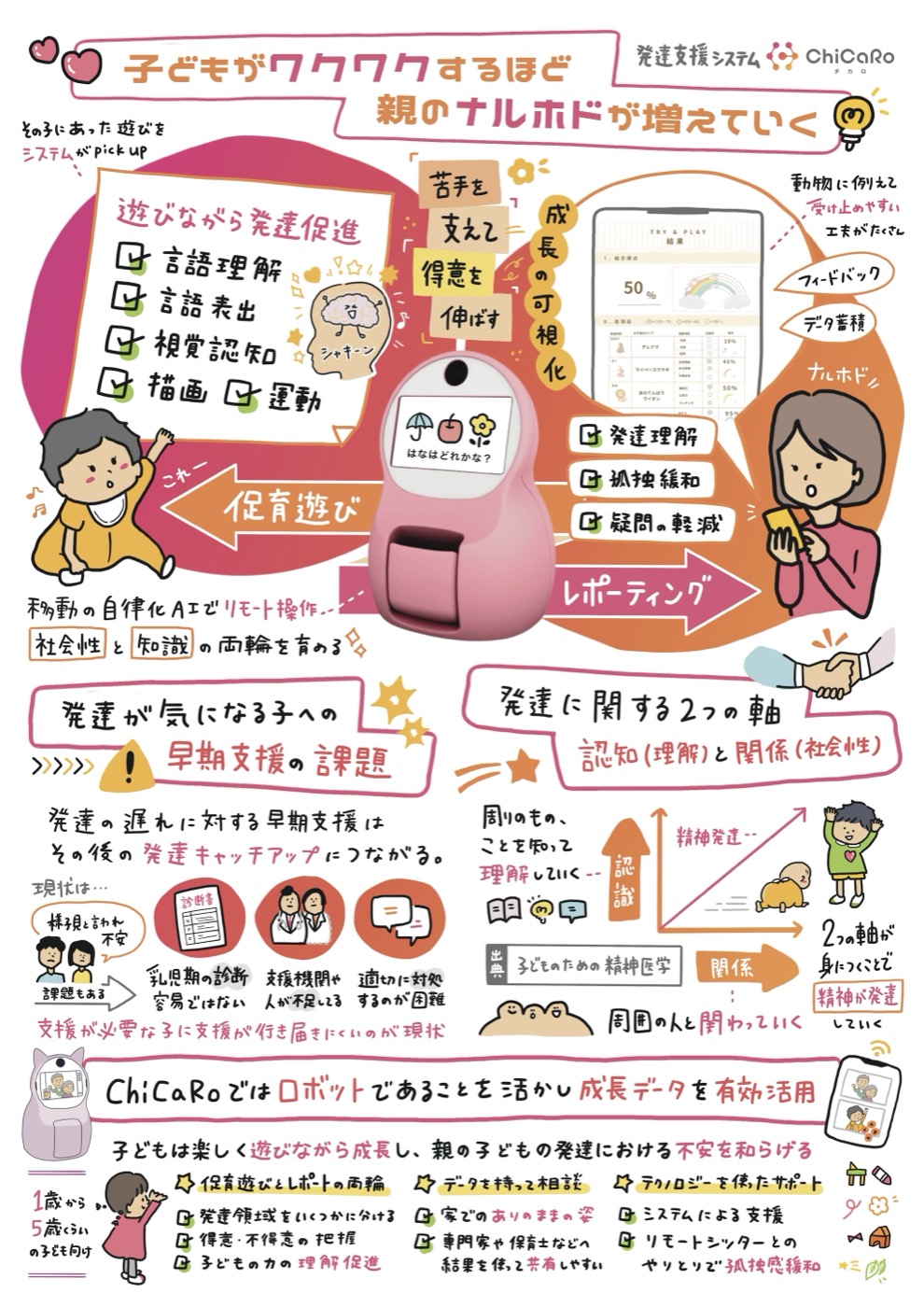
Image source: ChiCaRo official website
Tip-resistant safety design
ChiCaRo has a rounded, humanoid body said to be built to withstand a small child's full-force affection without falling over — a design choice made with the assumption that toddlers will handle it directly and roughly.
Collaboration with nursery teachers and pediatricians (in development)
The official site also introduces a collaboration feature, currently in development, with childcare professionals such as nursery teachers and pediatricians. If realized, this could connect the at-home play experience with developmental support and expert advice.
University of Electro-Communications study
According to the official site, a joint study with the University of Electro-Communications confirmed a reduction in parenting stress. Going through an academic verification process is a notable feature compared with similar home devices in this category.
That said, the site doesn't publish detailed conditions of the study — sample size, duration, or comparison method — so anyone interested may want to reach out directly or follow future published information.
The Relationship With the AI Chatbot "Kuku-chan"
ChiCaRo Inc. also plans and develops an AI chatbot called "Kuku-chan" alongside the ChiCaRo robot. The official site doesn't spell out exactly how the two products connect, but it suggests the company is building its business around two complementary angles: remote childcare support and AI-based conversation.
Specs at a Glance
| Item | ChiCaRo |
|---|---|
| Product name | ChiCaRo |
| Developer / seller | ChiCaRo Inc. (Chofu, Tokyo; founded April 2017) |
| Type | Remote co-parenting robot (humanoid) |
| Target age | 0-3 years old (toddler stage) |
| Main use | Remote physical play and childcare support between distant grandparents/parents and a toddler |
| Key features | Remote control, high-precision live video, toddler-focused AI and interaction technology |
| Supported play | Tag, house, hide-and-seek, and similar physical play |
| In development | Collaboration with nursery teachers and pediatricians |
| Study | University of Electro-Communications study reportedly confirmed reduced parenting stress (per official site) |
| IP | Patent pending (application no. 2021-166202); design registered (no. 1714384) |
| Price | Not disclosed |
| Release date | Not disclosed |
Things to Check Before Considering a Purchase
1. Price and release date are undisclosed
ChiCaRo's official site doesn't state a price or release date. Given the strong research/demonstration-phase character of the product, whether a general consumer can currently buy one is something to confirm directly with the company.
2. The remote-control side needs its own setup
ChiCaRo assumes a grandparent or parent will be operating it remotely. That side needs a compatible device and a stable network connection. If an older grandparent will be the one operating it, how intuitive the controls are — and what support is available — matters just as much as the child-facing experience.
3. How video and audio data are handled
Since this is a product that captures a child's video and audio, it's worth confirming in advance how long footage is stored, where it's stored, whether it's shared with third parties, and how to delete it. Given the target age, privacy handling deserves particular attention.
4. Nursery/pediatric collaboration is still in development
The collaboration features with nursery teachers and pediatricians are not yet available. If you're considering ChiCaRo partly on the expectation of future functionality, make sure you understand exactly what's usable today versus what's planned.
Who ChiCaRo Might Suit
Families living far from their hometown
Families whose parents live far away, and who want to give those grandparents a genuine "playing together" experience with their grandchild, will find something video calls don't offer.
Parents in nuclear families feeling the strain of childcare
The official site lists parents who feel the burden of childcare — mothers in particular — among its target users. The idea is to make it easier to draw on support from grandparents and others, even remotely.
Grandparents who want to play physically with a grandchild
For grandparents who want more than face-to-face conversation — who want to move a body and actually play tag or hide-and-seek with a grandchild — this is a product built around that exact idea.
Who Should Think Twice
Anyone who wants something they can buy right now
With price and release date undisclosed, this isn't a fit for anyone wanting to purchase immediately. Starting with an inquiry to the company is the realistic first step.
Anyone looking for a communication robot that isn't toddler-focused
ChiCaRo is built for children aged 0-3. If you're looking for a conversational companion for adults or older people, or a pet-like companion robot, the target audience here doesn't match.
Comparing With Mia, the Talking Cat Robot
ChiCaRo and Mia are sometimes mentioned together as robots that support family communication, but the assumptions behind how each is used are quite different.
| Comparison point | ChiCaRo | Mia |
|---|---|---|
| Type | Remote co-parenting robot (humanoid) | Cat-shaped AI pet companion robot |
| Target age | 0-3 years old | Wide range, from children to elderly users |
| Main use | Remote physical play between distant grandparents/parents and a child | Daily conversation, dialects, expressions, family communication |
| Operation | Remote-controlled by a grandparent or parent | Placed at home and operated by voice |
| Key features | High-precision live video, toddler-focused AI, physical play | 47 regional Japanese dialects, voice conversation, expressions, Google Calendar integration, weather updates, 15 English-speaking characters |
| Setup requirement | Requires a device and network on the remote operator's side | Self-contained; no special controller device needed |
| Price | Not disclosed | From ¥9,800 (tax included) |
| Best for | Families who want distant grandparents and grandchildren to play physically together | Families who want an affordable robot for everyday conversation and check-ins |
ChiCaRo's distinct idea is using remote control to create a "grandparent and grandchild playing together" experience — something more than a monitoring camera or a video call, built around genuine physical interaction.
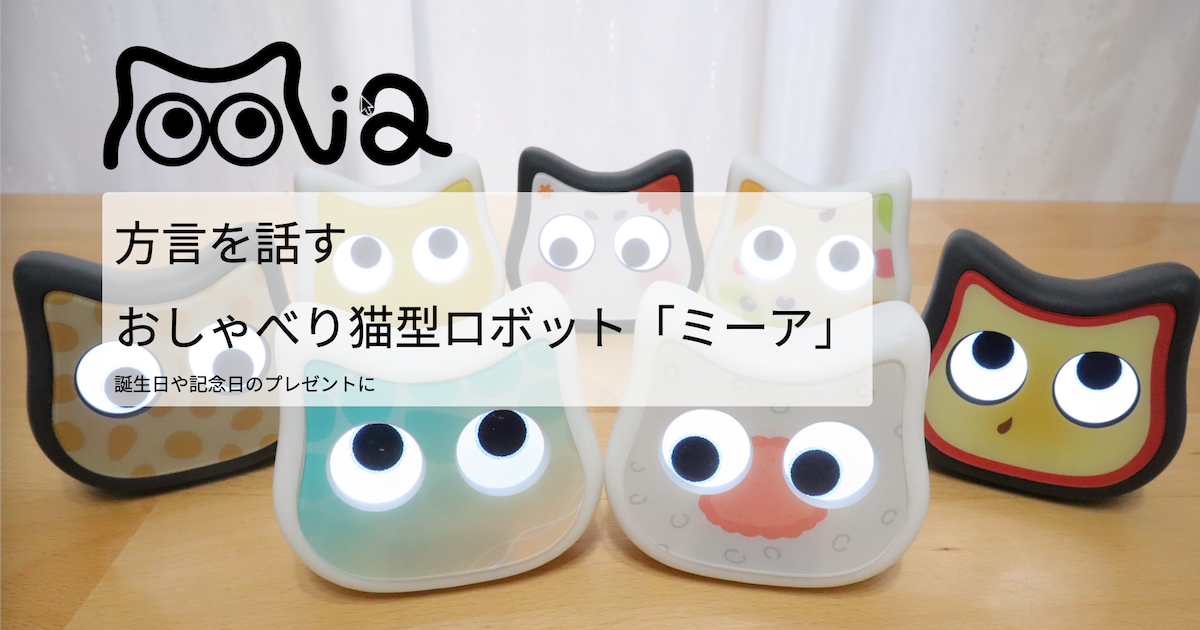
Mia doesn't need remote control at all — it's a talking cat-shaped robot you place at home and use right away. With 47 regional Japanese dialects, expressions, voice conversation, Google Calendar integration, weather updates, and 15 English-speaking characters, it's designed to be easy to use daily across children, elderly family members, and everyone in between.
If what you want is "grandparents and grandchildren playing physically together across a distance," ChiCaRo is the one to watch. If you want an affordable, easy-to-start conversational robot for everyday use, Mia is the more straightforward choice.
👇 Mia, the talking cat robot with 47 regional Japanese dialects
FAQ
Where can I buy ChiCaRo?
The official site doesn't list a purchase method or retailers. If you're interested, the best route is to contact the company directly through the official site's inquiry form.
How much does ChiCaRo cost?
Official pricing isn't published. As of this writing, it's undisclosed.
What age is ChiCaRo designed for?
The official site targets the toddler stage, ages 0-3.
Is ChiCaRo a pet robot?
No. ChiCaRo is not a pet-type robot. It's a humanoid "remote co-parenting robot" that lets a grandparent or parent remote-control a body to physically play with a toddler aged 0-3.
Is ChiCaRo's effectiveness scientifically proven?
The official site states that a joint study with the University of Electro-Communications confirmed a reduction in parenting stress. However, detailed study conditions aren't published on the site, so it's best treated as reference information rather than a definitive medical or scientific guarantee.
Is Mia or ChiCaRo the better fit for me?
It depends on target age and use case. ChiCaRo connects a remote grandparent or parent with a toddler aged 0-3 for childcare support. Mia is a cat-shaped talking robot you place at home, easy to use across children and elderly users alike. If you want to physically play with a distant family member, ChiCaRo fits; if you want an affordable, everyday conversational robot, Mia is the easier pick.
Summary
ChiCaRo is a "remote co-parenting robot" that lets a distant grandparent or parent remote-control a robot's body to play tag or hide-and-seek with a toddler aged 0-3. Unlike a video call or a monitoring camera, it aims for communication that involves an actual physical presence. The University of Electro-Communications study and the in-development collaboration with nursery teachers and pediatricians both suggest the company is thinking about expert-level verification and future expansion.
At the same time, price, release date, and purchase method aren't published on the official site, so it's fair to treat this as a product still strongly in the research/demonstration phase. If you're interested, starting with a direct inquiry to the company is the realistic path.
If what you value is a physical, playful experience with family members who live far away, ChiCaRo is worth watching. If you're looking for an affordable, easy-to-use conversational robot for everyday check-ins across children and elderly family members alike, it's worth comparing with a cat-shaped talking robot like Mia.
👀 You might also like these articles


👀 You may also like:
👉 2026 Guide: AI Pet Robots for Elderly Loneliness – A Comparison of 10 Companion Robots
👉 2026 Edition: 9 Recommended Pet Robots Under $150 – Cheap, Cute, and Healing Models
👉 Monthly and Maintenance Costs of Pet Robots: Moflin, LOVOT, Mia, and More
👉 Mia – Your Chatty AI Cat Companion Robot with 100+ Expressions