
Introduction
Dialect-speaking robots use local speech rather than only standard language. This article explains what they are, gives examples, and describes their benefits.
What Is a Dialect-Speaking Robot?
A dialect-speaking robot is a robot that can speak in regional expressions. Dialects can feel familiar and warm, especially for people with strong hometown memories.
Examples of Dialect Robots
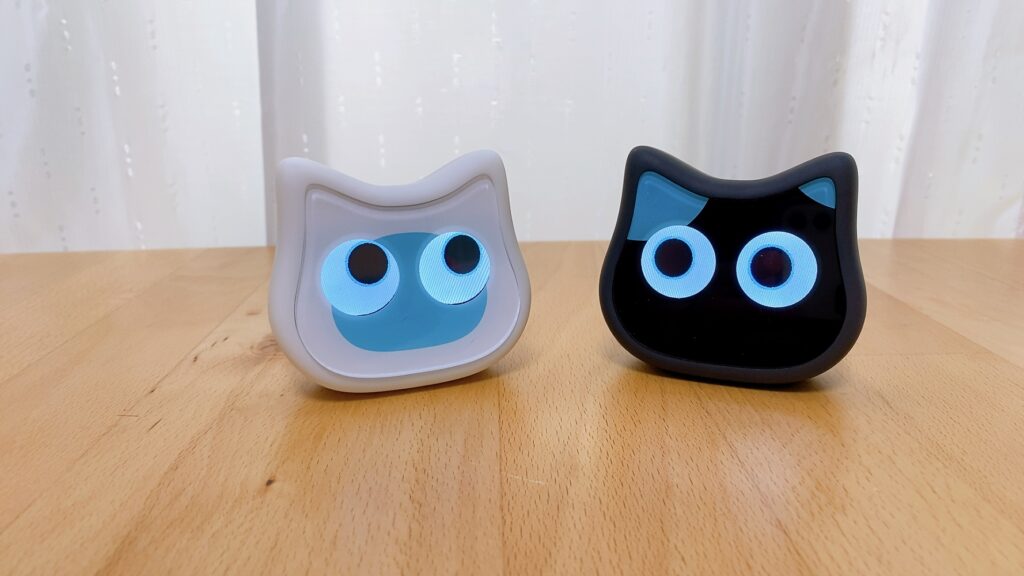
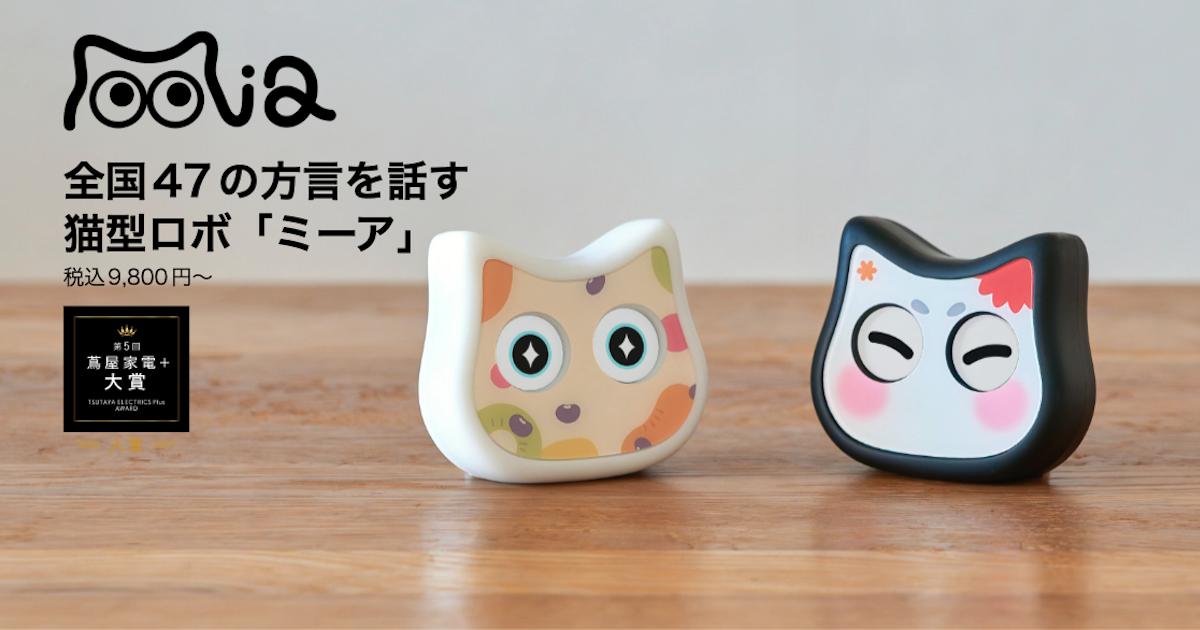
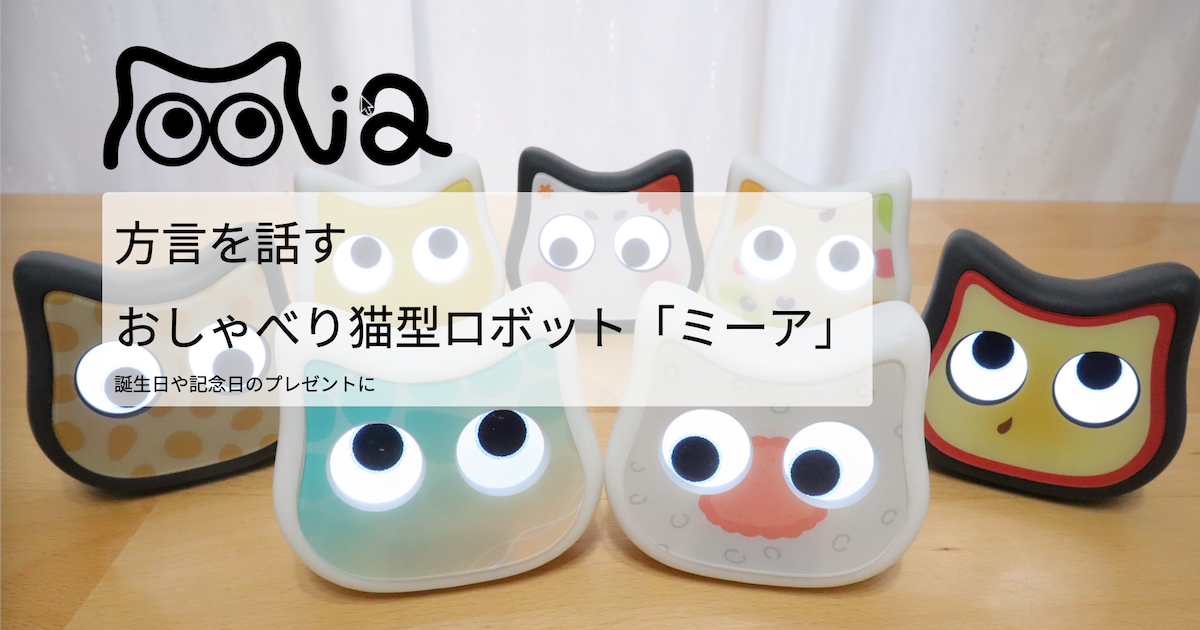
Mia: A Cat-Shaped Robot That Speaks Dialects
Mia speaks dialects from all 47 Japanese prefectures. This makes it possible for users to hear phrases that feel closer to their hometown or family background.
PALRO and Psychological Experiments With Dialects
The article also mentions PALRO and psychological experiments related to dialect-speaking robots. Dialects may influence comfort, familiarity, and communication.
Benefits of Dialect-Speaking Robots
Preserving and Sharing Regional Culture
Dialects carry local culture. Robots that speak dialects can help keep regional expressions visible.
Reducing Loneliness Among Older Adults
For older adults, hearing familiar dialects can trigger memories and create conversation.
Contribution to Regional Economies
Dialect technology can also connect to tourism, local products, and regional branding.
Summary
Dialect-speaking robots are valuable because language is emotional, not only informational. Mia uses dialects to create warmth, familiarity, and daily conversation.
Further Reading
See related Mia articles about dialects, family messages, and elderly communication.

Related Articles


👀 You may also like:
👉 2026 Guide: AI Pet Robots for Elderly Loneliness – A Comparison of 10 Companion Robots
👉 2026 Edition: 9 Recommended Pet Robots Under $150 – Cheap, Cute, and Healing Models
👉 Monthly and Maintenance Costs of Pet Robots: Moflin, LOVOT, Mia, and More
👉 Mia – Your Chatty AI Cat Companion Robot with 100+ Expressions