
Introduction
Families often wonder whether robots are truly effective for seniors living alone. This article explains the issue of loneliness, robot roles, evidence, cautions, and future possibilities.
Seniors and the Problem of Loneliness
Older adults living alone may have fewer daily conversations and fewer chances for social contact. This can affect emotional wellbeing.
The Emergence of Robots and Their Roles
Robots can provide conversation, reminders, pet-like comfort, and family communication support.
Evolution of Robot Technology
AI, sensors, voice recognition, and expressive design have made robots more approachable.
Actual Product Examples
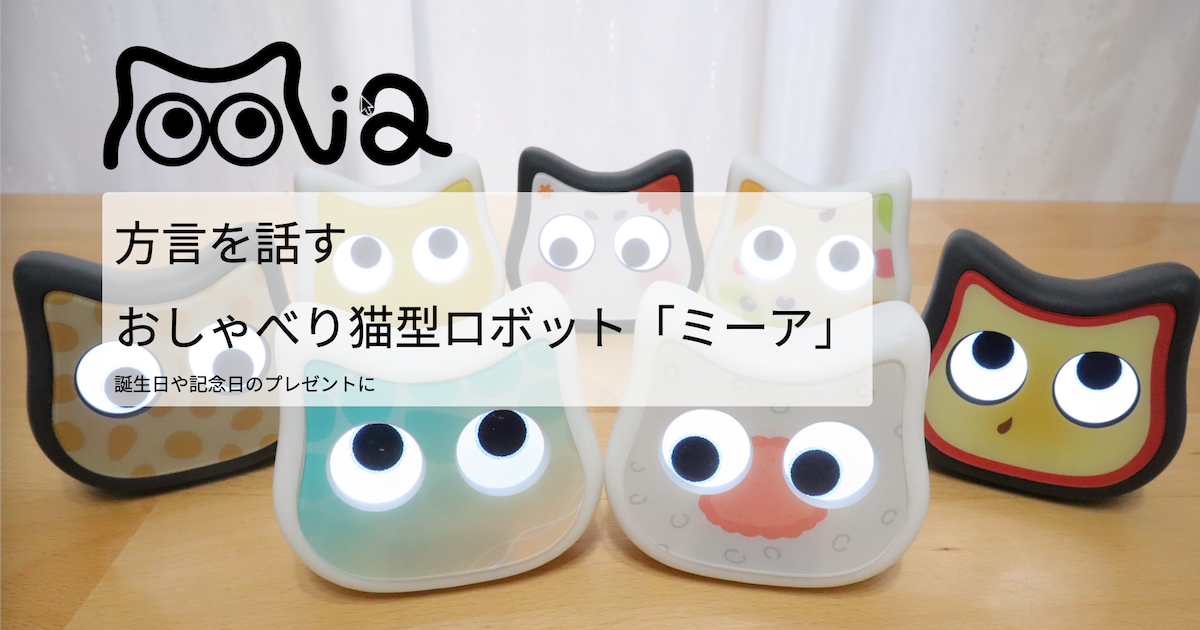
Examples include pet robots, communication robots, and AI companion robots such as Mia.
Academic Perspective on Robot Effects
Evidence
Research on robot therapy and companion robots suggests that interaction can support comfort and social engagement, though results depend on the person and setting.
Cautions and Challenges
Technical Limits
Robots may misunderstand speech, need Wi-Fi, require charging, or have limited responses.
Cost
Initial cost and monthly fees can be a barrier.
Technology Adaptation for Seniors
Some older adults may need family support for setup and use.
Future Outlook
Development Direction
Future robots may become easier to use, more expressive, and better at personalization.
Social Initiatives
Robots may be used together with family support, care services, and community programs.
Summary
Robots can be effective as an additional support tool for seniors living alone, especially for conversation, routine, and comfort. They should not replace family contact, medical care, or emergency systems.
Related Articles


👀 You may also like:
👉 2026 Guide: AI Pet Robots for Elderly Loneliness – A Comparison of 10 Companion Robots
👉 2026 Edition: 9 Recommended Pet Robots Under $150 – Cheap, Cute, and Healing Models
👉 Monthly and Maintenance Costs of Pet Robots: Moflin, LOVOT, Mia, and More
👉 Mia – Your Chatty AI Cat Companion Robot with 100+ Expressions