- Introduction
- 10 Comfort Robots for Seniors at Home
- Home Robot Prices and Costs
- How to Choose a Pet Robot for Seniors
- Pet Robots Compared With Real Pets
- Long-Term Care Insurance and Subsidies in Japan
- FAQ
- How long do home robots last?
- Can robots be repaired?
- Is my privacy protected?
- I am worried the robot will be hard to use.
- Does long-term care insurance cover these robots?
- What age are they suited for?
- Do they need Wi-Fi or a smartphone?
- Could it startle someone with loud sounds?
- Can people with dementia use them?
- Can a robot replace phone or video calls?
- Summary
Introduction
As societies age, more older adults live alone, and loneliness and stress have become serious social issues. Comfort-focused home robots are getting attention as one response. These multi-function devices are designed to ease loneliness and support emotional wellbeing, and they may help improve older adults’ quality of life.
One update to note: in August 2026, the cat-shaped robot Mia gained a Conversation Model that answers when you talk to it. By November 2026 it also remembers what you told it, lets you choose its voice and tone, and can chat in English. See the Mia section below for details.
This article introduces ten recommended robots for older adults and explains the features and strengths of each.
10 Comfort Robots for Seniors at Home
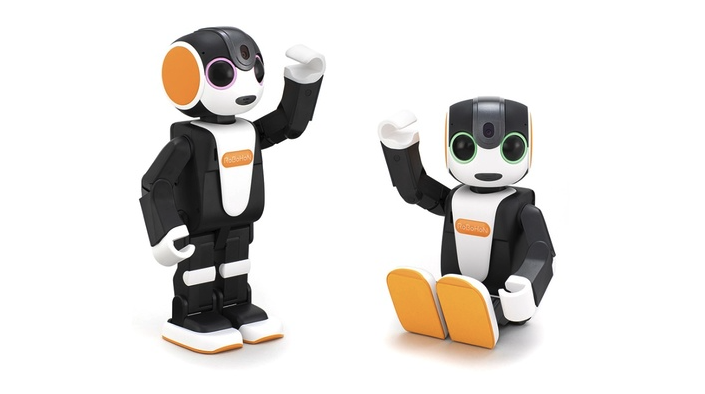
RoBoHoN
Features: A conversational robot that sings and dances and has schedule management and reminder functions. It uses AI for natural conversation and has face recognition.
Price: about 145,200 yen (Wi-Fi model), 217,800 yen (3G/LTE model)
Strengths: Besides entertainment, it has practical features such as medication reminders that can make daily life easier.

LOVOT
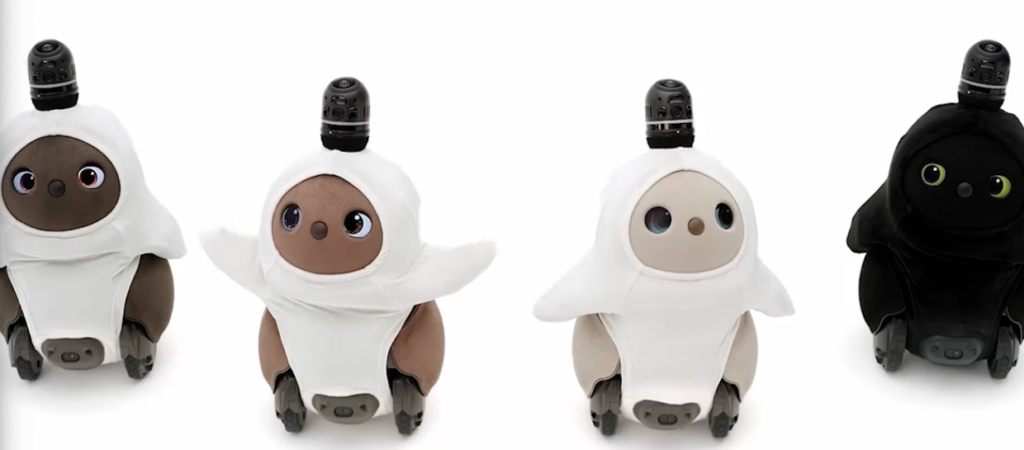
Features: A comfort robot with a charming look and rich emotional expression. It recognizes people and shows joy when held, for pet-like interaction.
Size: about 43 cm tall, about 4.2 kg
Price: 599,500 yen (LOVOT 3.0), 449,900 yen (LOVOT 2.0)
Strengths: An easy companion for older adults to care for, helping ease loneliness and build an emotional bond.
Romi
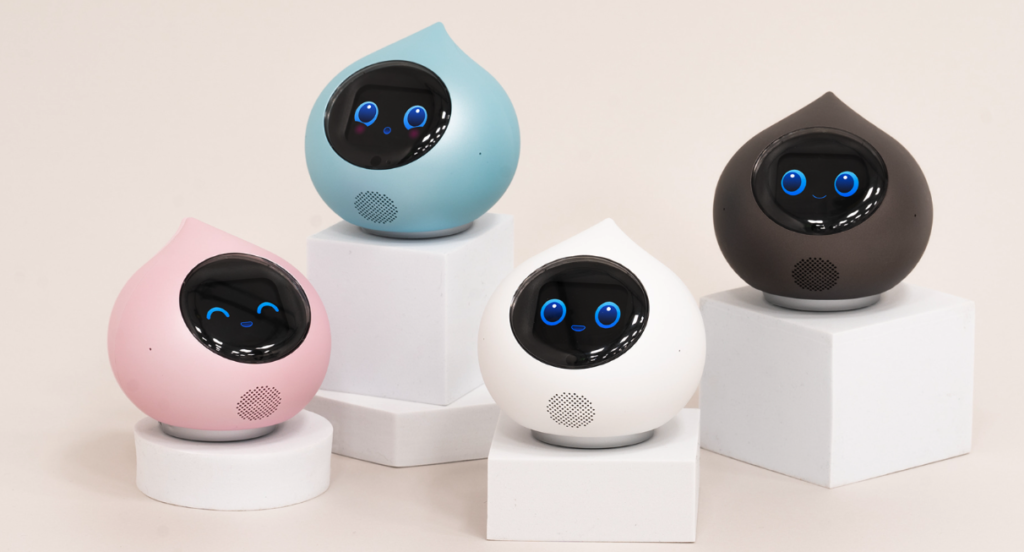
Features: A palm-sized robot that is good at conversation, with brain-teaser games and light exercise prompts.
Size: about 12 cm tall, about 250 g
Price: 98,780 yen (tax included) plus a monthly membership of 1,658 yen (tax included)
Strengths: Romi uses AI to come up with what to say. With AI-generated replies and more than 100 functions, it lets you share small daily events like talking with a friend, from good morning to good night.
BOCCO emo
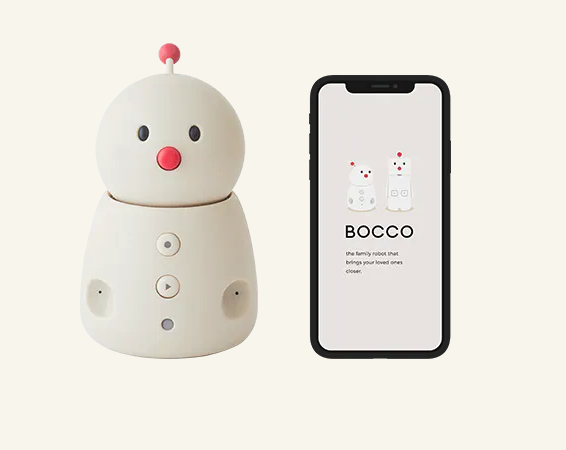
Features: Supports voice message exchange and reminders.
Size: about 18 cm tall, about 500 g
Price: 52,800 yen (tax included)
Strengths: It works with a smartphone to strengthen family communication and helps families check in on an older parent. It can announce the day’s schedule and, with sensors, report room temperature and humidity.

Mia
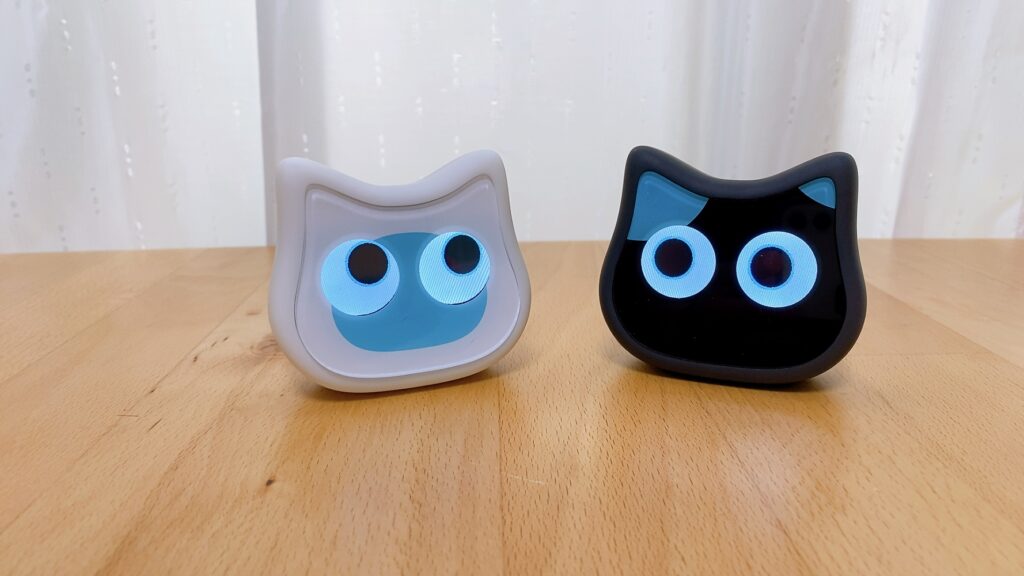
Features: Mia is a chatty cat-shaped robot that speaks Japanese dialects. With 100+ eye expressions, it talks to you with more than 8,000 fun phrases.
Size: 8 cm wide, 7.5 cm tall, 4.8 cm deep, about 100 g
Price: US$149 for the Standard Model and US$199 for the Conversation Model on the English store (conversation mode is $2/month). In Japan, from 9,800 yen.
Strengths: It offers friendly conversation for older adults, with all 47 Japanese prefectural dialects for a sense of home. It can also deliver grandchildren’s voice messages.
A conversation partner: the Conversation Model
The Conversation Model, launched in August 2026, replies when you talk to it. As a conversation partner for an older family member, as of November 2026 it can:
- Talk in English: speak English and Mia answers in English, with 7 English voices to choose from. She switches between Japanese and English automatically. (English conversation voices)
- Remember what you told her: family names, plans, favorite things, and things that happened, brought up in later conversations. After a plan’s date passes, she asks how it went. You can review and delete these memories in the app, and she does not keep health, money, or address details. (What Mia remembers)
- Choose her voice and speed: 15 voices you can preview, and speaking speed from 0.8x to 1.2x. (Voice and speed)
- Polite or casual, and two personalities: a gentle polite tone or a casual, friend-like tone. White Mia is easygoing and Black Mia is the reliable one. In Japanese, replies can also be in the Osaka or Hakata dialect. (Tone, dialect, and personality)
- Alarms by voice: say “Set an alarm for 7” or “Wake me up in 30 minutes,” and tap her head to stop it. (Using the alarm)
- A weekly letter for family: every Sunday at 6 p.m., family members get a short note with the days Mia was petted and how many times and minutes she chatted. What was said is never sent. (Mia’s weekly letter)
Conversations do not start from zero each time: a few days after hearing “My grandson is coming to visit,” Mia may ask whether he came. Speaking speed can go down to 0.8x for people who prefer a slower pace.
On the English store, the Conversation Model is US$199 (the Standard Model is US$149), and conversation mode needs the $2/month Premium plan, with up to 5 hours of conversation per month. In Japan, the Conversation Model is 22,800 yen (white) or 23,800 yen (black) including tax at the current sale price, with conversation mode at 300 yen per month. Dialect voice prompts, weather, Google Calendar reminders, and family voice messages all work as before.
Get the Conversation Model: Mia Conversation Model (White) / Mia Conversation Model (Black) (official store)

👉 Meet Mia, the talking cat robot: features, models, and prices
PALRO
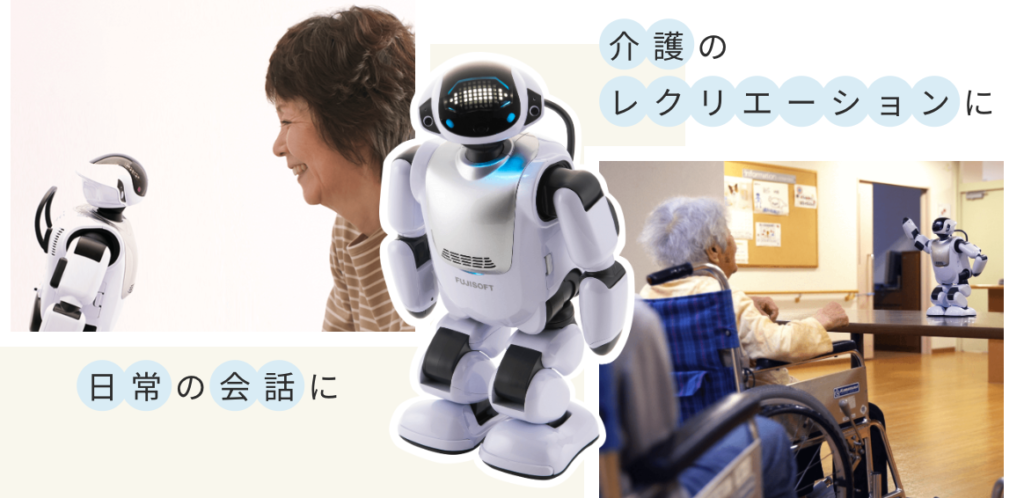
Features: A care-support robot designed for older adults, with many recreational games and exercise programs.
Size: about 39 cm tall, about 1.8 kg
Price: about 382,800 yen (consumer model), 737,000 yen (business series for senior care facilities)
Strengths: Widely used in senior care facilities, where it brings fun and stimulation through group recreation.
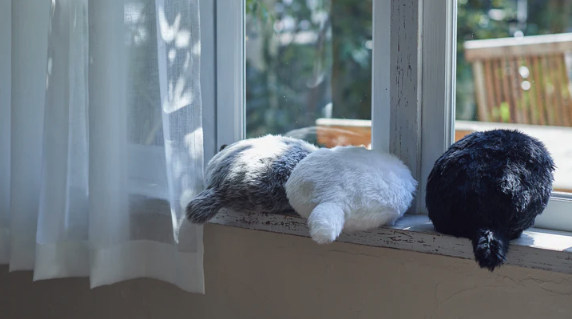
Qoobo
Features: A cushion-shaped robot with a tail that wags when stroked.
Size: about 52 x 32 x 15 cm, about 1 kg
Price: about 14,300 yen (tax included)
Strengths: Pet-like comfort, and a calming option for older adults with animal allergies.

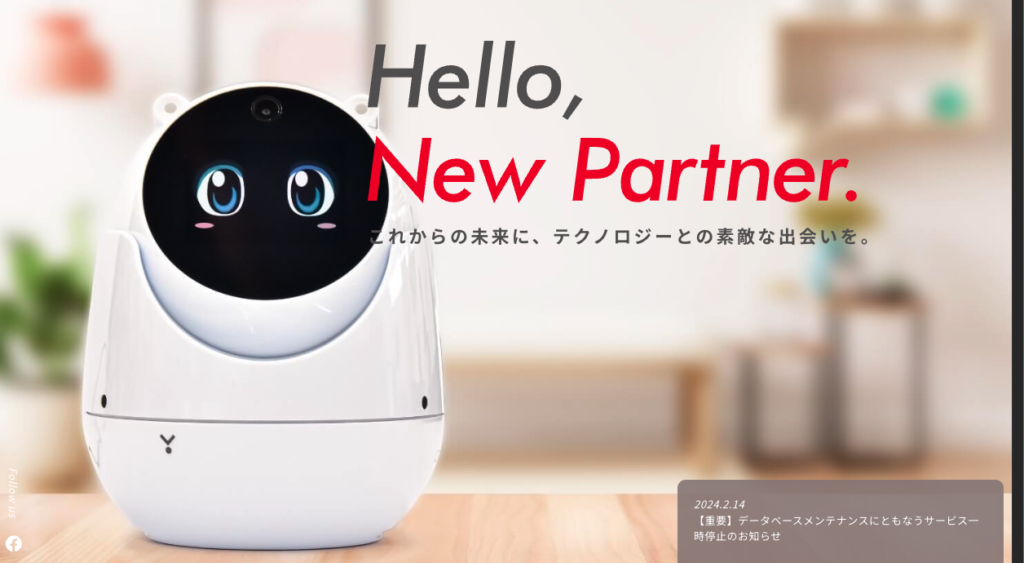
Yupibo
Features: A check-in robot that can be operated remotely from a smartphone, with simple video calling.
Size: about 15 cm tall, about 500 g
Price: about 69,300 yen (tax included)
Strengths: Strengthens the connection with family who live apart and can help families respond when something seems wrong.
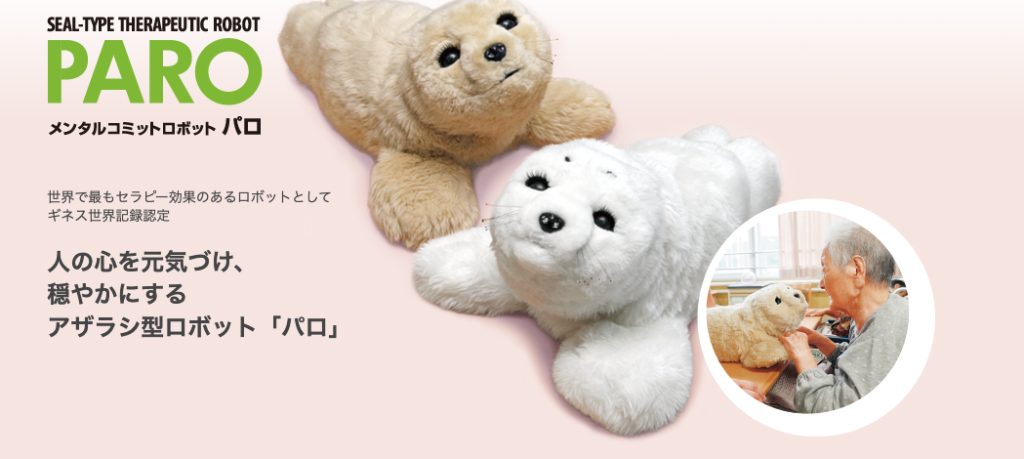
PARO
Features: A seal-shaped therapy robot used in medical and care settings, with touch sensors for interaction.
Size: about 57 cm long, about 2.7 kg
Price: about 423,500 yen (tax included)
Strengths: Designed for gentle comfort, with a long track record in care settings for older adults.

Healing Partner Dacky
Features: A dog-shaped comfort robot that responds with small movements when stroked.
Size: about 25 cm tall, about 1.2 kg
Price: about 19,800 yen (tax included)
Strengths: Offers the comfort of touching an animal and is an easy comfort item to bring into the home.

Home Robot Prices and Costs
Prices vary by features and brand. Use the figures below as a guide.
- RoBoHoN: about 145,200 yen (Wi-Fi model), 217,800 yen (3G/LTE model)
- LOVOT: 599,500 yen (LOVOT 3.0), 449,900 yen (LOVOT 2.0)
- Romi: 98,780 yen (tax included) plus 1,658 yen per month (tax included)
- BOCCO emo: 52,800 yen (tax included)
- Mia: US$149 (Standard Model), US$199 (Conversation Model, conversation mode $2/month). In Japan, from 9,800 yen
- PALRO: 382,800 yen (consumer model), 737,000 yen (business series for care facilities)
- Qoobo: 14,300 yen (tax included)
- Yupibo: 69,300 yen (tax included)
- PARO: 423,500 yen (tax included)
- Healing Partner Dacky: 19,800 yen (tax included)
When buying, look beyond the device price and factor in monthly fees and optional features.

How to Choose a Pet Robot for Seniors
There are a few important points to consider when choosing a home robot for an older adult.
Conversation
Conversation ability: Robots with AI that can hold natural conversations can help ease loneliness. Choosing one that can handle everyday chat as well as specific topics and questions makes communication richer.
Speech recognition accuracy: Older adults may speak less clearly at times, so good speech recognition matters for smooth conversation.
Ease of Use
Simplicity: The robot should be easy for an older adult to operate. Look for an intuitive interface and well-placed physical buttons.
Remote control: A remote lets the user operate the robot without walking over to it.
Safety
Materials: Check that it is made of safe materials and has no small parts that could be swallowed.
Stability: A robot that does not tip over easily is important. A stable base or obstacle avoidance adds peace of mind.
Remote Features
Check-ins: If communication with family who live apart or check-ins matter, a robot that can be used remotely is convenient. Check smartphone app support and whether it has a camera.
Privacy: When using remote features, check camera on/off and recording settings to protect privacy.
Running Costs
Initial cost: Consider the full initial cost, not just the device. More advanced robots tend to cost more.
Monthly fees: Some robots have monthly fees. Check that the service is worth the price and that you can keep paying it long term.
Consumables: Include the cost of replacing batteries, sensors, and other parts in the total.
Pet Robots Compared With Real Pets
It helps to understand how pet robots differ from real pets and choose what fits your lifestyle.
Care
Pet robots: Very little care is a major advantage. No feeding, walks, or litter, so even busy or less physically active older adults can manage.
Real pets: Need regular care, including feeding, walks, and cleaning, which takes time and effort. Illness or injury also brings vet bills.
Running Costs
Pet robots: There may be electricity costs, monthly fees, and replacement parts.
Real pets: Food, vet bills, grooming, and more. Costs vary widely by type and size.
Safety
Pet robots: No allergy concerns, low risk of infection, and no biting or scratching.
Real pets: Allergies and infections are possible, and some dogs and cats bite or scratch.
Other Points
Pet robots: Emotional expression may be limited, and some people find it harder to feel a deep bond.
Real pets: Owners can build a strong bond and find comfort in caring for them, but the grief of losing a pet should also be considered.
Long-Term Care Insurance and Subsidies in Japan
In Japan, some public programs may help with the cost of certain robots, but coverage is limited.
Long-Term Care Insurance
Eligible robots: Long-term care insurance generally covers only equipment that supports the independence of people certified as needing care or reduces the burden on caregivers. Consumer pet robots and AI companion robots such as Mia and Romi are generally not covered.
How to apply: Talk to a care manager first, or contact your local government office or community general support center.
Subsidies
Local subsidies: Some municipalities offer subsidies to support older residents’ daily lives, and some may help with purchasing or installing devices. Check your local government’s website or office.
Conditions: Subsidies may have income or age limits. Check the details to see whether you qualify.
Cautions
Changes: Subsidy programs can change each fiscal year. Always check the latest information.
Deadlines: Applications may have deadlines. Apply in time.
FAQ
How long do home robots last?
It depends on the type and how it is used, but around 3 to 5 years is typical. Regular maintenance can extend that.
Can robots be repaired?
Some manufacturers and retailers offer repair services. If a robot breaks, contact the manufacturer first; repairs may be free within the warranty period.
Is my privacy protected?
It depends on the robot. Check each product’s privacy policy before buying to see what data is collected and how it is protected.
I am worried the robot will be hard to use.
Many recent robots have simple controls or voice operation designed for older adults. If possible, try one in a store or at a demo event.
Does long-term care insurance cover these robots?
Currently, consumer AI pet robots such as Mia and Romi are not covered by long-term care insurance in Japan. Some products made for medical and care settings, such as PARO, are used in facilities, but home use is not covered, so the purchase is out of pocket.
What age are they suited for?
Rather than age, choose based on whether the person will find it easy to use. Robots like Mia and Chapit that speak up on their own and need little operation are designed to be easy even for people who are not comfortable with technology.
Do they need Wi-Fi or a smartphone?
Mia’s basic features, such as dialect voice prompts and facial expressions, work without Wi-Fi. Weather, Google Calendar reminders, family voice messages, and the Conversation Model’s conversation mode need Wi-Fi and the app. Romi generally requires Wi-Fi. Check before buying.
Could it startle someone with loud sounds?
Most products have adjustable volume. Mia’s volume can be turned down for a quiet room.
Can people with dementia use them?
Home pet robots are not medical devices, so they should not be used for treatment or prevention. Their main role is to create moments of conversation and to be a conversation partner. If you are unsure, choose together with family and the people involved in the person’s care.
Can a robot replace phone or video calls?
No, but it can complement them. Use it for daily conversation while keeping up regular phone calls.
Summary
Comfort-focused home robots for older adults can play a meaningful role in daily life by easing loneliness and stress. Conversation and check-in features in particular can offer reassurance and help strengthen family connections.
Each robot has different strengths for different needs. Find the one that suits you or your family member and use it to support a more comfortable daily life.
You may also like: