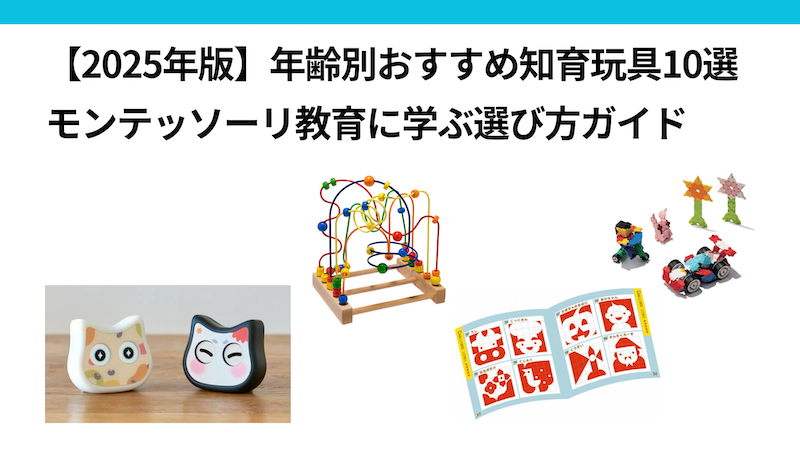
This article is the English version of the Japanese Mia article originally published on 2024-12-15. It keeps the same practical angle while localizing the explanation for English readers.
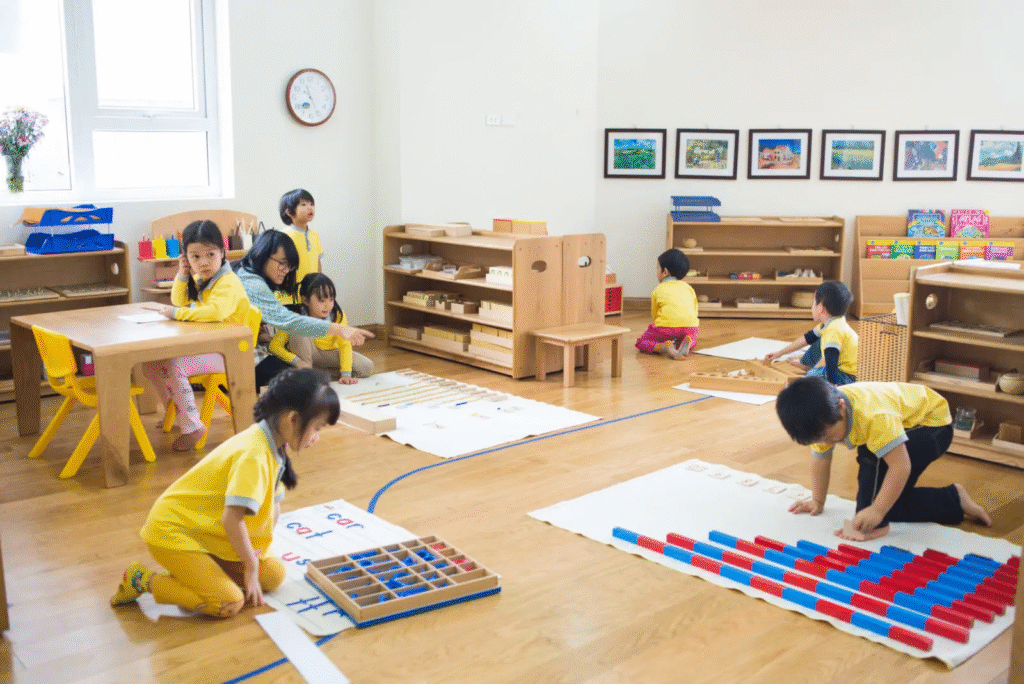
Educational toys work best when they match a child’s developmental stage. A Montessori-inspired approach values hands-on exploration, independence, repetition, and learning through the senses.
Key Takeaways
-
Choose a robot or gadget based on the real daily problem it solves, not only on novelty.
-
Check total cost, monthly fees, setup burden, privacy, language support, and maintenance.
-
For families, robots work best when they create small communication moments instead of replacing human contact.
-
Mia is most relevant when you want a compact cat-shaped voice companion with approachable daily interaction.
For Toddlers
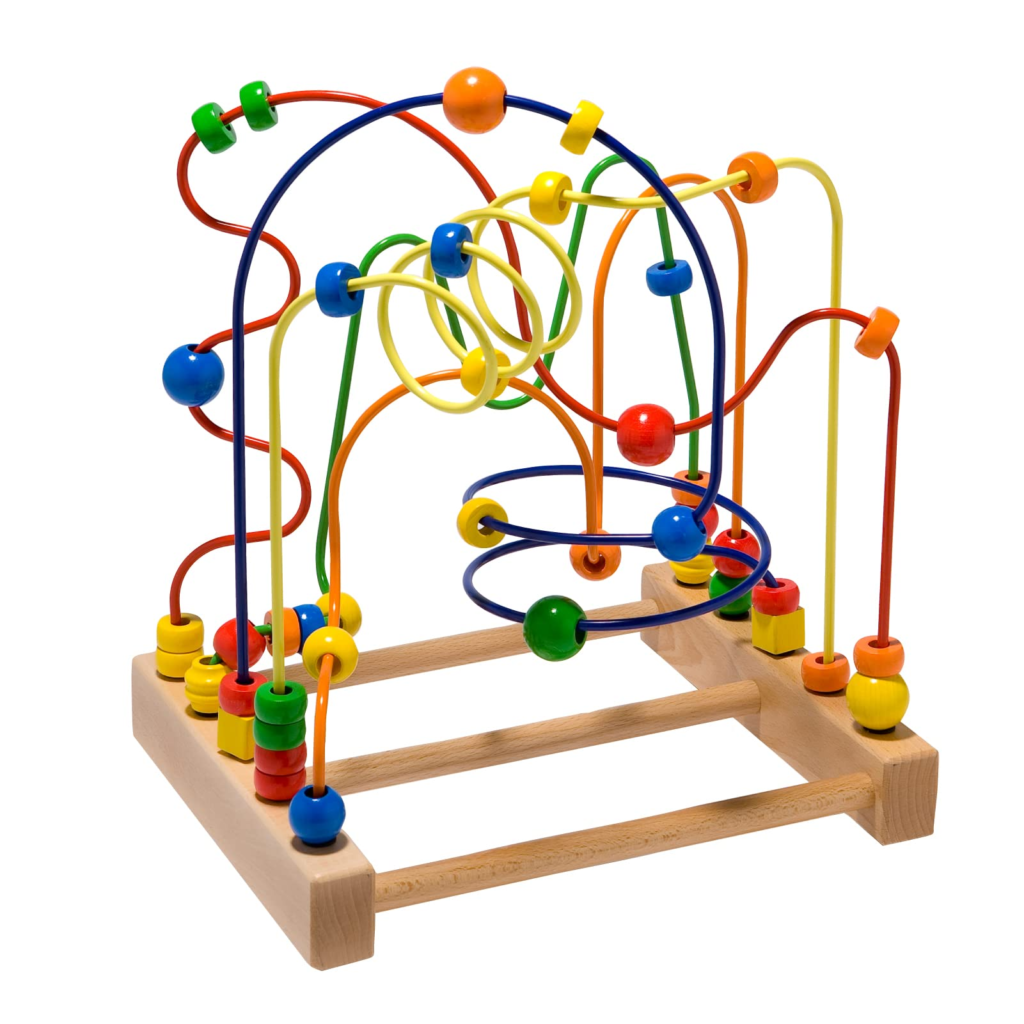
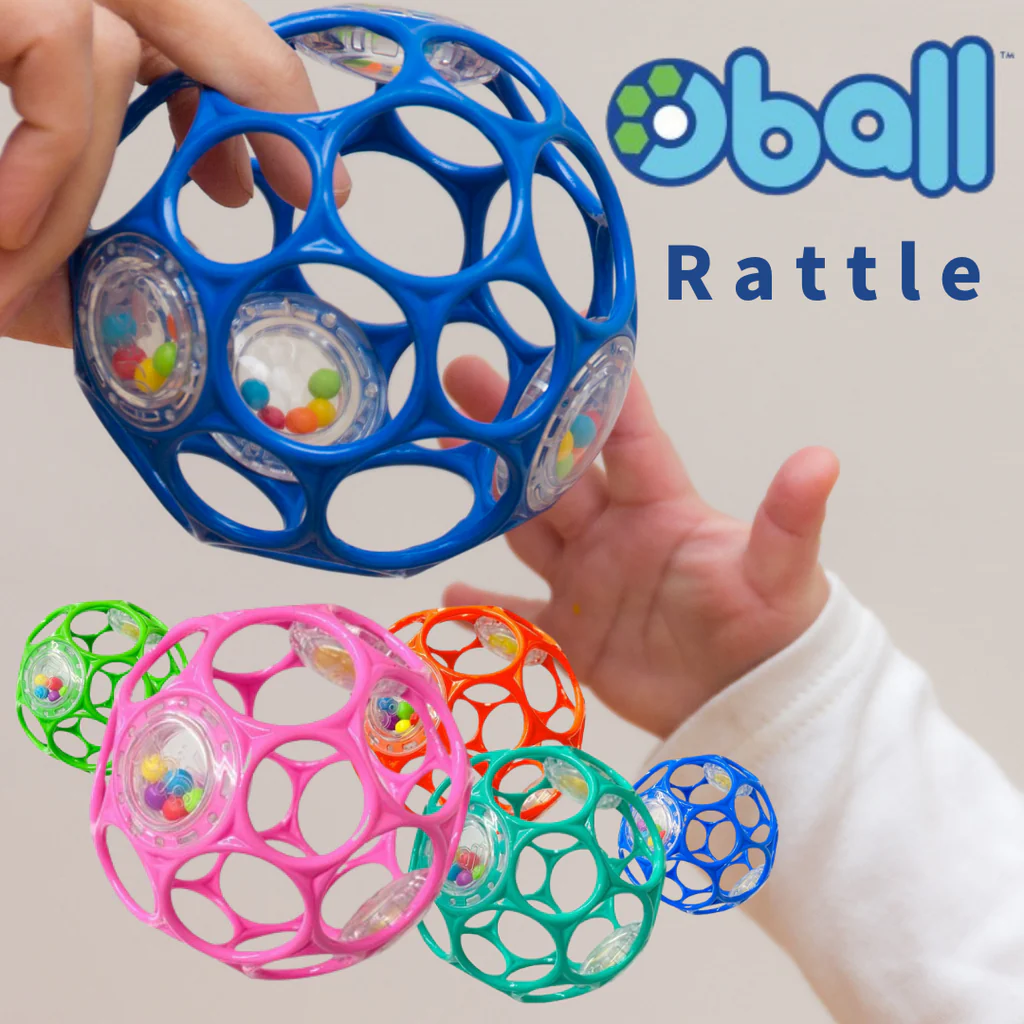
Choose safe toys that support touch, sorting, movement, sound, and simple cause and effect. Avoid toys that only entertain passively.
For Preschool Children
Blocks, pretend play, puzzles, picture books, music, and simple robots can encourage language, social play, and imagination.
For Elementary School Children
STEM kits, craft tools, programming robots, science experiments, and conversation robots can support problem solving and expression.
How Robots Fit Into Learning
Robots can make children ask questions, speak, imitate, and test ideas. Mia can support language play through voice, dialects, and family conversation.
How Mia Connects to This Topic
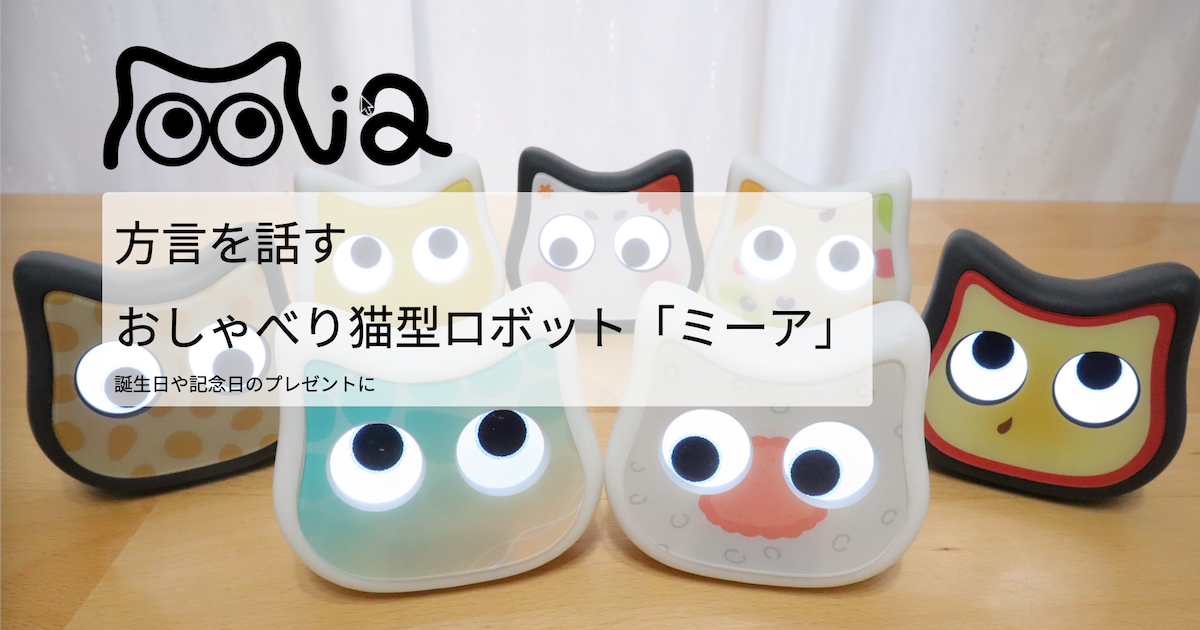
Mia is a cat-shaped AI companion robot designed for everyday voice interaction. It can support short voice prompts, family-style messages, weather and schedule routines, and a friendly sense of presence at home. Because it is compact and approachable, it can fit into situations where a large robot, a real pet, or a complicated smart-home device would feel difficult.
Mia should not be treated as medical equipment, emergency support, or a replacement for people. Its value is in small daily moments: a greeting, a reminder, a familiar voice, or a topic that makes family conversation easier.
Source Article Context
The Japanese source article focuses on: モンテッソーリ教育とは?その成り立ちと基本理念 モンテッソーリ教育は、イタリア初の女性医師の一人であるマリア・モンテッソーリによって体系化された教育メソッドです。 その原点は、彼女が障がいを持つ子どもたちの観察を通じて得 […]
Before You Choose
Before buying any robot or related device, confirm the latest official price, supported language, app requirements, Wi-Fi needs, subscription fees, warranty, and whether the product is available in your region. For gifts to older adults or children, setup support from family members is often just as important as the product itself.
Related Articles
👀 You may also like:
👉 2026 Guide: AI Pet Robots for Elderly Loneliness – A Comparison of 10 Companion Robots
👉 2026 Edition: 9 Recommended Pet Robots Under $150 – Cheap, Cute, and Healing Models
👉 Monthly and Maintenance Costs of Pet Robots: Moflin, LOVOT, Mia, and More
👉 Mia – Your Chatty AI Cat Companion Robot with 100+ Expressions