- What Is Montessori Education?
- Five Educational Areas That Support Development
- Why Teaching Materials and Toys Matter
- How to Choose Educational Toys From a Montessori Perspective
- Summary of 10 Educational Toys: Features and Target Ages
- Recommended Educational Toys by Age
- Age-by-Age Guide
- Comparison With Mia, the Talking Cat-Shaped Robot
- Safety, Materials, and Durability
- FAQ
- Summary
- Related Articles
What Is Montessori Education?
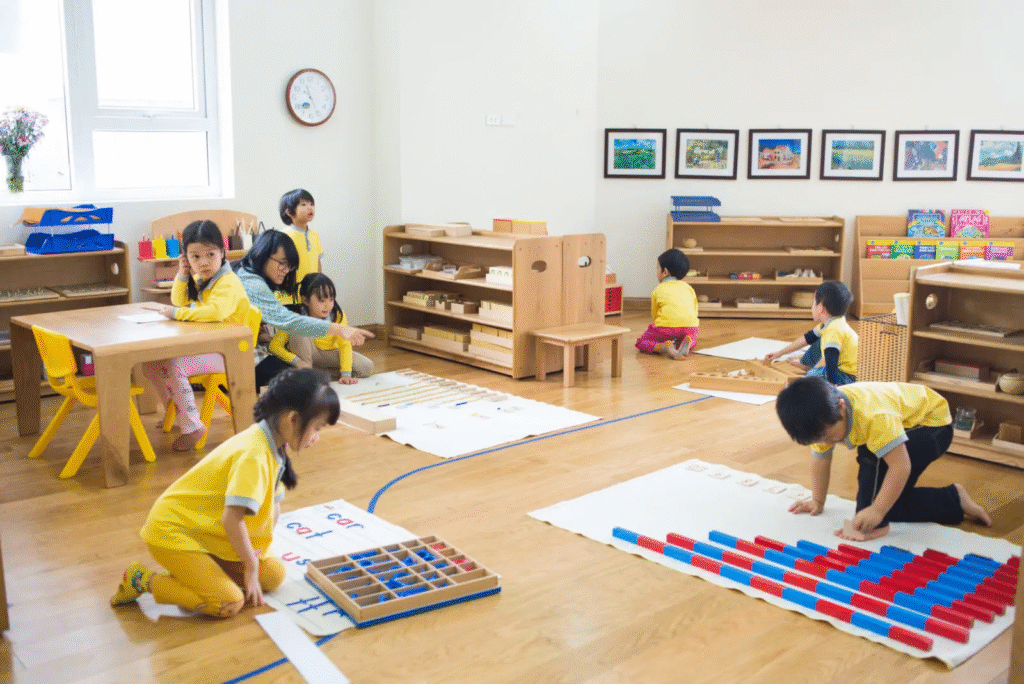
Montessori education emphasizes children's ability to learn by themselves through prepared environments and hands-on activity.
The Idea of Self-Education
Children have the power to learn through exploration. Good toys and tools support that natural development.
Five Educational Areas That Support Development
Montessori education includes areas such as practical life, sensory education, language, mathematics, and culture. Toys can support these areas when chosen carefully.
Why Teaching Materials and Toys Matter
Good toys encourage children to use their hands, senses, concentration, and imagination.
Points for Choosing Good Play Tools
Choose toys that are safe, simple, repeatable, and suited to the child's developmental stage.
How to Choose Educational Toys From a Montessori Perspective
Avoid toys that only entertain passively. Choose toys that invite children to touch, compare, arrange, build, speak, and think.
Summary of 10 Educational Toys: Features and Target Ages
The source article compares ten educational toys by features and target age.
Recommended Educational Toys by Age
0-1 Years
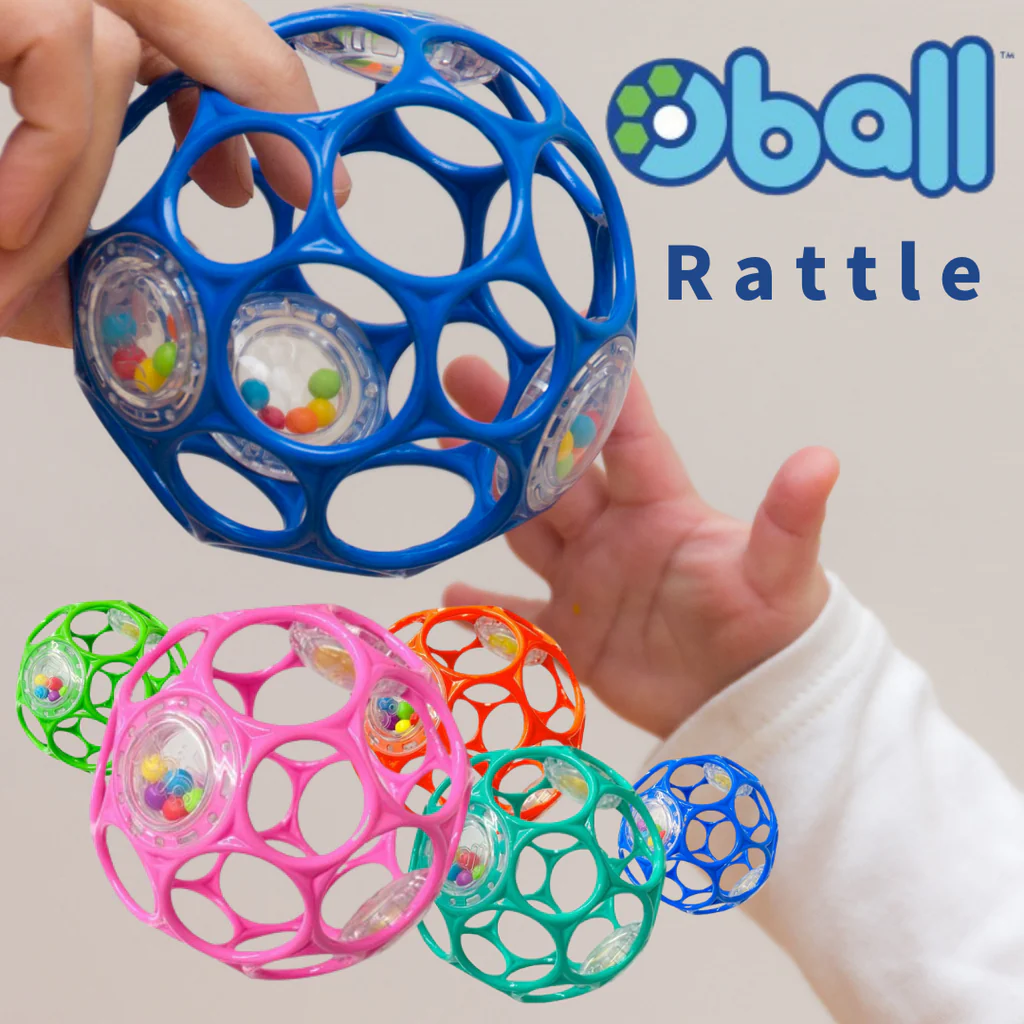
Choose safe sensory toys that support touch, sound, grasping, and visual tracking.
2-3 Years
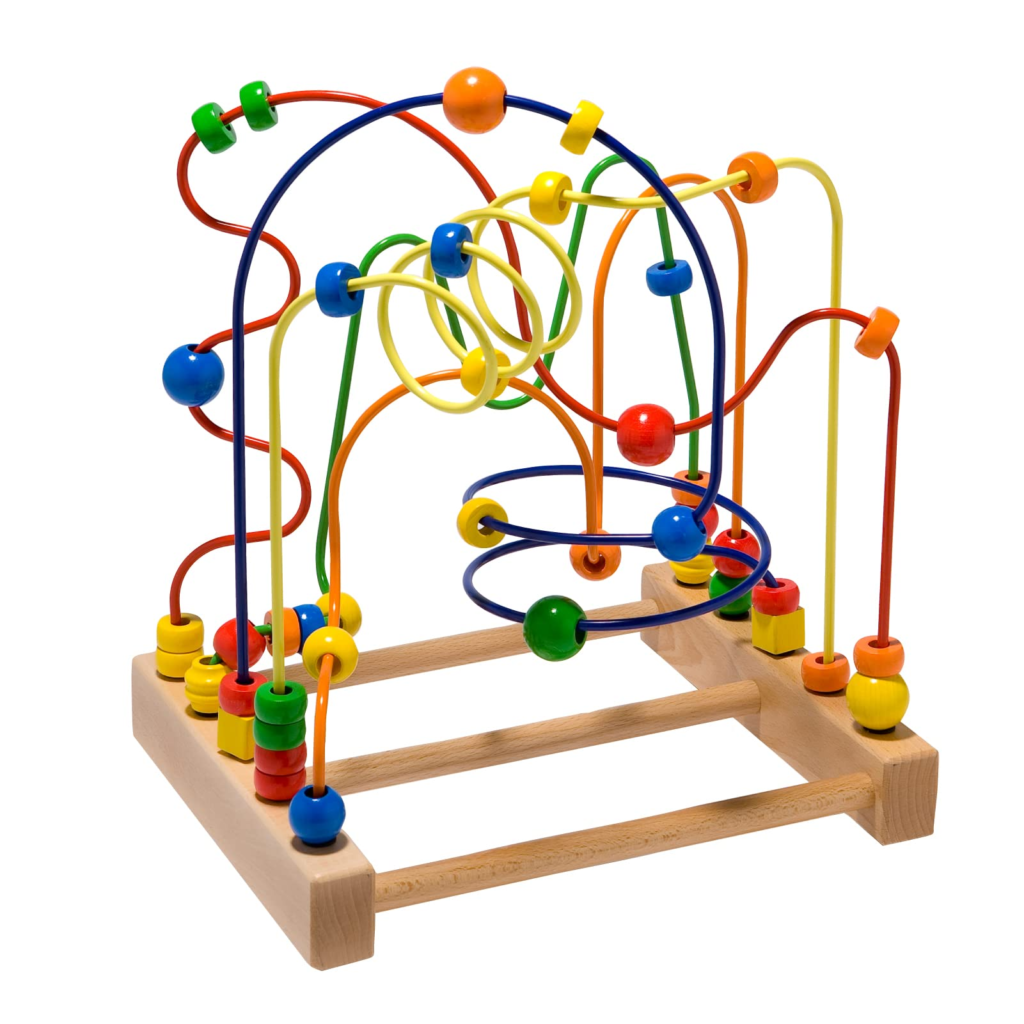
Choose toys that support hand movement, sorting, stacking, and simple pretend play.
4-5 Years
Choose toys that support rules, thinking, creativity, and language.
6 Years and Older
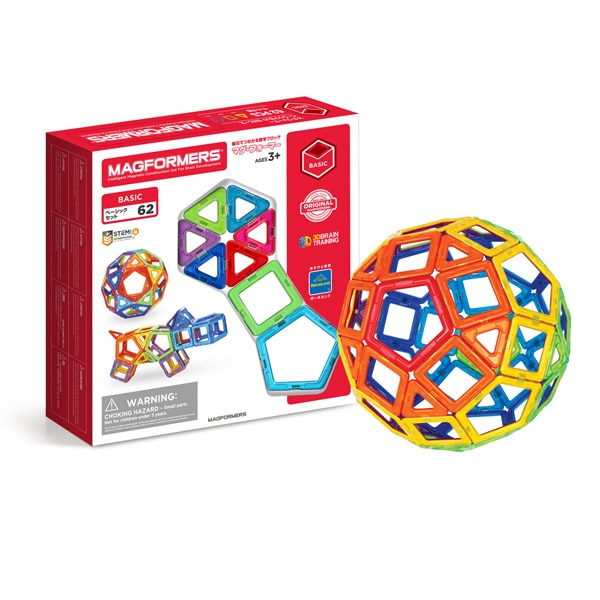
Choose more challenging toys such as construction kits, science kits, programming toys, and robots.
Age-by-Age Guide
The article explains what kinds of toys feel useful at each stage: sensory safety for infants, hand development for toddlers, rules and thinking for preschoolers, and challenge-based tools for older children.
Comparison With Mia, the Talking Cat-Shaped Robot
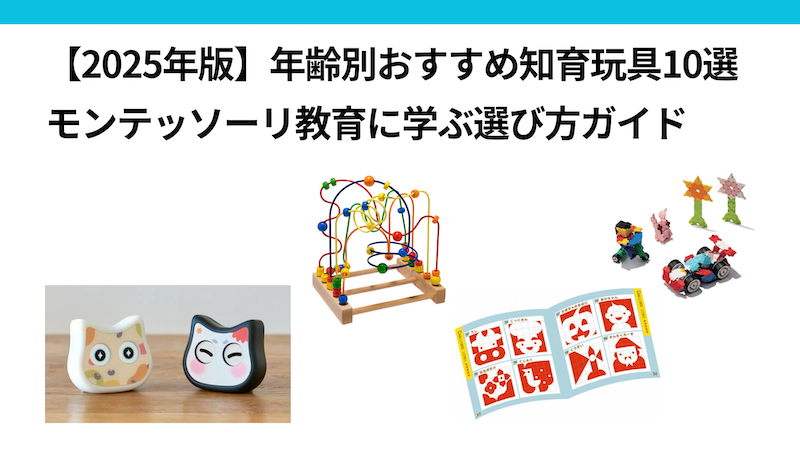
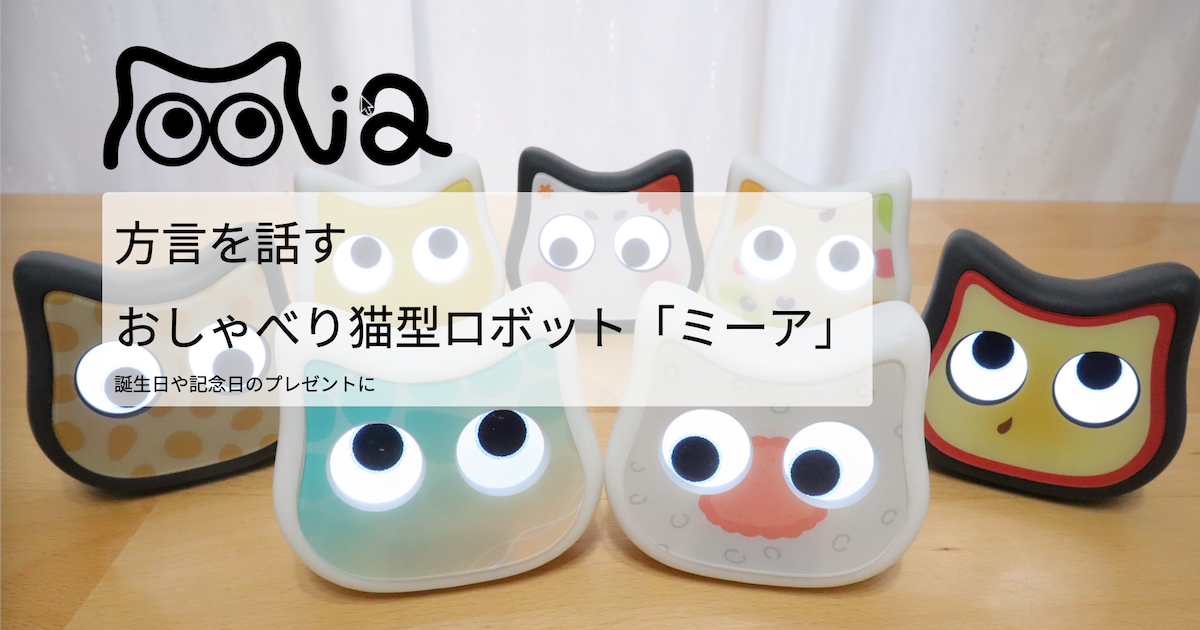
Mia is not a Montessori teaching material, but it can support voice imitation, family conversation, dialect awareness, and playful language exposure.
Safety, Materials, and Durability
Check age rating, material, cleaning, durability, and whether the toy can be used safely without small-part risks.
FAQ
Educational toys can be introduced from infancy if they match the child's age and safety needs. Choose carefully and use them with adult interaction.
Summary
Educational toys work best when they match the child's developmental stage. Mia can be considered as a communication-based robot toy that encourages voice and family interaction.
Related Articles
👀 You may also like:
👉 2026 Guide: AI Pet Robots for Elderly Loneliness – A Comparison of 10 Companion Robots
👉 2026 Edition: 9 Recommended Pet Robots Under $150 – Cheap, Cute, and Healing Models
👉 Monthly and Maintenance Costs of Pet Robots: Moflin, LOVOT, Mia, and More
👉 Mia – Your Chatty AI Cat Companion Robot with 100+ Expressions