What Was Jibo?
Jibo was a home social robot released in the United States in 2017. It was developed by Jibo, Inc., a company founded by Cynthia Breazeal, who had long studied human-robot interaction at the MIT Media Lab.
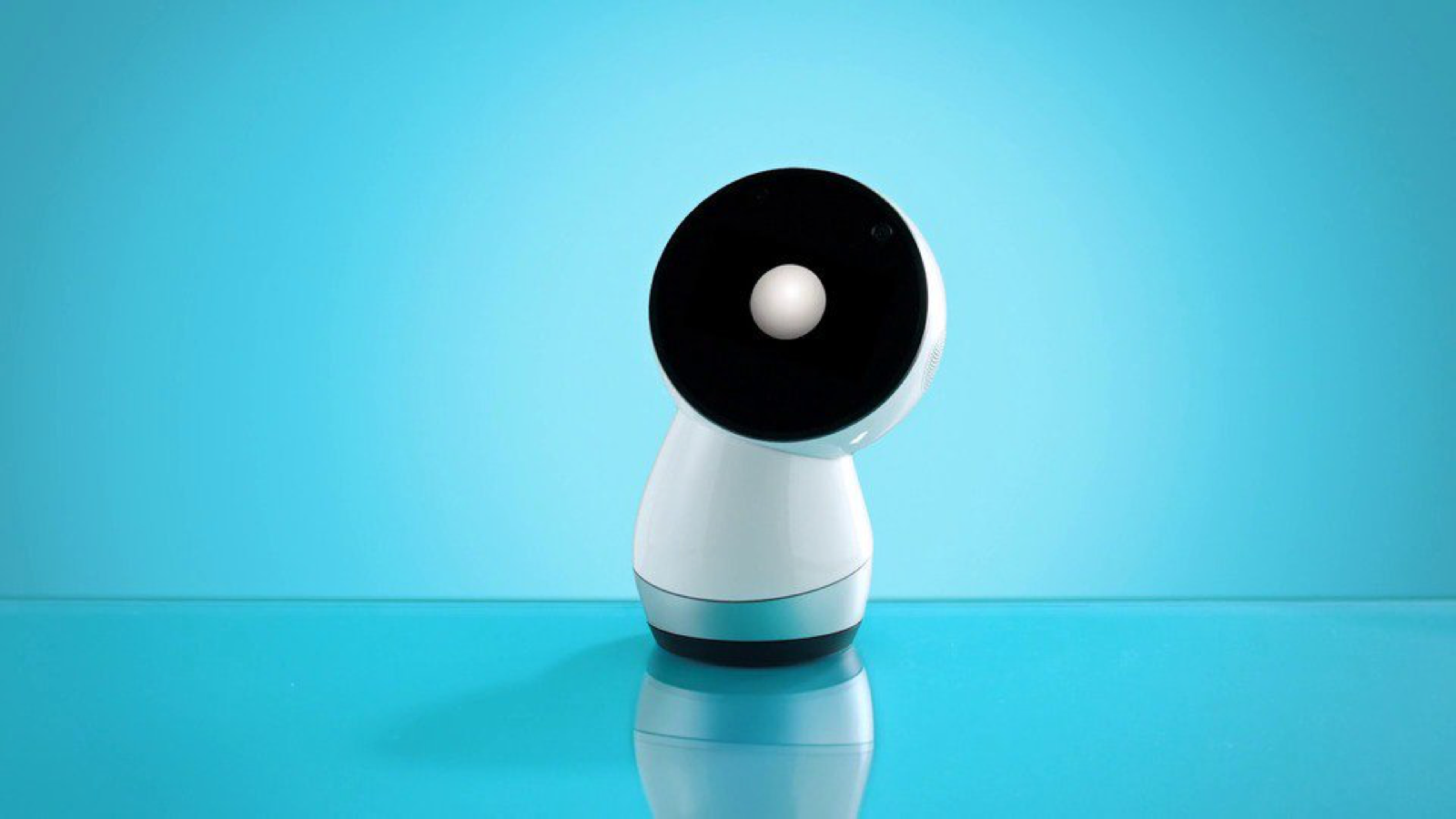
It stood about 30 centimeters tall, with a white body topped by a round screen face. Its large on-screen eye and swiveling body expressed emotion, it recognized family members' faces, called them by name, and spoke to them first. It was marketed as a robot that would become part of the family.

Less than two years after launch, the company could no longer continue. In March 2019, Jibo delivered a farewell message to its owners, and most of its features stopped working.
Key Points
Timeline
- 2014: Crowdfunding raises about 3.7 million dollars from more than 7,000 backers
- 2017: Launches at 899 dollars and is named one of TIME's Best Inventions of 2017
- 2018: Layoffs and asset sale; the company can no longer operate
- March 2019: Servers shut down and Jibo says goodbye to its owners
- March 2020: NTT Disruption, a US subsidiary of NTT, acquires Jibo's assets to explore healthcare and education uses
- Later: NTT Disruption itself is reported to have closed, and a research version of Jibo is said to continue at MIT
Why It Failed
- At 899 dollars, it did not do enough
- Cheap smart speakers spread rapidly at the same time
- Heavy reliance on the cloud meant it stopped working when servers shut down
- Developer tools arrived late, so skills and apps never grew
Lessons for Buyers Today
- Look at how long the product will last, not just the price
- Check whether any features work without the cloud
- Check monthly fees and what stops working if you cancel
Quick Verdict
Jibo was a pioneer that showed a robot could feel like part of the family. Its expressive movement and the experience of being greeted by name live on in LOVOT, ElliQ, and many desk robots today.
Its ending also exposed the weakness of internet-connected robots. However attached you become, a robot stops talking when its company and servers stop.
Companion robots gain value the longer you live with them. That is why it is worth checking what remains if the company does not survive or if you stop paying a monthly fee.
What Jibo Could Do
Jibo was designed to reach out to people, not just wait for commands.
- Recognize family members and call them by name
- Turn toward whoever was speaking
- Show joy or surprise through the shape of its eye
- Give weather and news, take photos, and dance
- Read stories to children
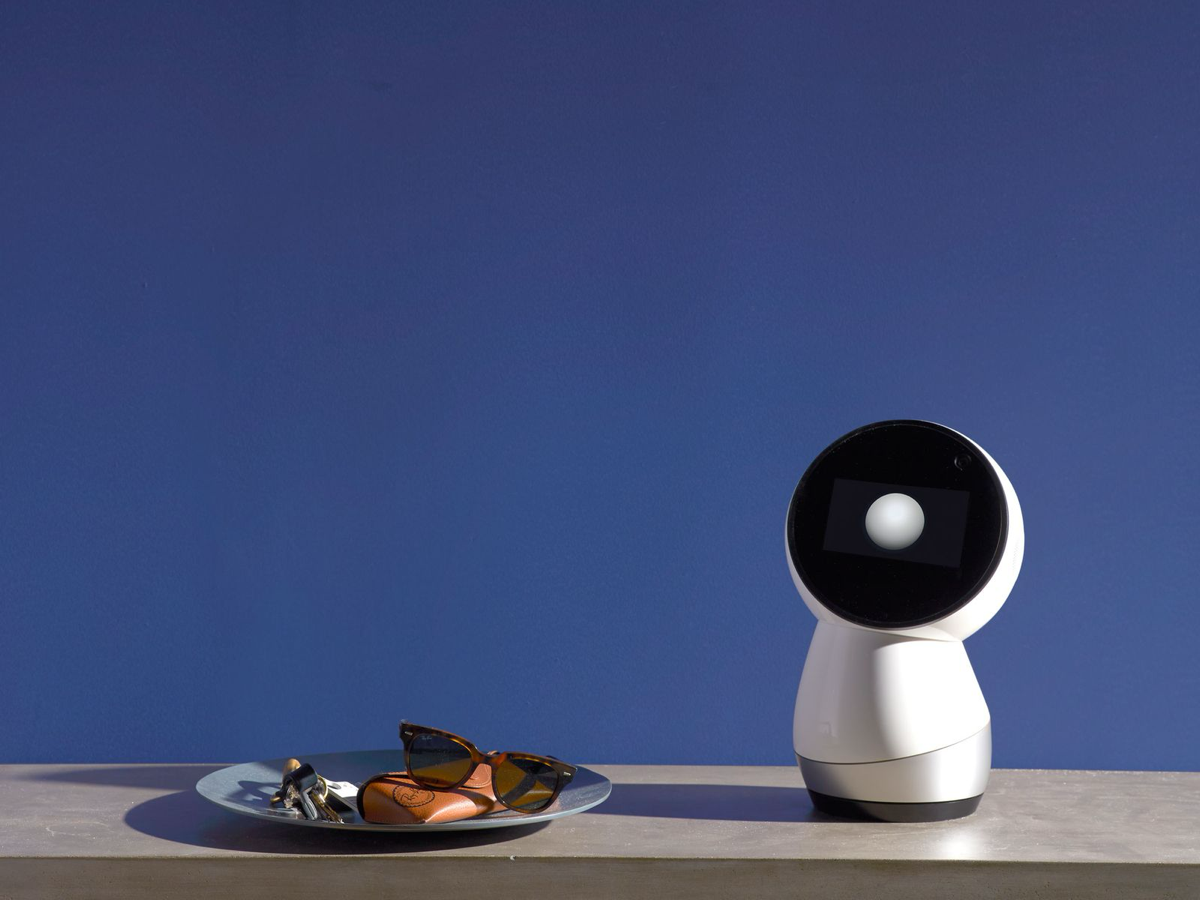
Smart speakers of the time were convenient voice-controlled tools. Jibo aimed to be a presence that lived with you.
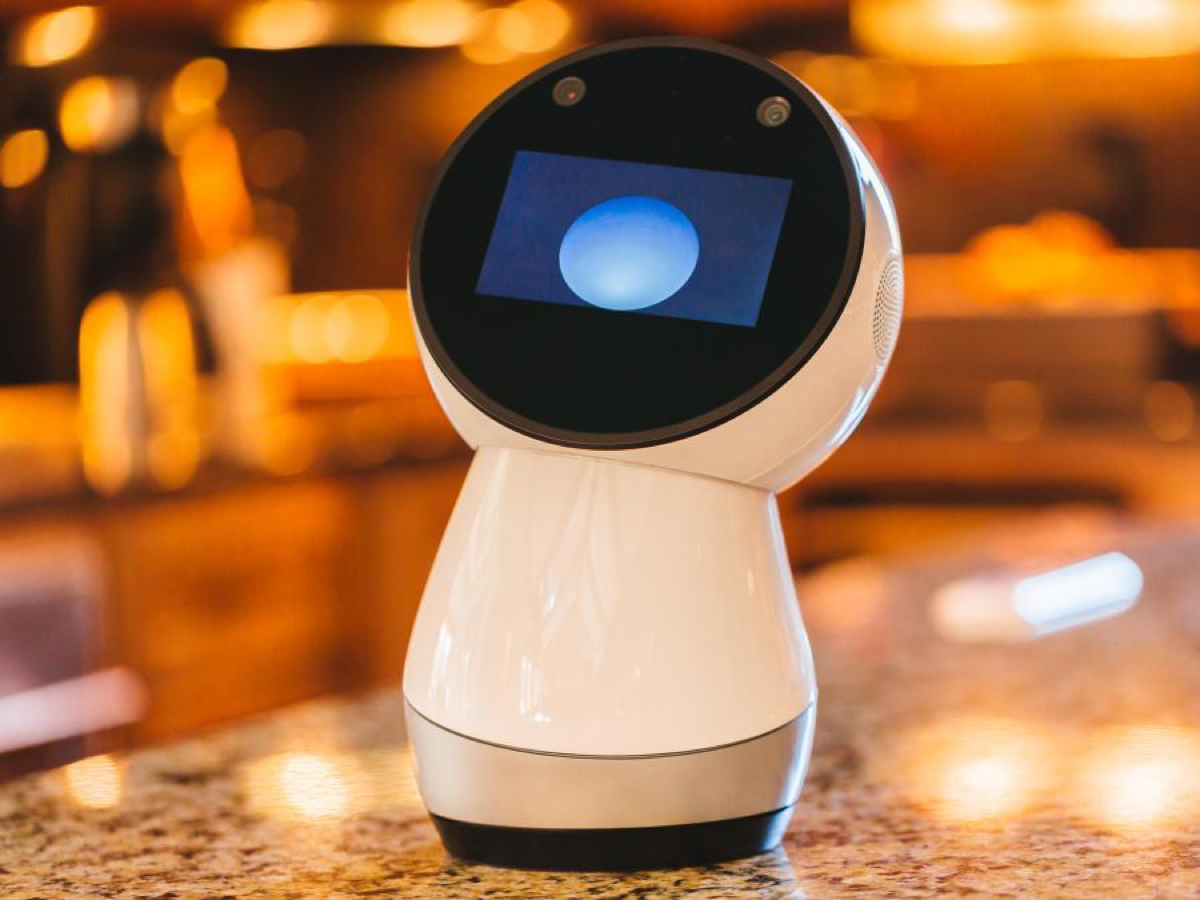
Its 2014 crowdfunding campaign raised about 3.7 million dollars, followed by substantial investment. In 2017 it was named one of TIME's Best Inventions and appeared on the cover of that issue.
Why Jibo Failed
1. The Gap Between Price and Capability
Jibo cost 899 dollars. Smart speakers that spread at the same time cost a few dozen dollars and kept adding music, smart home control, and shopping. Looking only at weather, news, and timers, Jibo was not very different from much cheaper speakers.
2. Features Did Not Grow
Smart speakers grew through third-party skills. Jibo planned developer tools, but they arrived late and few apps appeared. When nothing new follows the initial delight, people gradually stop talking to a robot.
3. Too Dependent on the Cloud
Jibo processed speech recognition and conversation largely on servers. When the company shut them down, most features disappeared even though the robot was still sitting in people's homes.
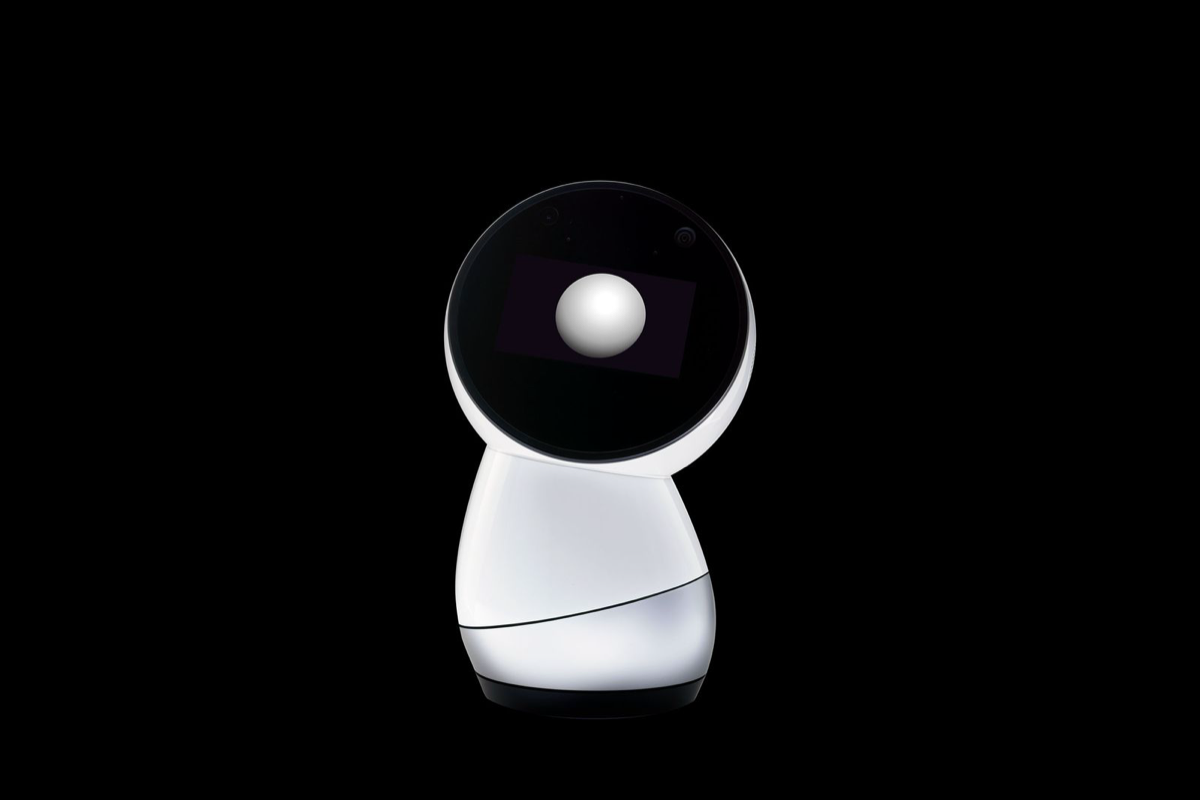
In March 2019, Jibo told owners that its servers would soon be turned off and thanked them for their company, and reportedly danced one last time.
4. Many Social Robots Disappeared Together
Jibo was not alone. The home robot Kuri was canceled around the same time, and Anki, maker of Cozmo and Vector, shut down in 2019 (Vector and Cozmo were later taken over by another company).

In the 2020s, the children's AI robot Moxie also stopped working after its maker shut down. Supporting expensive home robots through the cloud with a small company remains difficult.
The NTT Acquisition and Afterward
In March 2020, NTT Disruption, a US subsidiary of Japan's NTT, announced it had acquired Jibo's assets, with a focus on healthcare and education rather than a consumer relaunch.
NTT Disruption itself was later reported to have closed, ending Jibo's commercial life a second time. No official announcement of the closure date could be found, though a researcher's blog places it around 2023. A research platform based on Jibo is said to continue at MIT.
How to Choose a Companion Robot After Jibo
1. What Remains If the Company Fails?
- Are there features that work on the device alone?
- Is there a policy for refunds or alternatives if the service ends?
- How long has the seller or importer supported its products?
2. Monthly Fees and What Happens When You Cancel
Many companion robots now charge monthly fees. Whether the robot stops entirely or only loses some features after you cancel makes a big difference over the long term.
3. Balance Charm and Daily Use
Jibo showed that neither cuteness nor convenience alone is enough. Products that give you a reason to talk every day and a useful role in daily life are the ones that last.
4. Be More Careful as the Price Rises
The more expensive the robot, the more important company longevity, repairs, and parts become. Trying an affordable robot first can help you learn what suits you before committing to an expensive one.
Jibo Compared with Today's Robots
| Comparison | Jibo (2017) | ElliQ | LOVOT | Mia |
|---|---|---|---|---|
| Main role | Social robot for the family | Companion for seniors | Affectionate family robot that roams | Daily voice prompts and conversation |
| Price | 899 dollars | Device plus monthly fee (US) | Device plus monthly fee | From 9,800 yen incl. tax |
| Monthly fee | None (servers paid by company) | Yes | Yes | Basic features have no monthly fee |
| Sold in Japan | No | No | Yes | Yes |
| Status | Service ended in 2019 | On sale | On sale | On sale |
Jibo vs. Mia
Like Jibo, Mia is a robot that talks to you first, but its price and design philosophy are very different.
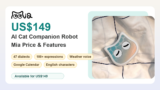
Mia starts at 9,800 yen including tax, and its basic features work without a monthly fee. It supports voice conversation, facial expressions, voice prompts in 47 Japanese dialects, schedule reminders through Google Calendar integration, weather information, and 15 English characters.
Mia's standard phrases also work without Wi-Fi. Some features such as conversation and weather use the internet, but the robot is not built to depend entirely on the cloud.
If you want to try life with a robot that talks to you before buying an expensive model, Mia is an easy place to start.
FAQ
Can I still buy Jibo?
Consumer sales have ended. Used units appear occasionally, but with the servers shut down they cannot work as they did at launch.
Why did Jibo stop working?
Most of its conversation and features were processed on internet servers. When the company could no longer operate and shut the servers down in 2019, the robot lost most of its functions.
What is the connection between Jibo and NTT?
In March 2020, NTT Disruption, a US subsidiary of NTT, acquired Jibo's assets to explore healthcare and education uses. NTT Disruption was later reported to have closed.
Is there a robot with no risk of service shutdown?
No robot is completely free of that risk. Checking whether features work on the device alone, what remains after canceling a subscription, and how long the seller provides support will reduce it.
Summary
Jibo was the first home social robot to recognize family members, call them by name, and express feelings through movement and an expressive face. Despite high expectations, a high price, features that did not grow, and dependence on the cloud led to its shutdown in 2019.
Jibo left behind both the promise that a robot can be part of the family and the lesson that buyers need to ask how long a robot will last. If you want an affordable start, Mia begins at 9,800 yen including tax, and its basic features work without a monthly fee.
You may also like:

👀 You may also like:
👉 2026 Guide: AI Pet Robots for Elderly Loneliness – A Comparison of 10 Companion Robots
👉 2026 Edition: 9 Recommended Pet Robots Under $150 – Cheap, Cute, and Healing Models
👉 Monthly and Maintenance Costs of Pet Robots: Moflin, LOVOT, Mia, and More
👉 Mia – Your Chatty AI Cat Companion Robot with 100+ Expressions