Introduction
Robots can support children's emotional development by encouraging conversation, empathy, caring behavior, and expression. The Japanese source article introduces Moxie, LOVOT, Romi, and Mia.
Robots That Support Emotional Education for Children
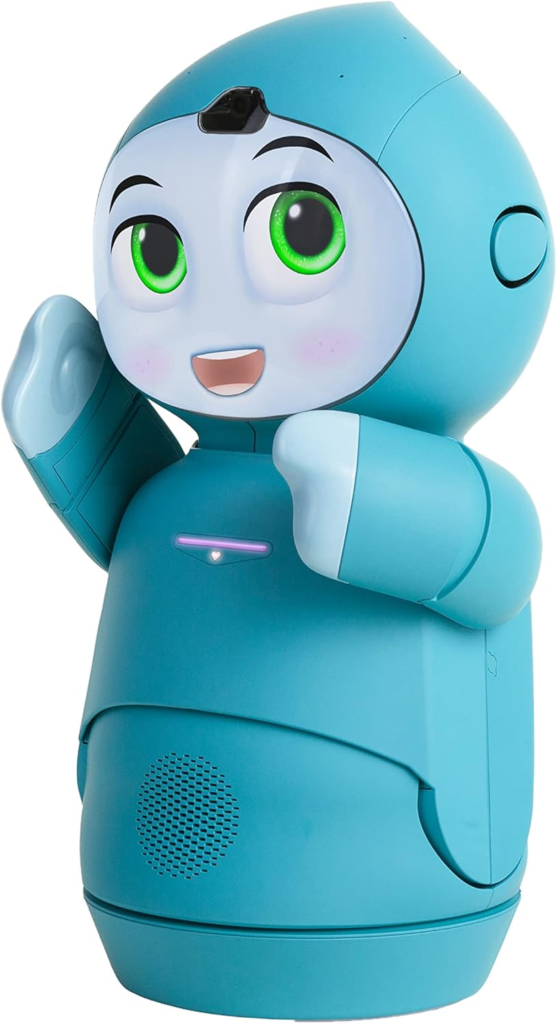
Moxie: Conversational AI Robot
Moxie is designed for conversation with children. It can encourage children to speak, express feelings, and engage in social-emotional learning.
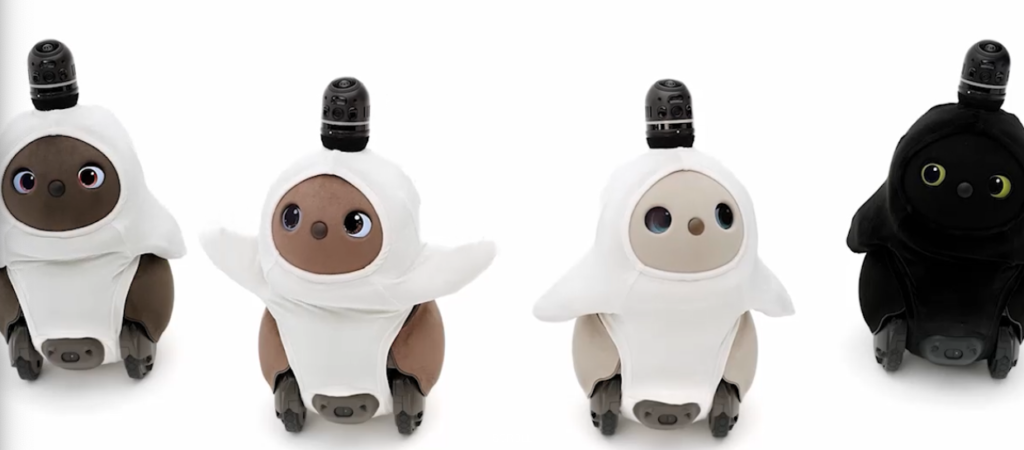
LOVOT: Learning Affection and Empathy Through Touch and Holding
LOVOT is warm and soft, encouraging children to touch, hold, and care. This kind of interaction can support empathy and affectionate behavior.
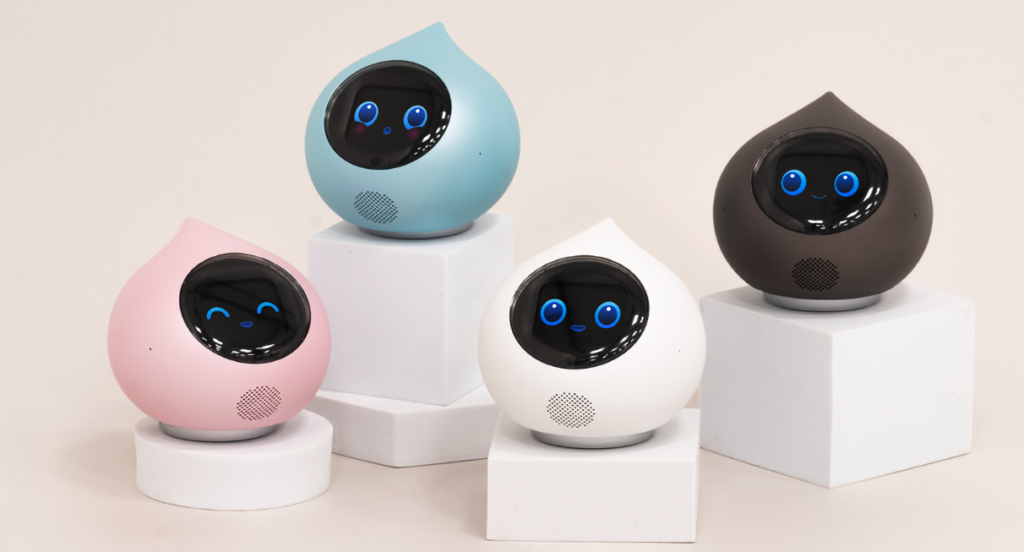
Romi: Palm-Sized AI Robot
Romi is a small AI conversation robot. It can provide natural conversation and emotional support through daily interaction.
Mia: A Talking Cat-Shaped Robot With Many Dialects
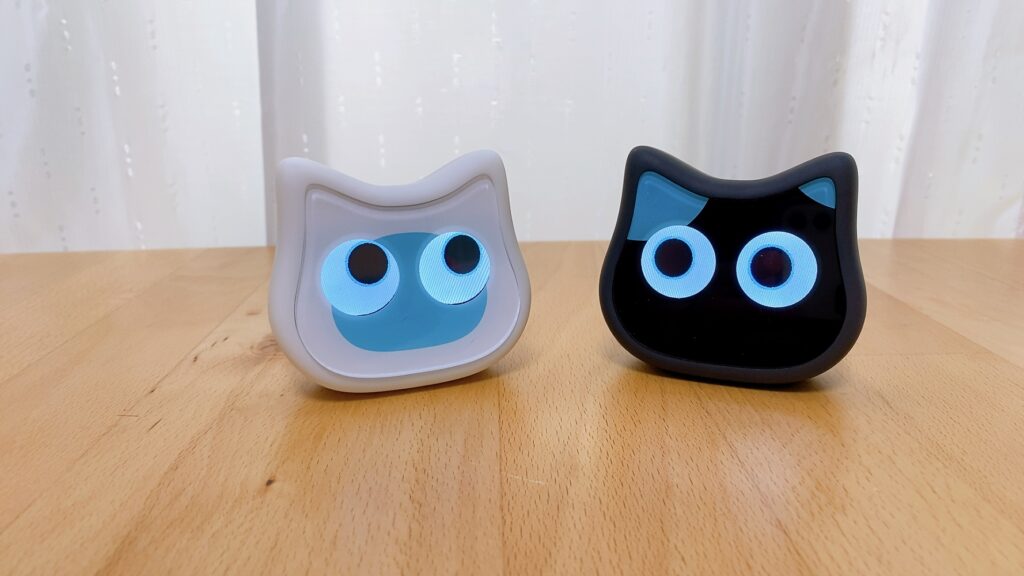
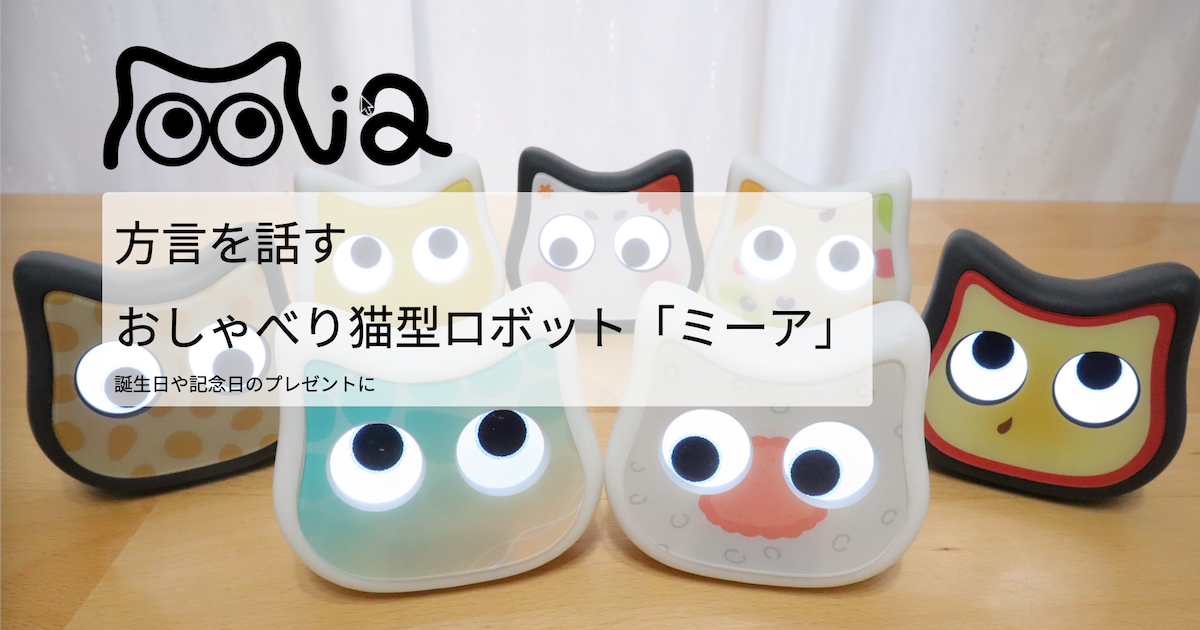
Mia speaks in dialects and uses expressive eyes. Children can imitate phrases, respond to voices, and use Mia as a family conversation starter.
Effects of Emotional Education Robots
Robots can help children practice communication, observe expressions, and learn to care for another presence. They are most effective when parents participate and talk with children about what they felt.
Summary
Moxie, LOVOT, Romi, and Mia each support children's emotional development in different ways. Robots should be used as tools for family interaction, not as replacements for human communication.
Related Articles


👀 You may also like:
👉 2026 Guide: AI Pet Robots for Elderly Loneliness – A Comparison of 10 Companion Robots
👉 2026 Edition: 9 Recommended Pet Robots Under $150 – Cheap, Cute, and Healing Models
👉 Monthly and Maintenance Costs of Pet Robots: Moflin, LOVOT, Mia, and More
👉 Mia – Your Chatty AI Cat Companion Robot with 100+ Expressions