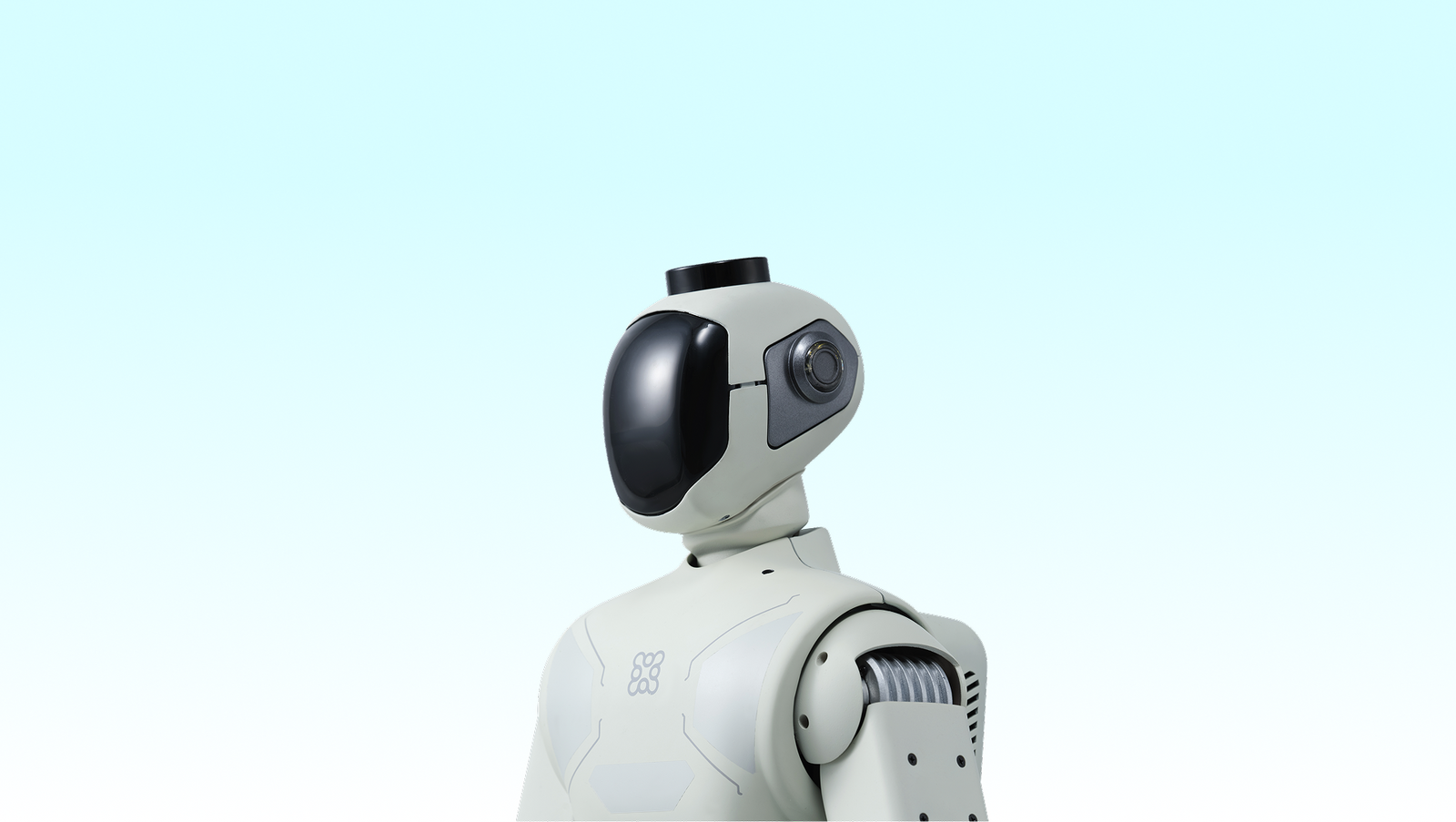
What Is Zeroth M1?
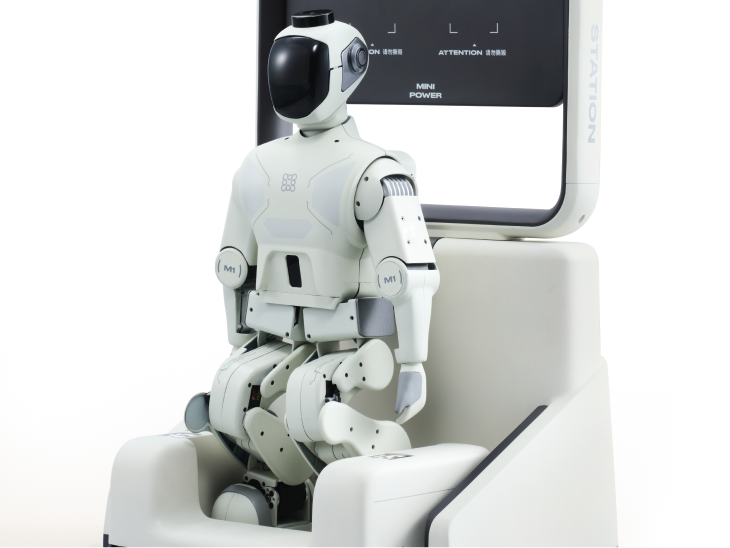
Zeroth M1 is a roughly 15-inch (about 38 cm) home robot unveiled by US robotics startup Zeroth Robotics at CES 2026.
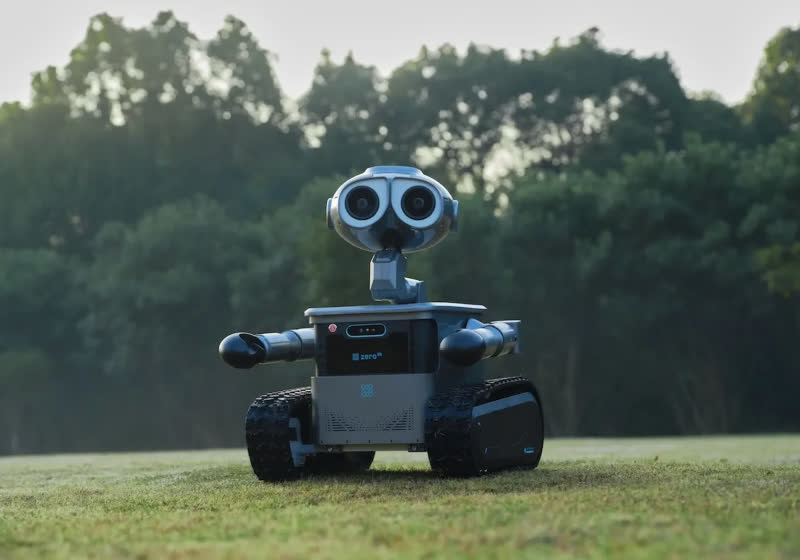
Zeroth came out of stealth at this year's CES, introducing M1 alongside a WALL-E-inspired hauling robot called W1. M1 is built around the idea of "embodied intelligence" — a robot that physically moves through your home while watching over your family, holding conversations, and stepping in to help when needed.
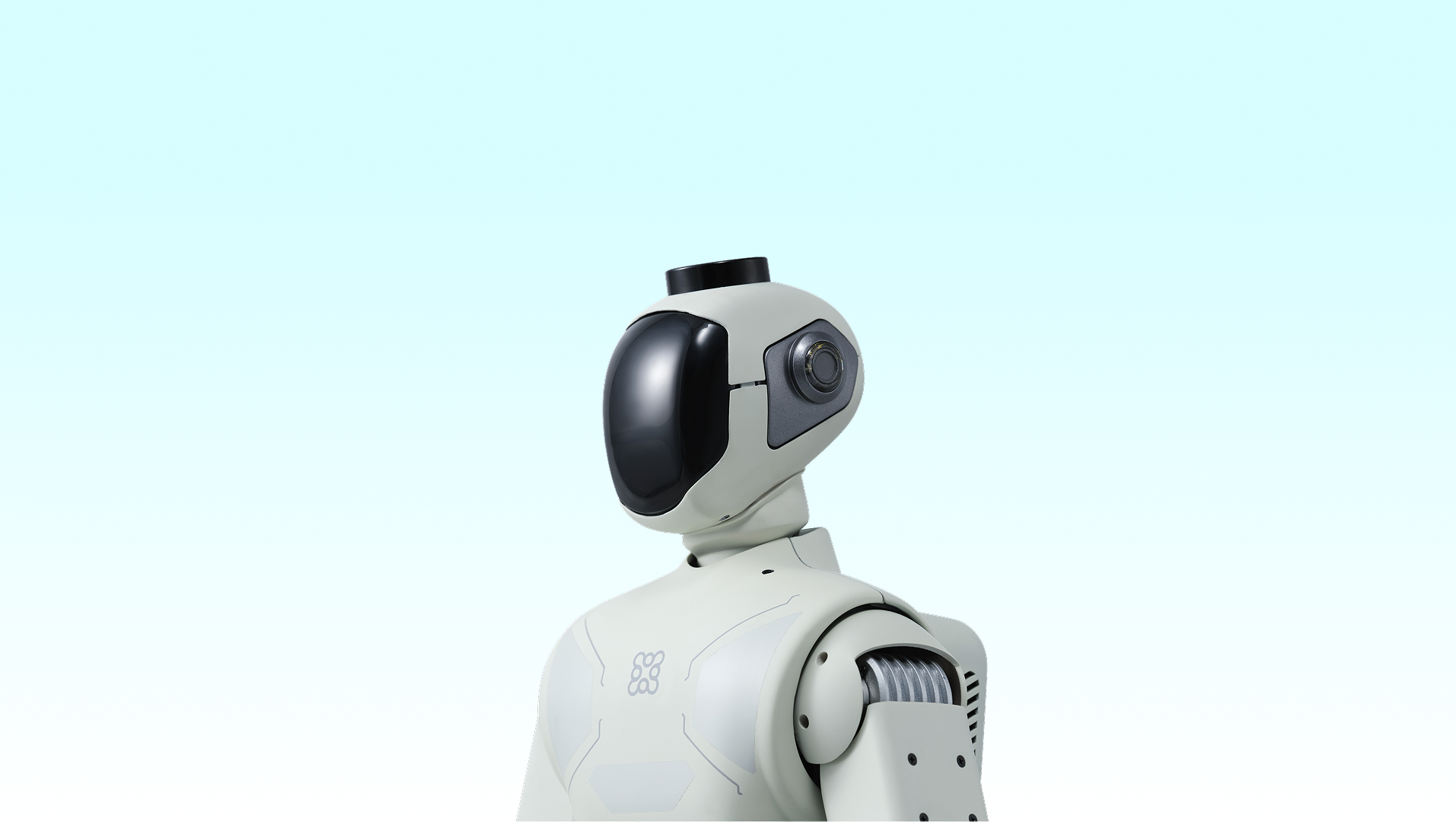
At its core, M1 combines natural conversation powered by Google Gemini, fall detection, medication and schedule reminders, scam-call awareness, interactive learning for kids, and pet behavior monitoring. Unlike a stationary conversational robot, M1 can switch between bipedal walking and wheeled movement to get around the house.
Key Takeaways
What M1 Is
- A home robot unveiled by Zeroth Robotics at CES 2026
- About 15 inches (38 cm) tall, roughly 20 inches (51 cm) with arms extended
- Switches between bipedal mode (0.05 m/s) and wheeled mode (0.6 m/s, with autonomous following)
- Holds natural, continuous conversations powered by Google Gemini
- Offers fall detection, safety monitoring, medication/schedule reminders, scam prevention, interactive learning for kids, and pet behavior monitoring
- US preorder pricing has been reported anywhere from $2,399 to $2,899, while the official site lists $2,499
- General availability was targeted for around April 2026 at announcement time
What's Good
- Actually moves through the home instead of staying in one spot
- Leans heavily into fall detection and monitoring for aging-in-place support
- Also covers kids' learning and pet-watching, so more of the household can use it
- Equipped with LIDAR and depth sensors built for indoor navigation
- Fast charging gets it to 80% in about an hour
What to Watch Out For
- Pricing is inconsistent across sources ($2,399–$2,899), so check the official site before assuming a final number
- Battery life is rated around 2 hours, which may not suit households expecting near-constant operation
- No confirmed Japan availability, pricing, Japanese-language support, or radio certification information as of this writing
- Real-world reviews of mass-produced units are still scarce; most coverage is based on the CES demo and announcement
- Because it relies on cameras, microphones, and monitoring features, privacy handling deserves a close look
Who It Might Suit
- People who want both conversation and physical monitoring for an aging family member
- Anyone curious about a mobile AI robot rather than a fixed-position companion
- Early adopters who want to try Gemini-powered conversation in a home robot
- Shoppers comparing mobile home robots like Amazon Astro, Samsung Ballie, or FrontierX Aura
Bottom Line
Zeroth M1 is an ambitious attempt to combine conversational AI, physical monitoring, and household mobility into a single robot.
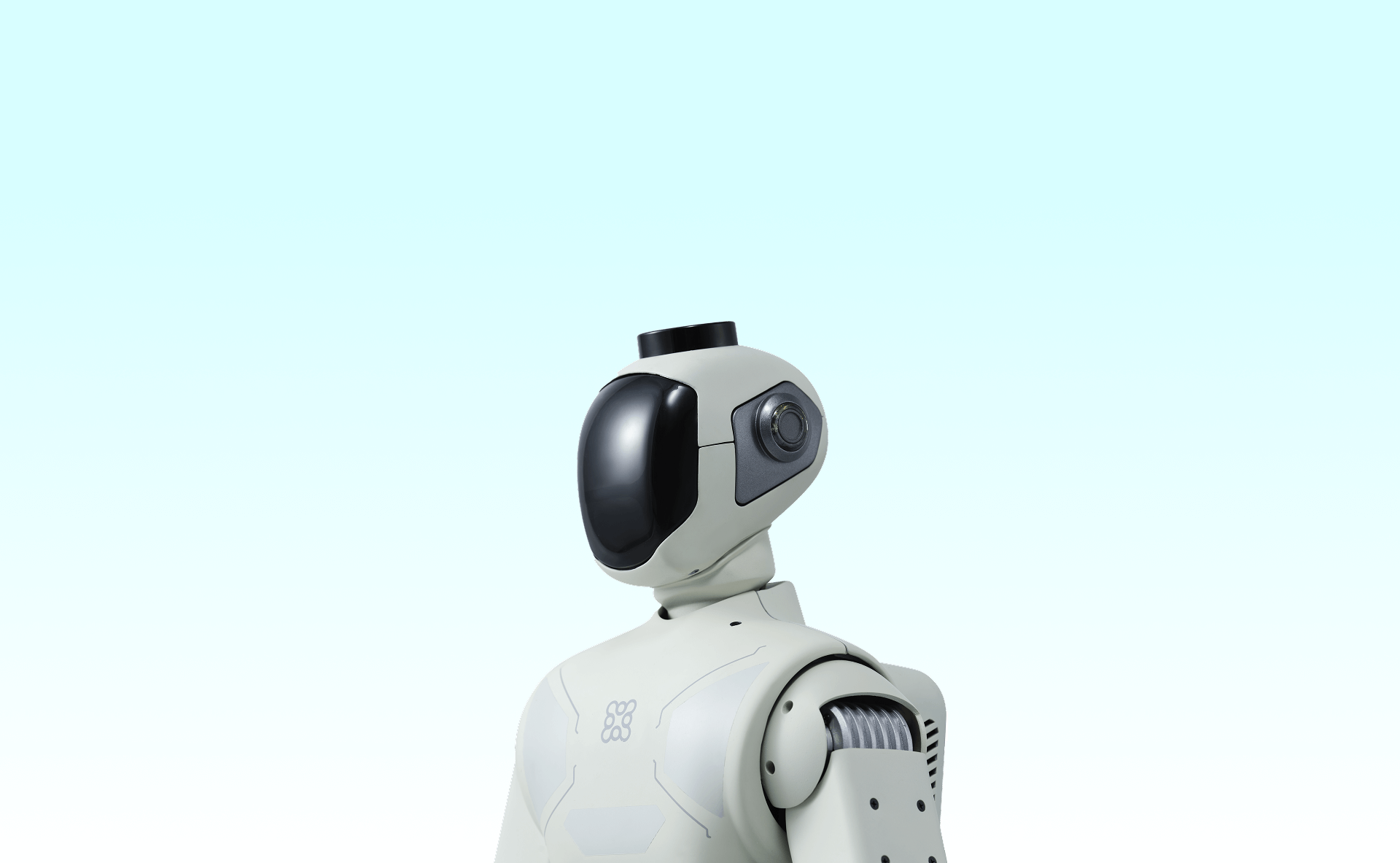
With Gemini-powered conversation, fall detection, medication reminders, scam awareness, kids' learning support, and pet monitoring, it covers an unusually wide range of use cases for one device. The ability to switch between bipedal and wheeled movement also sets it apart from stationary companion robots.
That said, inconsistent pricing across sources, no confirmed Japan rollout, and a lack of reviews from mass-produced units mean it's not quite ready for a confident buying decision. It's worth following as a preview of where home robots may be heading, but worth waiting on for firmer pricing, shipping, and real-world reviews before committing.
Pricing and How to Order
Pricing Varies Across Sources
Reported pricing for Zeroth M1 differs depending on the source:
- CES announcement coverage cited a planned price of $2,899
- Some outlets reported an early-bird preorder price of $2,399 (discounted from a $2,999 list price)
- The official site (zeroth0.com) currently lists a reservation price of $2,499
Because these figures don't line up, anyone considering a purchase should check the official site for the current listed price rather than relying on any single article. It's currently offered as a reservation, so the final general-availability price could still change.
Beyond the sticker price, factor in currency conversion, shipping, customs duties, warranty terms, repairs, and consumables like batteries or dock replacements when estimating total cost.
Release Timing and Availability
At the CES 2026 announcement, Zeroth indicated US preorders would open in Q1 2026, with general availability targeted for around April 2026.
If you're considering M1 from Japan, look into:
- Whether official sales will reach Japan
- Whether conversation and notifications will work in Japanese
- Radio certification (technical conformity / "giteki") status
- Whether there's a repair, exchange, or warranty channel in Japan
- Whether Gemini-based conversation performs as well in a Japanese-language environment
CES demo units and mass-produced retail units don't always match in polish, so it's worth waiting for official sales information before assuming the Japan experience will match the show floor.
What Zeroth M1 Can Do
Natural Conversation Powered by Google Gemini
Zeroth M1 uses Google Gemini for natural language processing, so it doesn't require memorized commands to hold a conversation.
The company describes this as "embodied intelligence" — a robot that sees, listens, remembers, and acts on patterns in the household. Rather than functioning like a smart speaker, M1 is designed to move and act based on what's happening around it.
Fall Detection and Elder Monitoring
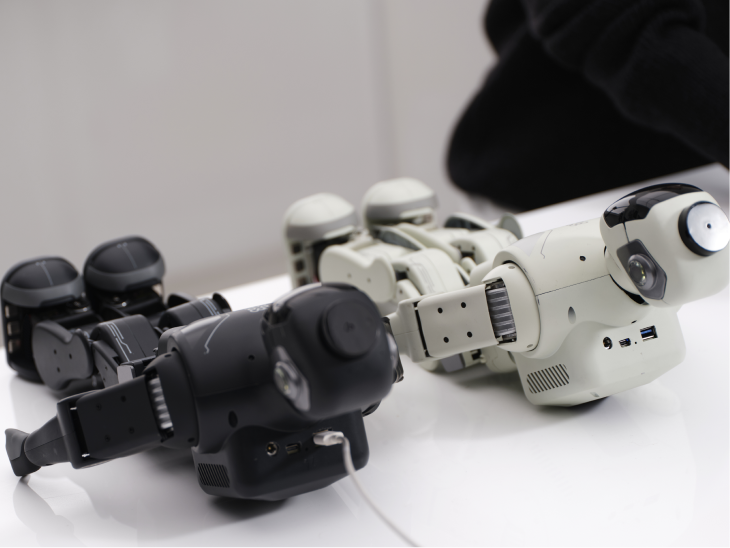
One of M1's headline use cases is supporting older adults living independently.
It's designed to detect falls and alert family members when something appears wrong. Medication and schedule reminders, along with scam-call awareness (flagging suspicious calls or messages), round out its aging-in-place features.
Unlike a fixed monitoring camera, the robot itself can move closer to check on someone — a meaningful difference from existing monitoring services. That said, detailed information about fall-detection accuracy, false-positive rates, and emergency response workflows is still limited beyond the official announcement, so this is one area worth watching for hands-on reviews.
Kids' Learning Support and Pet Monitoring
M1 isn't limited to elder care — it's also positioned as a household assistant for busy parents.
Interactive learning activities for kids, light household help, and pet behavior monitoring are all mentioned as use cases. Zeroth also leaves room for hobbyists and developers to customize and experiment with the platform.
Hybrid Bipedal and Wheeled Movement
M1's standout feature is its ability to switch between bipedal walking (about 0.05 m/s) and wheeled movement (about 0.6 m/s, with autonomous-following support).
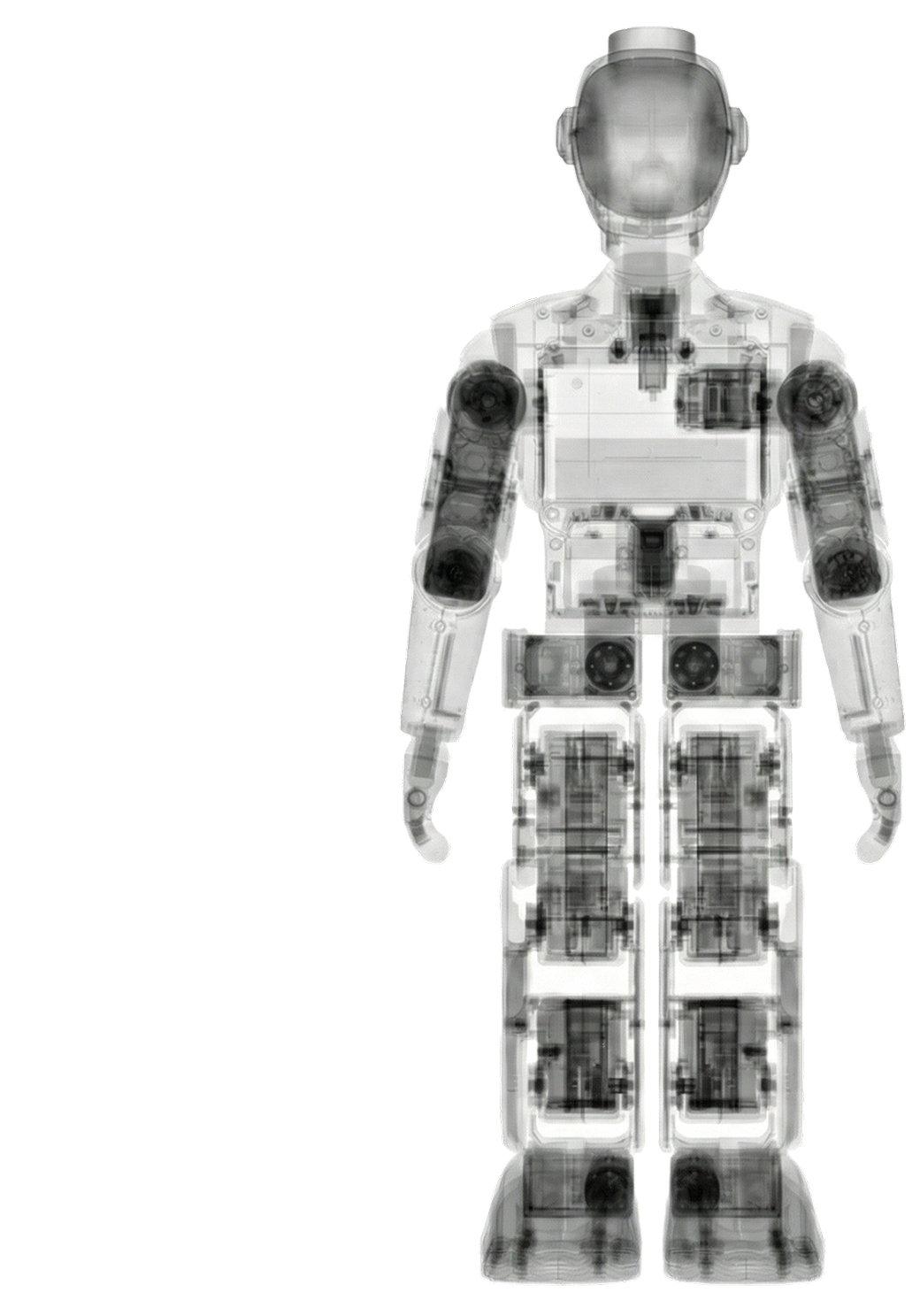
Navigation relies on LDS LIDAR for home mapping, an iToF depth sensor for obstacle detection, a vision camera for recognition and avoidance, an IMU for posture tracking, and a 3-mic array with roughly 16-foot (about 4.9 m) pickup range. It's rated to clear obstacles up to about 1.58 inches in bipedal mode and 0.79 inches in wheeled mode.
As with any mobile home robot, real-world usability depends heavily on your floor environment:
- Thick rugs or carpets
- Steps or thresholds
- Power cords and cables
- Narrow hallways
- Pet litter boxes or feeding areas
- Areas near staircases
In these conditions, a mobile robot may struggle to navigate, get stuck, or even tip over, so it's worth mapping out its likely path before setup.
Battery and Charging
Battery life is rated at around 2 hours, with fast charging reaching 80% in about an hour.
This suggests a usage pattern built around returning frequently to the dock rather than running continuously around the clock. If you're expecting long, uninterrupted operation, it's worth confirming real-world battery performance once hands-on reviews become available.
What Third-Party Coverage Is Saying
Zeroth M1 drew coverage from several tech outlets after its CES 2026 debut.
Yanko Design described the philosophy behind the robot this way:
Rather than trying to mimic human appearance, M1 embodies "human-technology symbiosis."
— Yanko Design
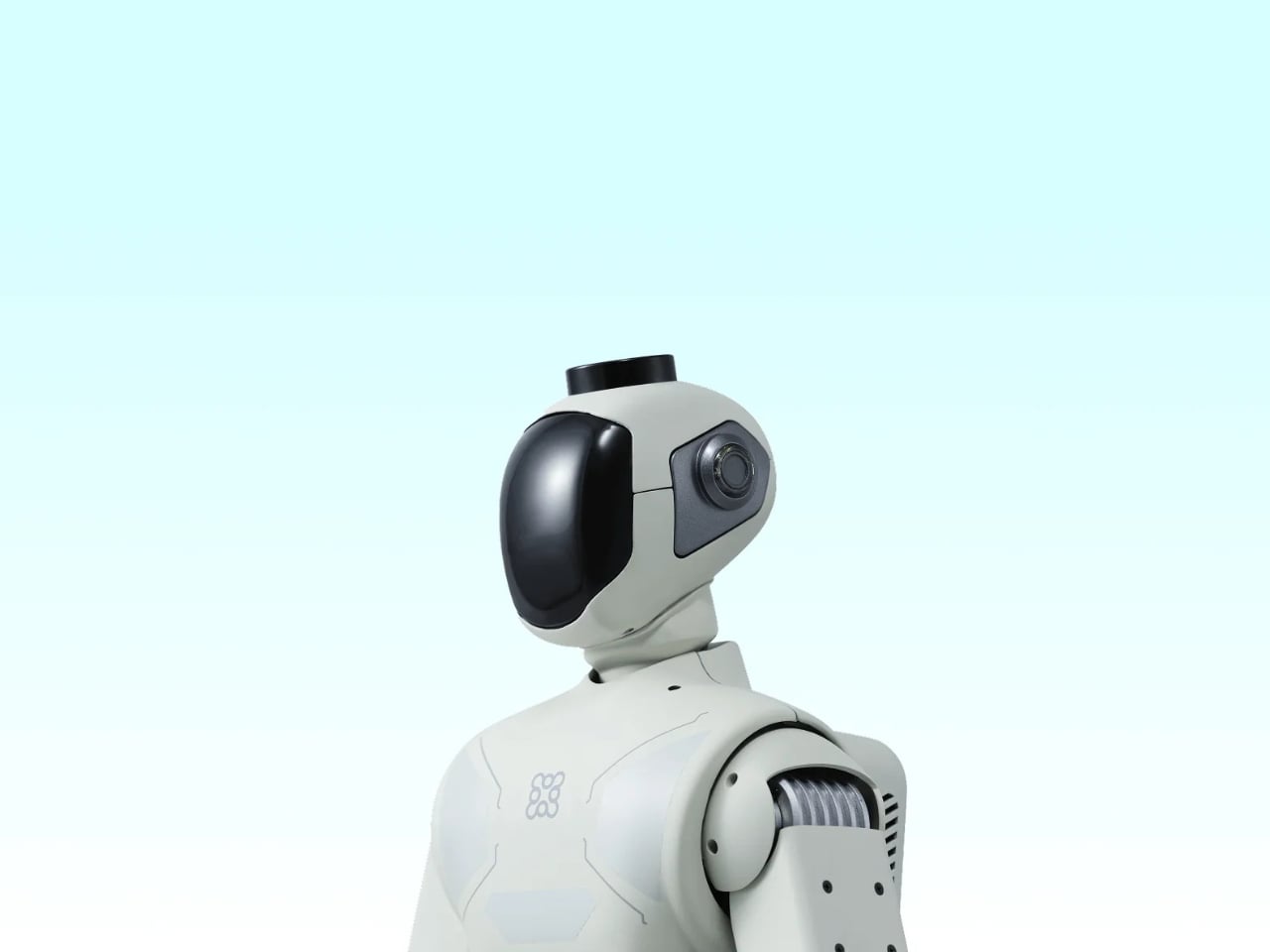
This captures M1's positioning well: it's not aiming to look human, but to fit naturally into a household as a companion.
Other outlets, including TechSpot, have taken a more cautious tone around pricing and how a mass-produced unit will hold up compared with the CES demo — a reasonable note of caution, since show-floor units and retail units don't always match.
How It Compares With Similar Robots
Zeroth M1 combines mobility, conversation, and monitoring in one device, so it makes more sense to compare it with mobile home robots and elder-monitoring robots than with stationary companion robots.
| Robot | Main Audience | What It Does | How It Differs From M1 | Best For |
|---|---|---|---|---|
| Zeroth M1 | Whole household (elderly, kids, pets) | Bipedal/wheeled hybrid movement, Gemini conversation, fall detection, learning support | Broadest combination of mobility, conversation, and monitoring | Households wanting a mobile robot that both talks and watches over family |
| FrontierX Aura | Whole household | Autonomous movement, AI agent tasks, household support | Leans more toward household/chore assistance | Early adopters tracking mobile AI home robots |
| ElliQ | Elderly individuals | Companionship, health check-ins, family connection | Stationary, focused specifically on elder companionship | Those prioritizing an elderly user's loneliness and health check-ins |
| Amazon Astro | Whole household | Autonomous movement, monitoring, Alexa integration | Plugs into an existing Amazon smart-home ecosystem | Households already invested in Amazon devices |
| Samsung Ballie | Whole household | Rolls around, projects visuals, smart-home integration | More compact, leans toward smart appliance control | Those wanting tighter smart-home device integration |
M1's positioning isn't just "monitoring robot." It pairs elder-focused features like fall detection, medication reminders, and scam awareness with family-focused features like kids' learning and pet monitoring, all tied together by its hybrid mobility.
How It Differs From FrontierX Aura
FrontierX Aura is an autonomous AI agent robot built around household tasks and daily life support.
M1 leans more heavily into Gemini-powered conversation and elder-care features like fall detection and monitoring. Both fall into the "mobile AI home robot" category, but Aura is more chore-oriented while M1 is more monitoring- and conversation-oriented.

How It Differs From ElliQ
ElliQ, developed by Intuition Robotics, is a stationary AI companion built specifically for elderly users, focused on check-ins and health-related conversation.
M1 shares that elder-monitoring focus but adds the ability to physically move through the home. If you want something simple and voice-first, ElliQ fits; if you're interested in a robot that can walk or roll over to check on someone, M1 is the more relevant comparison.

How It Compares With Mobile Home Robots in General
Amazon Astro, Samsung Ballie, Moripet, and others have all entered the "robot that moves around your home" category. M1 stands out within that group for how strongly it emphasizes Gemini-based conversation and elder-monitoring features.
For a broader look at mobile home robots, see our comparison article:

What to Check Before Buying
1. Final Price, Currency, and Duties
Since pricing varies by source, confirm the current listed price on the official site and factor in exchange rates, customs duties, and shipping before estimating total cost.
2. Accuracy of Fall Detection and Monitoring
Fall detection ties directly to elder safety. Look for details on false-positive rates, emergency notification flow, how family members are alerted, and language support once hands-on reviews and official manuals are available.
3. Battery Life and Charging Routine
With roughly 2 hours of battery life, satisfaction may hinge on whether your household expects light, periodic use or something closer to continuous monitoring.
4. Camera and Microphone Privacy
M1 handles a lot of household audio and video through monitoring, conversation, and kids' learning features. Before buying, it's worth checking:
- Whether video/audio is stored in the cloud
- Whether stored data can be deleted
- Whether family members can have separate account permissions
- Where data is stored geographically
- How the scam-prevention feature actually works (e.g., whether it analyzes call content)
5. Support and Connectivity in Japan
For an overseas robot used in Japan, radio certification, Japanese-language support, repair access, and warranty terms all matter. As of now, little of this information has been published for Zeroth M1, so it's safer to wait for an official Japan announcement.
Frequently Asked Questions
How much does Zeroth M1 cost?
Reported pricing ranges from $2,399 to $2,899 depending on the source, while the official site (zeroth0.com) currently lists a $2,499 reservation price. Check the official site for the latest figure before assuming any specific price.
Is Zeroth M1 available in Japan?
As of August 2026, there's no confirmed information about official Japan sales or Japanese-language support. It's best to wait for an official announcement before assuming it will be available.
Can Zeroth M1 actually walk?
It switches between bipedal walking (about 0.05 m/s) and wheeled movement (about 0.6 m/s, with autonomous following). It can handle some obstacles, but real-world mobility will depend heavily on your home's floor layout.
How accurate is the fall detection?
Detailed accuracy figures and false-positive rates haven't been published beyond the official announcement. If you're relying on it for elder safety, it's worth waiting for hands-on reviews and official support documentation.
How long does the battery last?
Around 2 hours, with fast charging reaching 80% in about an hour. This points toward a routine of frequent docking rather than continuous, all-day operation.
Spec Summary
| Item | Detail |
|---|---|
| Product | Zeroth M1 |
| Maker | Zeroth Robotics |
| Announced | CES 2026 |
| Dimensions | About 195mm (L) × 125mm (W) × 494mm (H); ~20 in (51 cm) with arms extended |
| Weight | Robot body ~2.8 kg; mobility base ~1.4 kg; charging dock ~2.8 kg |
| Main Use | Conversation, elder monitoring, fall detection, kids' learning, pet monitoring |
| AI | Natural-language conversation powered by Google Gemini |
| Mobility | Bipedal (~0.05 m/s) / wheeled (~0.6 m/s, autonomous following) |
| Sensors | LDS LIDAR, iToF depth sensor, vision camera, IMU, 3-mic array |
| Battery | ~2 hours runtime; fast charge to 80% in ~1 hour |
| Price | $2,399–$2,899 depending on source (official site lists $2,499) |
| Availability | Targeted around April 2026 at announcement |
| Japanese Support | Not confirmed |
Overall Verdict
Zeroth M1 is an ambitious home robot that tries to combine conversational AI with physical, mobile monitoring in a single device.
Gemini-powered conversation, fall detection, medication and schedule reminders, scam awareness, kids' learning support, and pet monitoring together cover an unusually broad range of use cases. Its ability to switch between bipedal and wheeled movement is also a genuine differentiator from stationary companion robots.
At the same time, inconsistent pricing across sources, no confirmed Japan availability or language support, and a lack of reviews from mass-produced units mean it's not quite ready for a confident purchase decision. It's worth following as a signal of where home robots are headed, while waiting for firmer pricing, shipping details, and real-world reviews before deciding.
How Zeroth M1 Compares With Mia, the Talking Cat Robot
Zeroth M1 and Mia are both conversation-centered home robots, but they take very different approaches.
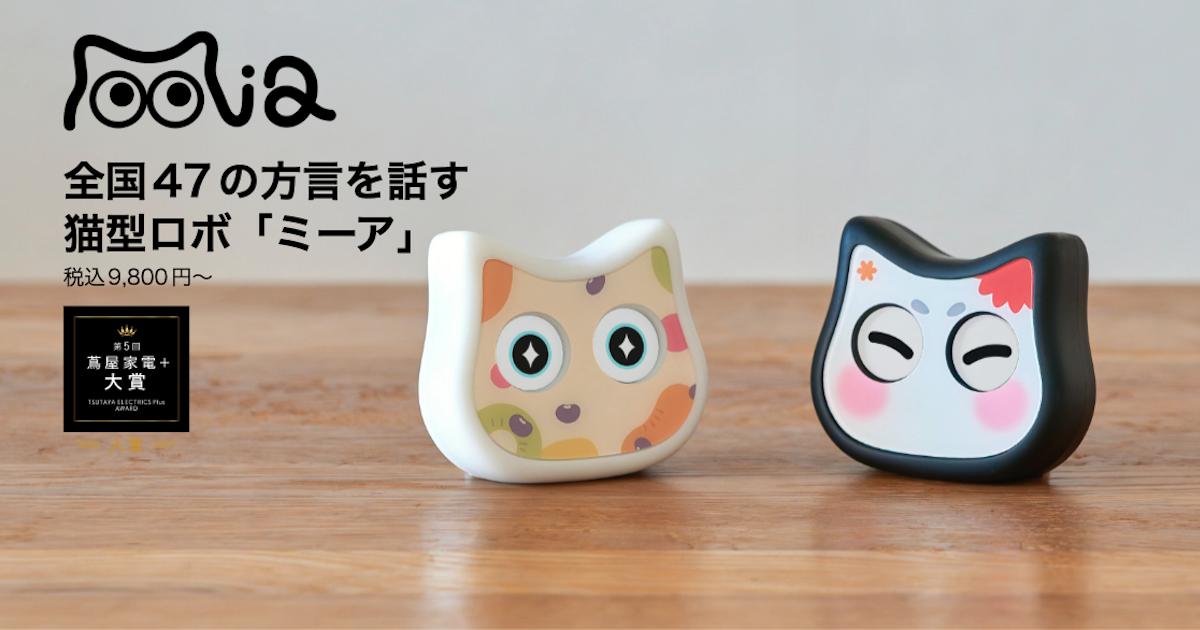
M1 physically moves through the home and tries to cover a wide range of needs — elder fall detection, monitoring, and kids' learning support among them. Mia is a stationary, cat-shaped robot focused on regional Japanese dialects, expressions, and everyday conversation.
| Comparison | Zeroth M1 | Mia |
|---|---|---|
| Main Audience | Elderly, kids, whole household, pets | Elderly, people living alone, kids, families |
| Form Factor | Humanoid, bipedal/wheeled hybrid mobility | Cat-shaped, compact, stationary |
| Key Features | Gemini conversation, fall detection, monitoring, learning support, autonomous movement | 47 Japanese regional dialects, expressions, voice conversation, Google Calendar integration, weather updates, 15 English-speaking characters |
| Conversation AI | Google Gemini | Optional conversation plan for ¥300/month |
| Price | $2,399–$2,899 (varies by source) | From ¥9,800 (tax included) |
| Mobility | Bipedal/wheeled hybrid, moves around the home | Stationary, does not move |
| Best For | Buyers who want a mobile, feature-rich monitoring robot | Those who want affordable, everyday conversation with regional dialect charm |
If you're drawn to a feature-rich robot that actually moves and watches over your family, Zeroth M1 is worth tracking.
If you'd rather start with an affordable robot built around everyday conversation, regional dialects, and simple companionship, Mia is the easier entry point. Mia starts at ¥9,800 (tax included) and offers 47 regional Japanese dialects, expressions, voice conversation, Google Calendar integration, weather updates, and 15 English-speaking characters.
👇 Meet Mia, the talking cat robot with 47 regional Japanese dialects
Summary
Zeroth M1 pairs Google Gemini-powered conversation with hybrid bipedal/wheeled mobility, aiming to be a next-generation home monitoring robot.
With use cases spanning elder fall detection and monitoring, kids' learning support, and pet behavior monitoring, it sits at the intersection of "mobile AI home robot" (alongside FrontierX Aura and Amazon Astro) and "elder-monitoring robot" (alongside ElliQ).
That said, inconsistent pricing, unclear Japan availability, and a lack of mass-production reviews mean it's too early to commit. It's worth waiting for firmer shipping details, hands-on reviews, and official Japan information before weighing price, battery life, floor compatibility, and privacy considerations.
👀 You might also enjoy these articles.
👉 FrontierX Aura Review: Is This Autonomous Home AI Agent Robot Worth It?
👉 ElliQ Review: Can This AI Companion Ease Loneliness for Seniors?
👉 Mobile AI Home Robots Compared: Amazon Astro, Samsung Ballie, FrontierX Aura, and More
👉 Meet Mia: The AI Pet Robot That Speaks 47 Japanese Regional Dialects
👀 You may also like:
👉 2026 Guide: AI Pet Robots for Elderly Loneliness – A Comparison of 10 Companion Robots
👉 2026 Edition: 9 Recommended Pet Robots Under $150 – Cheap, Cute, and Healing Models
👉 Monthly and Maintenance Costs of Pet Robots: Moflin, LOVOT, Mia, and More
👉 Mia – Your Chatty AI Cat Companion Robot with 100+ Expressions