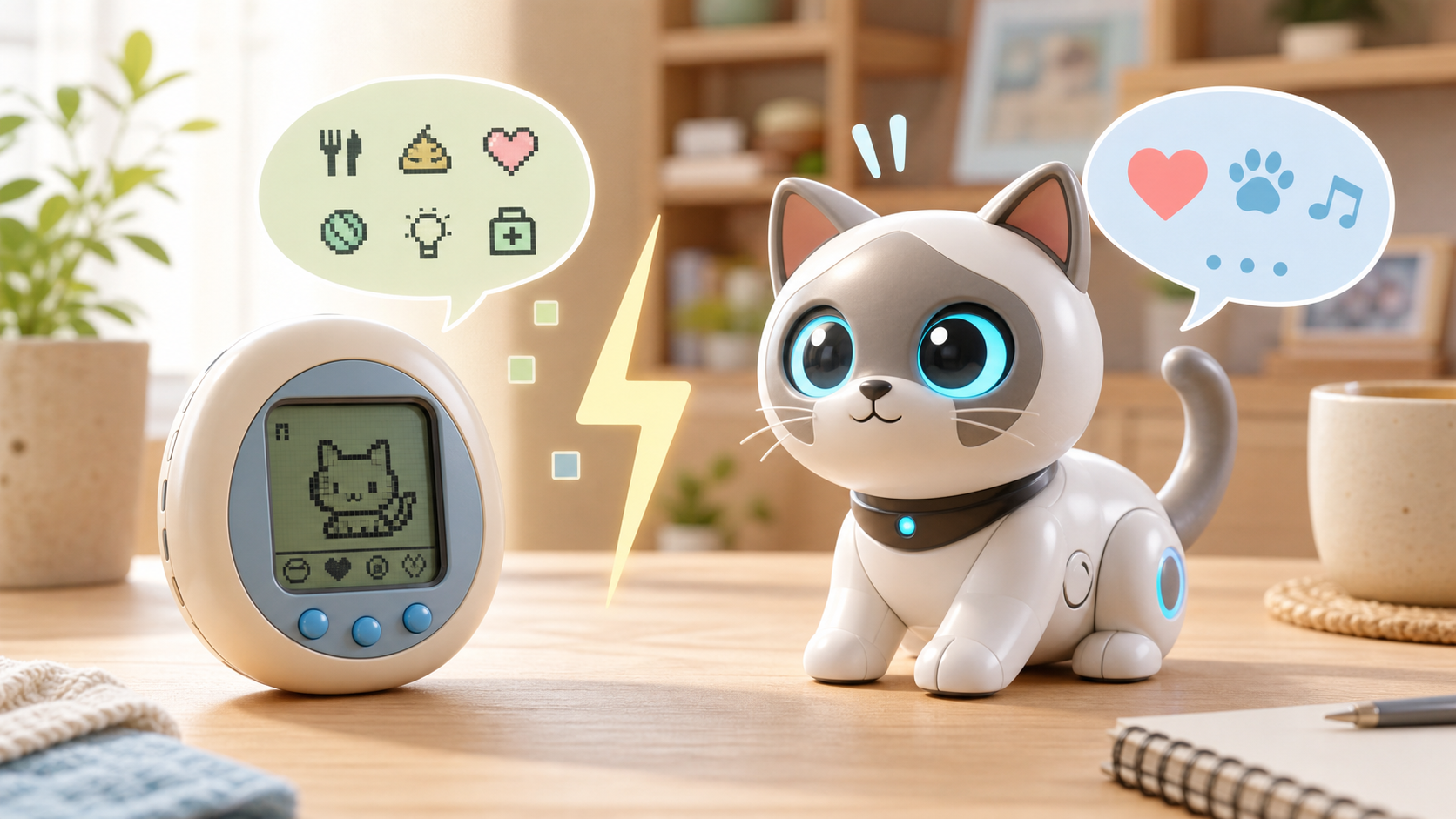
- Digital Pets Are Nurturing Games; Mia Is a Conversation and Comfort AI Pet Robot
- Key Takeaways
- Digital Pet vs AI Pet Robot: The Main Differences
- Main Products to Compare
- Comparison Table
- Best Choice by Purpose
- AI Pet Robots to Compare Alongside Mia
- How to Choose: Raise, Talk, or Feel Comforted?
- FAQ
- Conclusion
Digital Pets Are Nurturing Games; Mia Is a Conversation and Comfort AI Pet Robot
Digital pets such as Tamagotchi Paradise and Bitzee are often mentioned together with AI pet robots such as Mia.
They all feel like “pet-like gadgets,” but the experience is very different.
A digital pet is mainly about raising, feeding, caring for, evolving, and collecting characters. Mia, on the other hand, is closer to a conversational AI pet robot: something you place in your room, talk to, listen to, and enjoy as a small daily comfort companion.
This guide compares Tamagotchi Paradise, Bitzee, Sweekar, Furby, Micro Pets, and Mia, then explains which type fits each use case.
👇 Mia, the talking AI cat companion robot with 47 Japanese dialects
Key Takeaways
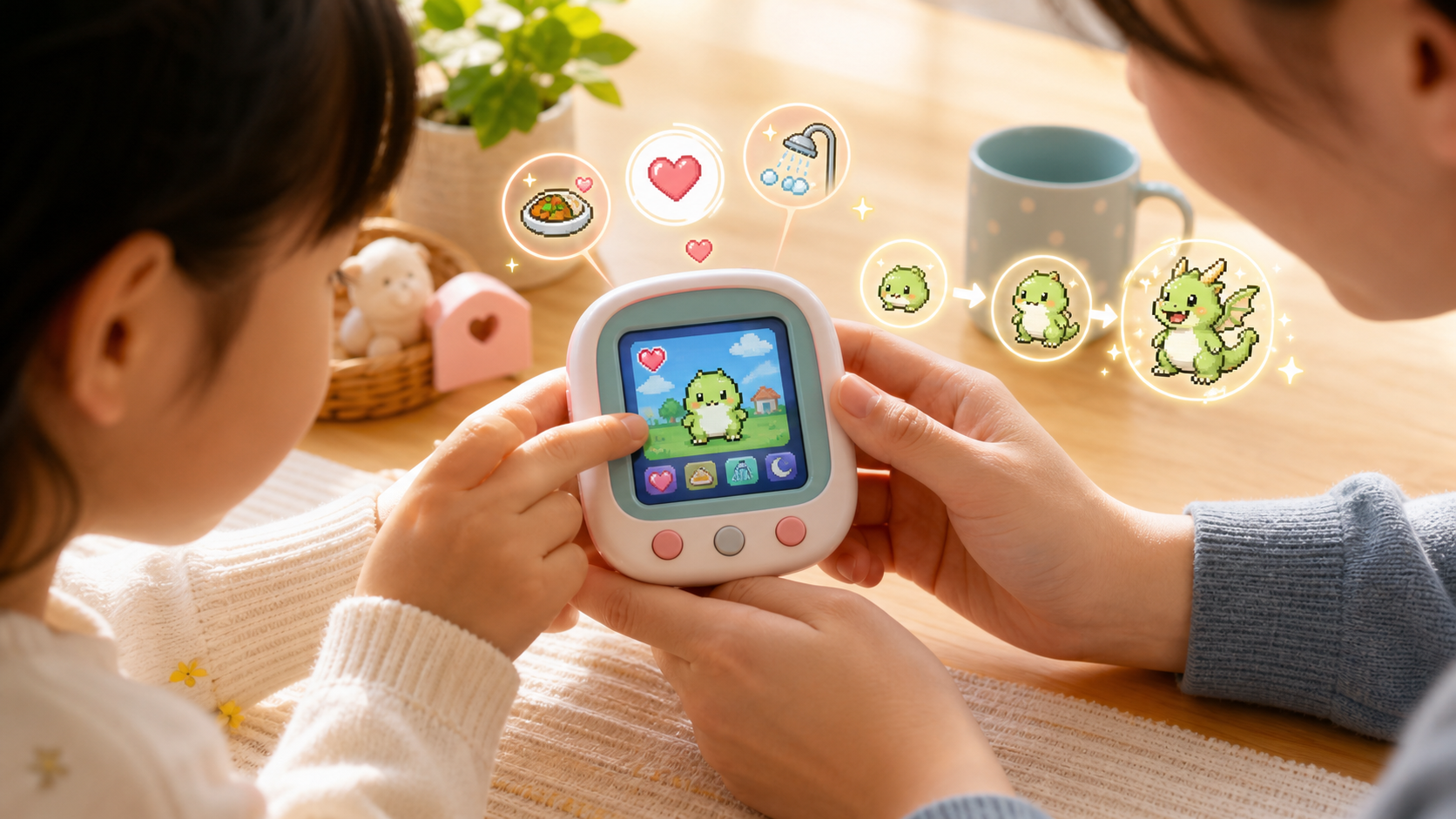
What Is a Digital Pet?
- A small electronic toy or handheld device where you raise a character
- Usually built around feeding, care, mini-games, evolution, and collection
- Popular for children, nostalgic adults, and casual gift buyers
- More focused on nurturing and game mechanics than real conversation
What Is an AI Pet Robot?
- A physical companion that responds through voice, touch, expressions, or movement
- Often used for conversation, comfort, reminders, and everyday emotional presence
- Can be cat-shaped, dog-shaped, plush, cushion-like, or mobile
- Mia, Moflin, LOVOT, Nicobo, Qoobo, Loona, MarsCat, and aibo fit this broader comparison
Quick Verdict
If you want a toy to raise, collect, and play with, Tamagotchi Paradise or Bitzee makes more sense.
If you want a small companion for conversation, voice prompts, comfort, or daily presence, Mia is easier to understand as a fit.
The simplest way to choose is this: do you want to raise a character, or do you want something to talk to?
Digital Pet vs AI Pet Robot: The Main Differences
| Comparison Point | Digital Pet | AI Pet Robot |
|---|---|---|
| Typical examples | Tamagotchi Paradise, Bitzee, Sweekar, Micro Pets | Mia, Moflin, LOVOT, Nicobo, Qoobo, Loona, aibo |
| Core experience | Raising, evolving, collecting, mini-games | Conversation, voice prompts, comfort, touch, presence |
| Main interaction | Buttons, touch, toy controls, game loops | Voice, touch, expressions, movement |
| What feels fun | Watching change, completing collections | Feeling a response in daily life |
| Conversation | Limited or product-dependent | Often a major feature |
| Best for | People who want game-like play | People who want a companion-like presence |
| Watch out for | May be ignored once the game loop gets old | Price, subscriptions, placement, and setup matter |
Digital pets are “raising games.” The character changes because of your care, and the fun comes from small routines, surprises, and collection.
AI pet robots are “responsive companions.” They sit in the real world and create tiny moments of communication through voice, movement, touch, or expression.
Main Products to Compare
Tamagotchi Paradise: A Classic Nurturing Game Reimagined
Tamagotchi Paradise is a newer digital pet in the Tamagotchi series.
The official site describes a “zoom lens” style play concept, where users can look from a cell-level world to a space-level world. It also promotes more than 50 characters and more than 50,000 possible variations depending on how the character is raised.
As of June 5, 2026, Bandai’s official product page lists “Tamagotchi Paradise – White Glacier” with a July 11, 2026 release date in Japan, a price of 6,380 yen including tax, and a recommended age of 6 and up.
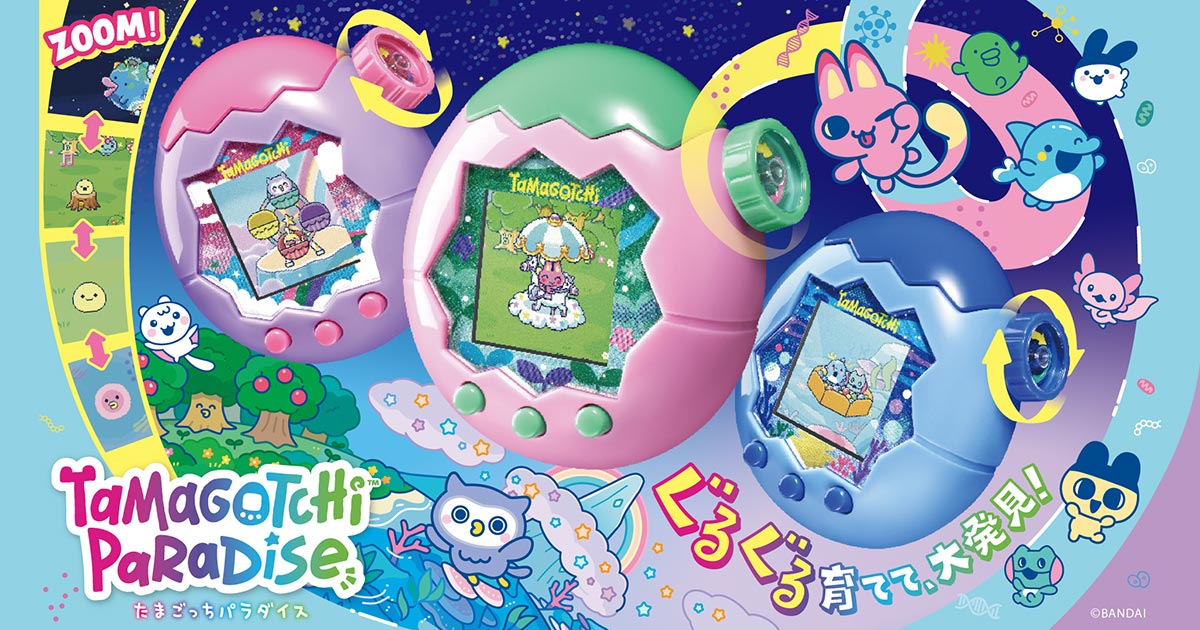

Tamagotchi Paradise is not a robot you talk to in daily life. It is better understood as a compact nurturing game with evolution, discovery, communication, and collection at its center.
Its appeal is how far the familiar Tamagotchi formula has expanded. Instead of only feeding a character and waiting, the user can observe different scales, discover new forms, and enjoy the sense that small choices create different outcomes.
However, someone looking for conversation, comfort, or a daily voice in the room may find it very different from Mia. Tamagotchi Paradise raises a character; Mia talks, reacts, and creates a companion-like routine.
Bitzee: A Digital Pet You Can “Touch”
Bitzee is an interactive digital pet from Spin Master.
The official product page describes it as a virtual pet that moves beyond a flat 2D screen into a 3D-feeling experience. The toy includes 15 animals and responds to touch, tilting, and movement.

Bitzee is interesting because it tries to make a screen-based character feel physical. Instead of only pressing buttons, a child opens the case, touches the projection-like pet, and watches it react.
For families trying to avoid long smartphone or tablet sessions, Bitzee can feel like a more contained electronic toy. It is still digital, but it does not feel like handing over a phone game.
The important difference from Mia is purpose. Bitzee is for touching, collecting, and playing. Mia is for conversation, voice prompts, and comfort. If the goal is a child’s toy, Bitzee is compelling. If the goal is a room companion, Mia, Moflin, or Nicobo should also be considered.
Sweekar: A Tamagotchi-Like AI Pocket Pet
Sweekar is already covered in an existing Mia blog article.
It is useful in this comparison because it sits between a traditional digital pet and a conversational AI companion. It brings together nurturing, AI conversation, memory, personality change, and portability.
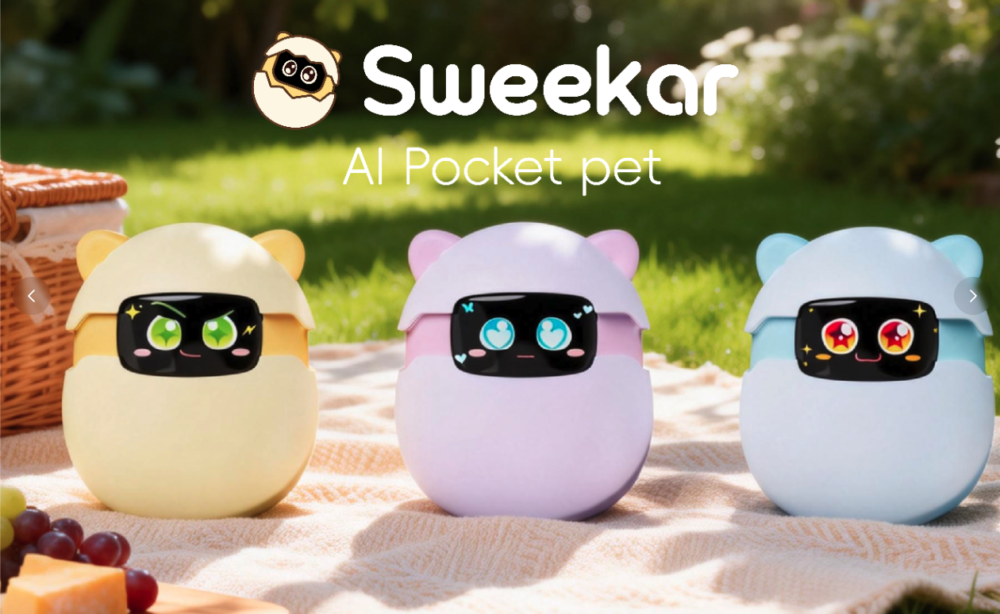
Sweekar is appealing because it answers a natural question: what happens if a Tamagotchi-style pet gains AI memory and conversation?
For adults who grew up with digital pets, that idea is powerful. A pocket pet that remembers interactions, changes with you, and feels less disposable can create stronger attachment than a fixed-pattern toy.
At the same time, newer AI products need extra purchase checks. Before buying or backing a product like Sweekar, readers should confirm release status, crowdfunding risk, subscription costs, language support, app requirements, warranty, and long-term reviews.
Furby 2023: A Character Toy Between Digital Pets and Talking Toys
Furby is not exactly a digital pet in the Tamagotchi sense. It is better known as an interactive character toy.
The 2023 Furby focuses on voice, songs, reactions, and character personality. It does not offer the same detailed nurturing loop as Tamagotchi Paradise, but it is easy for children to treat as a play partner.
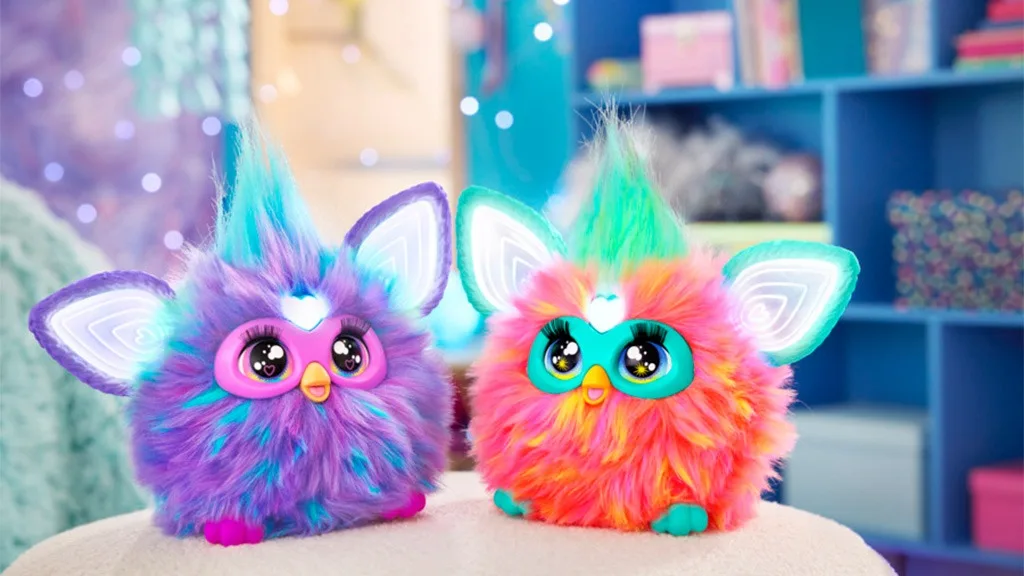
Furby’s strength is its lively presence. It can make the room feel more playful, and its toy-like personality is easy for children to understand.
In this article, Furby works best as an example of a “reactive toy” rather than a nurturing game. It has more physical presence than a handheld digital pet, but it is still more of a toy character than a daily companion robot.
Compared with Mia, Furby is more playful and energetic. Mia is calmer and more suitable when the reader wants conversation, reminders, dialect-style warmth, or a comfort-oriented AI pet robot.
Micro Pets: Small, Simple, and Easy to Try
Micro Pets are small pet-style toys that fit the low-cost, easy-entry side of this comparison.
They are not about advanced AI conversation. Their appeal is that a tiny pet toy can move, react, and sit on a desk as a cute gadget.
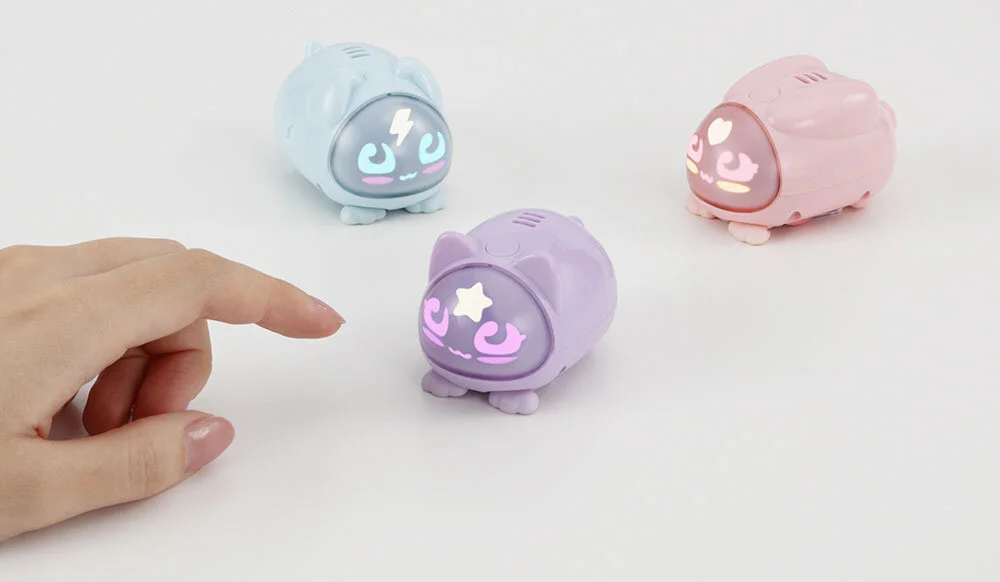
Micro Pets are useful to mention because not every reader wants a full AI robot. Some people simply want something small, cute, and affordable.
That makes them closer to Tamagotchi Paradise or Bitzee than to Mia. They can be a child’s gift or a casual desk toy, but readers should not expect natural conversation, memory, calendar integration, or a real comfort companion experience.
Mia: A Conversation and Comfort AI Pet Robot
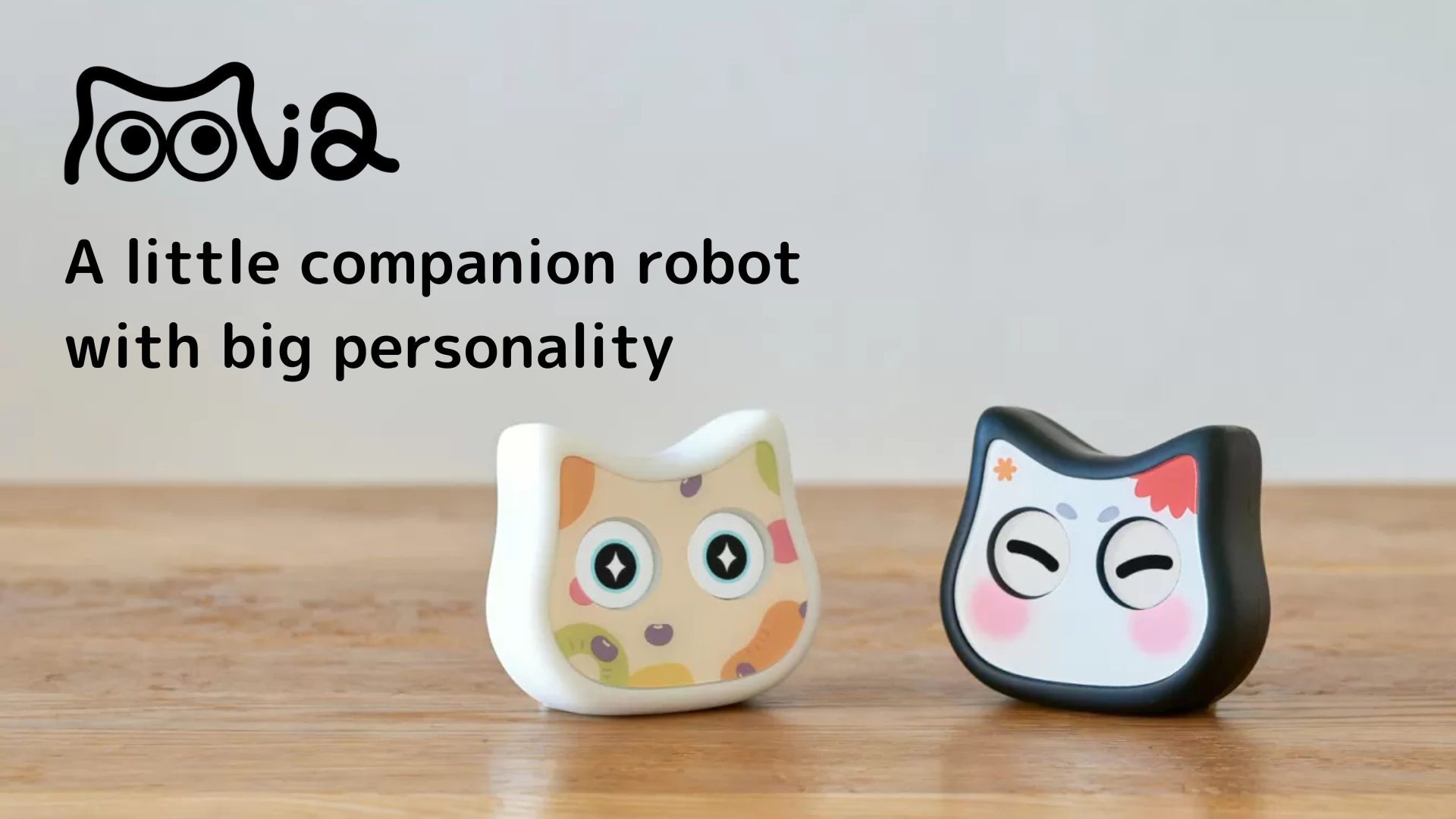
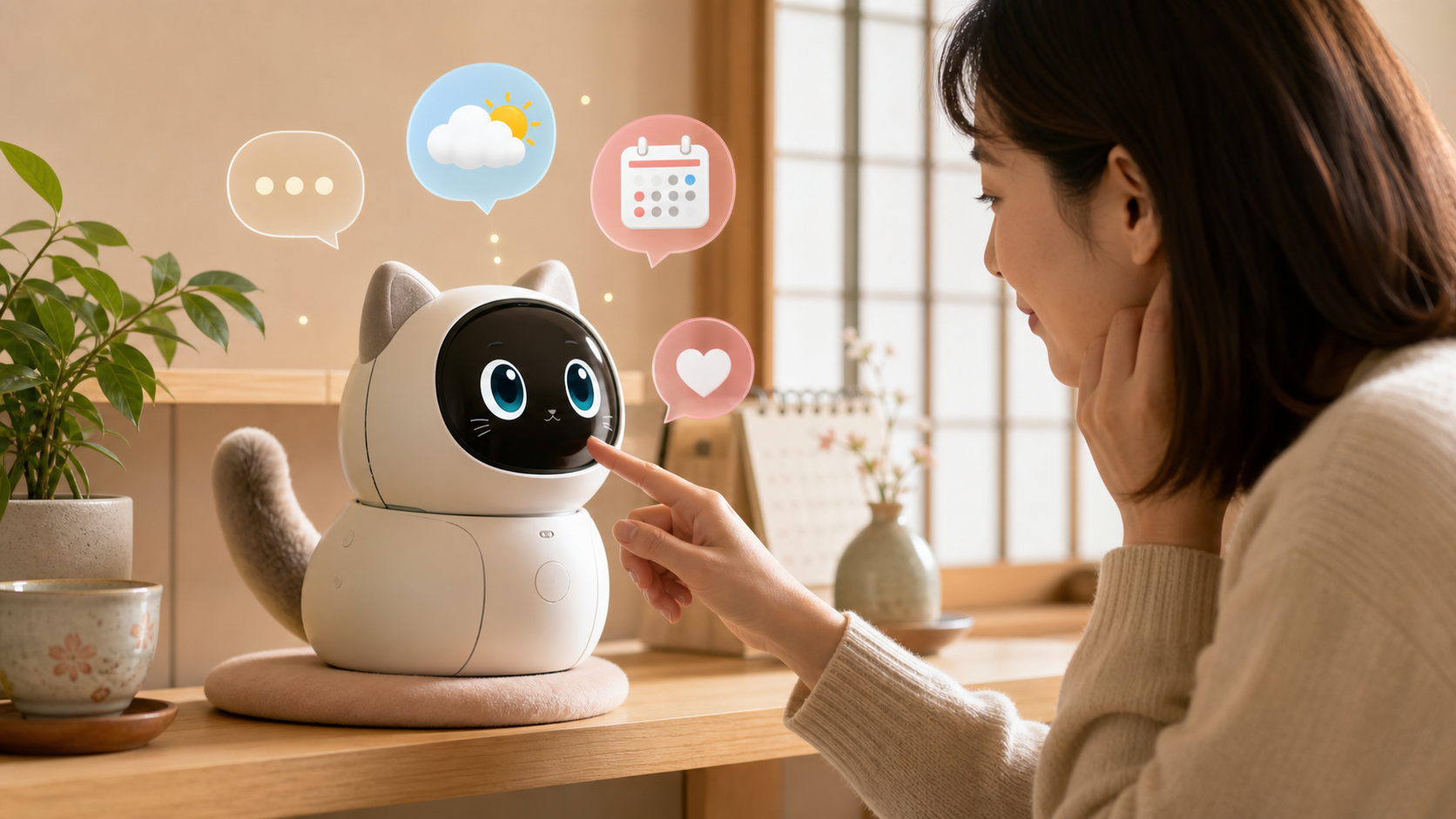
Mia is a cat-shaped talking AI pet robot that speaks 47 Japanese dialects.
It starts from 9,800 yen including tax and offers voice conversation, facial expressions, head-touch interaction, Google Calendar integration, weather updates, and 15 English characters.
Unlike Tamagotchi Paradise or Bitzee, Mia is not a nurturing game where a character evolves. It is closer to a small voice companion that sits in the room, reacts, and creates tiny everyday interactions.
Mia’s strength is not game achievement. It is the feeling that there is a small voice in the room.
Digital pets usually require the user to open the device and start playing. Mia is easier to place on a desk, shelf, or bedside table and use casually throughout the day.
The 47-dialect feature also makes Mia different from many imported AI toys. For Japanese families, local speech can feel more familiar and emotionally approachable than a generic synthetic voice.
Comparison Table
| Product | Type | Main Experience | Conversation | Nurturing | Comfort Use | Best For |
|---|---|---|---|---|---|---|
| Tamagotchi Paradise | Digital pet | Care, evolution, communication, discovery | Limited | Strong | Medium | People who enjoy nurturing games |
| Bitzee | Touchable digital pet | Touching, tilting, reacting, collecting | Limited | Some | Medium | Families wanting a non-phone electronic toy |
| Sweekar | AI pocket pet | Nurturing, AI chat, portability | Yes | Strong | Medium to high | People curious about AI-enhanced digital pets |
| Furby 2023 | Interactive character toy | Voice, songs, reactions, character play | Simple | Low to medium | Medium | Children who want a playful talking toy |
| Micro Pets | Small pet toy | Cute movement and simple reactions | Limited | Low to medium | Medium | People wanting an affordable pet-like toy |
| Mia | AI pet robot | Conversation, dialects, voice prompts, comfort | Strong | Low | High | People wanting daily conversation and comfort |
Best Choice by Purpose
For Children Who Want a Nurturing Game
If a child wants to feed, care for, evolve, and compare characters with friends, Tamagotchi Paradise or Bitzee is the clearer choice.
Tamagotchi Paradise is especially easy for parents to understand if they remember older Tamagotchi devices. Bitzee is appealing when touch and direct reaction matter more than detailed character evolution.
For AI Conversation and Memory
If the reader wants a digital pet that feels more advanced, Sweekar is the bridge category.
It is not just a classic digital pet, and it is not exactly a room-based robot like Mia. It is best framed as an AI pocket pet for people who want nurturing plus memory and conversation.
For a Comfort Companion at Home
If the goal is a daily voice, room presence, reminders, weather prompts, or light conversation, Mia is easier to recommend than a pure digital pet.
Tamagotchi Paradise and Bitzee are toys you actively play with. Mia is something you can leave in the room and interact with more casually.
For people living alone, remote family members, or gift buyers thinking about elderly parents, conversation and comfort may matter more than game mechanics.
AI Pet Robots to Compare Alongside Mia
Moflin: A Soft AI Pet for Comfort
Moflin is closer to a holdable comfort companion than a digital pet.
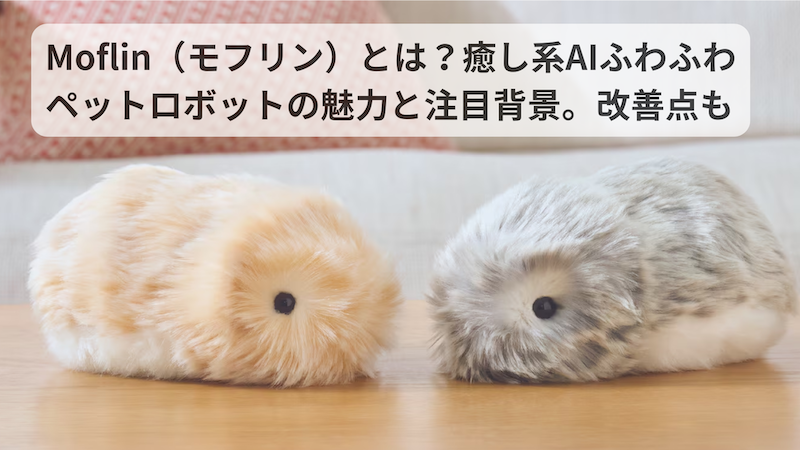
Unlike a screen character, Moflin is about touch, softness, and emotional response. Compared with Mia, it leans less toward conversation and more toward tactile comfort.
LOVOT: A Full Family-Style Robot
LOVOT belongs to the higher-end “living with a robot” category.
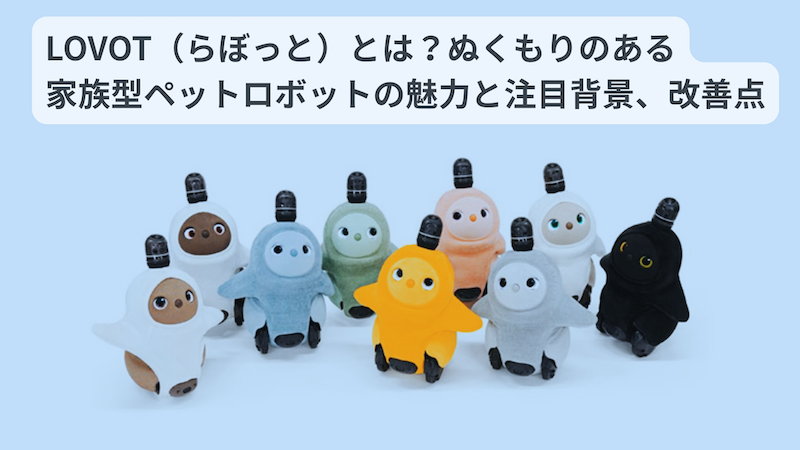
It is much more expensive and more involved than a digital pet, but it offers warmth, eyes, autonomous movement, and a strong sense of presence. It is best introduced as the premium end of the comfort robot spectrum.
Nicobo: A Relaxed Communication Robot
Nicobo is a gentle home communication robot rather than a game-like pet.
It works well in this comparison because it shares the “small companion in the home” direction with Mia. The differences are price, character style, setup, and how each product expresses conversation and comfort.
Qoobo: Comfort Without Conversation
Qoobo is useful because it represents quiet comfort.
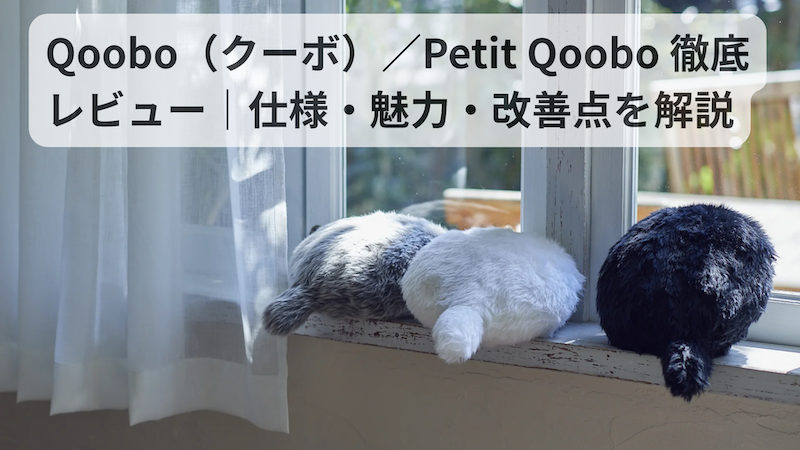
It does not need to talk to be comforting. Its tail movement gives a simple, calm response. For readers who do not want voice features, Qoobo creates a clear alternative to Mia.
Loona, MarsCat, and aibo: Moving Pet Robots
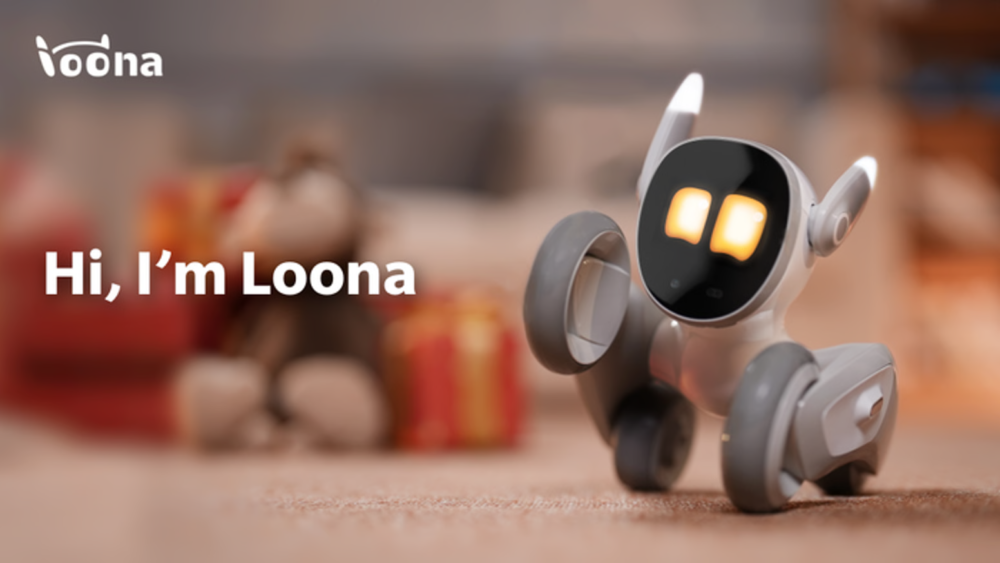
Loona, MarsCat, and aibo are useful references for readers who want movement and animal-like behavior.
Loona is appealing for families and gadget fans because it moves through the home and reacts visibly.
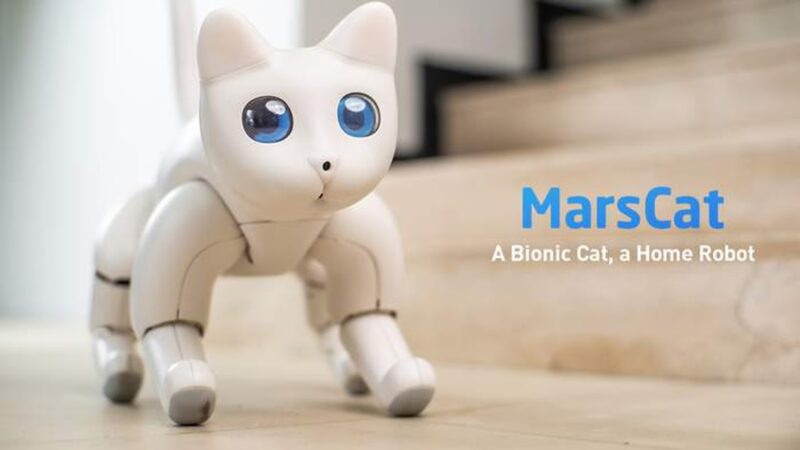
MarsCat is closer to a robot technology enthusiast’s cat robot. If Mia is a “talking cat,” MarsCat is closer to a “moving robotic cat.”
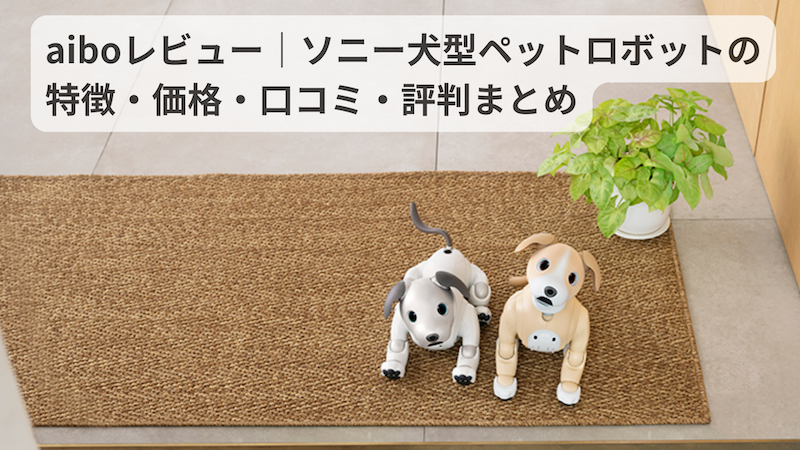
aibo remains one of the most recognizable dog-style pet robots. It is more expensive than most digital pets, but it is important in any serious pet robot comparison.
How to Choose: Raise, Talk, or Feel Comforted?
Choose a Digital Pet If You Want to Raise Something
If the fun is feeding, evolving, collecting, and playing mini-games, choose a digital pet.
Tamagotchi Paradise, Bitzee, and Sweekar all create attachment through change and user involvement.
Choose an AI Pet Robot If You Want Conversation
If the goal is to talk, hear a voice, receive small prompts, or create a sense of daily presence, Mia is closer to the right category.
A digital pet can be fun, but it may not satisfy someone who wants a companion-like voice.
Choose a Comfort Robot If Touch Matters Most
If holding, touching, or quietly feeling a presence matters most, Moflin, Qoobo, or LOVOT may be worth comparing.
In that case, check price, subscription fees, maintenance, and where the robot will live in the home.
FAQ
Are Digital Pets and Pet Robots the Same?
No. They overlap, but they are not the same.
Digital pets are usually game-like characters inside a device. Pet robots exist in the physical room and respond through voice, movement, touch, or presence.
Is Tamagotchi an AI Pet Robot?
Generally, Tamagotchi is better understood as a digital pet or nurturing electronic toy.
Tamagotchi Paradise is about raising, discovering, and communicating with other devices. It is not the same kind of conversational AI pet robot as Mia.
Can Bitzee Replace Mia?
Not really, because the purpose is different.
Bitzee is a touchable digital pet for play and collection. Mia is a conversational AI pet robot for voice, dialects, prompts, and comfort.
Which Is Better as a Gift for an Elderly Parent?
For elderly users, conversation and voice prompts may be more useful than a nurturing game.
That said, if the person enjoys games or has nostalgic memories of Tamagotchi, a digital pet can still be a fun gift.
Which Is Better for Children?
For game-like play, Tamagotchi Paradise or Bitzee is easier to recommend.
For conversation and voice interaction, Mia or Furby may be better candidates. Check age, volume, battery use, durability, and whether the child will enjoy the interaction style.
Conclusion
Digital pets and AI pet robots may look similar from a distance, but they serve different needs.
Tamagotchi Paradise and Bitzee are about raising, evolving, reacting, and playing. Sweekar adds AI conversation and memory to that digital pet direction.
Mia is different. It is not a game to raise; it is an AI pet robot for talking, listening, dialect-based warmth, reminders, and everyday comfort.
Use this simple rule:
- Choose Tamagotchi Paradise or Bitzee if you want to raise and play
- Choose Sweekar if you want an AI-enhanced pocket pet
- Choose Mia if you want conversation and comfort
- Compare Moflin, LOVOT, and Qoobo if touch and physical presence matter most
Before choosing a pet-like gadget, decide what kind of experience you actually want: nurturing, conversation, or comfort.
👀 Also read this article.
👉 [2026 Edition] Recommended pet robots for under 10,000 yen.
👉 What is Mia, an AI pet robot that speaks 47 dialects nationwide?
If your main concern is ongoing cost, our no-subscription pet robot comparison is a useful next read. It focuses on one-time purchase models and shows how subscription fees change the three-year total.