Introduction
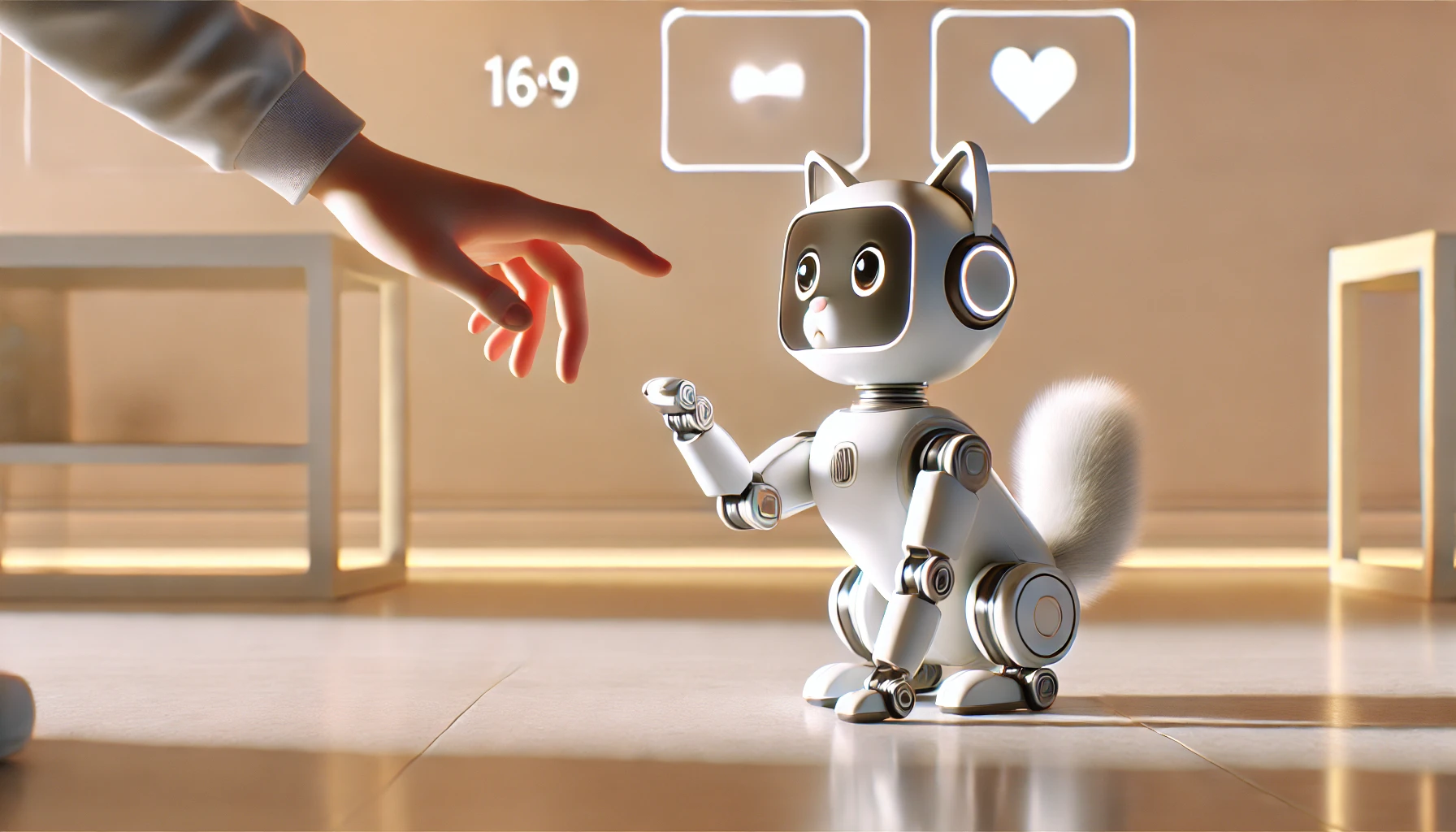
Pet robots can create attachment even though users know they are machines. This article explains how interaction, emotional response, design, long-term use, and social roles help owners feel affection.
1. The Importance of Interaction
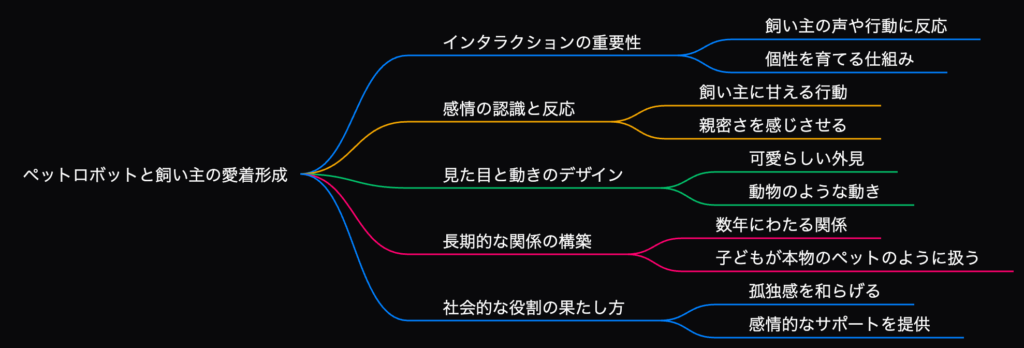
Attachment grows when the robot responds to the user. Touch reactions, voice responses, movement, and expressions make the user feel that the robot is engaging with them.
2. Recognizing and Responding to Emotion
Some robots attempt to respond to mood, tone, or behavior. Even simple reactions can make users feel acknowledged, especially when repeated in daily life.
3. Appearance and Movement Design
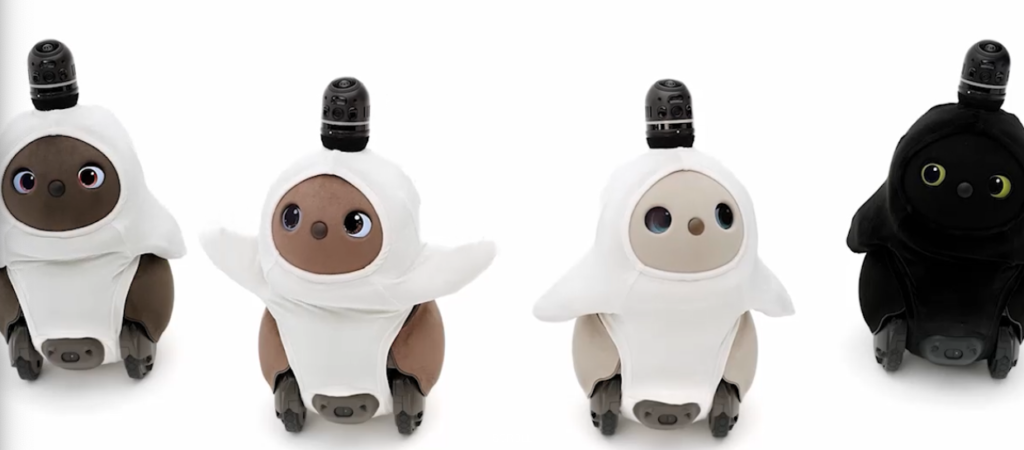
Design strongly affects attachment. Pet-like shapes, soft movement, expressive eyes, and approachable size can make a robot feel more lovable and less mechanical.
4. Building a Long-Term Relationship
Affection grows over time. A robot that appears in daily routines, greets the user, or becomes part of family conversation can feel more meaningful the longer it is used.
5. Social Roles
Pet robots can become social bridges. They may encourage family members to talk, help older adults feel less alone, or become a topic of conversation in care settings.
Summary
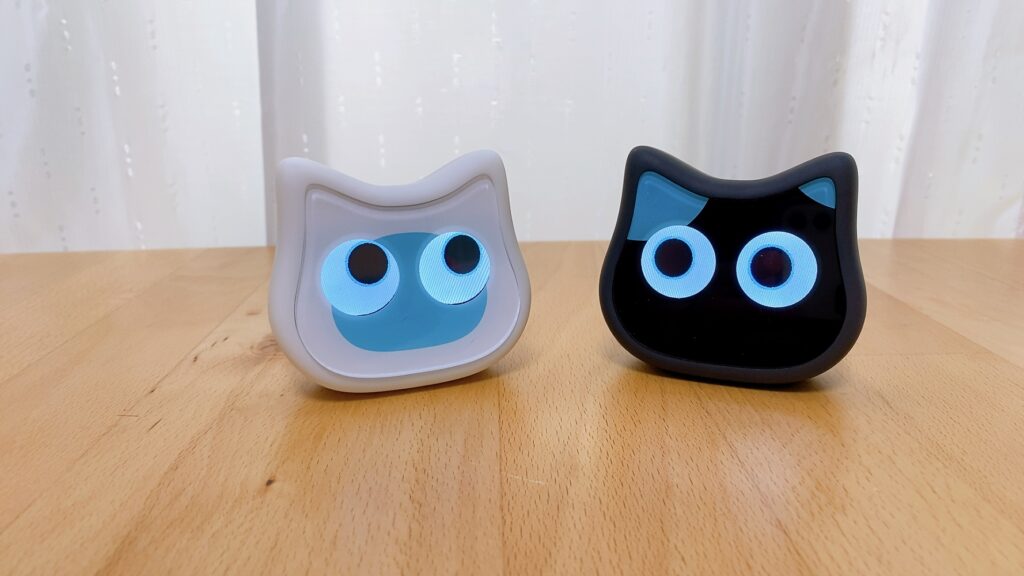
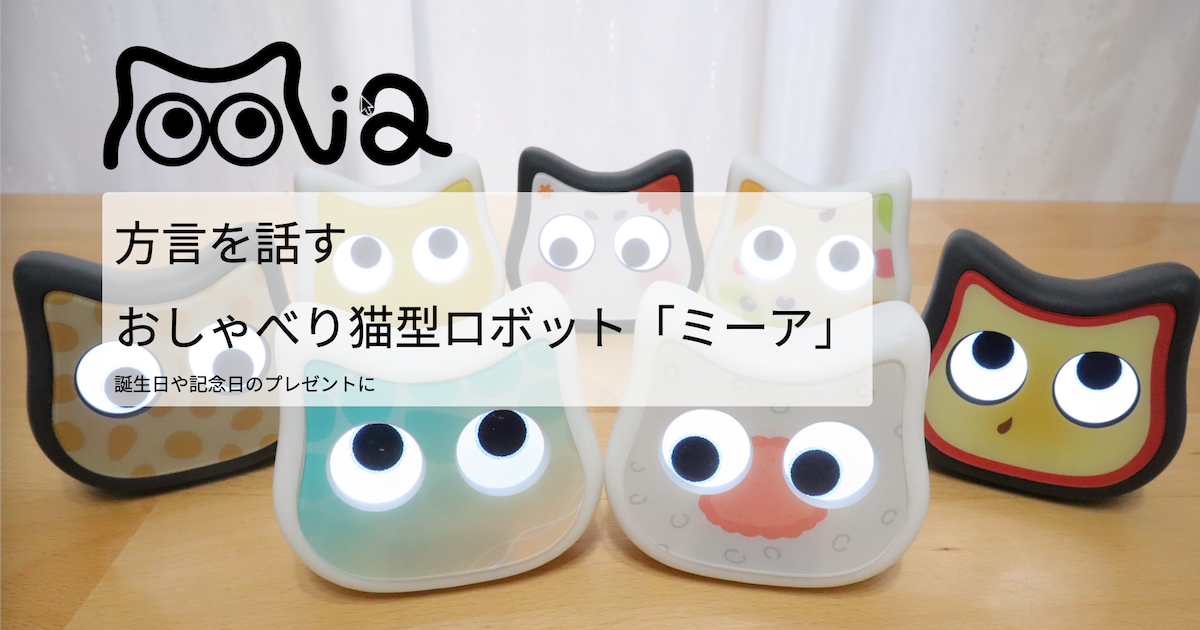
Pet robots build affection through repeated interaction, emotional design, and daily presence. Mia uses a cat-like design, voice, expressions, and dialects to create this kind of attachment in a simple home-friendly way.
Related Articles


👀 You may also like:
👉 2026 Guide: AI Pet Robots for Elderly Loneliness – A Comparison of 10 Companion Robots
👉 2026 Edition: 9 Recommended Pet Robots Under $150 – Cheap, Cute, and Healing Models
👉 Monthly and Maintenance Costs of Pet Robots: Moflin, LOVOT, Mia, and More
👉 Mia – Your Chatty AI Cat Companion Robot with 100+ Expressions