Introduction
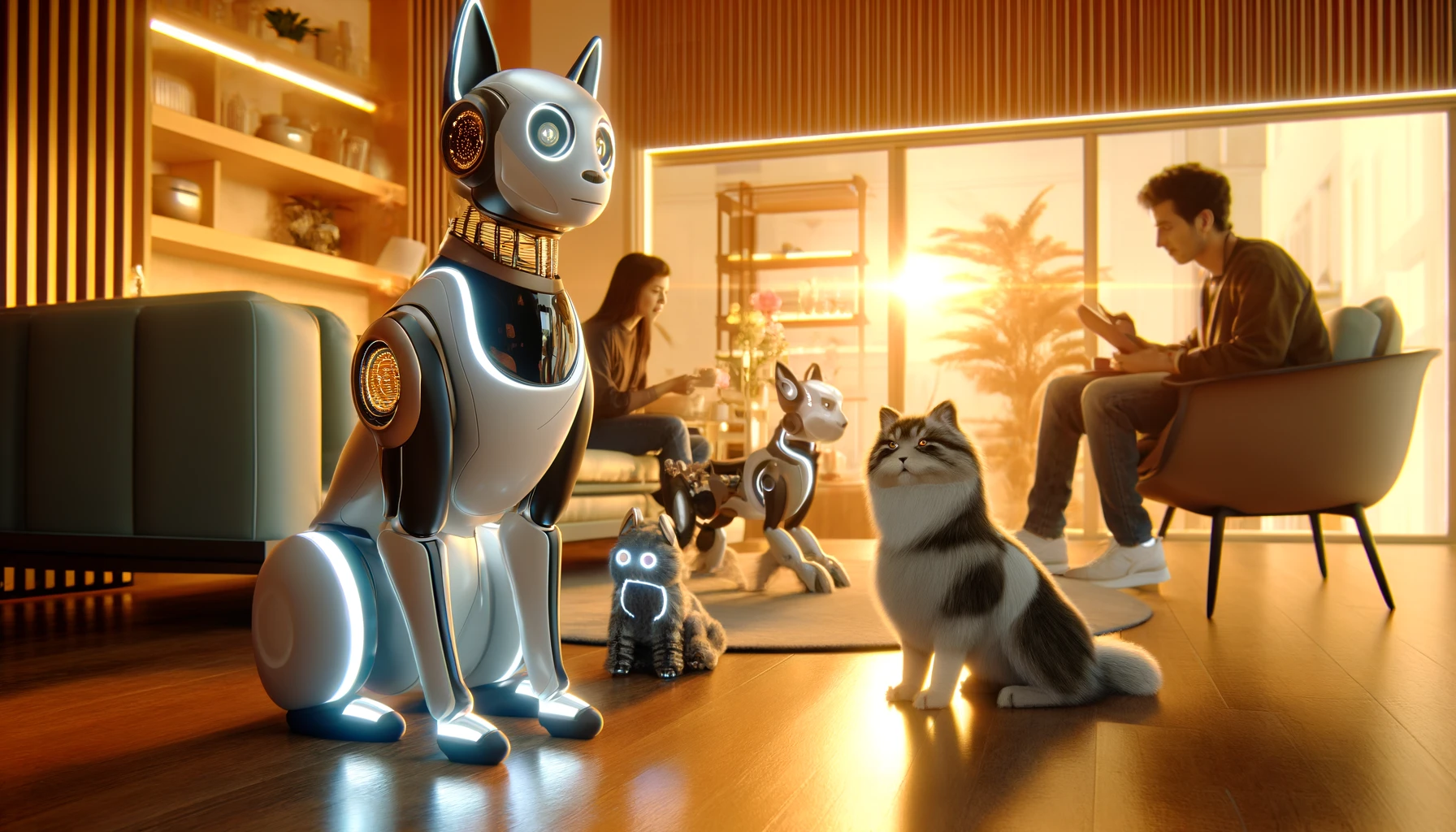
Pet robots are still evolving. This article looks at how future pet robots may change as AI, sensors, emotional expression, design, and social roles continue to develop.
Advances in AI and Sensor Technology
Future pet robots will likely understand their surroundings more accurately through cameras, microphones, touch sensors, motion sensors, and AI. Better recognition will allow robots to respond more naturally to people and environments.
Emotional Expression and Communication Ability
As AI improves, pet robots may become better at expressing emotions through eyes, voice, movement, and timing. The goal is not necessarily to make them human-like, but to make them easier to understand and emotionally engaging.
Expansion of Social Roles
Pet robots may play larger roles in homes, care facilities, schools, and therapeutic settings. They may help with loneliness, daily routines, communication, and emotional support.
Diversity of Design and Functions
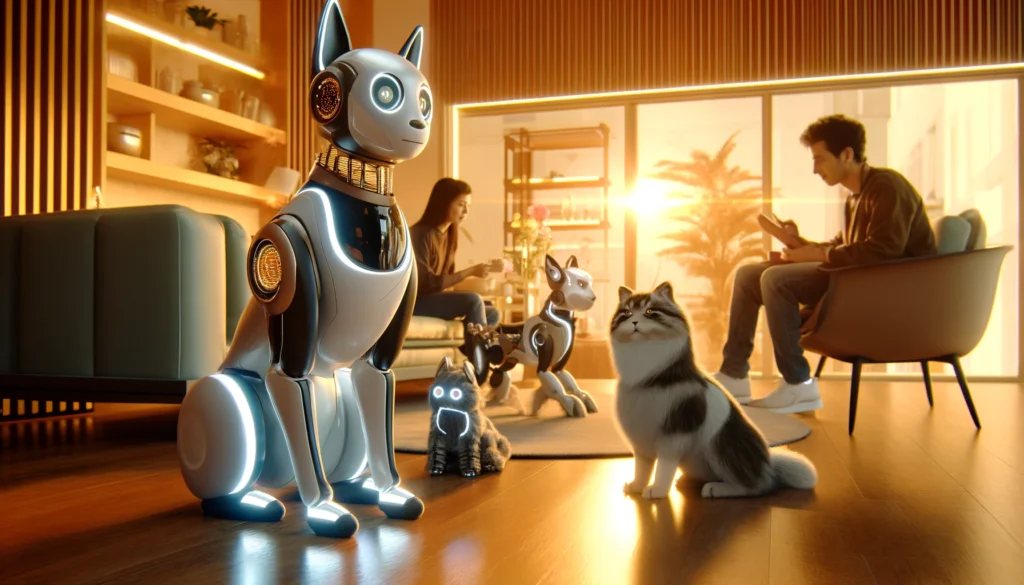
Future robots will likely become more diverse. Some may look like cats or dogs, while others may use original character designs. Some may focus on touch, others on conversation, programming, education, or monitoring.
Better Environmental Adaptation
Future pet robots may adapt more smoothly to homes, offices, care facilities, and children's spaces. Better navigation, voice recognition, and personalization will make them easier to use.
Summary
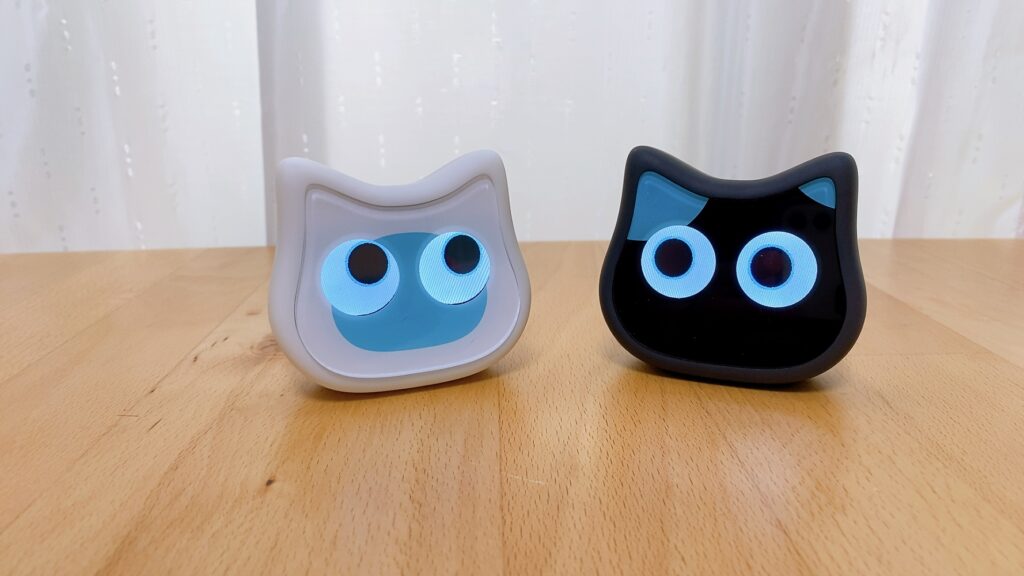
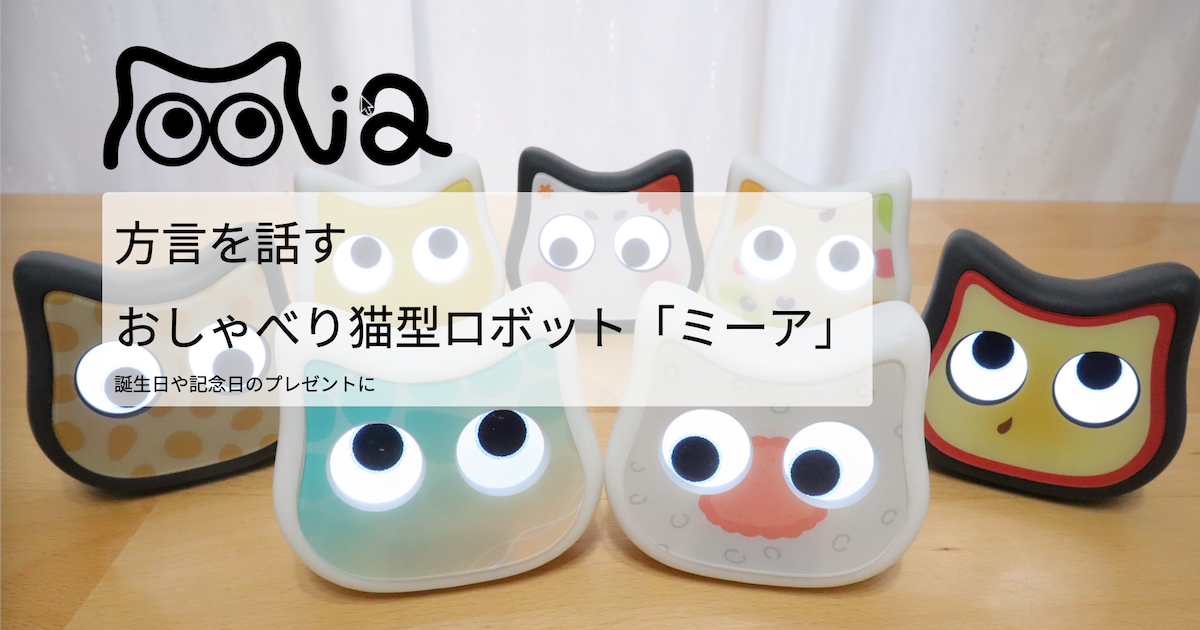
Future pet robots are expected to become more expressive, adaptive, and useful in daily life. Mia represents one direction of this trend: a compact companion robot focused on voice, expression, and emotional familiarity.
Related Articles


👀 You may also like:
👉 2026 Guide: AI Pet Robots for Elderly Loneliness – A Comparison of 10 Companion Robots
👉 2026 Edition: 9 Recommended Pet Robots Under $150 – Cheap, Cute, and Healing Models
👉 Monthly and Maintenance Costs of Pet Robots: Moflin, LOVOT, Mia, and More
👉 Mia – Your Chatty AI Cat Companion Robot with 100+ Expressions