
Introduction
The uncanny valley is a phenomenon in which a robot that looks almost human can feel unsettling. This article explains the concept, phases, examples, research, and future challenges.
What Is the Uncanny Valley?
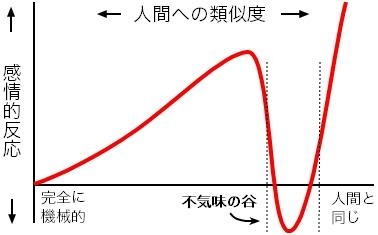
As robots become more human-like, people may initially feel more familiar with them. However, when a robot becomes very close to human but still slightly unnatural, people may feel discomfort.
Phases and Examples of the Uncanny Valley
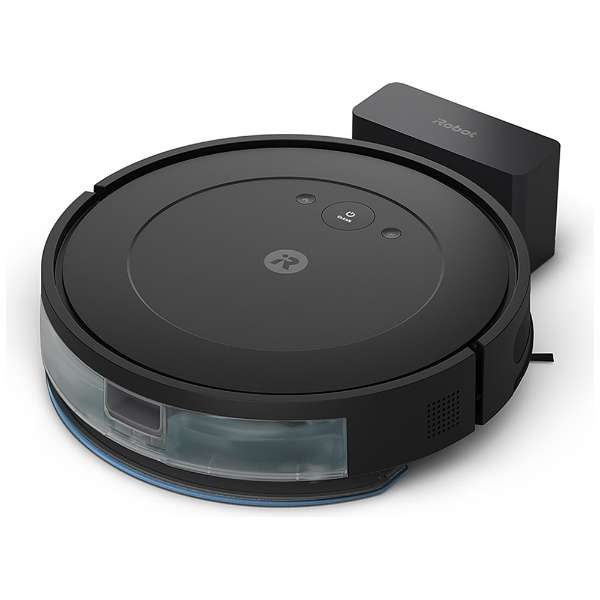
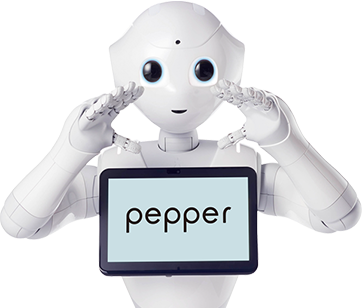
Simple mechanical robots are usually accepted as machines. Cute character robots can also feel friendly. The discomfort often appears when a robot has realistic skin, eyes, facial expressions, or movement that are close to human but not quite natural.
Research and Future Issues
Research continues on how appearance, movement, voice, and timing affect human feelings. Designers must decide whether to make robots more realistic or intentionally stylized.
Summary
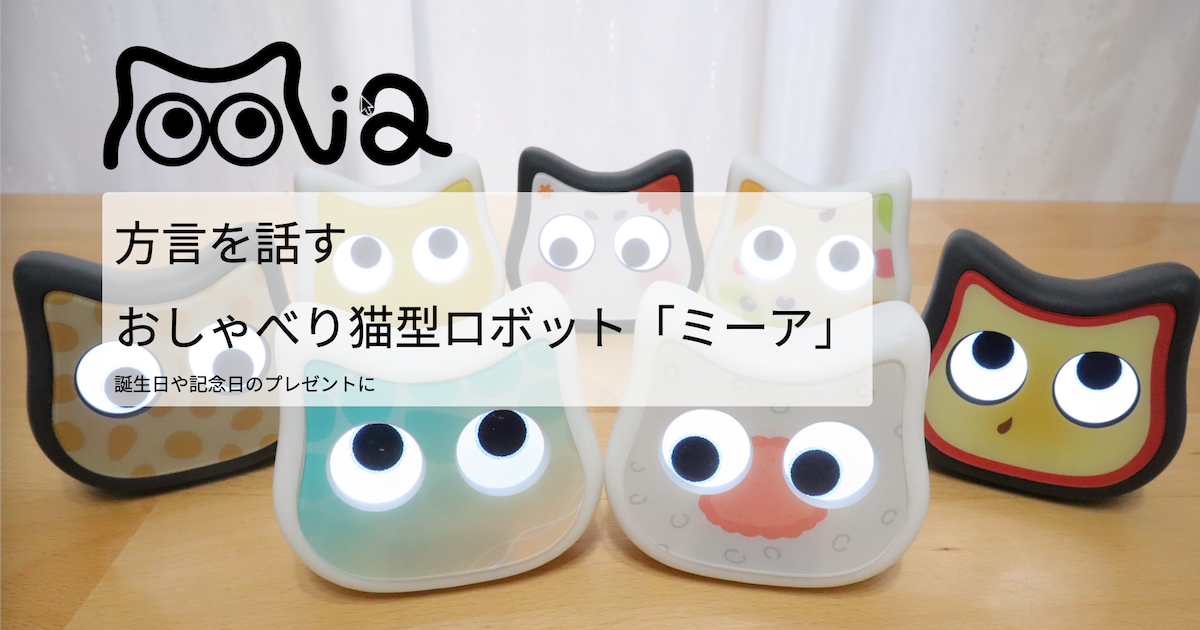
The uncanny valley shows why many companion robots use animal-like, cute, or simplified designs. Mia avoids human-like discomfort by using a cat-shaped design and expressive but non-human features.

Related Articles


👀 You may also like:
👉 2026 Guide: AI Pet Robots for Elderly Loneliness – A Comparison of 10 Companion Robots
👉 2026 Edition: 9 Recommended Pet Robots Under $150 – Cheap, Cute, and Healing Models
👉 Monthly and Maintenance Costs of Pet Robots: Moflin, LOVOT, Mia, and More
👉 Mia – Your Chatty AI Cat Companion Robot with 100+ Expressions