Introduction
Human-robot interaction means the ways people and robots communicate with each other. The Japanese source article explains interaction types through movement, voice, sensors, and concrete examples.
Types of Interaction
Robots interact through touch, sound, movement, light, screens, voice, sensors, and programmed reactions. A good interaction design makes the robot easier to understand and more comfortable to use.
Robot Movement
Movement can express emotion, intention, or response. A robot may turn toward a person, move its tail, nod, dance, or move around a room. Movement helps users feel that the robot is reacting.
Voice
Voice interaction allows people to speak to a robot or hear the robot speak. This is useful because it does not always require a screen or app.
Sensors
Sensors allow robots to detect touch, sound, distance, motion, or environment. Touch sensors and sound sensors are common in pet robots and communication robots.
Summary
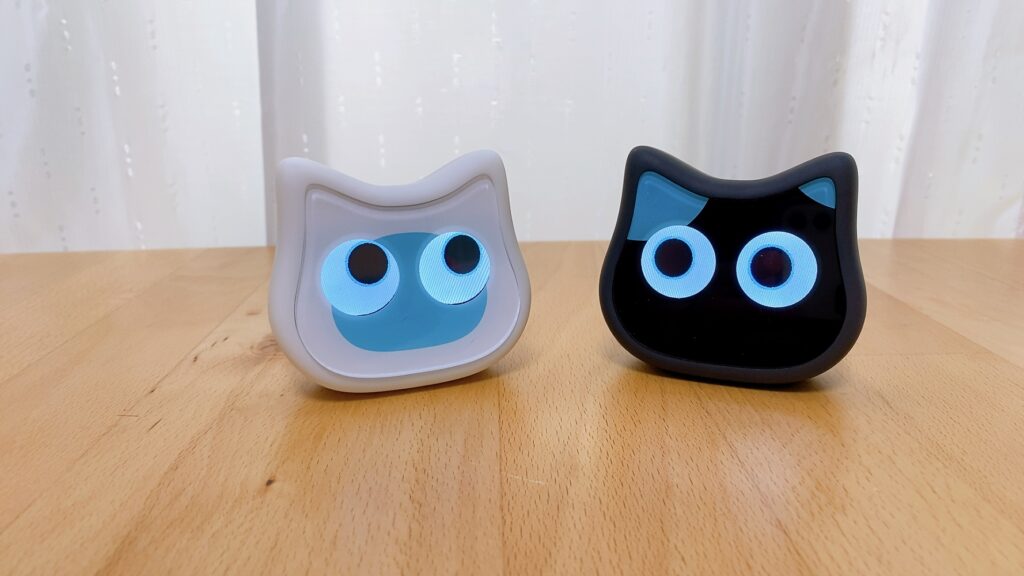
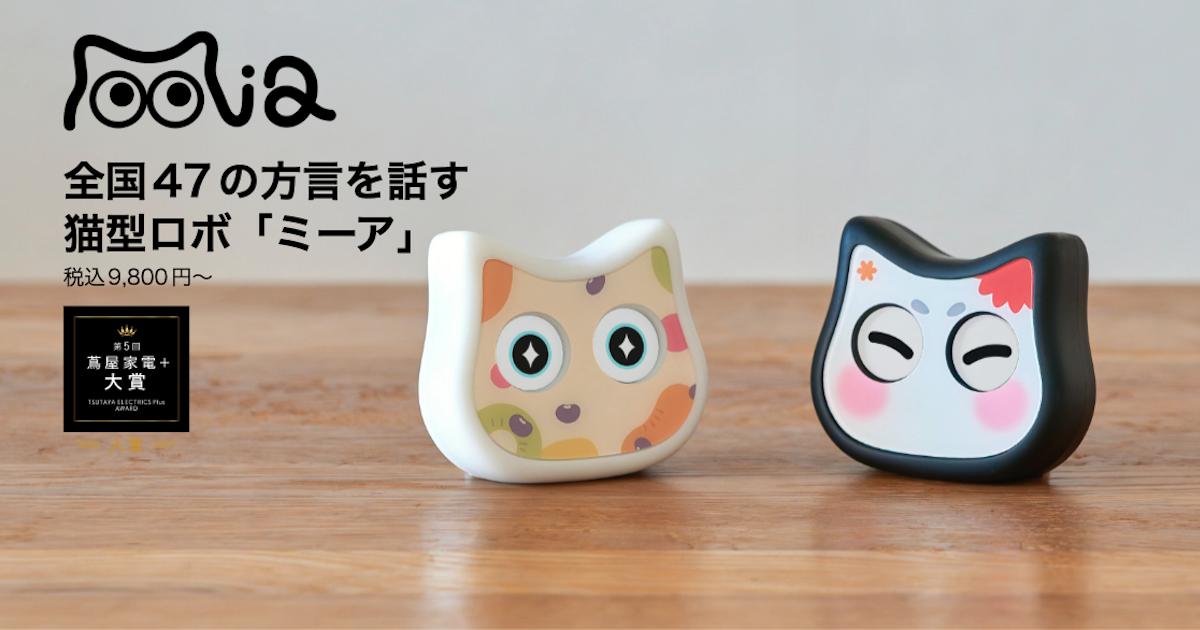
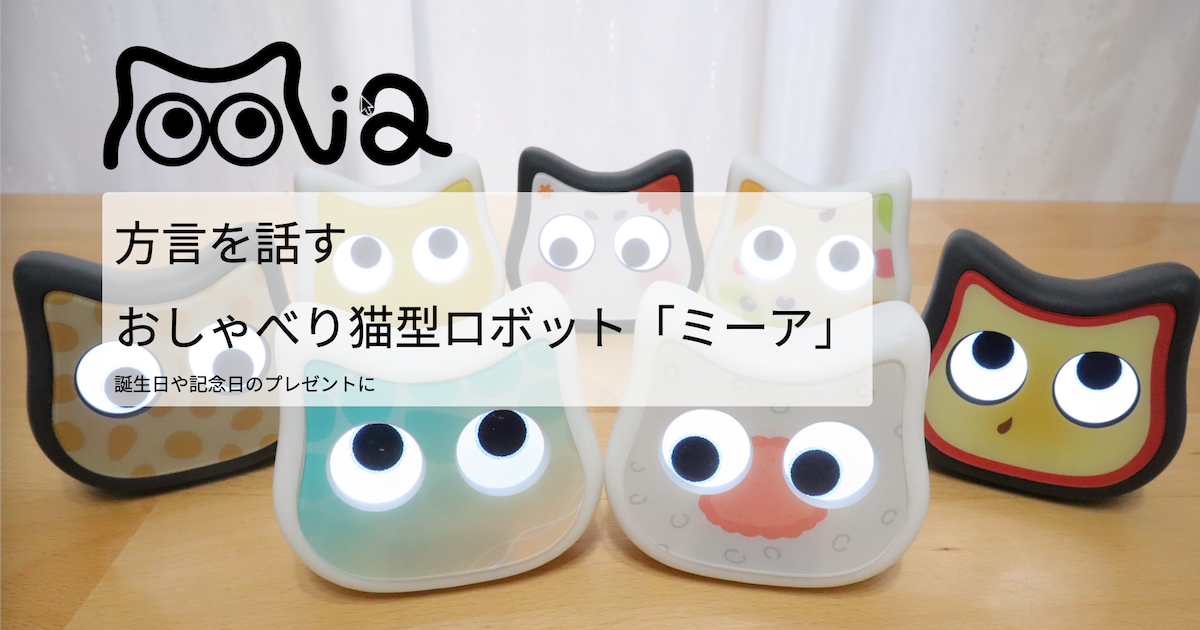
Robots become easier to accept when interaction is natural. Mia uses voice, expressions, and touch-based interaction to make communication feel approachable.
Related Articles

👀 You may also like:
👉 2026 Guide: AI Pet Robots for Elderly Loneliness – A Comparison of 10 Companion Robots
👉 2026 Edition: 9 Recommended Pet Robots Under $150 – Cheap, Cute, and Healing Models
👉 Monthly and Maintenance Costs of Pet Robots: Moflin, LOVOT, Mia, and More
👉 Mia – Your Chatty AI Cat Companion Robot with 100+ Expressions