Why Comfort Robots Are Appearing in Offices
Workplaces have changed. Many teams now move between office days, remote work, and hybrid schedules. In that environment, an office robot is not only a futuristic gadget. It can also be a small way to soften the atmosphere, create casual conversation, and make breaks feel more natural.
Comfort robots are especially useful when they give people an easy reason to talk. A robot in a shared space can become a topic of conversation, while a smaller robot on an individual desk can provide a quiet sense of presence during long work sessions.
This guide compares office-friendly comfort robots by role, cost, conversation style, installation fit, and privacy considerations.
For smaller personal desk options, see our guide to AI desk companion robots.
How to Choose an Office Robot
Shared Space or Personal Desk?
For a reception area, lounge, or shared office space, choose a robot with enough presence to start conversations. For an individual desk, choose something small, quiet, and easy to control.
Check Total Cost, Not Only the Hardware Price
Some robots require monthly subscriptions, cloud plans, apps, or maintenance. Compare the total cost before deciding.

Conversation or Physical Interaction?
If the goal is casual conversation, look at robots like Romi, BOCCO emo, or Mia. If the goal is emotional comfort through touch and presence, LOVOT, Moflin, Eilik, or EMO may be stronger candidates.
Privacy and Workplace Rules
Any robot with cameras or microphones needs clear rules in an office. Decide where it can be placed, who can use the app, how sound is handled, and whether recordings or cloud processing are involved.
Office Robot Comparison
| Robot | Main Role | Price Level | Best Office Fit |
|---|---|---|---|
| LOVOT | Touch, presence, atmosphere | High | Shared lounges and reception areas |
| Mia | Japanese conversation, voice messages, reminders | Low | Personal desks and small teams |
| Romi | Chat and casual conversation | Mid + subscription | Conversation starter |
| Moflin | Quiet emotional comfort | Mid to high | Calm spaces and individual relaxation |
| BOCCO emo | Messages and family-style communication | Mid | Hybrid work messages and reminders |
| Eilik | Touch reactions and expressions | Mid | Desk breaks and light interaction |
| NICOBO | Loose conversation and humming | Mid + subscription | Break rooms and relaxed spaces |
| EMO | Desktop movement and expressions | Mid | Personal desks |
| Lenovo AI Workmate | Work-adjacent AI assistant concept | Unknown | Experimental office use |
| Vector 2.0 | Movement and smart functions | Mid | Small desk robot presence |
| EBO X | Mobility, monitoring, communication | Mid to high | Shared spaces and remote checking |
11 Office Robots to Consider
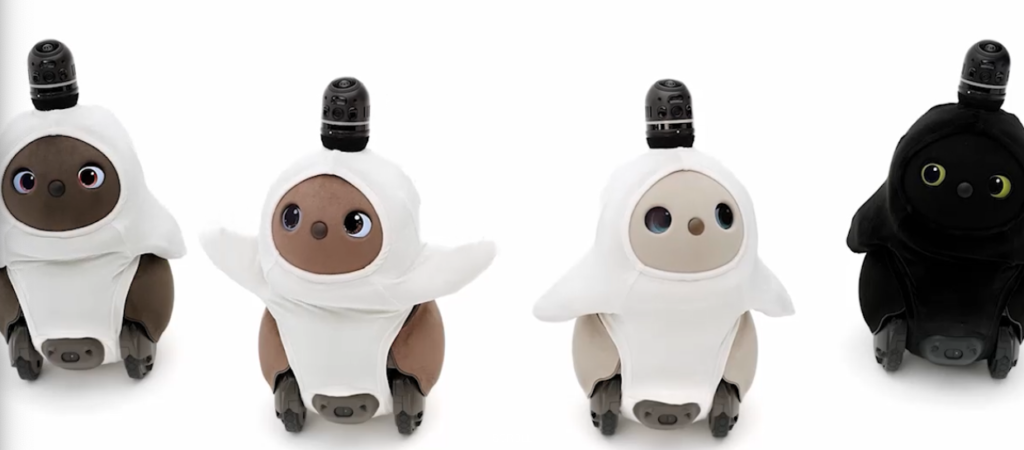
LOVOT
LOVOT is designed around touch, warmth, and emotional presence. In an office, it fits best in shared spaces where people naturally gather.
It is expensive, but it can become a strong conversation starter if your goal is workplace atmosphere rather than task automation.
Mia
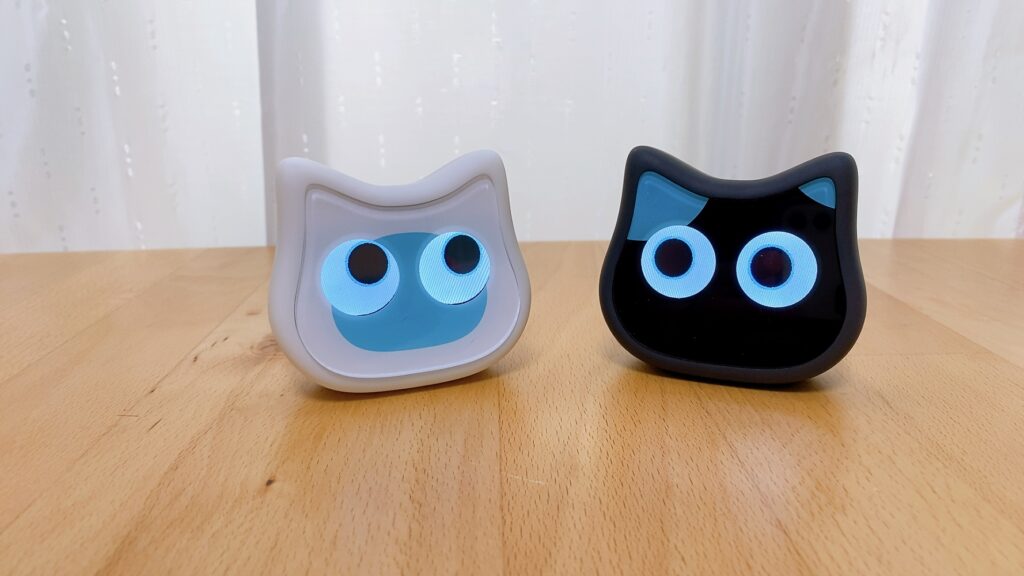
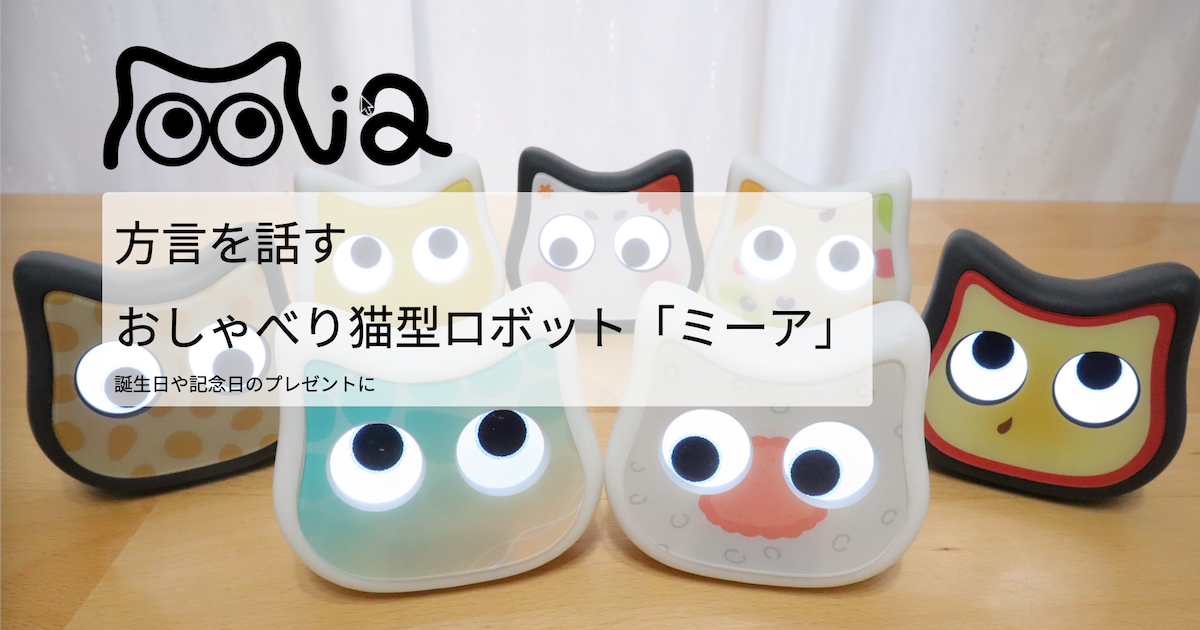
Mia is a compact cat-shaped robot that speaks in 47 Japanese prefectural dialects. It starts from 9,800 yen including tax, so it is much easier to introduce than many full-scale communication robots.
For offices, Mia is strongest as a personal desk companion: short conversations, voice-message playback, schedule notifications, weather readouts, and a small friendly presence. It is especially suitable when you want something approachable rather than a complex robot that requires training.
Romi
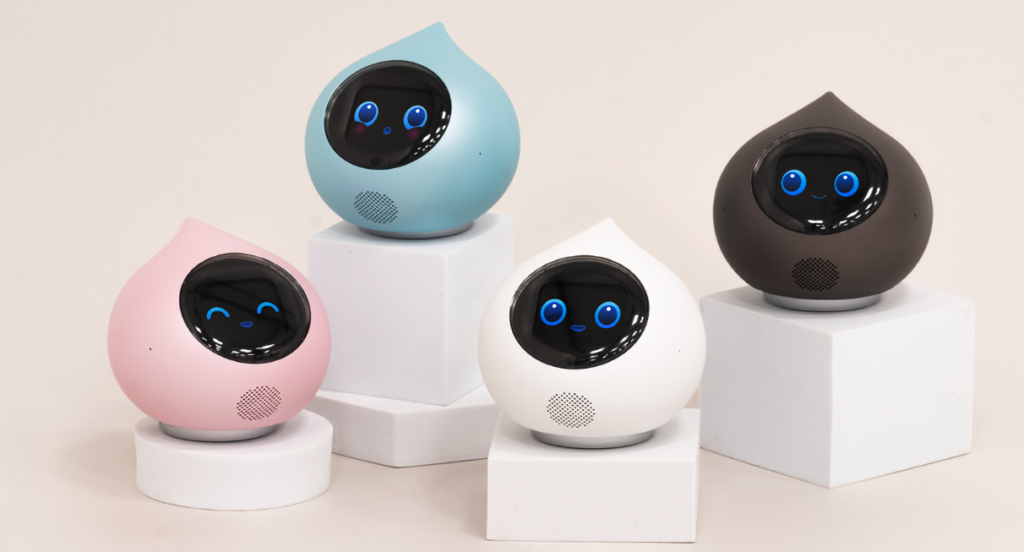
Romi is a conversation-focused robot. It can support casual chats and help create light communication between people in the office.
Because it usually involves an ongoing service fee, compare the monthly cost before deciding.
Moflin
Moflin is more about emotional comfort than conversation. Its soft appearance and quiet presence make it better for calm spaces than busy open offices.
It can be useful for relaxation, but it is less suited to starting active group conversations.
BOCCO emo
BOCCO emo is useful when messages, notifications, and communication are more important than pet-like interaction. It can work as a small voice-based message hub for hybrid teams or families.
In an office, it is best when you have a clear use case such as reminders, announcements, or simple message sharing.
Eilik
Eilik is a small desktop robot that reacts to touch and shows expressive emotions. It is good for personal desks because it offers quick interaction without requiring deep conversation.
If your office wants something playful and compact, Eilik is an easy category to understand.
NICOBO
NICOBO has a loose, relaxed communication style. It is not a strict assistant, but that can be the point: it helps soften the atmosphere.
It is better for break rooms or informal spaces than for focused work zones.
EMO
EMO is a desktop AI pet with movement, expressions, voice interaction, and sensors. It works well when someone wants an animated companion on their own desk.
Before using it in a shared office, check sound, language, network, and privacy settings.
Lenovo AI Workmate
Lenovo AI Workmate is a work-adjacent AI companion concept, positioned closer to productivity support than pure comfort. It is useful to include as a future-facing option when thinking about how AI companions may appear beside PCs.
Because details can change, check official release information before making any purchase decision.
Vector 2.0
Vector 2.0 is a small robot that can move around and respond to voice commands. It gives a desk more visible activity than a stationary speaker or display.
For workspaces, it is best as a small companion rather than a serious business tool.
EBO X
EBO X is more mobile and monitoring-oriented than many comfort robots. In an office, it may fit reception, shared spaces, or remote-checking scenarios.
It is less of a simple desk pet and more of a moving communication device, so define the use case clearly before buying.
Best Uses by Office Scenario
Improving the Atmosphere of a Shared Space
LOVOT, Romi, and NICOBO are stronger when the goal is to create casual conversation and make a shared area feel warmer.
Adding a Small Companion to a Personal Desk
Mia, Eilik, EMO, and Vector 2.0 are easier to place on a desk. Mia is especially practical if you want Japanese conversation, family-style voice messages, and a low starting price.
Using Messages or Notifications
BOCCO emo and Mia are better fits when spoken messages, reminders, or simple notifications matter.
Mia can also connect daily reminders to calendar-style use cases.

Avoiding Extra Care Burden
If you do not want to increase daily maintenance, look carefully at charging, app setup, subscription fees, cleaning, and whether the robot needs frequent interaction.
What Features Actually Help With Stress?
An office robot helps most when it creates small moments that interrupt stress without becoming a distraction. Useful features include:
- easy voice interaction
- friendly responses
- a compact body
- predictable volume controls
- simple reminders
- clear privacy settings
Mia is not a replacement for workplace wellbeing policies or human communication, but it can lower the barrier to small daily interactions.
Important Checks Before Introducing a Robot
Do Not Judge by Price Alone
A cheap robot can become expensive if it requires subscriptions. An expensive robot can be worth it if it has a clear shared-space role. Compare the full cost and purpose together.
Confirm Volume and Placement
In open offices, sound and movement can disturb nearby workers. Test placement and volume before making the robot available to everyone.
Create Privacy Rules
If a robot uses a camera, microphone, cloud processing, or app accounts, document how it will be used. This matters more in offices than in private homes.
Conclusion
Office robots are not a shortcut to productivity, but they can improve the feeling of a space. They can start conversations, encourage breaks, and make an office feel less sterile.
For shared spaces, consider LOVOT, Romi, NICOBO, or EBO X. For personal desks, Mia, Eilik, EMO, and Vector 2.0 are easier to place and manage. If you want a low-cost Japanese-speaking option that can support short conversations, voice messages, and reminders, Mia is one of the most accessible choices.
Related Articles


👀 You may also like:
👉 2026 Guide: AI Pet Robots for Elderly Loneliness – A Comparison of 10 Companion Robots
👉 2026 Edition: 9 Recommended Pet Robots Under $150 – Cheap, Cute, and Healing Models
👉 Monthly and Maintenance Costs of Pet Robots: Moflin, LOVOT, Mia, and More
👉 Mia – Your Chatty AI Cat Companion Robot with 100+ Expressions