When people hear “English-speaking robot,” they often imagine a language-learning device.
That is part of the appeal, but Mia’s English mode is not only about studying English. The more distinctive point is that Mia can make English feel playful by changing the personality, tone, and character of the voice.
The same short phrase can feel very different depending on how it is spoken. A cheerful “Good morning” feels different from a gentle one, a sarcastic one, or a high-energy one. Mia’s English character voices turn English into something you can listen to, imitate, laugh about, and choose according to your mood.
This article explains how Mia works as an AI robot with English character voices, what the 15 English character styles are, which related pages show individual examples, and what to check before buying.
- What Is an AI Robot With English Character Voices?
- What Makes Mia’s English Character Voices Interesting?
- Mia’s 15 English Characters at a Glance
- Related English Character Pages
- How Families Can Enjoy English Character Voices
- How Adults Can Use It
- What to Check Before Buying
- Mia vs Japanese Dialect Mode
- FAQ
- Summary
What Is an AI Robot With English Character Voices?
An AI robot with English character voices is a robot that does more than simply read English phrases aloud.
It changes the way English sounds by using different personalities, moods, and speaking styles. Instead of treating English as a worksheet or a vocabulary list, it turns English into a small daily interaction.
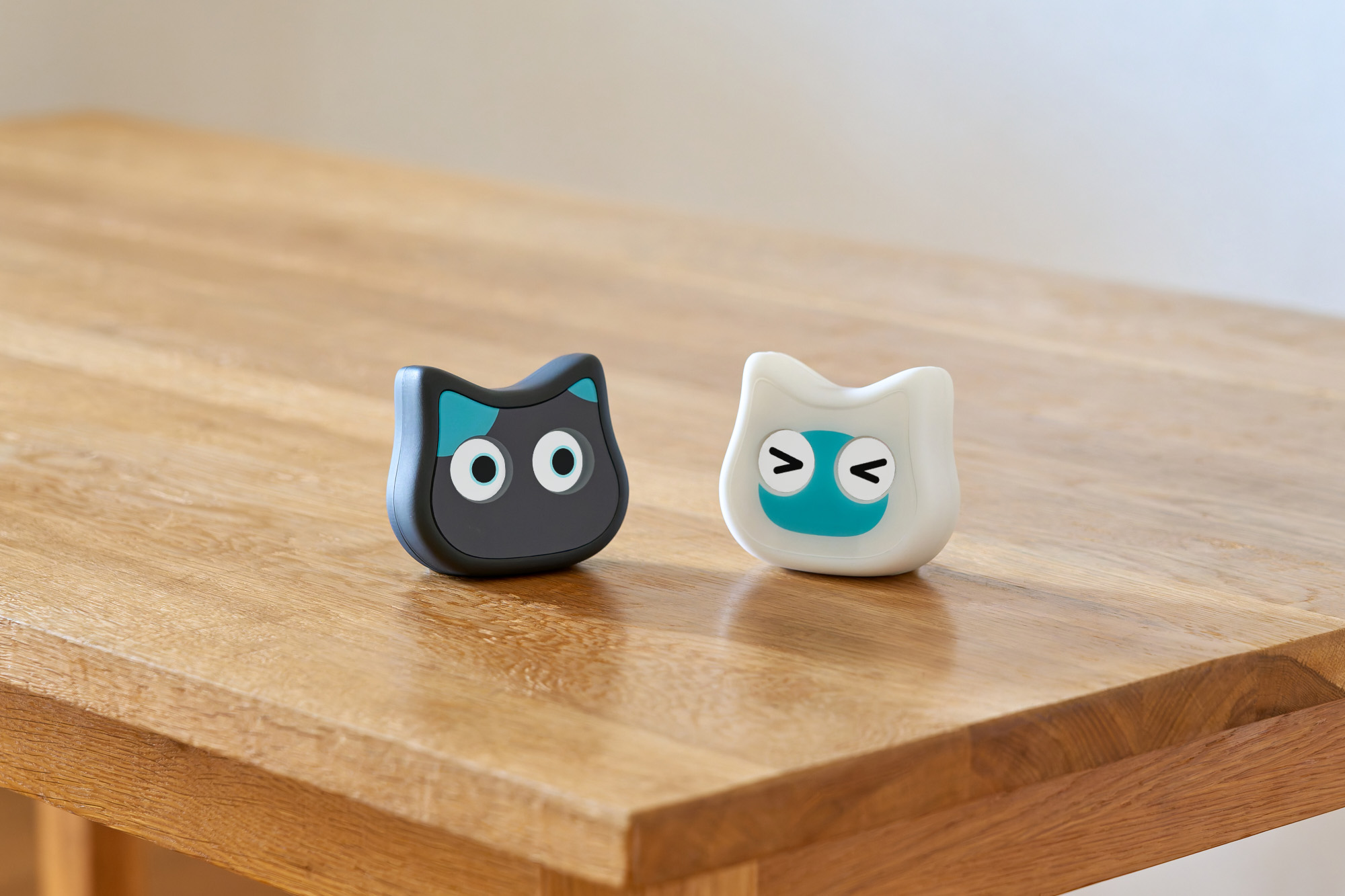
With a robot like Mia, the experience is not only about the sentence itself. It is also about the cat-like design, the facial expressions, the voice, the timing, and the way the robot sits on a desk or shelf. That makes English feel closer to a character experience than a standard study tool.
Mia’s official and support pages introduce English mode, personality options, accents, and character voices.
What Makes Mia’s English Character Voices Interesting?
You Can Choose From Different English Personalities
Mia’s English-related articles introduce several personality types, such as Friendly, Caring, Sarcastic, Dreamy, and Quirky.
These are useful because they change the emotional color of the same kind of phrase. Friendly feels upbeat. Caring feels softer. Sarcastic adds a little bite. Dreamy feels more gentle and imaginative. Quirky makes the robot feel more unusual and playful.
For a child, this can make English less intimidating. For an adult, it can make a small desk robot feel less repetitive.
Character Voices Add a Stronger Sense of Play
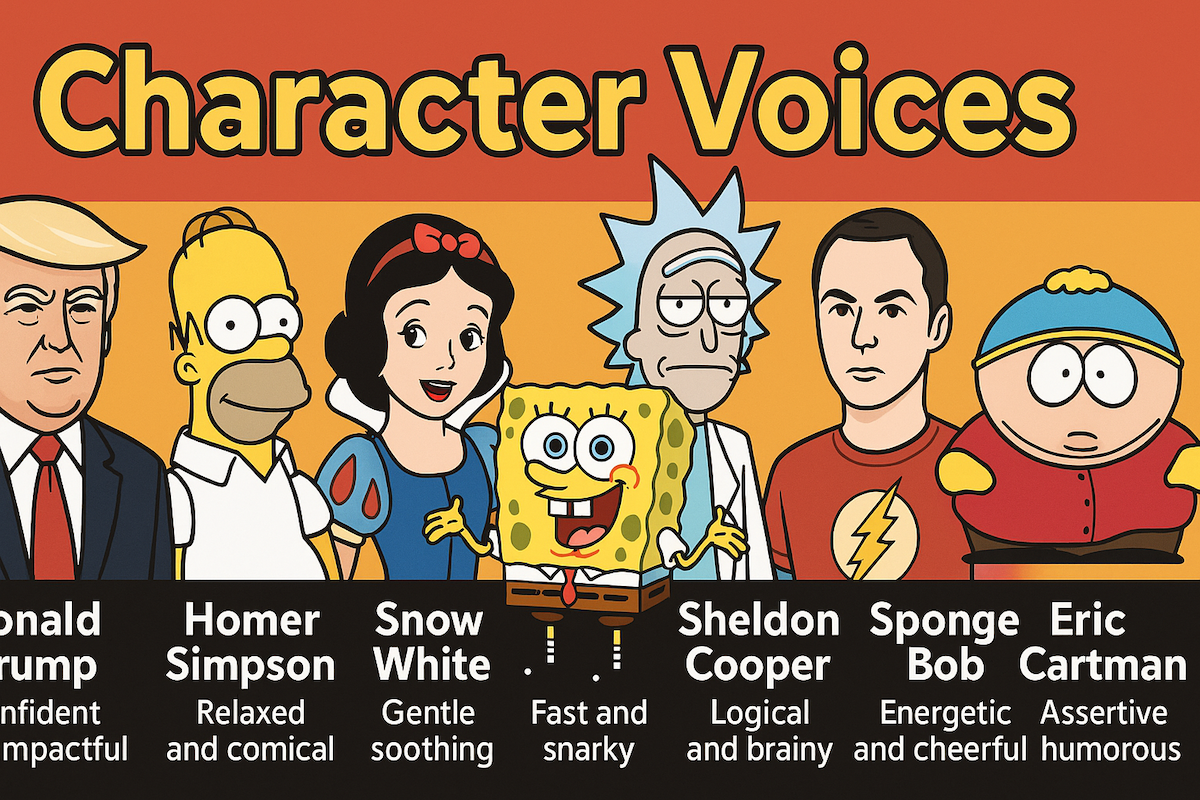
Mia also has pages introducing character voice styles such as Snow White, Homer Simpson, Rick Sanchez, Sheldon, SpongeBob, Eric Cartman, and Trump.
These names help users understand the tone quickly: gentle and fairytale-like, silly and comic, logical, chaotic, high-energy, or over-the-top. The point is not to treat Mia as an official replacement for those characters or as the original actor’s voice. The safer way to understand the feature is that Mia uses character-inspired voice style, tone, and personality to make English phrases more entertaining.
If licensing, exact voice source, or current availability matters to you, check Mia’s official support pages before purchasing.
Individual Pages Help You Preview the Mood
Mia’s individual character pages include descriptions and phrase examples for each voice style. That matters because a table of names does not always explain what the character actually feels like.
Before choosing a favorite, you can open the related pages and check whether the voice style sounds cheerful, gentle, sarcastic, logical, or high-energy.
Mia’s 15 English Characters at a Glance
The table below summarizes the English personalities and character voice styles introduced across Mia’s English mode and character voice articles. Availability and names may change with app or firmware updates, so use this as a guide and check the latest official information before buying.
| Type | Mood | Good For |
|---|---|---|
| Friendly | Bright and positive | Morning greetings, kids’ English play |
| Caring | Gentle and supportive | Bedtime, relaxing moments, encouragement |
| Sarcastic | Witty and teasing | Humor, family laughs, playful reactions |
| Dreamy | Soft and imaginative | Calm time, story-like moments |
| Quirky | Odd and playful | People who like unusual characters |
| British | Elegant with dry humor | British-style phrases and tone |
| Indian | Warm, thoughtful, and relaxed | Cultural flavor and gentle humor |
| Australian | Casual and upbeat | Easygoing English play |
| Snow White | Kind and fairytale-like | Calm family time and gentle phrases |
| Homer Simpson | Loose and comic | Silly voice moments and jokes |
| Rick Sanchez | Chaotic and sarcastic | Strong character flavor |
| Sheldon | Logical and precise | Nerdy humor and clever phrasing |
| SpongeBob | Very energetic | Morning energy and playful listening |
| Eric Cartman | Selfish and bold | Joke-style character play |
| Trump | Exaggerated and assertive | Over-the-top comedic tone |
Related English Character Pages
If you want to understand the feature as a whole, start with Mia’s English mode overview and the character voice update page.
For a simple and easy entry point, Friendly is a good place to start. It is bright, positive, and easy to use for short daily phrases.
If you want a softer and more reassuring voice style, Caring is closer to a gentle companion voice.
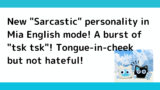
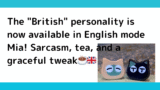
If you want something funnier, Sarcastic and British add more attitude and dry humor.
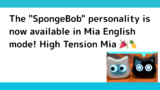
If you want a high-energy character voice, SpongeBob-style Mia is the easiest example to understand.
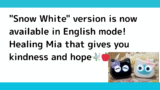
Mia also has individual pages for character styles such as Snow White, Sheldon, and Rick Sanchez.
How Families Can Enjoy English Character Voices
Listen First, Then Imitate
For children, it is usually better to start by listening and imitating instead of trying to translate every sentence.
You can ask simple questions such as:
- Which voice sounds the happiest?
- Which one sounds the funniest?
- Which one would you choose in the morning?
- Can you copy that short phrase?
This keeps English light and playful. The goal is not to test the child. The goal is to make English sounds feel familiar.
Use Characters to Change the Mood
The biggest advantage of character voices is that you can change the mood without changing the robot.
Friendly can be a good morning voice. Caring can be a calm evening voice. Sarcastic or SpongeBob-style voices can be used when the family wants to laugh. British can be fun for people who enjoy dry humor or accent differences.
That variety helps Mia feel less like a fixed gadget and more like a small character platform.
Make English a Shared Family Moment
English learning often becomes something a child does alone with a textbook or app. Mia can make it more social.
Parents do not need to become English teachers. They can simply listen together, react together, and copy a phrase together. Even a short moment like “That voice was funny” can create a small conversation around English.
How Adults Can Use It
Mia’s English character voices are not only for children.
Adults can also use them as a small mood switch during work, study, or quiet time at home. A desk robot that speaks in a different tone can make a room feel less static.
For example:
- Use Friendly when starting the day
- Use Caring when you want a softer voice
- Use British or Sarcastic when you want dry humor
- Use SpongeBob-style voices when you want something energetic
- Use Snow White when you want a calmer and gentler mood
This is not the same as a full English lesson. It is closer to a small entertainment and listening habit.
What to Check Before Buying
Do Not Assume Official Character Licensing or Original Actor Voices
Some names may remind users of famous characters or public figures. However, you should not assume that Mia contains official actor voices, original licensed character audio, or direct official collaboration unless Mia’s official materials clearly say so.
The practical way to understand the feature is that Mia offers character-inspired personalities, tone, and voice styles for English phrases.
It Is Not a Complete English Learning Course
Mia can help users hear English more often and make English feel more approachable. It can also be useful for short phrase imitation.
However, it is not a grammar course, exam-preparation app, or full conversation school. If the goal is serious English improvement, use Mia together with books, lessons, or language apps.
Availability Can Change
English mode, accents, and character voices may change depending on app updates, firmware, and official support status.
Before purchasing, check the latest official pages and the app interface to confirm which character voices are currently available.
Mia vs Japanese Dialect Mode
Mia also has a Japanese dialect feature, which is different from the English character voice feature.
Japanese dialect mode is about familiarity, local feeling, and nostalgia. English character voices are more about play, tone, entertainment, and listening variety.
Both features change the impression of the robot’s voice. The difference is that dialect mode makes Mia feel closer to a hometown or family voice, while English character voices make Mia feel like a playful character companion.
FAQ
How many English characters does Mia have?
Mia’s related articles introduce five English personalities, three accent or regional styles, and seven character voices. This article summarizes them as 15 English character styles. Check the latest official pages for current availability.
Can I hear the actual character voices?
Mia’s individual English character pages include descriptions and phrase examples that help you understand each voice style. Do not assume original actor voices or official character licensing unless official materials clearly state it.
Is Mia useful for children’s English learning?
It can help children become more comfortable with English sounds. It is especially suitable for listening, repeating short phrases, and enjoying English as play. For grammar or exam study, use dedicated learning materials as well.
Can adults enjoy it too?
Yes. Adults can use the character voices for desk companionship, mood changes, light listening practice, or family conversation. The feature is not limited to children.
Is this different from a normal English-speaking robot?
Yes. A normal English-speaking robot may simply read or respond in English. Mia’s character voice feature focuses more on personality, mood, tone, and playful variation.
Summary
Mia is not just an AI robot that speaks English. Its English mode is interesting because it lets users enjoy different voice personalities and character-inspired tones.
Friendly, Caring, Sarcastic, British, SpongeBob-style, Snow White-style, and other voices make English feel less like homework and more like a small daily interaction.
If you want a full English course, Mia is not a replacement for lessons or textbooks. But if you want an AI robot that makes English more approachable, playful, and fun to hear, Mia’s English character voices are a strong reason to take a closer look.
👀 You may also like:
👉 2026 Guide: AI Pet Robots for Elderly Loneliness – A Comparison of 10 Companion Robots
👉 2026 Edition: 9 Recommended Pet Robots Under $150 – Cheap, Cute, and Healing Models
👉 Monthly and Maintenance Costs of Pet Robots: Moflin, LOVOT, Mia, and More
👉 Mia – Your Chatty AI Cat Companion Robot with 100+ Expressions