- Should a pet robot look like a real animal?
- Quick Answer: Realism Is Only The Starting Point
- Dog-Like Robots: Familiar, Appealing, And Demanding
- Cat-Like Robots: Friendly, Familiar, And Hard To Get Right
- Abstract Robots: Less Realistic, Often Easier To Love
- Therapy Robots: Safety Can Matter More Than Realism
- Comparison: Realism, Attachment, And Everyday Fit
- Three Practical Ways To Choose
- Where Mia Fits
- Final Takeaway
Should a pet robot look like a real animal?
When people compare pet robots, one of the first questions is simple: how close does it feel to a real dog or cat?
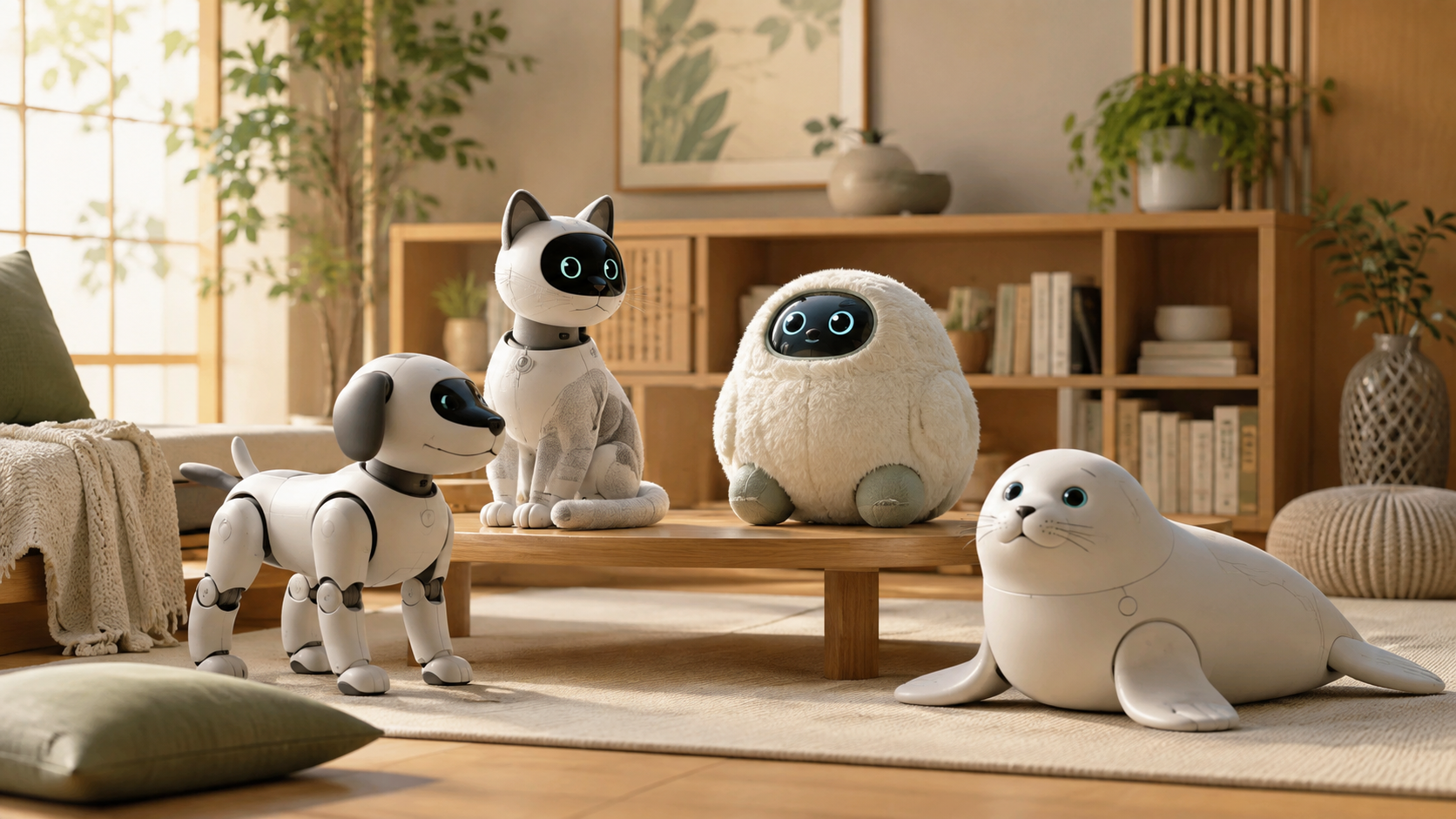
A dog-like robot can walk, wag, respond to touch, and invite play. A cat-like robot can feel more independent and less obedient. A soft abstract robot may not look like any known animal, but it can leave room for the owner to imagine its personality. A therapy robot may not need to be realistic at all if it feels safe to hold and easy to understand.
So the best pet robot is not always the one that looks most realistic.
The better question is: does its shape match the kind of relationship you want with it?
Quick Answer: Realism Is Only The Starting Point
Animal-likeness creates expectations.
If a robot looks like a dog, people expect it to play, follow, respond, and behave in dog-like ways. If it looks like a cat, people expect independence, curiosity, and a certain amount of unpredictability. If it looks abstract, there is no single animal model to compare it with, which can make small imperfections easier to accept.
That is why realistic design can be powerful, but also risky. The more a robot looks like a real animal, the more obvious its missing movements, texture, warmth, or behavior can become.
| Design type | Examples | Why it can work | Main caution |
|---|---|---|---|
| Dog-like | aibo, Tombot Jennie | Easy to understand; play and affection are familiar | Dog-like expectations can be high |
| Cat-like | MarsCat, Mia | Friendly, familiar, and suited to home spaces | Real cats are hard to imitate convincingly |
| Abstract | Moflin, Qoobo, LOVOT | Less direct comparison with real pets | Some people may not know what role it should play |
| Therapy-style | PARO | Calm, safe, easy to hold | Not the same as a general AI assistant |
| Conversational character | Romi, Mia, ElliQ | Voice can create daily contact | May feel more like a device than a pet |

Dog-Like Robots: Familiar, Appealing, And Demanding
Dog-like robots are easy to understand. You call their name, pet them, watch them move, and expect visible affection.
aibo: A robot dog that grows through interaction
Sony's aibo is one of the clearest examples of a dog-like pet robot.
aibo uses movement, eyes, ears, tail motion, sounds, touch response, and cloud-connected learning to build a long-term relationship with its owner. Sony's help guide describes how aibo reacts to praise, touch, voice, and daily interaction, and how its behavior and personality change over time.
That makes aibo strong when the goal is to live with a robot dog as a distinct companion, not just use a smart device.
The caution is that dog-like form raises dog-like expectations. aibo does not replace a living dog. It cannot fully reproduce softness, outdoor walks, smell, spontaneous animal behavior, or the biological presence of a pet. Price, subscription requirements, charging, maintenance, and repair also matter.


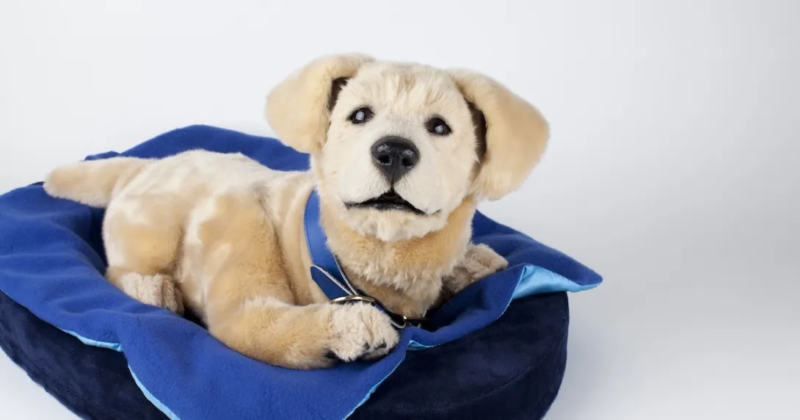
Tombot Jennie: Realistic dog comfort for care contexts
Tombot Jennie takes a different path. It focuses on realistic dog-like comfort and emotional support, especially for people who cannot keep a living dog.
This type of design can be compelling for elder care, dementia care, pet loss, or people who want the feeling of holding a calm dog-like companion. But realistic design also makes practical questions more important: availability, support, repair, price, and whether the experience matches the user's memories of real dogs.
Cat-Like Robots: Friendly, Familiar, And Hard To Get Right
Cat-like robots have a different advantage. Cats are already associated with independence and unpredictable behavior. A robot cat does not always need to obey commands to feel "cat-like."
That makes small imperfections easier to accept than with a highly obedient dog model.
But cats are also hard to imitate. A real cat has a soft body, subtle movements, fur texture, weight, warmth, scent, and tiny changes in attention. A robot cannot reproduce all of that, so it needs a clear design focus.
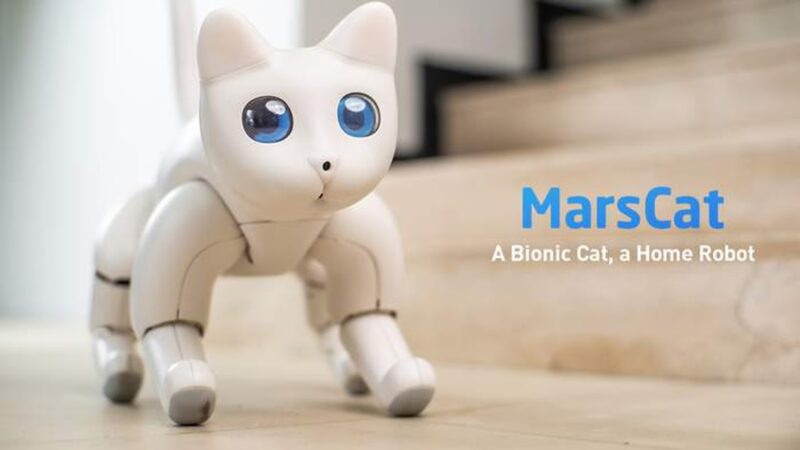
MarsCat: Cat-like autonomy and personality
MarsCat, from Elephant Robotics, is a bionic cat robot designed to act autonomously. Its product page describes walking, running, sleeping, sitting, stretching, meowing, touch response, voice response, face recognition, toy interaction, and personality development based on how the owner interacts with it.
Its strongest point is that it does not have to be perfectly obedient. A cat-like robot can make independence part of its charm.
Before choosing a product like MarsCat in Japan, check the purchase route, language support, app support, repairs, warranty, floor conditions, and noise. A moving cat-like robot can be engaging, but it also depends heavily on the home environment.
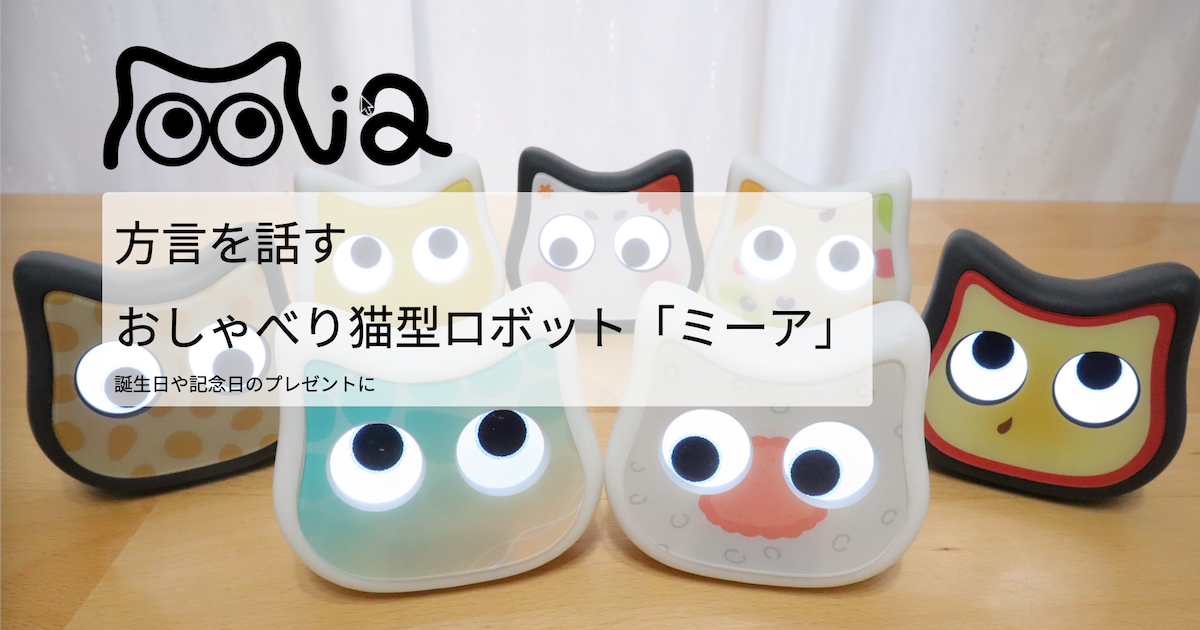
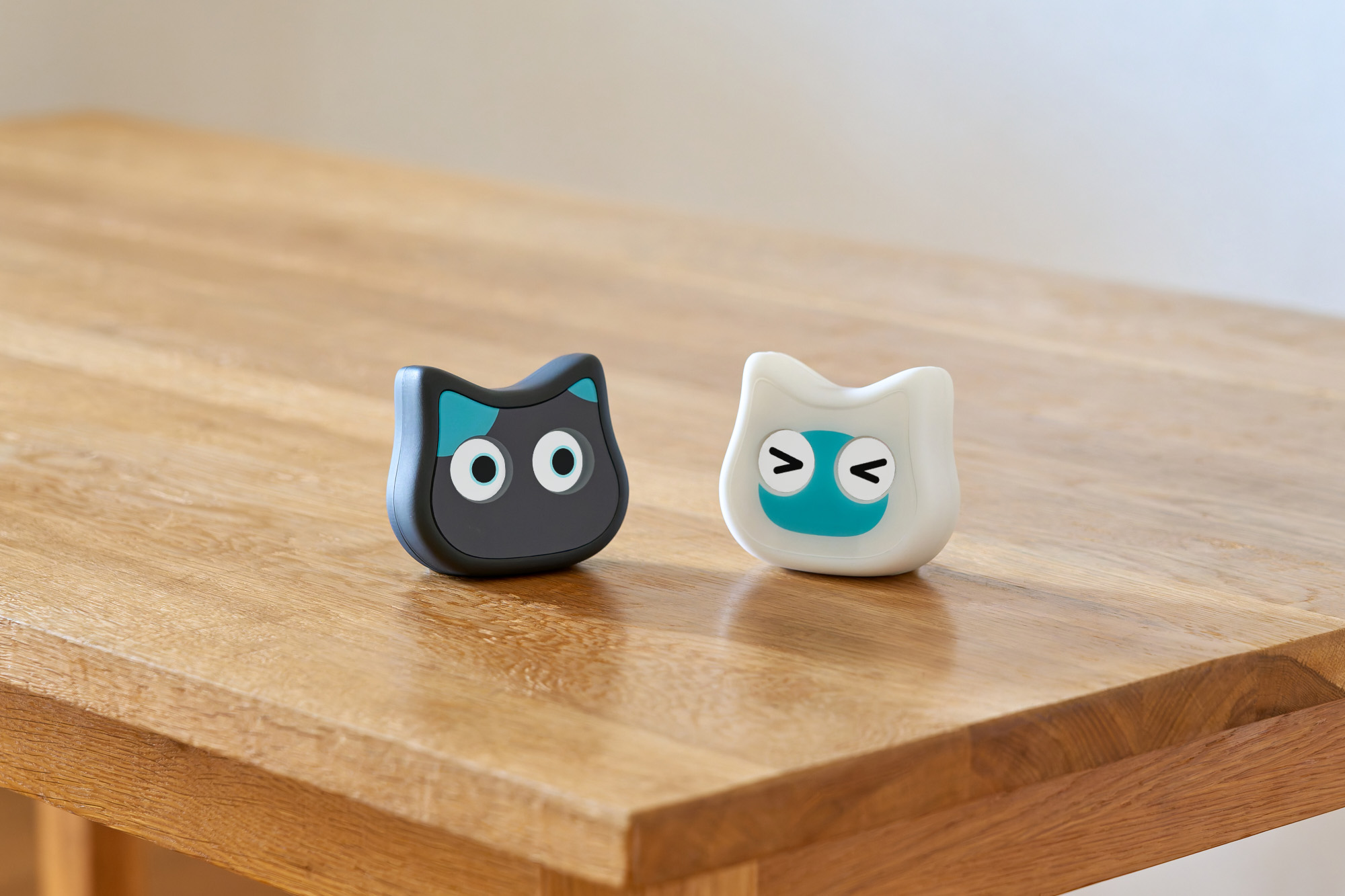
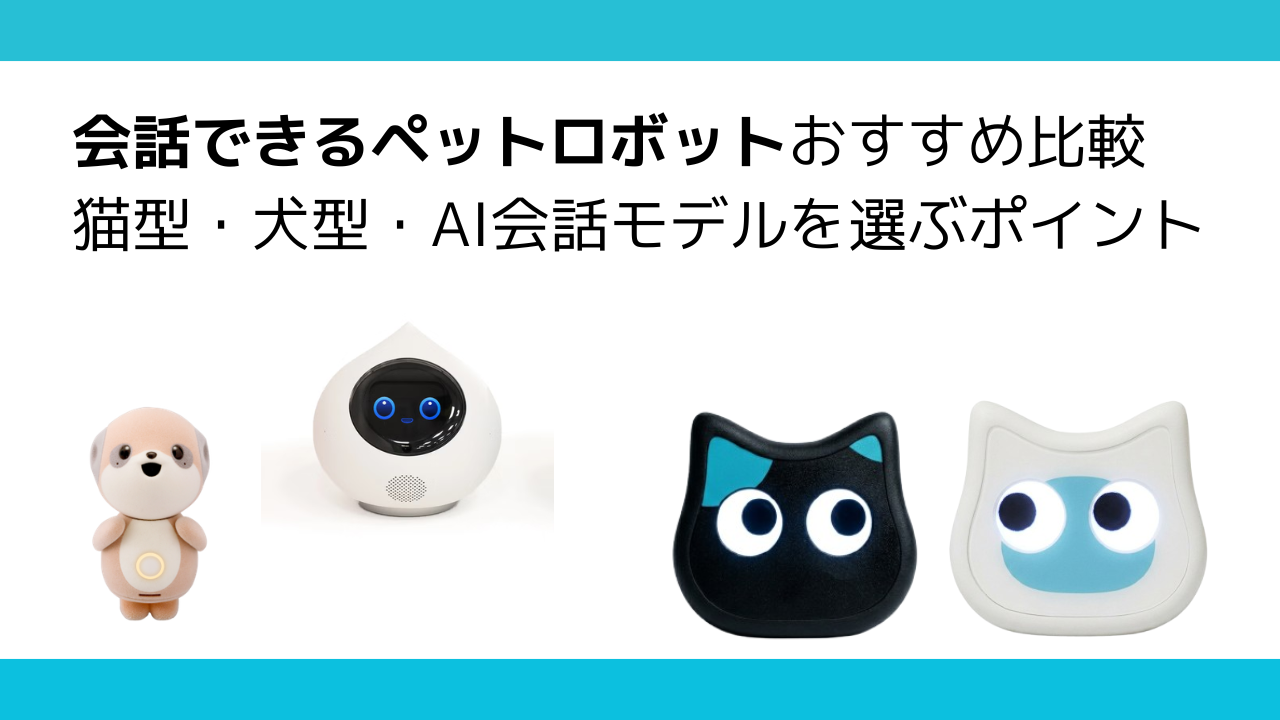
Mia: A cat-like conversation robot, not a walking cat
Mia is not a walking robot cat like MarsCat. Its value is not physical imitation.
Mia uses a cat-like form, facial expressions, voice conversation, 47 Japanese dialects, Google Calendar integration, weather announcements, and 15 English characters to create daily contact. Its entry price starts from 9,800 yen including tax in Japan, making it easier to try than high-end mobile pet robots.
That means Mia is best understood as a cat-like voice companion. It is not for people who want a robot to walk around, sit on their lap, or feel like a soft animal. It is for people who want a familiar cat-like presence that talks, reacts, and gives small daily prompts.
Abstract Robots: Less Realistic, Often Easier To Love
Some of the most interesting pet robots do not try to look like dogs or cats.
That may sound like a disadvantage, but it can be a strength. If a robot does not look like a specific animal, the user has fewer fixed expectations. Small reactions, odd movements, and limited abilities can become part of the robot's personality instead of a failure to imitate nature.
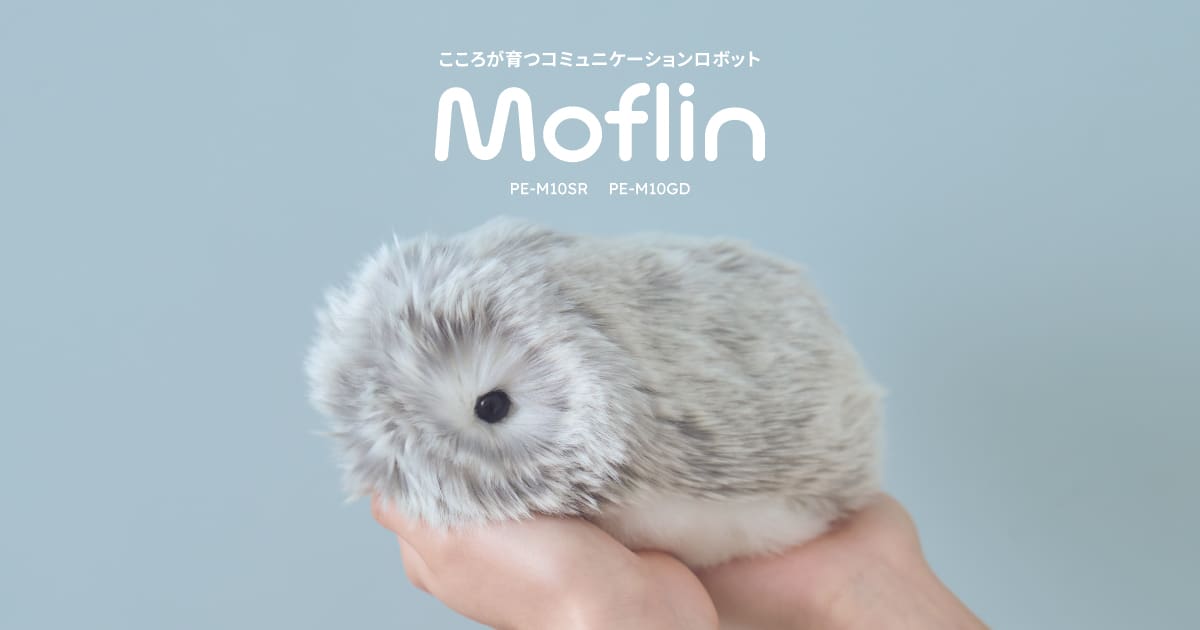
Moflin: Soft, ambiguous, and easy to project onto
Moflin is Casio's fluffy AI companion. It is small, soft, and built around holding, stroking, gentle sounds, emotional simulation, and personality growth.
Casio describes Moflin as an AI pet that grows through daily interaction, with more than four million possible personality patterns and a companion app called MofLife.
Moflin's ambiguity matters. It is not exactly a dog or a cat. Because there is no real animal template to compare it against, owners can read its sounds and movements in their own way. That makes it well suited to quiet attachment rather than utility.
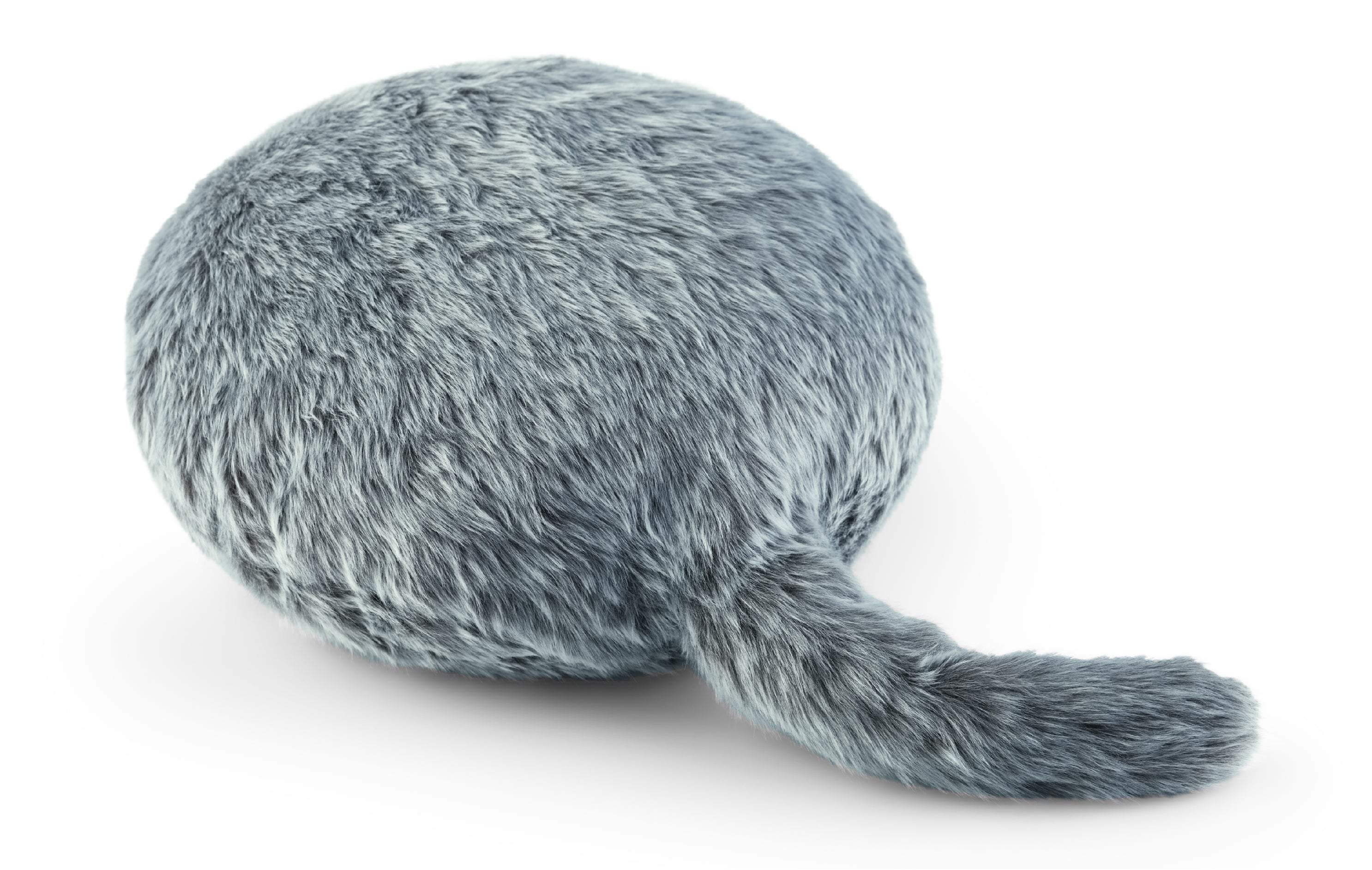
Qoobo: A tail can be enough
Qoobo is a tailed cushion robot from Yukai Engineering.
It has no face and no conversation. When stroked, it gently waves its tail. When rubbed, it moves more playfully. It may also wag on its own.
That simplicity is the point. With very little information, people naturally read emotion into the tail. For users who dislike chatty robots or screen-based faces, this quiet design can feel more comfortable than a more complex AI pet.
LOVOT: Not a dog, not a cat, but clearly a companion
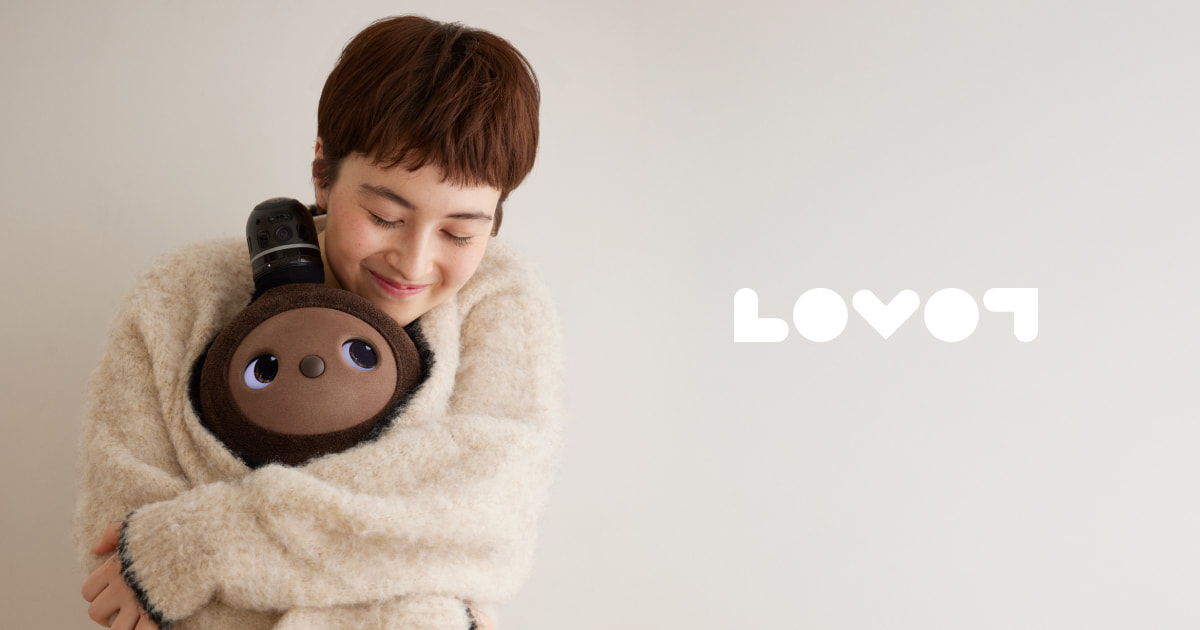
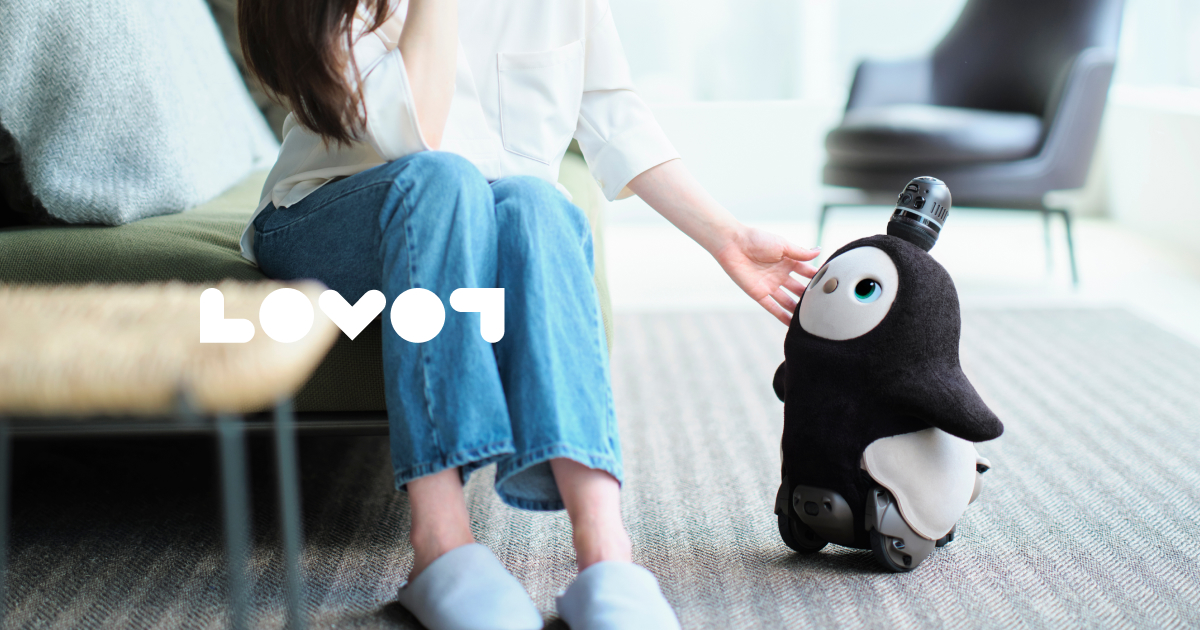
LOVOT is not modeled directly after a dog or cat. Its strength is that it creates its own role.
It looks up at people, follows them, remembers faces, asks to be held, and has a warm, soft body. LOVOT's English feature page frames its purpose around being loved rather than performing household work.
This makes LOVOT a strong example of a robot that borrows animal-like cues without becoming a direct animal imitation. The tradeoff is cost. In Japan, LOVOT 3.0 starts at 577,500 yen including tax, with required monthly service fees.
Therapy Robots: Safety Can Matter More Than Realism
In care settings, realism is not always the top priority. A robot may need to be calm, easy to hold, non-threatening, and simple for caregivers and family members to understand.
PARO: A seal shape that avoids direct pet comparison
PARO is a therapeutic robot modeled after a baby harp seal.
It has tactile, light, sound, temperature, and posture sensors. It reacts to being stroked, held, and spoken to. Its seal-like form is important because many people do not have strong expectations about keeping a seal as a household pet. That can make it less likely to be judged against memories of a real dog or cat.
PARO is not a conversational AI assistant. Its value is in touch, gentle response, and social interaction in therapeutic and care contexts.


Comparison: Realism, Attachment, And Everyday Fit
| Product | Shape | Animal-likeness | Attachment entry point | Main mismatch risk | Best fit |
|---|---|---|---|---|---|
| aibo | Dog-like | High | Movement, growth, tail, eyes, sound | Expecting a real dog | People who want to live with a robot dog |
| Tombot Jennie | Dog-like | High | Look, holding, care use | Availability and support | People who want realistic dog comfort |
| MarsCat | Cat-like | Medium to high | Autonomy, meows, personality | Real cat softness and subtlety | People who enjoy an autonomous robot cat |
| Mia | Cat-like conversation robot | Medium | Voice, expressions, dialects, weather, calendar | Expecting movement or touch | People who want an affordable cat-like voice companion |
| Moflin | Abstract | Low to medium | Softness, holding, growth | Limited utility | People who want quiet tactile companionship |
| Qoobo | Abstract | Low | Tail movement and touch | No face or conversation | People who want silent comfort |
| LOVOT | Original character | Medium | Eye contact, warmth, movement, holding | High cost | Families who want a strong robot presence |
| PARO | Seal-like therapy robot | Medium | Holding, stroking, calm response | Different purpose from home AI assistants | Care and therapy contexts |
Three Practical Ways To Choose
1. Do not expect a full replacement for a living pet
A robot dog or robot cat can be meaningful, but it is not a living animal. It will not fully reproduce outdoor walks, scent, fur, illness, aging, spontaneous behavior, or the emotional complexity of caring for a biological pet.
It is better to think of a pet robot as a new kind of companion, not as a perfect substitute.
2. More realistic designs make imperfections more visible
Realistic design has strong first impact. But the closer a robot looks to a real animal, the easier it is to notice stiff movement, plastic texture, limited reactions, or missing behaviors.
Abstract robots avoid part of that problem. Because they are not trying to be a specific animal, their limitations can feel more like personality.

3. For families, choose a shape that is easy to explain
If a pet robot will be used by several people, the form needs to make sense to everyone.
Dog-like and cat-like forms are easy to understand. Abstract forms may be less obvious, but can feel less demanding. Conversational robots can be useful, but some people may feel awkward speaking to them.
Mia's advantage is that it is easy to explain: a small cat-like robot that talks, reacts, uses dialects, and gives everyday prompts such as weather and calendar reminders.
Where Mia Fits
Mia is not trying to be a realistic cat.
It does not walk around the home, sit on your lap, or offer a soft fur-like body. If that is what you want, a mobile robot cat or a tactile companion will be a better fit.
Mia is better understood as a cat-like voice companion. It uses a friendly physical form to make daily conversation, facial expressions, dialects, calendar prompts, weather updates, and English character play feel more approachable.
That makes it useful for people who want a low-cost first step into pet robots, especially when the goal is daily voice contact rather than physical animal imitation.
To compare robot dogs specifically side by side by price, purpose and availability in Japan, see our comparison guide.
Final Takeaway
Pet robots are not better simply because they look more like real animals.
Dog-like and cat-like robots are familiar and easy to understand, but they also create high expectations. Abstract robots and therapy robots may look less realistic, but that can make them easier to accept emotionally. Conversational character robots can build attachment through voice rather than movement or touch.
Choose by the relationship you want:
If you want to play with a robot dog, look at aibo. If you want cat-like autonomy, look at MarsCat. If you want soft quiet comfort, look at Moflin or Qoobo. If you want a family-like presence, look at LOVOT. If you are thinking about care or therapy, look at PARO. If you want an affordable cat-like voice companion for everyday prompts, Mia is the more natural fit.
👀 You may also like:
👉 2026 Guide: AI Pet Robots for Elderly Loneliness – A Comparison of 10 Companion Robots
👉 2026 Edition: 9 Recommended Pet Robots Under $150 – Cheap, Cute, and Healing Models
👉 Monthly and Maintenance Costs of Pet Robots: Moflin, LOVOT, Mia, and More
👉 Mia – Your Chatty AI Cat Companion Robot with 100+ Expressions