What Is Tuya Doova?
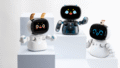
Tuya Doova is an AI home companion robot for older adults, unveiled by Tuya Smart at IFA 2026.
Tuya Smart is known for smart home devices and its AIoT platform. Doova follows Tuya Smart Aura, the pet-focused AI companion robot shown at CES 2026, but the target is different. Aura is for dogs and cats. Doova is aimed at seniors living alone.
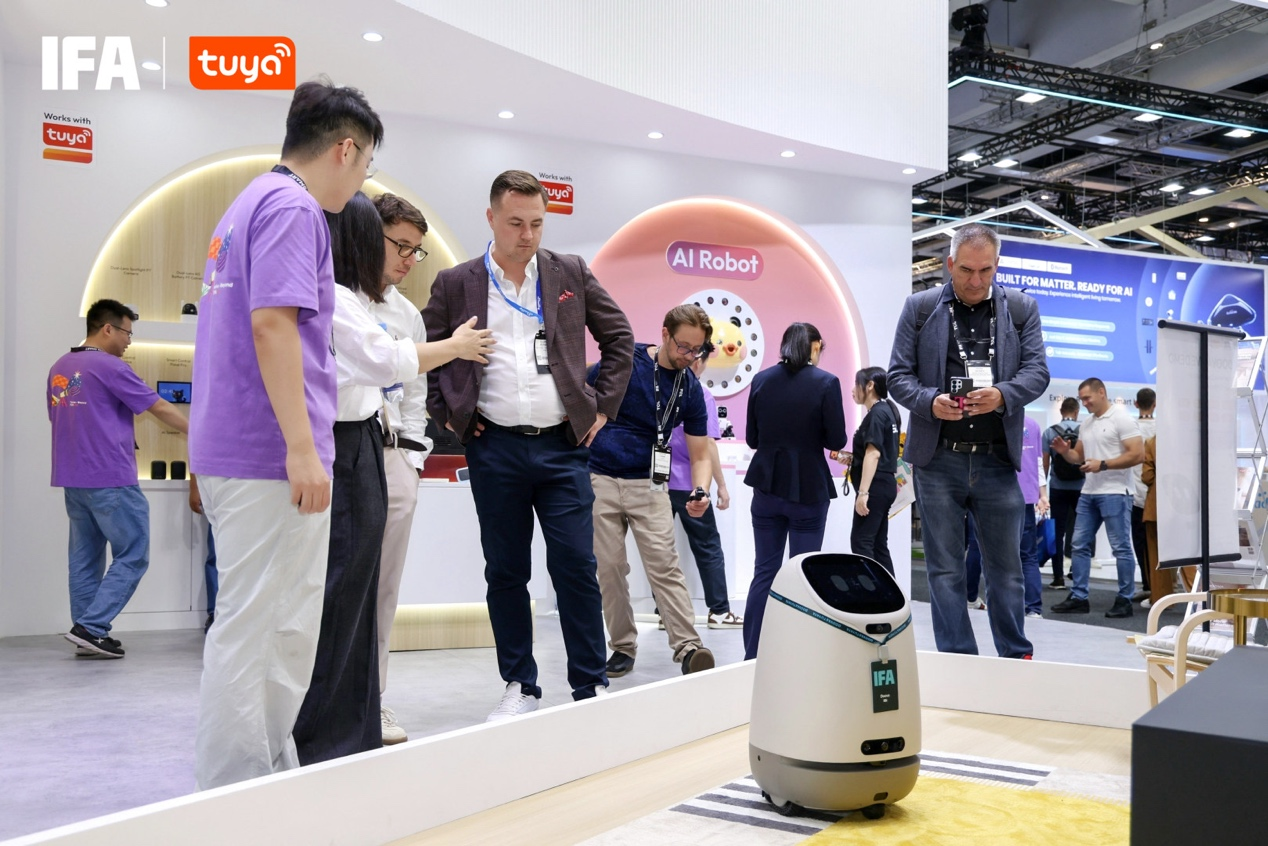
The core features are emergency monitoring, family video calls, daily conversation, medication reminders, schedule reminders, weather updates, and voice control for smart home devices.
Doova is not a chore robot with arms. It is easier to understand as a mobile home monitoring and conversation robot: it moves around the home, listens for the user's voice, reads the situation with sensors, and connects the user with family members or connected devices.
Key Takeaways
What Doova Is
- An AI home companion robot announced by Tuya Smart on September 4, 2026, at IFA 2026
- Designed mainly for older adults living alone
- Uses LDS LiDAR, four-microphone sound localization, and AI vision posture recognition
- Moves toward the user during an emergency call for help
- Sends a two-way live video alert to family if there is no response within 60 seconds
- Supports conversation, entertainment, medication reminders, weather, schedules, and simple games
- Can work as a smart home hub for lights, curtains, kitchen devices, bathroom devices, and other connected products
- As of September 2026, pricing, launch date, Japan availability, Japanese-language support, and subscription costs are not confirmed
What Looks Good
- It focuses on a real anxiety for families: a parent falling at home and not being noticed quickly
- A mobile robot can move closer to the user than a fixed camera
- Conversation, reminders, video calls, and smart home control are bundled into one idea
- The wheeled body and screen-based expression feel more realistic for homes than a humanoid robot with arms
- Tuya's AIoT ecosystem gives it room to connect with many home devices and sensors
What Needs Caution
- It is not yet a normal consumer product with long-term user reviews
- Pricing, launch regions, Japanese voice support, app localization, warranty, and repair options are unclear
- Cameras, microphones, posture recognition, and video calls make privacy handling important
- Fall detection and emergency alerts should not be treated as replacements for medical or care services
- Floors, rugs, steps, cables, Wi-Fi quality, and smart home device compatibility will affect real usability
- Some older adults may feel uncomfortable with a moving camera robot in the home
Who It Might Suit
- Families who want to monitor an older parent living alone
- People who want a mobile alternative to a fixed indoor camera
- Users who want conversation, medication reminders, schedules, weather, and home control in one device
- Readers comparing Amazon Astro, ElliQ, BOCCO emo, Romi, LG CLOiD, Samsung Ballie, and other home AI robots
- People tracking the future of senior-focused home robots rather than buying something immediately
Bottom Line
Tuya Doova is not a housework robot. It is closer to a moving monitoring terminal for an older adult's home.
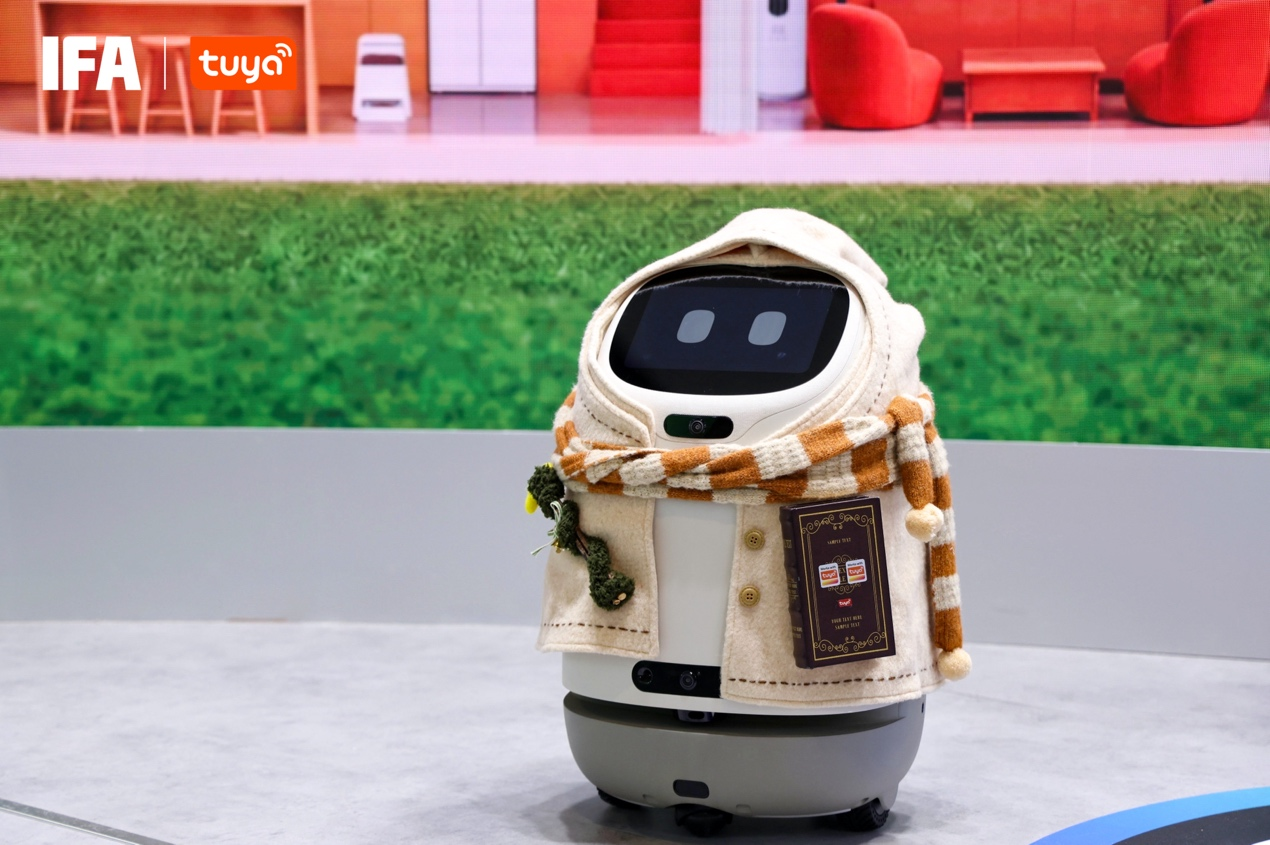
It is not designed to carry plates, fold laundry, or cook. Doova's role is to hear the user, move closer when needed, understand posture and context with sensors, connect family through video calls, and support daily reminders and smart home control.
That direction is practical. For senior care, flashy motion matters less than clear daily use, emergency contact flow, family visibility, and whether the person actually accepts the device.
The biggest caution is that the buying decision is still early. Price, Japan launch, Japanese-language support, subscription fees, emergency routing, false-alert handling, data storage, camera controls, and the family app experience will matter more than the exhibition demo.
Price and Availability
Pricing Is Not Confirmed
Tuya Doova does not yet have confirmed consumer pricing. Dollar pricing, yen pricing, launch timing, sales regions, subscription fees, cloud storage costs, warranty, and repair conditions will need to be checked when formal sales details appear.
For a senior monitoring robot, the total cost may include more than the device itself.
- Emergency notification or video-call services
- Cloud recording or history storage
- AI conversation features
- Additional family app users
- Smart home devices required for automation
- International shipping, duties, and taxes
- Repair, replacement, and extended warranty costs
For monitoring use, the three-year cost and support continuity matter more than the first purchase price.
Can You Buy It From Japan?
As of September 2026, Japan availability has not been confirmed.
For use with an older adult in Japan, the important checks are practical:
- Japanese voice conversation
- Japanese app and notification support
- Stable emergency video calls inside Japan
- Wi-Fi, cloud, and smart home regional support
- Wireless certification
- Repair, replacement, and return channels
- Data storage region and privacy policy
- Any link to care services or medical providers
Senior-focused products should not be judged by specifications alone. Setup burden, family support, the user's comfort level, and what happens during internet outages all matter.
What Tuya Doova Can Do
Move Toward the User in an Emergency
Doova uses LDS LiDAR, four microphones, and AI vision-based posture recognition.
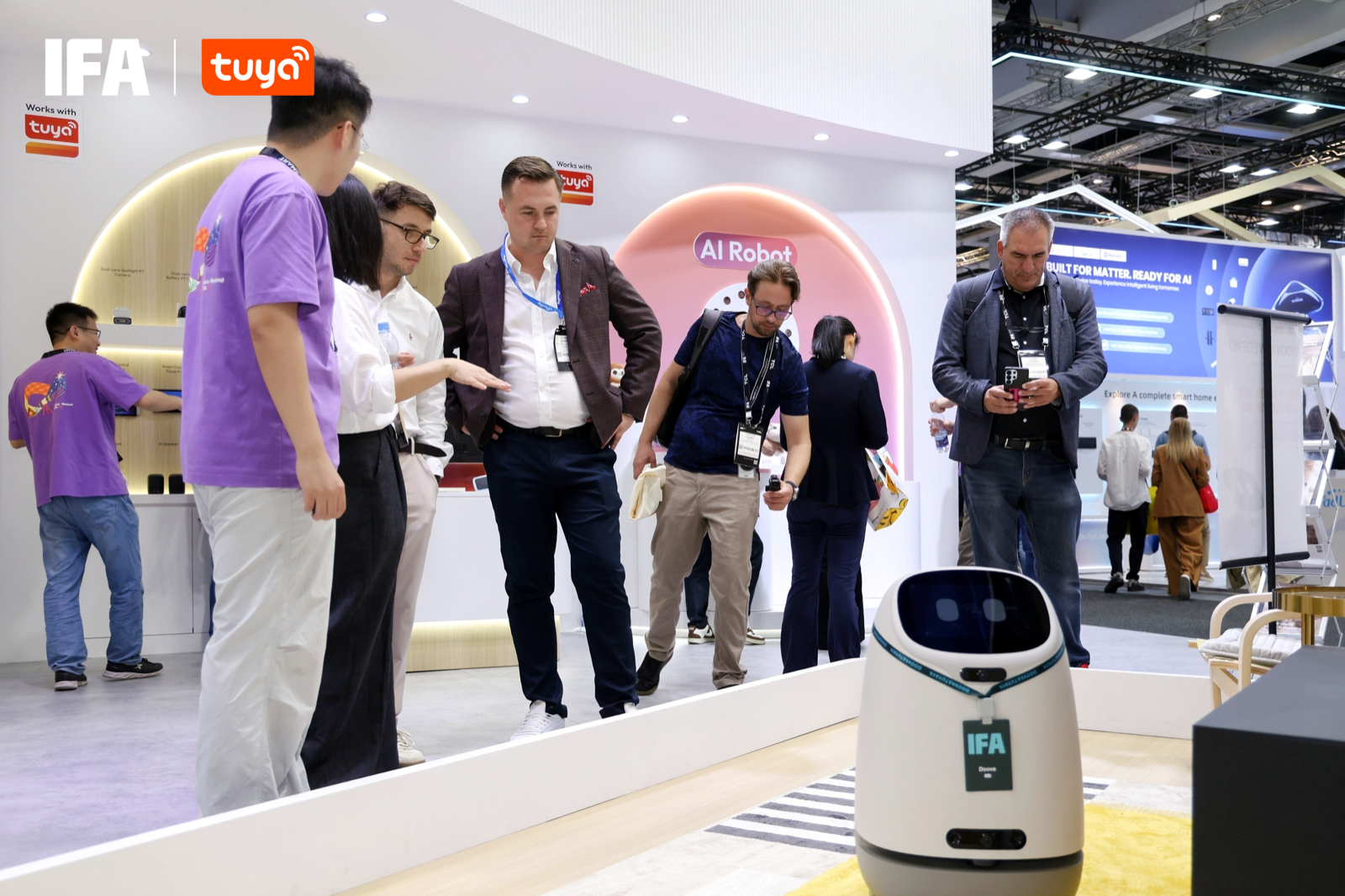
In an emergency, the user can call, "Hey Tuya, help." Doova then uses sound localization to move toward the user and observe posture and context. If there is no response within 60 seconds, the robot sends a two-way live video alert to family members.
This is different from a fixed monitoring camera. If the person falls outside a camera's view, a mobile robot may be able to move closer by following the voice.
Still, fall detection and emergency response are high-stakes features. Doova should be treated as an extra layer for family awareness, not as a substitute for medical devices, care staff, or emergency services.
Connect Family Through Live Video
Doova is designed to send live video calls to family members during emergencies.
That matters because the older adult may not be able to find a phone, open an app, or choose a contact during a fall or sudden health issue.
The details will decide whether this works well:
- How the family notification appears on a phone
- Whether alerts can escalate to another family member
- How false alerts are cancelled
- Whether the older adult can stop the camera easily
- Where call history, video, and logs are stored
The family app may be just as important as the robot hardware.
Offer Conversation and Entertainment
Doova uses a multimodal large language model for more natural conversation. It is not limited to fixed voice commands.
For someone living alone, even short daily conversation can affect routine. A robot that can move, show facial expressions, and talk may feel more present than a smart speaker sitting in one place.
Doova also aims to support entertainment, including music, video, and simple interactive games. This makes it more than a safety device, though real engagement will depend on voice quality, response speed, and content support.
Give Medication, Schedule, and Weather Reminders
For older adults, reminders can be more useful than clever conversation.
Doova is designed for medication reminders, weather updates, and schedule reminders. Example uses include morning weather, medication times, clinic appointments, and day-service schedules.
Medication reminders are not medical advice. Dosage, medication changes, interactions, and missed-dose instructions must come from doctors or pharmacists. The robot's role is to help the user remember.
Help With Bills, Letters, and Scam Warnings
Doova also points toward help with complex bills, letters, and fraud-risk warnings.
This is an interesting direction for senior AI robots. It moves beyond appliance control into the everyday paperwork that often causes anxiety: bills, contracts, official mail, and possible scams.
It is also a feature that needs caution. AI can misread documents or oversimplify important details. Money, contracts, medical documents, and government procedures should still be checked with family members or qualified support channels.
Control Smart Home Devices by Voice
Doova can also act as a smart home hub within Tuya's AIoT ecosystem.
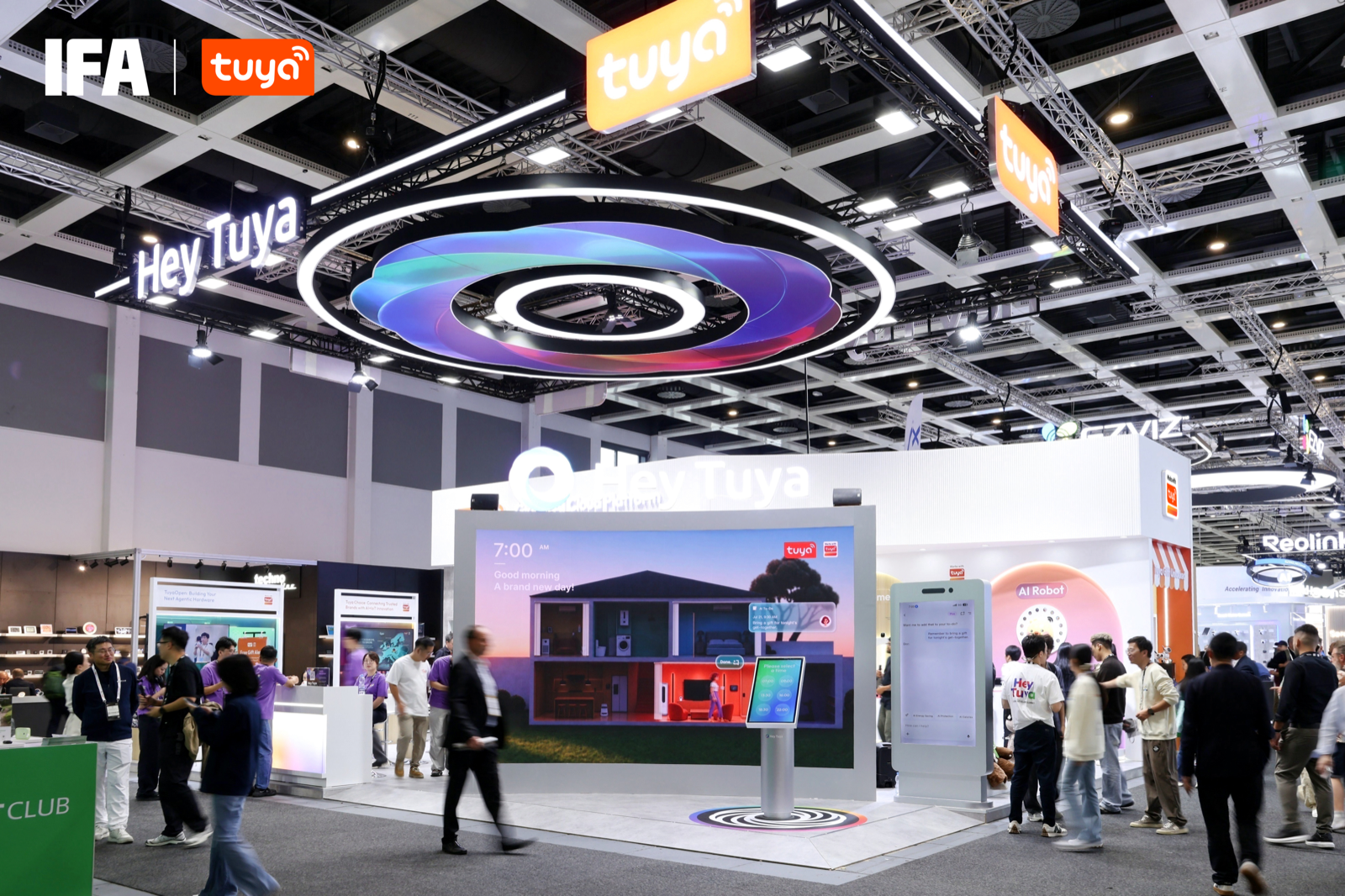
Lights, curtains, kitchen appliances, bathroom devices, and other connected products may be controlled by voice. For an older adult who does not want to use a smartphone app, voice control can be practical.
Examples include turning on lights at night, opening curtains, or controlling bathroom-related devices. Compatibility, setup, home layout, internet stability, and power outages will all matter in real homes.
How Tuya Doova Compares With Similar Robots
Tuya Smart Aura vs. Doova
Tuya Smart Aura is an AI robot for dogs and cats. Its main features are pet behavior analysis, laser play, treat dispensing, AI video capture, and autonomous movement.

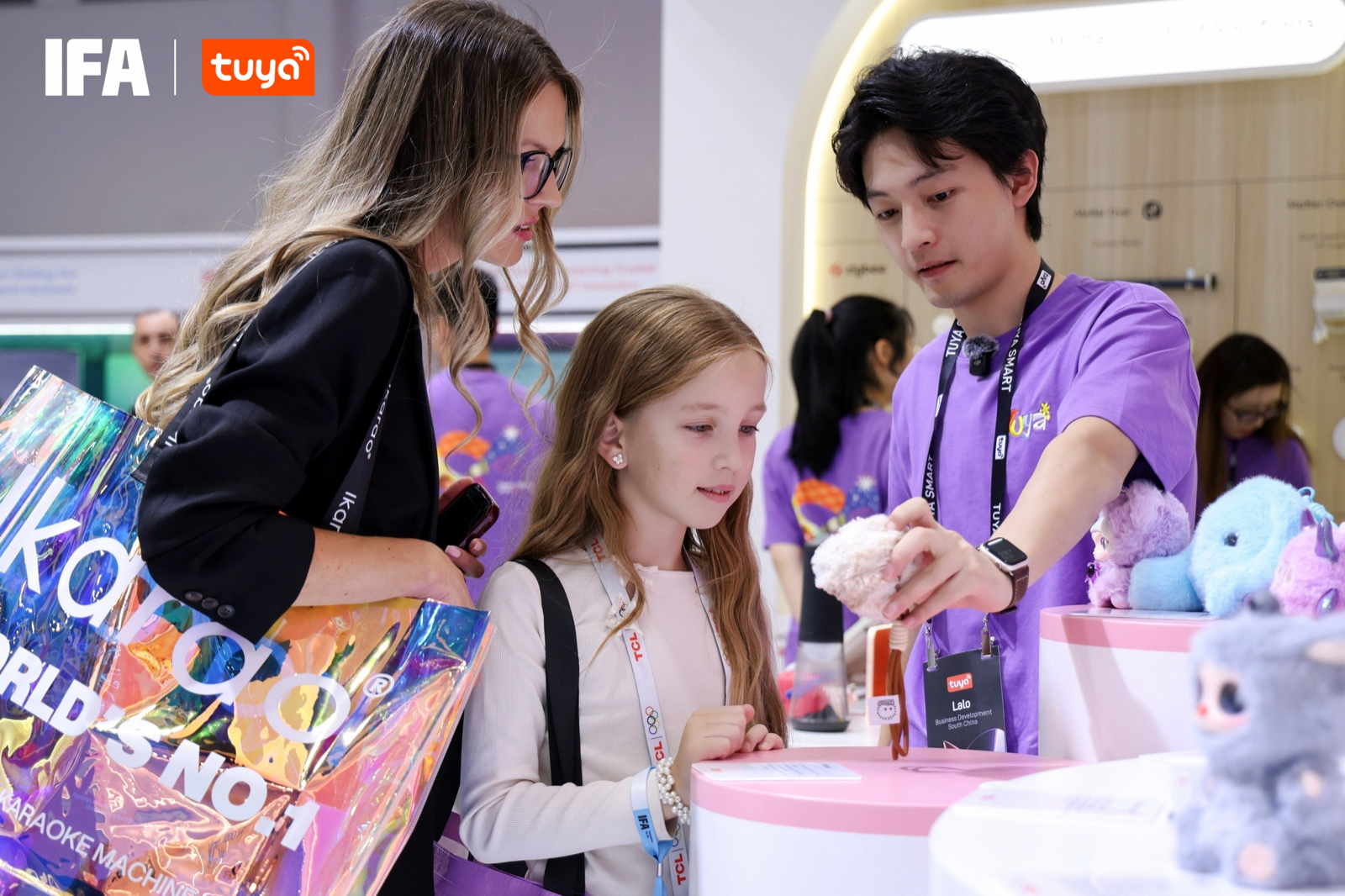
Doova is for people. Its main focus is emergency response, family calls, medication reminders, schedule reminders, and smart home operation.
The simple distinction is this: Aura is for pet monitoring. Doova is for older adults living alone.
| Comparison | Tuya Smart Aura | Tuya Doova |
|---|---|---|
| Main user | Dogs and cats | Older adults living alone |
| Core use | Pet monitoring, play, treats, video | Emergency support, conversation, reminders, smart home |
| Movement | Autonomous movement | Autonomous movement |
| Camera and AI | Pet recognition and behavior analysis | Posture recognition, monitoring, video calls |
| Closest Mia comparison | Pet robot context | Senior conversation and family-support context |
LG CLOiD vs. Doova
LG CLOiD is a chore-supporting AI home robot. It has two articulated arms and five-fingered hands, with demos around cooking, laundry, and appliance control.
Doova has no arms. It does not try to physically do chores. It focuses on conversation, monitoring, family calls, and smart home control.
If you want a robot that may eventually help with household tasks, LG CLOiD is the closer idea. If you want senior monitoring and daily conversation, Doova is the more relevant concept.
ElliQ vs. Doova
ElliQ is already known as a companion robot for older adults, with conversation, family connection, and health-routine support.
Doova adds mobility and home situational awareness. It can potentially move around a room instead of staying in one place.
That also makes setup harder. Floors, steps, room size, charging location, and Wi-Fi coverage become part of the product experience.
Amazon Astro vs. Doova
Amazon Astro is a close comparison because it is also a mobile home robot with camera-based monitoring and smart home connections.
Doova is more explicitly focused on older adults living alone. Emergency voice response, posture recognition, family video calls, medication reminders, and schedule reminders are central to the concept.
Astro is easier to understand as a smart home and security robot. Doova is easier to understand as a senior safety and conversation robot.
What to Check Before Buying
1. Emergency Contact Flow
Detection is only the first step.
Who receives the alert? In what order? What happens if nobody responds? Who can cancel a false alert? These details determine whether a monitoring robot is useful in real life.
2. Privacy and Camera Controls
Doova uses cameras, microphones, posture recognition, and video calls. That means it may handle very private home information.
Before buying, families should decide:
- Which rooms the robot may enter
- Which family members receive monitoring reports
- When live video can start
- Whether video or audio is recorded
- How long data is stored
- How the older adult can stop the camera
Without clear consent, the robot can feel more like surveillance than support.
3. Japanese-Language Support
For Japan, Japanese-language quality is essential.
Basic recognition is not enough. The robot needs to handle slow speech, noisy rooms, TV sound, mistakes, repeated questions, and possibly local accents or dialects.
Japanese voice, Japanese screen text, Japanese app support, and Japanese customer support should all be checked before purchase.
4. Real Home Mobility
Mobile robots depend on the home.
Steps, carpets, rugs, cables, narrow hallways, open doors, pets, and items on the floor can limit movement. Homes for older adults may also include anti-slip mats, handrails, medical equipment, or care items.
The ability to move in an exhibition booth does not guarantee smooth movement in every home.
5. Whether the User Accepts It
A family may want a monitoring robot, but the older adult may not.
The same device can feel helpful or intrusive depending on how it is introduced. Camera-based robots need clear explanation and consent.
Starting with visible benefits, such as weather, reminders, music, and conversation, may be easier than introducing it as a monitoring device from day one.
Tuya Doova vs. Mia
Tuya Doova and Mia can both fit senior conversation and family-support searches, but they are built for different jobs.
| Comparison | Tuya Doova | Mia |
|---|---|---|
| Main use | Senior monitoring, emergency support, smart home control | Daily voice prompts, conversation, dialects, schedule and weather reminders |
| Form | Wheeled home robot with a screen | Compact cat-shaped AI companion robot |
| Price | Not confirmed | From 9,800 yen including tax |
| Movement | Designed to move around the home | Stationary tabletop use |
| Conversation | Multimodal AI conversation concept | Voice conversation |
| Monitoring | Posture recognition and family video calls planned | Daily prompts and schedule reminders |
| Dialects | Japanese and dialect support not confirmed | 47 Japanese dialects |
| Expressions | 10.1-inch screen and facial expressions | Facial expressions |
| Schedule | Schedule reminders planned | Google Calendar integration |
| Weather | Weather updates planned | Weather information alerts |
| English | Not confirmed | 15 English characters |
| Ease of setup | Price, Japan launch, and setup conditions are unclear | Compact and easy to place |
Doova is a mobile monitoring robot. It uses cameras and microphones, moves around the home, and connects family members through video calls. It is closer to a future option for reducing anxiety around falls and emergencies.
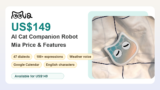
Mia is a cat-shaped AI companion robot focused on daily voice prompts and conversation. It starts at 9,800 yen including tax and supports 47 Japanese dialects, facial expressions, voice conversation, Google Calendar integration, weather information alerts, and 15 English characters.
If a camera-equipped mobile robot feels too intrusive, or if you want to start with conversation, reminders, and weather updates, Mia is easier to introduce.
If emergency video calls and mobile monitoring are the priority, a robot like Doova may become worth waiting for once pricing and support details are confirmed.
FAQ
Can You Buy Tuya Doova Now?
As of September 2026, pricing, launch date, and sales regions have not been confirmed. Before buying, check the official sales page, supported countries, warranty, subscriptions, and repair options.
Does Tuya Doova Support Japanese?
Japanese voice, Japanese UI, Japanese app support, and Japan customer support have not been confirmed. For senior use in Japan, recognition quality, notification wording, and the family app experience will be important.
Is Tuya Doova a Care Robot?
Doova is an AI home companion robot for older adults living alone. It is designed around monitoring, emergency video calls, conversation, and reminders, but it should not be treated as a replacement for medical devices, care services, or emergency services.
Can It Be Used Without a Camera?
Camera and AI vision features are central to the concept, so camera-off functionality needs to be checked in the final product specifications. If privacy is a concern, check camera controls, recording settings, storage period, and family access rights.
Is Tuya Doova the Same Product as Tuya Smart Aura?
No. Tuya Smart Aura is an AI companion robot for pets. Doova is an AI home companion robot mainly for older adults living alone.
Which Is Better for Seniors, Tuya Doova or Mia?
Doova is closer if you need mobile monitoring, emergency video calls, and smart home control. Mia is easier to choose if you want daily voice prompts, conversation, dialects, schedule reminders, weather updates, a compact body, and a clear starting price.
Summary
Tuya Doova is an AI home companion robot that combines senior monitoring, conversation, family video calls, medication and schedule reminders, weather updates, and smart home control.
It is not trying to replace housework. Its strength is the idea of noticing unusual situations, connecting family members, and supporting small daily routines through voice and movement.
The current cautions are pricing, Japan availability, Japanese support, subscription costs, emergency contact flow, privacy, and real-world mobility.
If you want a senior conversation robot that can be considered now, Mia, Romi, BOCCO emo, and ElliQ are also worth comparing. Mia is especially easy to place because it starts at 9,800 yen including tax and supports 47 Japanese dialects, facial expressions, voice conversation, Google Calendar integration, weather information alerts, and 15 English characters.
The clean distinction is this: Doova is a mobile home robot for monitoring and family connection. Mia is a compact cat-shaped robot for daily voice prompts and conversation.
👀 You may also like:
👉 2026 Guide: AI Pet Robots for Elderly Loneliness – A Comparison of 10 Companion Robots
👉 2026 Edition: 9 Recommended Pet Robots Under $150 – Cheap, Cute, and Healing Models
👉 Monthly and Maintenance Costs of Pet Robots: Moflin, LOVOT, Mia, and More
👉 Mia – Your Chatty AI Cat Companion Robot with 100+ Expressions