Introduction
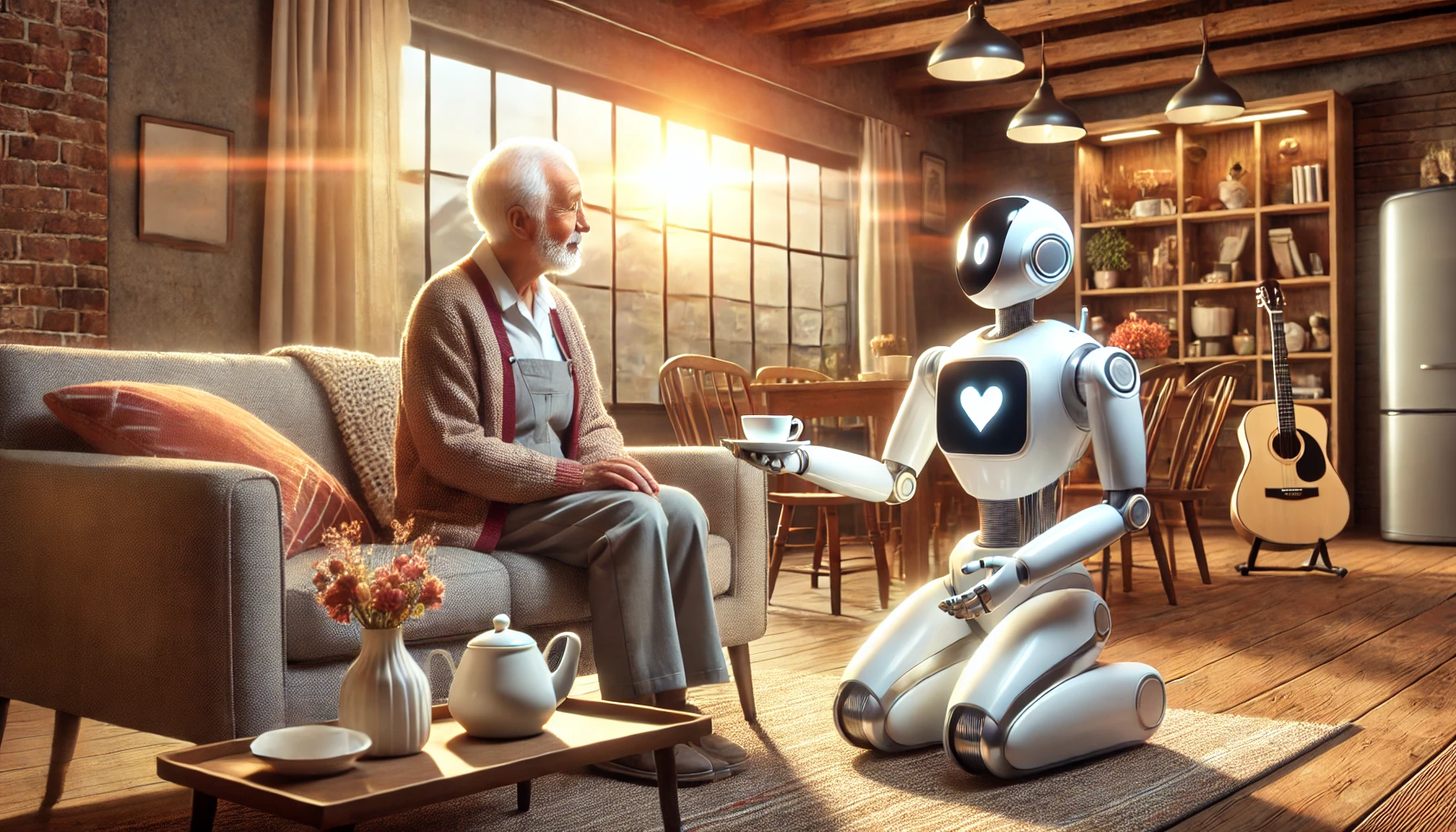
As the number of older adults living alone increases, loneliness and daily-life support have become important social issues. This article explains how robots can help ease loneliness, support routines, and provide reassurance for independent living.
Roles of Robots That Support Older Adults Living Alone
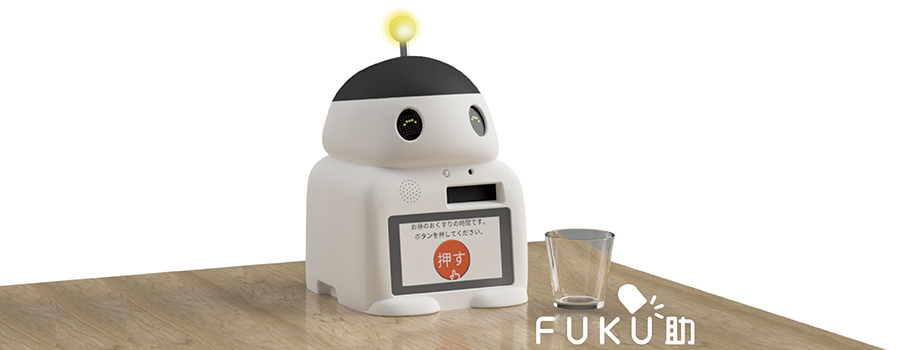
Caring robots can provide several kinds of support. They can speak to the user, respond to simple interaction, remind the user of routines, and create a sense that someone is present in the room. Some robots are designed for conversation, while others focus on monitoring, reminders, or pet-like comfort.
These robots are not a replacement for family members, caregivers, doctors, or emergency services. Their value is in filling small gaps in everyday life: greetings, prompts, companionship, and simple communication.
Specific Examples of Robots for Older Adults Living Alone
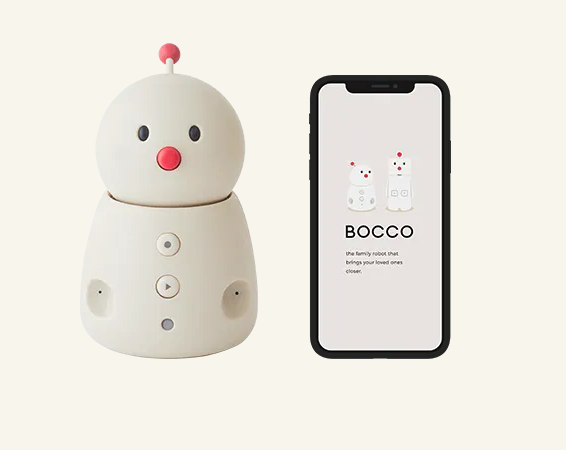
This article discusses companion and communication robots as examples of support for older adults. Pet-style robots can reduce loneliness by providing a gentle presence. Communication robots can help family members stay connected. Voice robots can encourage daily conversation and reminders.
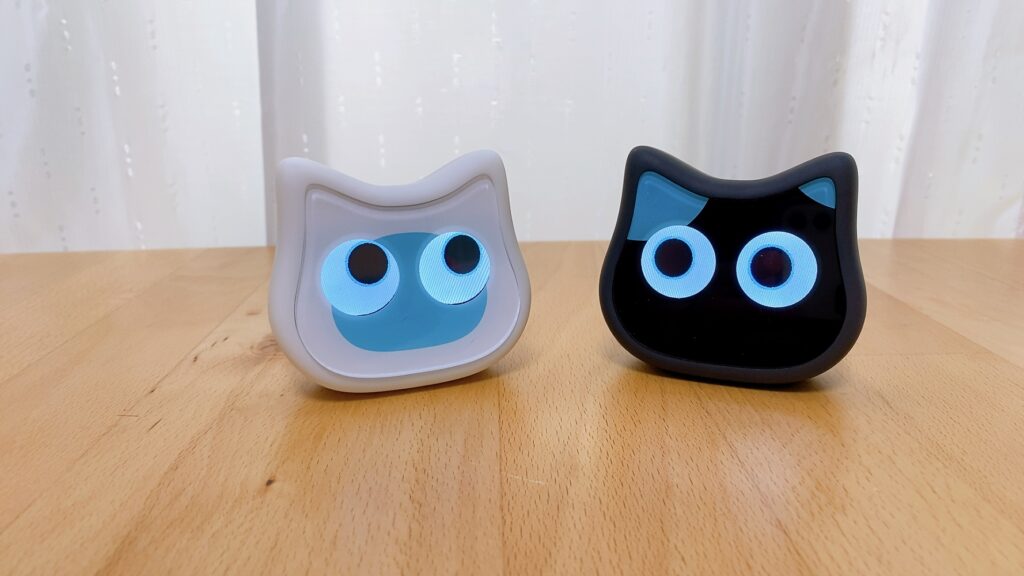
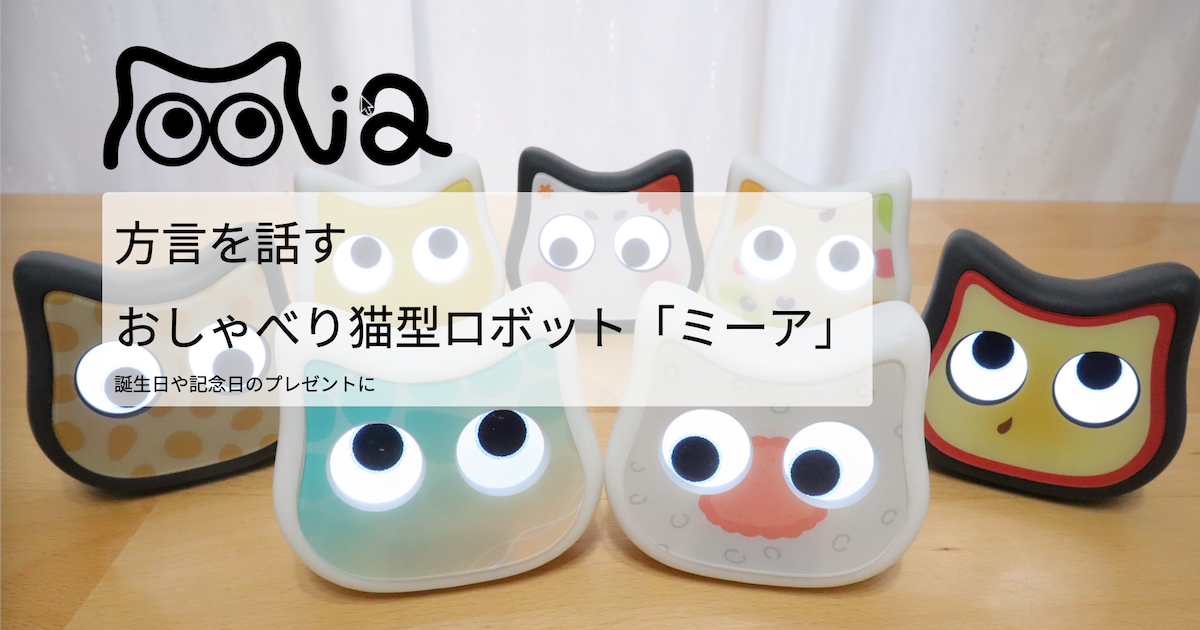
Mia fits this topic as a cat-shaped robot that can speak in Japanese dialects and create small daily voice moments. For older adults who feel more comfortable with a friendly pet-like design than with a mechanical device, this kind of robot can be easier to accept.
Summary
Robots can help older adults living alone by adding companionship, routine, and communication support. They should be used together with family contact, local support, and care services, not as a substitute for them.

Related Articles


👀 You may also like:
👉 2026 Guide: AI Pet Robots for Elderly Loneliness – A Comparison of 10 Companion Robots
👉 2026 Edition: 9 Recommended Pet Robots Under $150 – Cheap, Cute, and Healing Models
👉 Monthly and Maintenance Costs of Pet Robots: Moflin, LOVOT, Mia, and More
👉 Mia – Your Chatty AI Cat Companion Robot with 100+ Expressions