
Introduction
Busy people may want comfort at home but may not have time to care for a real pet. The Japanese source article explains the appeal of healing robots that do not require feeding, walking, cleaning, or constant care.
Benefits of Low-Maintenance Robots
Robots do not need food, toilet care, walks, or veterinary visits. This makes them easier for people with long work hours, travel, allergies, or rental restrictions.
Providing Emotional Comfort
Comfort robots can make a room feel less empty. Pet-like movement, voice, softness, and expressions can help users relax.
Communication Functions
Some robots can speak, react, or deliver messages. This can create small daily communication moments even for people who live alone or work from home.
Various Options
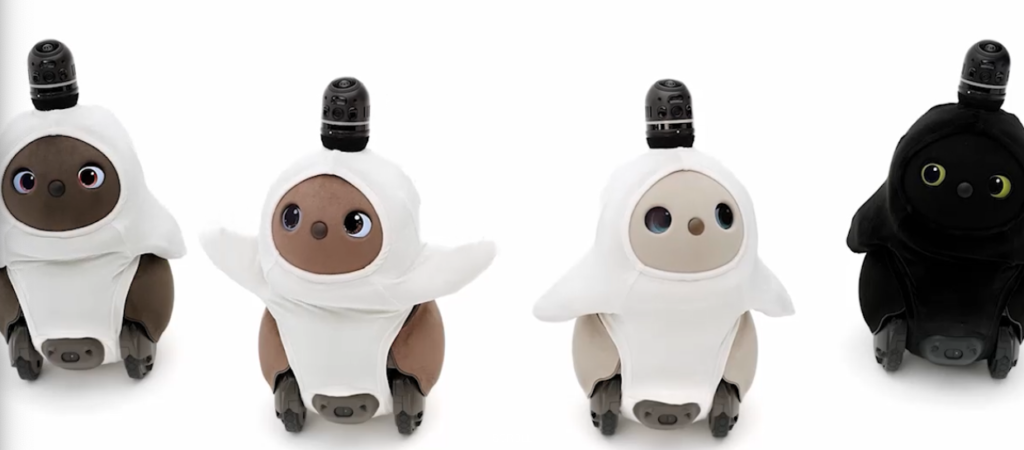
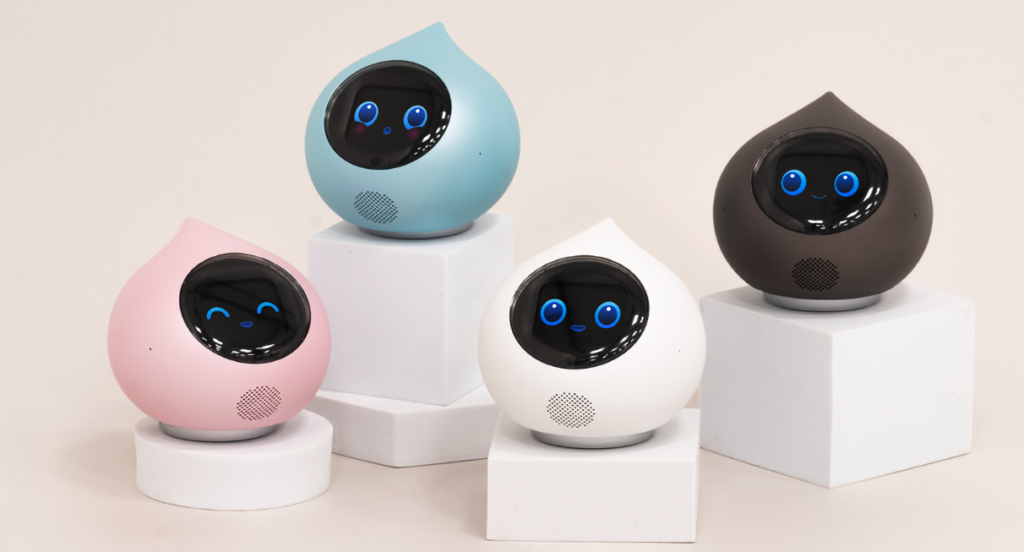
Options include plush-style robots, desktop robots, cat-shaped robots, dog-shaped robots, and communication robots. Each has a different balance of comfort, conversation, and movement.
Robot Therapy and Educational Effects
Robots are also discussed in care and education contexts. They can support emotional interaction, routine, and learning, though they are not medical devices.
Future Outlook
Future robots may become more expressive, easier to use, and more personalized.
Price and Cost
Compare not only the device price but also subscriptions, batteries, accessories, repairs, and app requirements.
Summary
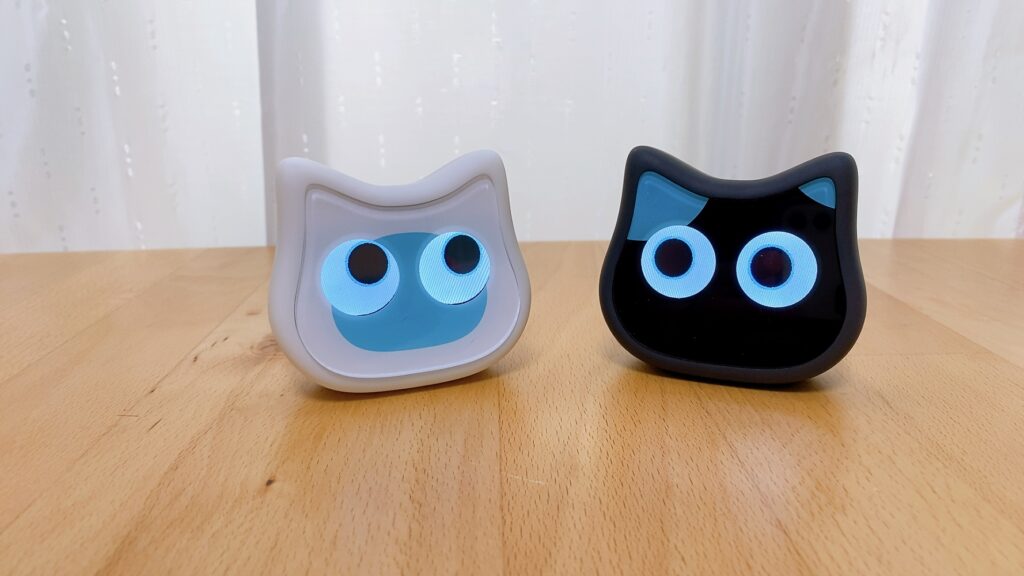
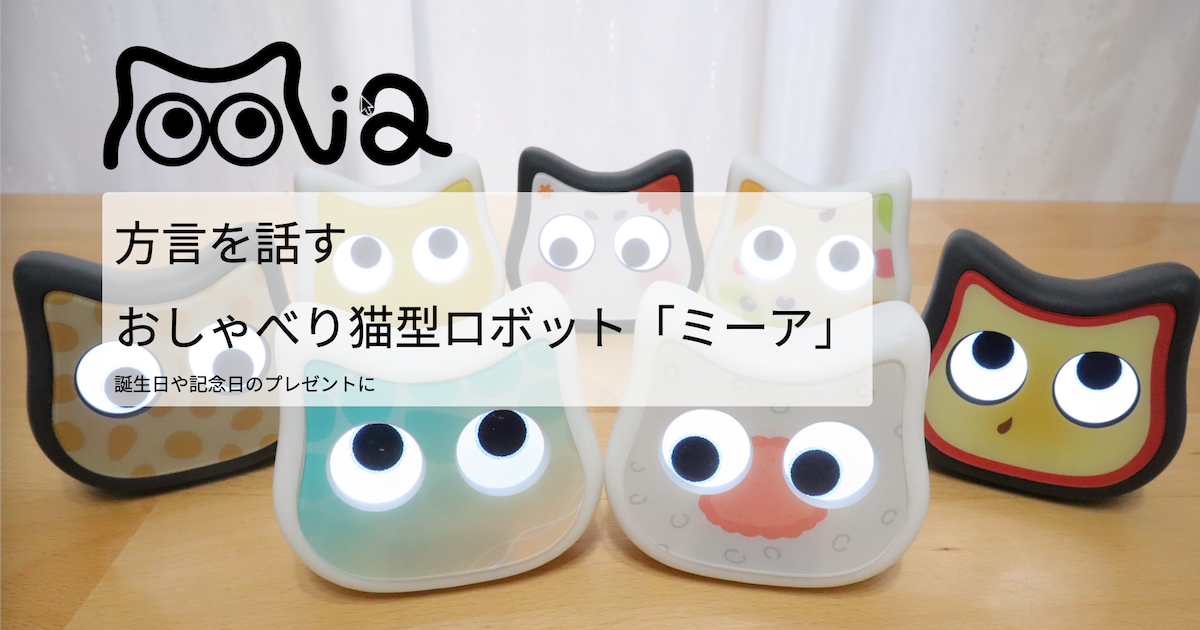
For busy people, low-maintenance comfort robots can provide presence without pet-care responsibilities. Mia is one option for people who want a compact talking cat robot.

Related Articles


👀 You may also like:
👉 2026 Guide: AI Pet Robots for Elderly Loneliness – A Comparison of 10 Companion Robots
👉 2026 Edition: 9 Recommended Pet Robots Under $150 – Cheap, Cute, and Healing Models
👉 Monthly and Maintenance Costs of Pet Robots: Moflin, LOVOT, Mia, and More
👉 Mia – Your Chatty AI Cat Companion Robot with 100+ Expressions