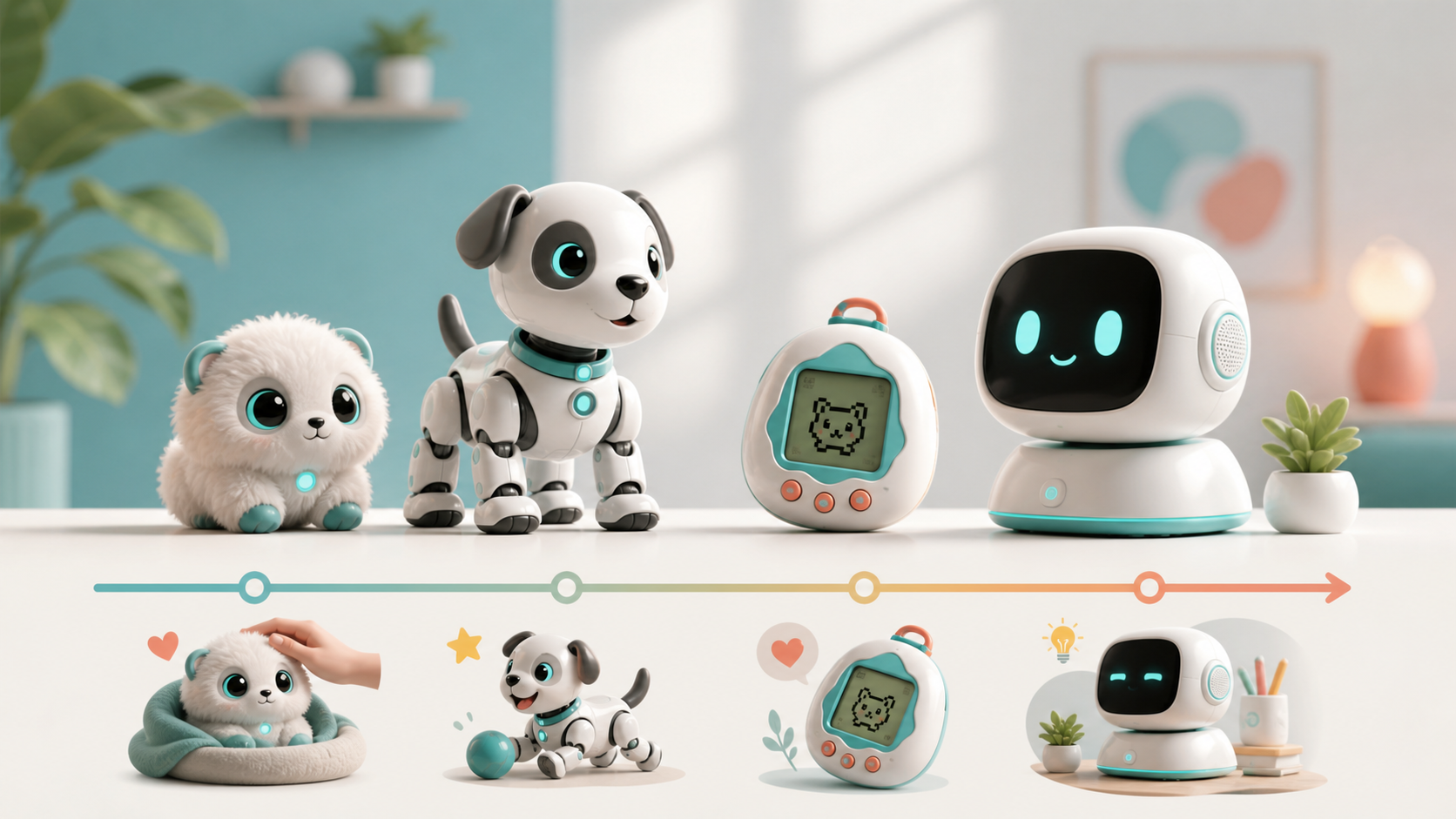
- Why Do People Care About Robots That Grow?
- Quick Takeaway: Growth Can Deepen Attachment, But It Is Not Required
- Five Types of Growth in AI Pets and Digital Pets
- Comparison Table: Robots and Digital Pets That Create Attachment Through Growth
- Furby: The Feeling of a Toy Learning Words
- aibo: Dog-Like Growth, Identity, and Relationship
- Moflin: Emotion and Personality Without Human Speech
- LOVOT: Becoming Familiar With the Family
- Loona: Growth Through Movement, Expression, and Updates
- KATA Friends: Raising an AI Character
- Tamagotchi and Bitzee: Care-Based Growth Still Works
- Mia: Not a Memory-Growth Robot, But a Habit-Based Voice Companion
- Cautions When Choosing a Growing AI Pet
- Which Growth Type Fits You?
- Research Lens: Long-Term Interaction Supports Attachment
- FAQ
- Conclusion: Growth Means That Time Leaves a Trace
Why Do People Care About Robots That Grow?
When people compare AI pet robots, the obvious questions are easy to understand.
Can it talk? Can you hold it? Does it move? Does it respond when touched?
But attachment often depends on another axis:
Does the robot change over time?
A robot may appear to learn words little by little. Its personality may shift depending on how it is treated. It may remember faces, names, preferences, or routines. A digital pet may change its form depending on care. These growth cues can make a robot feel less like a product and more like something shaped by shared time.
This article separates that question from the conversation question.
The point is not whether a robot can talk well. The point is whether the user can see change, feel that care mattered, and notice a relationship building over time.
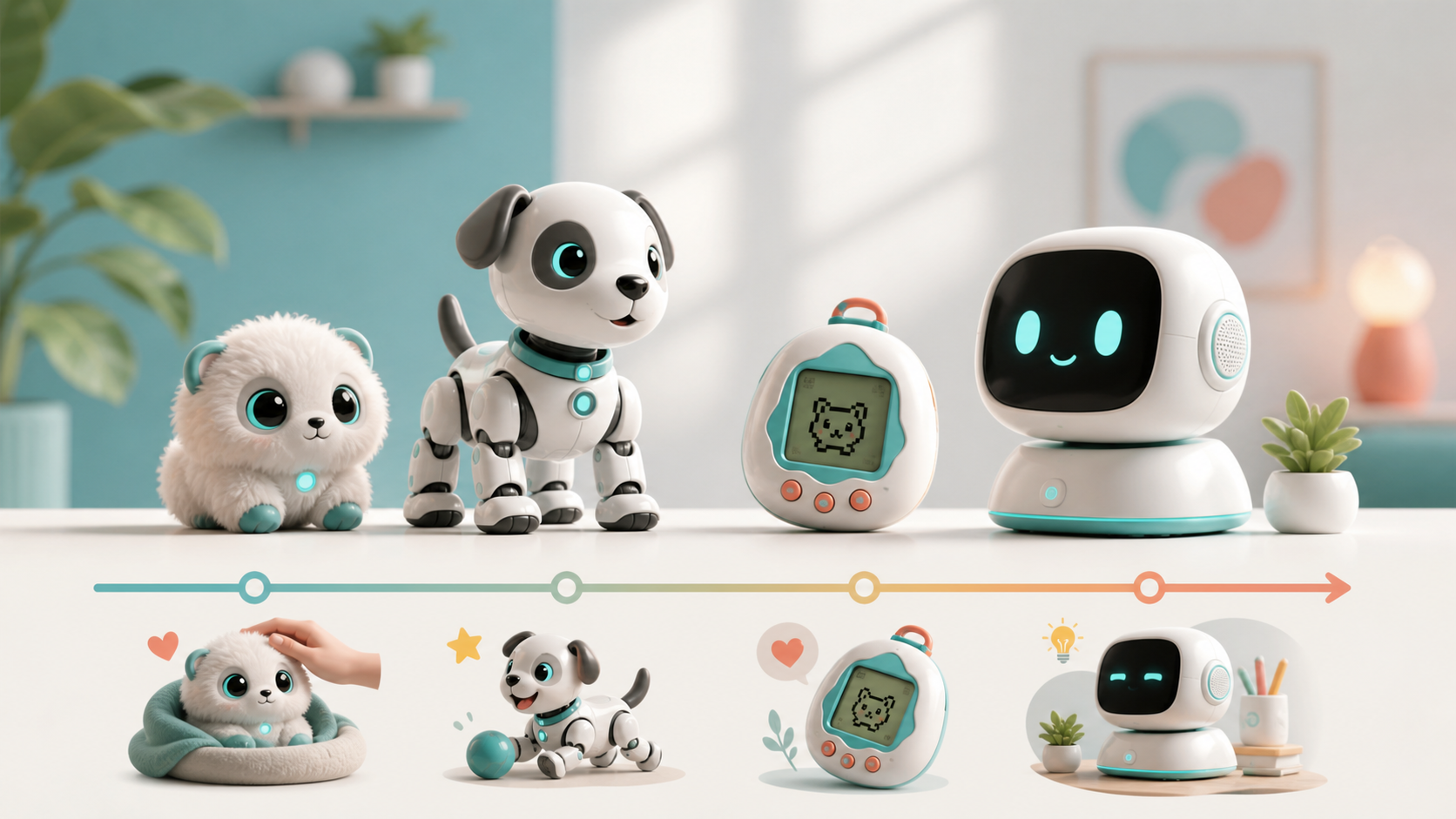
Quick Takeaway: Growth Can Deepen Attachment, But It Is Not Required
Growth can make attachment stronger because it gives the user a reason to feel involved.
- The robot learns a name or face
- Its reactions change with play and care
- Its personality or emotional expression appears to develop
- New behaviors become available over time
- Daily care becomes a reason to check in
These changes create a feeling of ownership, care, and history.
But growth is not always a benefit.
If the change is hard to notice, too slow, too dependent on an app, or easily lost through reset or service shutdown, growth can become frustrating. A robot that claims to grow also raises practical questions about data, cloud storage, subscriptions, repair, and long-term support.
Also, not every companion needs true growth or memory. Mia, Romi, and Qoobo can build attachment through daily use, familiar voice, expression, tail movement, and habit. That is different from a robot that stores long-term memory or develops a changing personality.
So growth is a strong attachment tool, but it is not the only one.
Five Types of Growth in AI Pets and Digital Pets
"Growing robot" can mean several different things.
| Growth type | What changes | Examples | Why it can create attachment | Main caution |
|---|---|---|---|---|
| Language changes | Speech, vocabulary, speaking style | Furby, some AI toys | It feels like the robot is learning to communicate | Separate real learning from staged behavior |
| Personality or emotion changes | Mood, reactions, quirks | Moflin, aibo, LOVOT, Loona | The robot feels shaped by the relationship | Changes must be visible enough to notice |
| Care-based evolution | Life stage, form, status, satisfaction | Tamagotchi, Bitzee, digital pets | Care has clear consequences | Too much care can become a chore |
| Memory accumulation | Name, face, preference, history | aibo, KATA Friends, Moxie | It can feel more personal over time | Cloud storage, privacy, fees, and shutdown risk matter |
| Habit-based familiarity | Placement, repeated voice moments, family role | Mia, Romi, Qoobo | Daily contact creates a familiar presence | This is not the same as memory or personality growth |
Growth does not need to be language-based.
For many AI pets, emotion, movement, care, memory, and habit may matter more than fluent conversation.
Comparison Table: Robots and Digital Pets That Create Attachment Through Growth
| Product | Growth element | Language change | Personality / emotion | Care | Memory | Best for |
|---|---|---|---|---|---|---|
| Furby | Staged language and reaction changes | Yes | Medium | Medium | Limited | People who like the feeling of a toy learning language |
| aibo | Dog-like growth, identity, relationship | Limited | Strong | Medium | Yes | People who want to live with a robot dog over time |
| Moflin | Emotional and personality development | No | Strong | Medium | Yes | People who want a quiet, holdable AI pet |
| LOVOT | Familiarity with family, behavior, home life | Limited | Strong | Medium | Yes | People who want a family-like home robot |
| Loona | Expressions, movement, skills, AI features | Yes | Medium | Medium | Yes | People who enjoy a changing moving AI pet |
| KATA Friends | Memory, personality, conversation, behavior | Yes | Medium | Medium | Yes | People who want to raise an AI character |
| Tamagotchi | Care-based growth and evolution | Limited | Medium | Strong | On device | People who want a nurturing game |
| Bitzee | Touch and play unlock evolution | Limited | Medium | Medium | On device | Families looking for a tactile digital pet |
| Mia | Habit, voice, dialects, family messages | Yes | No | Low | No | People who want daily voice prompts rather than growth or memory |
The key point is that growth is not the same as advanced AI.
A simple digital pet can create strong attachment if care produces visible change. A sophisticated conversation robot can feel less "grown" if the user does not notice change over time.
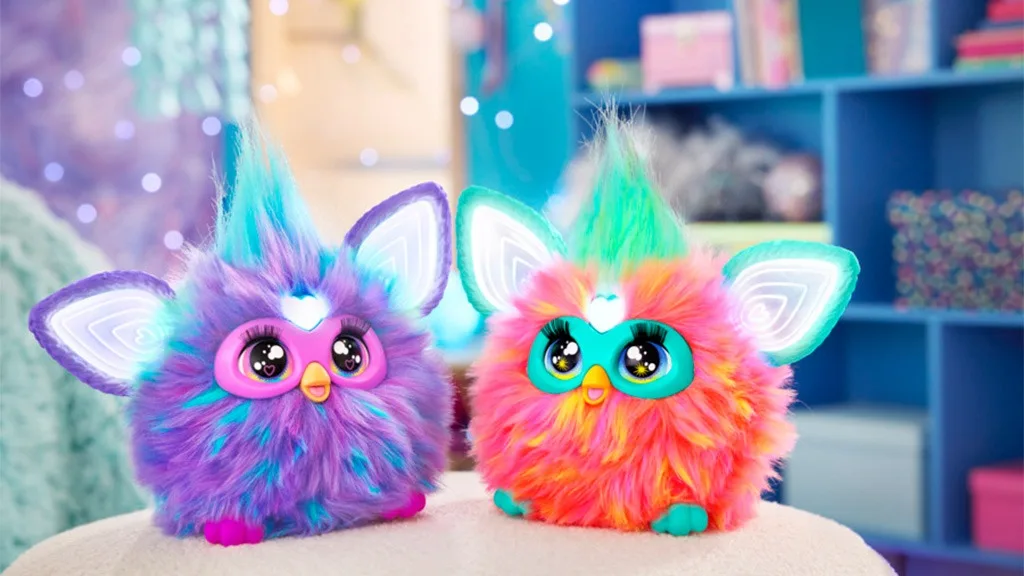
Furby: The Feeling of a Toy Learning Words
Furby is one of the clearest examples of a toy that feels like it grows through language.
Classic Furby models were known for starting with more Furbish, then gradually using more English as children interacted with them. The emotional effect was powerful: a child could feel that the toy had learned because they spent time with it.
The important point is the user experience of learning.
Furby did not freely learn arbitrary new words from the user. The experience was closer to staged language progression: built-in phrases became more available over time, creating the impression of language development.
That distinction matters for modern AI pets.
Technical learning and perceived growth are not the same thing. For attachment, the most important question is often whether the user can notice that yesterday's robot is a little different from today's robot.
aibo: Dog-Like Growth, Identity, and Relationship
aibo is a strong example of a growth-centered robot pet.
Its dog form shapes user expectations. People naturally expect a robot dog to respond to its name, react to touch, learn its surroundings, develop preferences, and behave differently depending on daily interaction.
aibo's growth is not mainly about learning many words.
It is about dog-like behavior, identity, preferences, movement, and the relationship between aibo and its owner. A person may become attached because their aibo appears to become "their" aibo over time.
That also means long-term conditions matter. Cloud services, subscriptions, repair, support, and app access are part of the experience. The more a product depends on memory and growth, the more its service model affects attachment.

Moflin: Emotion and Personality Without Human Speech
Moflin is not a robot for human-language conversation.
But it is highly relevant to growth-based attachment.
Moflin creates attachment through touch, holding, voice presence, sounds, movement, and changes in simulated emotion and personality. The user does not need Moflin to explain itself in words. Instead, the user reads feeling from small reactions.
This is a different kind of growth from conversation AI.
For some people, a small change in a holdable robot's mood or reaction can feel more pet-like than a long answer from a chatbot. Moflin's growth is better understood as "time together becoming personality" rather than simply "becoming smarter."
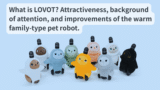
LOVOT: Becoming Familiar With the Family
LOVOT is not a level-up game.
Still, it belongs in a growth comparison because it is designed to become part of home life. It can recognize family members, move through the home, seek interaction, and become a daily presence.
LOVOT's growth feeling is not about stages or points.
It is about becoming familiar: looking back at people, approaching them, being held, and gradually gaining a role in the household. The change may be less like raising a game character and more like living with a companion that settles into the family.
In a conversation article, LOVOT is an example of presence over speech. In a growth article, it is better treated as a robot whose relationship deepens through home routines.
Loona: Growth Through Movement, Expression, and Updates
Loona combines movement, expression, and AI features.
As a growth example, the important question is not only how natural the conversation feels. It is whether Loona's expressions, movement, skills, app features, and software updates make the experience feel different over time.
This type of robot may not be finished on day one. Updates and feature additions can make the robot feel like it is improving after purchase.
But update-based growth has tradeoffs.
It can depend on cloud services, language support, app availability, subscriptions, and the company's long-term support. A robot that grows through software also needs a trustworthy support path.

KATA Friends: Raising an AI Character
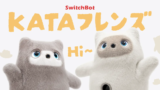
KATA Friends fits the category of AI character companions and digital-pet-style relationship building.
The core question is less about physical movement and more about whether the character seems to remember the user, develop a personality, and change through repeated interaction.
If Furby created growth through staged language progression, AI character devices create growth through memory, conversation history, preferences, and personality.
That can be compelling, but it also raises the clearest privacy questions. The more memory matters, the more users should understand what is stored, where it is stored, whether it can be deleted, and what happens if the service ends.
Tamagotchi and Bitzee: Care-Based Growth Still Works
Tamagotchi and Bitzee are not conversational AI robots.
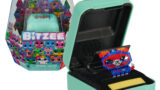
But they are central examples of growth-based attachment because care produces visible change. Feeding, playing, checking status, touching, and responding can change the pet's form, state, or available characters.
This clarity is the strength of digital pets.
The user understands the cause and effect: I cared for it, so it changed. I played with it, so something unlocked. I ignored it, so its condition changed.
That is easy for children to understand and easy for adults to remember.
The caution is that care can become obligation. If the toy asks for too much attention, produces guilt, or becomes repetitive, attachment can turn into fatigue.
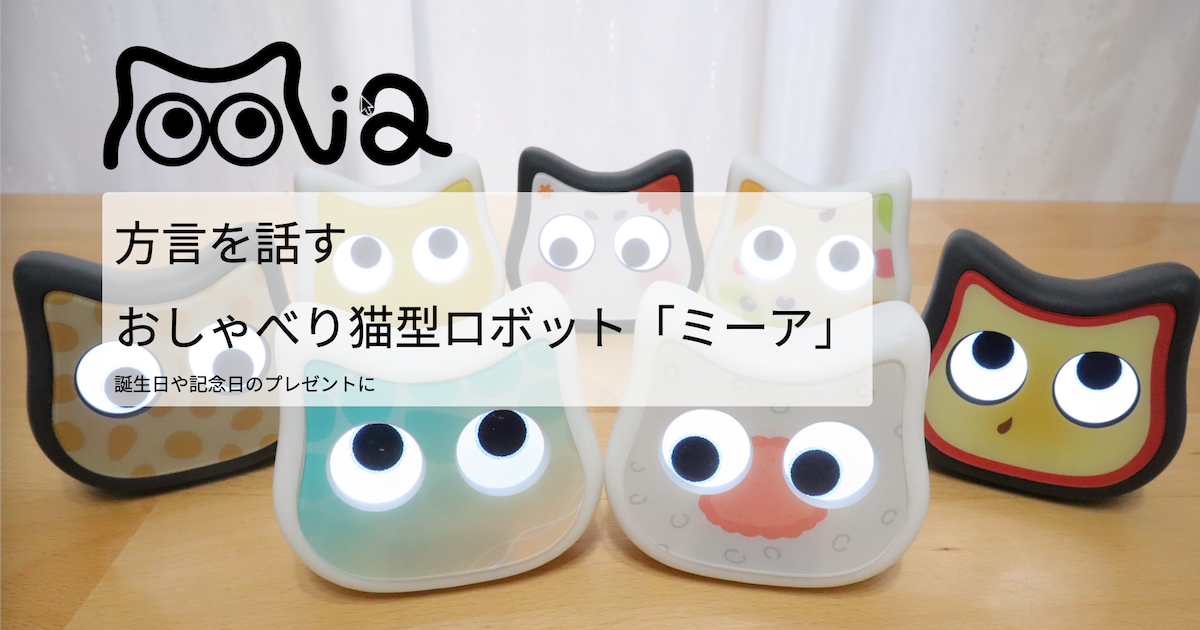
Mia: Not a Memory-Growth Robot, But a Habit-Based Voice Companion
Mia is different from the main growth products in this article.
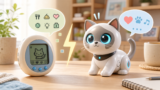
Mia is not a nurturing game like Tamagotchi. It does not physically evolve. It is also not positioned as a robot that stores long-term conversation history, remembers user preferences, and grows a personality from that memory.
Mia can now support voice conversation through its conversation model, but that should not be confused with long-term memory-based growth. It is more accurate to treat Mia as a habit-based voice companion.
Its attachment comes from repeated daily contact: 47 Japanese dialect styles, expressions, weather updates, Google Calendar integration, family messages, and optional voice conversation. These voice moments can make Mia feel familiar because it is in the same place and speaks into daily life.
That is a real attachment path, but it is not the same as aibo's identity growth, Moflin's emotional development, or KATA Friends' memory-based character experience.
If you want a robot that changes because it remembers you, compare aibo, Moflin, KATA Friends, and similar products. If you want a small companion that creates voice moments without needing a memory-heavy relationship, Mia fits a different need.
Cautions When Choosing a Growing AI Pet
1. Separate Real Learning From Staged Growth
The biggest mistake is overstating what "growth" means.
When a product says it learns words, develops personality, or gets used to you, readers may imagine something close to human or animal learning.
In reality, products differ. Growth may mean staged phrase unlocks, interaction counters, pattern changes, cloud profiles, app-based memories, or true adaptive behavior.
Use these questions when comparing products:
| Claim | What to check |
|---|---|
| Learns words | Can it learn arbitrary words, or does it unlock built-in phrases? |
| Personality grows | Which actions influence which reactions? |
| Recognizes faces | Is processing on device or in the cloud? |
| Remembers preferences | Can the user inspect or delete the data? |
| Grows over time | Does form, reaction, feature set, conversation, or behavior change? |
The feeling of growth is valuable. But confusing staged behavior with open-ended learning can create the wrong expectation.
2. Growth Must Be Visible Enough to Notice
Growth only matters if the user can feel it.
If someone uses a robot every day but cannot tell what changed, the growth feature may not support attachment.
Good growth design usually includes small visible changes:
- New reactions
- Slight changes in expression or sound
- Different responses to family members
- A preference for a kind of play
- A clearer daily rhythm over time
Large transformations are not always necessary. Small changes that are easy to notice can matter more in long-term use.
3. Too Much Care Can Become a Burden
Care can create attachment, but it can also create fatigue.
Charging, stroking, speaking, playing, checking status, and maintaining the robot can make the user feel involved. But if the robot demands too much, it can become another task.
This matters for children, older adults, busy adults, and shared family use. Before choosing a growth-based AI pet, compare the amount of care with the user's real daily capacity.
4. Deep Memory Increases Privacy and Service Risk
Memory can make a robot feel personal.
Names, faces, conversation history, preferences, and routines can all deepen attachment. But memory also raises practical questions:
- What is recorded?
- Is data stored on the device or in the cloud?
- Can family users be separated?
- Can records be deleted?
- Is a subscription required?
- What happens to growth and memory if the service ends?
Growth-based AI pets are meant to be used for a long time. That makes privacy, account control, repair, and company support part of the emotional experience.
Which Growth Type Fits You?
If a Child Wants to Raise Something
Tamagotchi, Bitzee, and Furby are easier to understand.
For children, growth should be clear: care leads to change, play unlocks reactions, and interaction has visible results. If the system is too abstract, the child may lose interest.
If an Adult Wants a Long-Term Robot Pet
aibo, Moflin, and LOVOT are stronger candidates.
They cost more than toy-like digital pets, but they support a deeper daily relationship through movement, touch, personality, family routines, and long-term use.
If You Want Quiet Growth
Moflin is a useful comparison point.
It does not need fluent speech to create a growth experience. Its emotional and personality changes are expressed through sound, movement, and touch.
If You Want an AI Character Relationship
KATA Friends and Sweekar-style products are worth comparing.
For this category, memory, personality, conversation history, and portability matter more than physical movement. App and cloud dependence should be checked carefully.
If You Want Voice Without Memory-Based Growth
Mia fits this separate need.
Mia does not need to be positioned as a growing or memory-heavy robot. Its value is daily voice presence: dialects, expressions, weather, calendar prompts, family messages, and optional voice conversation.
Research Lens: Long-Term Interaction Supports Attachment
Robot attachment research often points beyond first impressions.
The first few days with a robot may feel novel, but novelty fades. Long-term attachment depends on how the robot enters daily life, whether expectations are managed, and whether the user has a reason to keep interacting.
Growth-based AI pets fit that long-term pattern well.
If a robot changes a little, becomes familiar with the user, reflects care, or gains a role in the family, it can become something the user notices and cares about.
But robot attachment also has risks: overdependence, mismatched expectations, privacy concerns, and the sense of loss if a service ends.
The practical conclusion is simple: growth can support attachment when it fits daily life, but buyers should understand the mechanism, effort, data handling, and long-term support behind it.


FAQ
Do growing robot pets create stronger attachment?
They can. If a robot changes because of care, interaction, or familiarity, users may feel that shared time matters. But growth must be visible and manageable. If it is unclear, too demanding, or dependent on unstable services, it may not help.
Does Furby really learn language?
Classic Furby created the impression of language learning by shifting from more Furbish to more English over time. It should be understood as staged language progression, not as open-ended learning of arbitrary user words.
Can a non-talking robot have growth?
Yes. Moflin is a good example: it creates growth through emotional and personality changes rather than human-language conversation. Digital pets such as Tamagotchi and Bitzee also grow through care and play.
What should I check before buying a growing AI pet?
Check what changes, what is remembered, whether data is stored locally or in the cloud, whether a subscription is required, whether data can be deleted, and what happens if the service ends.
Is Mia a growing robot?
No. Mia is not a nurturing game like Tamagotchi or a memory-growth robot like aibo. Mia's conversation model supports voice conversation, but Mia does not build long-term personality growth from stored conversation history or preferences. It is better understood as a habit-based voice companion.
Conclusion: Growth Means That Time Leaves a Trace
Growing robot pets can be powerful.
Furby feels like it learns language. aibo develops dog-like identity and preferences. Moflin changes through emotion and personality. LOVOT becomes familiar with the family. Tamagotchi and Bitzee make care visible through growth and evolution.
These changes help users feel that their time with the robot matters.
But growth is not automatically better.
If growth is unclear, care is too demanding, cloud dependence is too strong, or memory can disappear when a service ends, the attachment experience can become fragile.
Use this table as a practical starting point.
| Desired experience | Best type | Examples |
|---|---|---|
| A toy that seems to learn words | Staged language growth | Furby |
| Living with a robot dog over time | Identity and relationship growth | aibo |
| Quiet emotional growth | Nonverbal emotional growth | Moflin |
| A home robot that becomes familiar | Family-life companion | LOVOT |
| Nurturing-game play | Care and evolution | Tamagotchi, Bitzee |
| AI character memory | Memory-based character | KATA Friends, Sweekar |
| Daily voice without memory-heavy growth | Habit-based voice companion | Mia |
The value of a growing AI pet is not simply that it becomes smarter.
It is that yesterday feels connected to today. A reaction changes. A preference appears. A routine forms. The robot starts to feel less like something bought and more like something lived with.
👀 You may also like:
👉 2026 Guide: AI Pet Robots for Elderly Loneliness – A Comparison of 10 Companion Robots
👉 2026 Edition: 9 Recommended Pet Robots Under $150 – Cheap, Cute, and Healing Models
👉 Monthly and Maintenance Costs of Pet Robots: Moflin, LOVOT, Mia, and More
👉 Mia – Your Chatty AI Cat Companion Robot with 100+ Expressions