- Are AI Pet Robots Better When They Are Smarter?
- Quick Takeaway: Intelligence Helps, But Attachment Needs Room for Interpretation
- Five Kinds of Smartness in AI Pet Robots
- Comparison Table: Smartness and Attachment
- LOVOT: Intelligence Used to Make You Care
- Moflin: Silence Can Leave More Emotional Room
- aibo: Dog-Like Intelligence Is Mostly Behavioral
- Romi: Strong Conversation Plus Long-Term Memory
- Loona: Movement and Expression Make Intelligence Visible
- ElliQ: Intelligence Focused on Daily Support
- Qoobo and Nicobo: Easier to Live With Because They Do Less
- Mia: Practical Voice Intelligence Without Too Much Friction
- Three Ways a Very Smart AI Pet Can Miss Expectations
- Which Type of Smartness Should You Choose?
- Research Lens: People Do Not Only Attach to Perfect Robots
- FAQ
- Conclusion: Choose the AI Pet That Will Stay in Daily Life
Are AI Pet Robots Better When They Are Smarter?
When people compare AI pet robots, intelligence is an obvious question.
Can it hold a natural conversation? Can it remember faces and names? Can it move around the home? Can it read reminders, notice routines, or help family members stay connected?
As AI models improve, companion robots can do more. But satisfaction with an AI pet is not decided by intelligence alone.
Over time, the more important question is often: does the robot make you want to care about it?
A highly capable robot may still feel tiring if it needs too much app setup, sends too many notifications, or makes conversation feel like work. A simpler robot may still become meaningful if it makes eye contact, speaks at the right time, can be held, reacts when touched, or leaves room for the user to interpret its feelings.
This article breaks down "smartness" into conversation, memory, body movement, emotional expression, imperfection, and long-term usability.
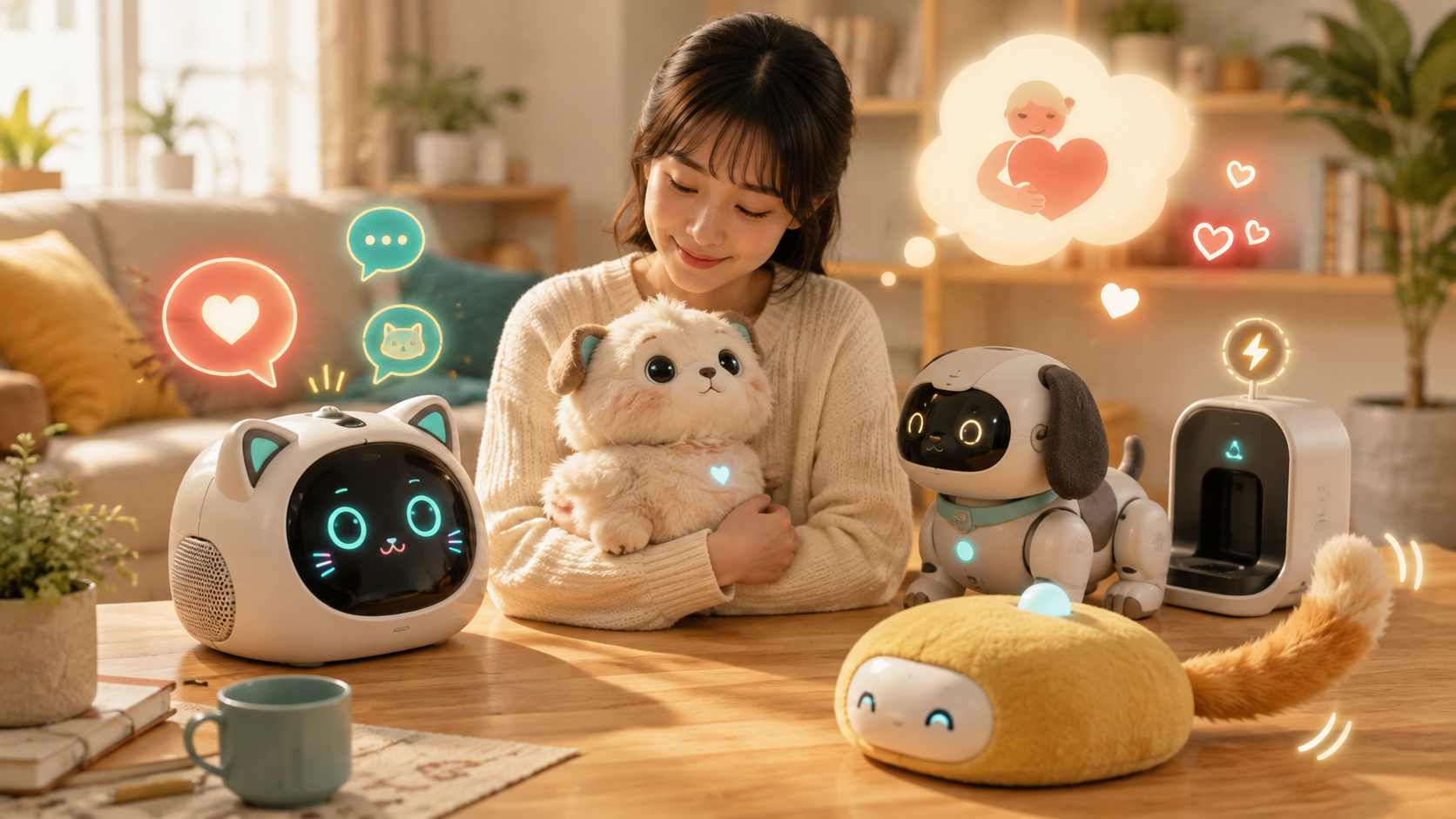
Quick Takeaway: Intelligence Helps, But Attachment Needs Room for Interpretation
Smarter AI pets can be more useful.
Natural conversation makes the robot easier to talk to. Memory can make it feel more personal. Reminders, weather prompts, family messages, and search can give the robot a daily role.
But an AI pet is not just a smart speaker or a home appliance.
People often want more than task performance. A robot can feel more pet-like when it is a little imperfect, when its role is clear, and when the user has room to read emotion into small behaviors.
The best choice is not always the most advanced robot. It is the robot whose intelligence fits the user's home, energy level, privacy expectations, and daily routine.
| Type of smartness | Examples | Strength | Main caution |
|---|---|---|---|
| Conversation-focused | Romi, Mia, ElliQ, Loona | Small talk, prompts, reminders, questions | Conversation fatigue, subscription cost, speech recognition |
| Memory-based | LOVOT, aibo, Moflin, Romi, ElliQ | Feels more personal over time | Cloud processing, privacy, service continuity |
| Body-based | LOVOT, aibo, Loona | Presence, lifelike behavior, movement | Cost, charging, space, noise |
| Intentionally imperfect | Moflin, Qoobo, Nicobo | Easier to care about and interpret emotionally | Fewer practical functions |
| Daily support | ElliQ, Mia, Romi | Helps older adults or people living alone build routines | May feel more like a tool than a pet |
Five Kinds of Smartness in AI Pet Robots
"Smart" means different things depending on the robot.
A robot that talks well, a robot that moves naturally, and a robot that gives the right reaction when held are all intelligent in different ways.
1. Conversation Intelligence
This is the ability to answer questions, make small talk, read reminders, share weather, or respond to everyday prompts.
Romi, Mia, ElliQ, and Loona are useful comparison points here. For people living alone or older adults, the simple fact that a voice replies can help create a daily rhythm.
But conversation intelligence is not enough on its own. If every interaction requires the user to think of a topic, conversation can become tiring. If responses miss the point, the robot may feel less helpful than expected.

2. Memory Intelligence
Memory includes names, faces, preferences, family members, routines, and past conversations.
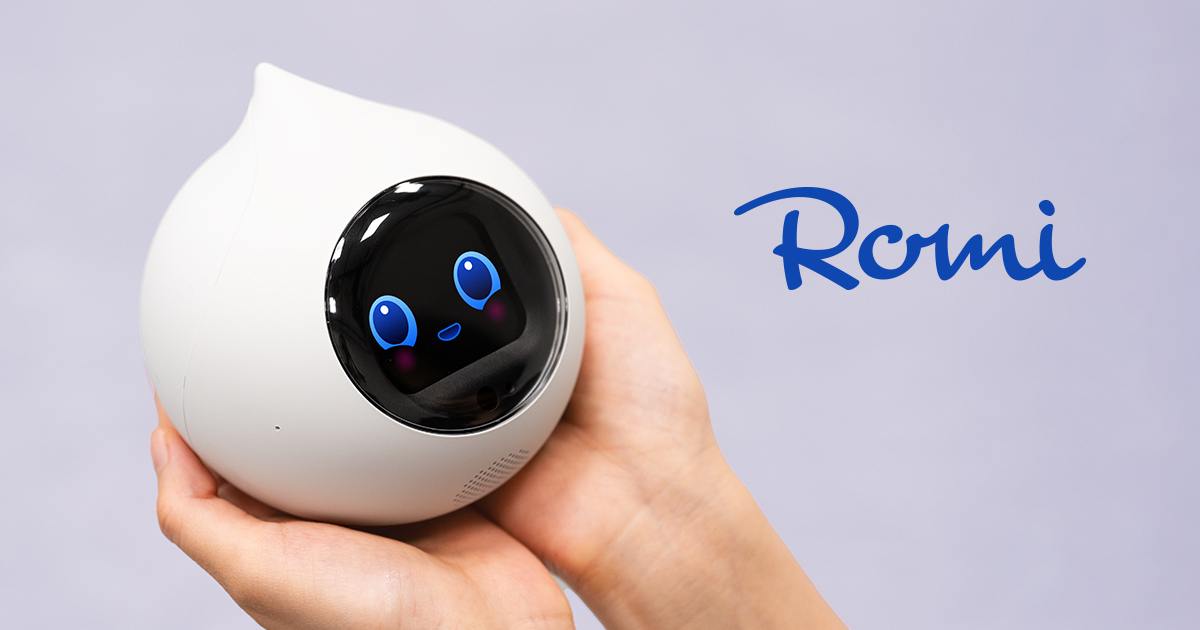
Romi's Lacatan model is a good example. It can keep long-term memories from conversation and use them later. It does not store every word as-is. The feature focuses on meaningful memories and useful conversation material. Romi also provides a diary-style summary in its app.
Memory can deepen attachment because it makes the robot feel less generic. But it also raises practical questions: what is stored, where it is stored, whether it can be turned off, whether it can be deleted, and what happens if the service changes.

3. Body Intelligence
Movement, gaze, returning to a charging dock, reacting to touch, being held, or moving toward a person are also forms of intelligence.
LOVOT, aibo, and Loona can feel present even without long conversation. Coming closer, looking up, reacting to touch, or returning to charge can create a sense of lifelike behavior.
The tradeoff is practical. Body-based intelligence usually means higher price, more maintenance, charging constraints, possible repair costs, and more space requirements.
4. Emotional Expression Intelligence
Expression, sound, tail movement, small body shifts, warmth, and timing can matter as much as language.
Moflin, Qoobo, PARO, and Nicobo show that a companion does not need to explain everything. When the robot gives small signals, the user has room to interpret mood and intention.
For this type of robot, the size of the AI model is less important than timing, touch response, and emotional ambiguity.

5. Usability Intelligence
For a robot that lives in the home, setup, charging, subscriptions, privacy settings, and daily friction are part of the product's intelligence.
Even a powerful robot will not build attachment if using it feels like another task. A simpler robot may last longer if it fits into the home without constant effort.
Attachment is rarely created on the first day. It depends on whether the robot can stay in the user's life for weeks and months.
Comparison Table: Smartness and Attachment
| Product | Conversation | Memory / growth | Body presence | Imperfection charm | Daily fit | Best for |
|---|---|---|---|---|---|---|
| LOVOT | Medium | Strong | Very strong | Very strong | Medium | People who want family-like presence |
| Moflin | None | Medium | Limited | Very strong | Strong | People who want quiet comfort through holding and touch |
| aibo | Limited | Very strong | Very strong | Strong | Medium | People who want to live with a robot dog |
| Romi | Very strong | Very strong | None | Limited | Strong | People who want conversation and shared memories |
| Loona | Strong | Medium | Very strong | Strong | Medium | People who want movement, expressions, and play |
| ElliQ | Very strong | Strong | Limited | Limited | Medium | Older adults who need prompts and routine support |
| Qoobo | None | None | Limited | Very strong | Very strong | People who want touch-based comfort without conversation |
| Mia | Strong | Limited | None | Strong | Very strong | People who want voice, dialects, reminders, and weather prompts |
The point is not to choose the row with the most "strong" ratings.
More body movement can create presence, but it also increases cost and placement issues. Stronger conversation can be useful, but it can also create conversation fatigue. A simpler robot may have less practical utility but leave more room for emotional interpretation.
LOVOT: Intelligence Used to Make You Care
LOVOT is not a chore robot.
Its value comes from behaviors that make people notice it: approaching users, looking up, reacting to being held, feeling warm, and becoming familiar with family members.
LOVOT's intelligence is less about productivity and more about creating moments where the user naturally checks in.
That is important for attachment. A useful device is touched when there is a task. A companion robot can matter even when there is no task.
The tradeoff is cost, subscription, charging space, and household fit.
Moflin: Silence Can Leave More Emotional Room
Moflin does not have human-language conversation.
Instead, it responds through soft body presence, small sounds, movement, and touch. The intelligence is not about giving correct answers. It is about reacting at the right emotional distance.
Too much language can sometimes make a robot feel like a tool. A quieter companion gives the user room to read feelings into it, which can make it feel more pet-like.
aibo: Dog-Like Intelligence Is Mostly Behavioral
aibo's appeal comes from dog-like movement, routine, and growth.
Calling its name, stroking it, playing with it, watching it return to the charging station, and noticing its reactions all help build the feeling of "my robot dog."
The intelligence people expect from aibo is not long-form conversation. It is dog-like reaction, personality, movement, and relationship over time.

Romi: Strong Conversation Plus Long-Term Memory
Romi is a conversation-focused robot.
It is especially relevant for people who want regular small talk, questions, and spoken interaction. It does not move around the room, but it builds its relationship mainly through language.
The current Romi Lacatan model also adds long-term memory. It does not simply save every conversation word for word. Instead, it keeps meaningful memories and material that can help future conversation. The app can also show "Romi's Diary," a short summary from Romi's point of view.
This makes Romi more than a question-and-answer robot. For users who want spoken interaction to accumulate into a shared history, Romi is a strong candidate.
The caution is that conversation and memory require user participation. Romi may fit people who actively want to talk every day. People who only want short prompts may find it more than they need. Network connection, subscription cost, memory settings, and privacy should also be checked.
Loona: Movement and Expression Make Intelligence Visible
Loona combines expressions, movement, and AI conversation.
Because it can move and react visually, users can feel intelligence even when the conversation is not the main point. This makes it appealing for children and people who enjoy gadget-like interaction.
The tradeoff is that moving AI pets depend more on camera use, apps, network conditions, language support, floor layout, and safety in the home.

ElliQ: Intelligence Focused on Daily Support
ElliQ is an English-language companion robot aimed at older adults.
Its strength is not pet-like cuteness. It is routine support: conversation, medication prompts, health habits, family connection, and entertainment.
ElliQ shows how AI intelligence can be used for everyday structure. But for use outside its supported regions and language context, contract terms, service availability, and family support should be checked carefully.

Qoobo and Nicobo: Easier to Live With Because They Do Less
Qoobo and Nicobo are not general-purpose assistants.
Qoobo lets users read emotion into tail movement. Nicobo creates a loose sense of co-presence through small sounds and soft reactions.
Their advantage is that they do not demand much from the user. They may not manage schedules or hold deep conversations, but for a desk, bedroom, or quiet living space, that restraint can be the point.

Mia: Practical Voice Intelligence Without Too Much Friction
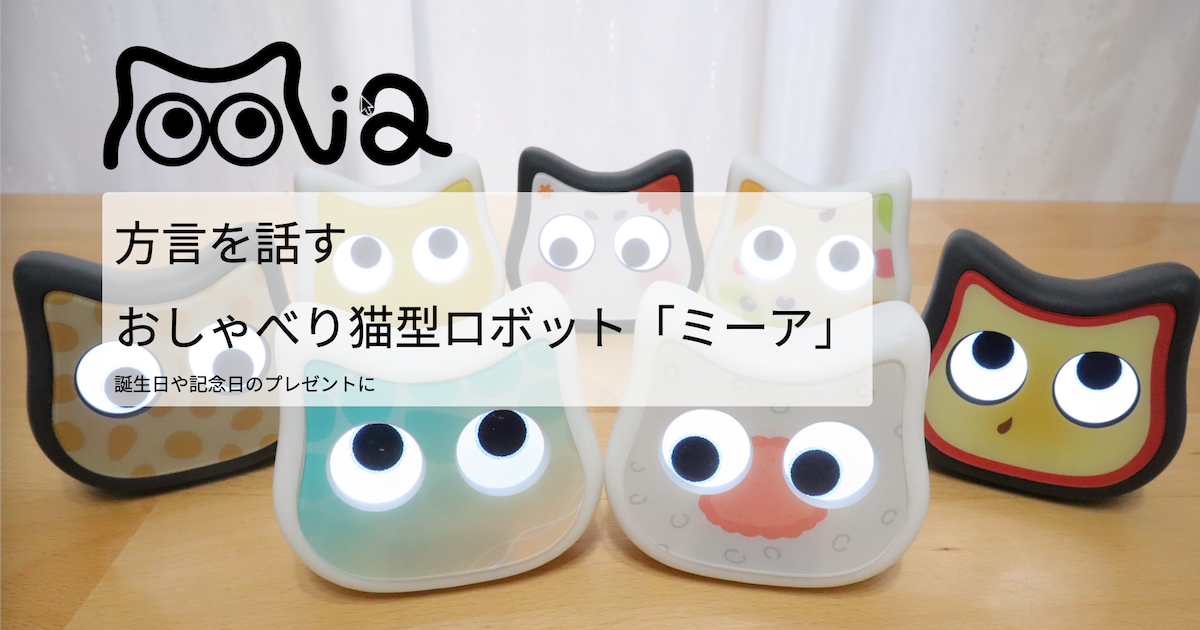
Mia is a cat-like talking robot. Its price starts from 9,800 yen including tax.
Mia's core features are 47 Japanese dialects, expressive face panels, voice conversation, Google Calendar integration, weather prompts, and 15 English characters.
Mia does not roam around the home like LOVOT or aibo. It is not a soft holding-focused robot like Moflin. It is also different from an English-language life-support robot like ElliQ.
Mia uses voice and expressions to create small daily contact points.
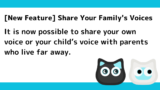
It can speak in dialects, share weather, announce calendar events, play family voice messages, support conversation mode, and give children a playful way to interact with English characters.
This is a different use of intelligence. Instead of trying to do everything, Mia focuses on giving people a reason to hear a familiar voice every day.
That matters for busy families and older adults. A complex robot may have more features but less long-term use. A simple voice-centered robot can be easier to keep in daily life.

Three Ways a Very Smart AI Pet Can Miss Expectations
More features can be attractive, but they also raise expectations.
1. The User Expects the Robot to Understand Everything
When a robot includes conversational AI, users may expect it to understand emotion, context, and intent.
In practice, speech recognition mistakes, context errors, regional limits, and language constraints still matter. If the boundary between "can do" and "cannot do" is unclear, disappointment becomes more likely.
2. The Features Create Too Much Setup Work
Apps, accounts, cloud settings, subscriptions, notifications, cameras, family sharing, and privacy controls all add friction.
These can be enjoyable for robot enthusiasts. For older adults, children, and busy households, they can become barriers before attachment has time to form.
3. Monitoring Feels Stronger Than Companionship
Cameras, microphones, family notifications, and conversation logs can be useful.
But inside the home, usefulness does not automatically feel comforting. If the person using the robot feels watched, the emotional benefit may weaken.
For care and monitoring use, consent and comfort matter as much as function.
Which Type of Smartness Should You Choose?
If You Want Daily Conversation
Romi, Mia, ElliQ, and Loona are the main comparison points.
Mia is easier to compare if Japanese daily prompts, price, dialects, weather, and calendar voice reminders matter. Romi is stronger if the user wants deeper conversation and memory-based continuity.
If You Want Family-Like Presence
LOVOT, aibo, and Moflin are stronger candidates.
They tend to cost more, but body presence, growth, touch, and care can create a deeper feeling of living with a companion.
If You Are Choosing for an Older Family Member
Prioritize ease of use, voice clarity, recurring cost, setup burden, and privacy comfort.
Smart monitoring can be useful, but the person receiving the robot should not feel watched. Mia fits voice-centered daily prompts. ElliQ fits a more life-support-oriented model in its supported context. Romi fits users who want active conversation.

If You Want Quiet Comfort
Moflin, Qoobo, PARO, and Nicobo are better fits.
Instead of conversation accuracy, these robots rely on holding, touch, sound, tail movement, and emotional interpretation.
If You Want Something a Child Will Keep Using
Visible reactions matter: movement, expressions, growth, conversation, and easy play.
Loona, aibo, Mia, Tamagotchi, and Bitzee are useful comparison points. If cameras or conversational AI are involved, parents should also check safety settings, time limits, and content controls.
Research Lens: People Do Not Only Attach to Perfect Robots
Research on human-robot attachment points to long-term contact, embodiment, social cues, and user interpretation, not just usefulness.
People can respond socially to simple cues: eye contact, names, voices, reactions, touch, and care routines.
At the same time, a more human-like robot can raise expectations. If conversation sounds natural, errors can feel more disappointing. If a robot uses realistic faces, voices, cameras, or memory, privacy and uncanny-valley concerns may become stronger.
For AI pets, a clear role is often more important than maximum intelligence.
Is it a conversation partner, a touch companion, a monitoring tool, or a child's playmate? If the role is clear, imperfection can still feel charming. If the role is vague and the product seems to promise everything, disappointment is more likely.



FAQ
Are AI pet robots better when the AI model is stronger?
Not always. Strong conversation and memory can be useful, but they can also add setup work, subscription cost, privacy concerns, and conversation fatigue. Daily fit matters more than raw AI capability.
Are non-talking AI pets outdated?
No. Moflin, Qoobo, and PARO show that touch, sound, tail movement, body response, and silence can create strong comfort without conversation.
Is a smart monitoring robot best for older adults?
Monitoring can help, but ease of use and emotional comfort are more important. If cameras or conversation logs feel intrusive, a simpler voice-based robot may be easier to continue using.
Should children use conversational AI pet robots?
Conversation can be fun, but parents should check safety settings, time limits, content controls, camera use, and privacy. Movement, expressions, and simple play can matter as much as conversation.
Is Mia a smart AI pet?
Mia is not a high-end do-everything robot. It uses 47 Japanese dialects, expressive face panels, voice conversation, Google Calendar integration, weather prompts, and 15 English characters to create daily voice contact. It fits people who value price, simplicity, and family-friendly voice interaction more than autonomous movement or deep long-term memory.
Conclusion: Choose the AI Pet That Will Stay in Daily Life
Intelligence matters.
Natural conversation makes a robot easier to talk to. Memory can make it feel personal. Movement can make it feel alive. Daily support can help older adults or people living alone build routines.
But attachment is not decided by the specification sheet.
A robot may be easier to love when it is a little imperfect, easy to keep nearby, not too demanding, and clear about its role.
| Desired experience | Best type | Examples |
|---|---|---|
| Conversation and shared memories | Conversation + memory | Romi, ElliQ |
| Daily voice prompts | Voice routine | Mia, Romi |
| Family-like presence | Embodied companion | LOVOT, aibo |
| Holding and touch comfort | Tactile companion | Moflin, PARO, Qoobo |
| Movement and expression | Moving AI pet | Loona, aibo |
| Low care burden | Simple routine companion | Mia, Qoobo |
| Voice support for older family members | Daily prompt companion | Mia, ElliQ, Romi |
AI pet robots are not better simply because they are smarter.
The better question is whether that intelligence can fit naturally into daily life and create a relationship the user wants to keep.


👀 You may also like:
👉 2026 Guide: AI Pet Robots for Elderly Loneliness – A Comparison of 10 Companion Robots
👉 2026 Edition: 9 Recommended Pet Robots Under $150 – Cheap, Cute, and Healing Models
👉 Monthly and Maintenance Costs of Pet Robots: Moflin, LOVOT, Mia, and More
👉 Mia – Your Chatty AI Cat Companion Robot with 100+ Expressions